
Directing
Marie Louise Alemann
Born — Died
1927-07-11 — 2015-02-26
Place of birth
Höxter, Germany
Known for
Directing
Credits
23 titles
Marie Louise Alemann (1927–2015) was born in Germany and moved to Argentina in 1949. She worked as a photographer, journalist, and visual artist, and was one of the pioneers of Argentine experimental cinema. In 1967, she co-founded the Argentine Experimental Cinema Group (Grupo Cine Experimental Argentino) at the Goethe-Institut Buenos Aires, which became a vital space for the exhibition, discussion, and development of experimental filmmaking in Argentina. Between 1967 and 1985, she directed at least 35 short films. Her work is particularly notable for its exploration of clandestinity and the representation of the body. In many of her films, Alemann appears alongside other performers in stag…
Known for
 NR
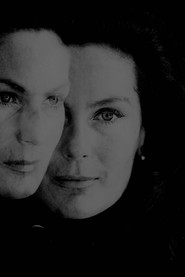
NRPortrait of women where they look at the images of their own faces and reflect on that experience.
Surely Bach Closed the Door When He Wanted to Work
1979
 NR
NRCrossing an old bridge in the Buenos Aires neighborhood of Barracas, the filmmakers come face to face. They walk towards each other, crossing paths until all that remains is the metal structure of the bridge.
The Bridge
1972
 NR
NRA portrait of experimental filmmaker Marie Louise Alemann in two alternating characters
Clime
1972
 6.0
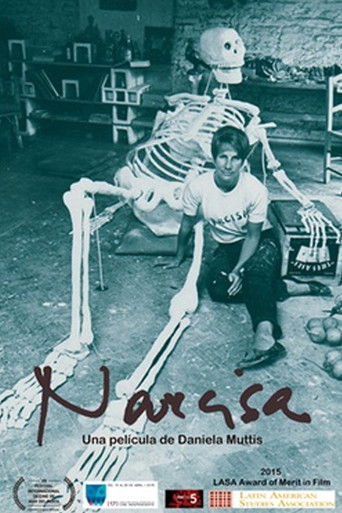
6.0This documentary is an approach to the experience of seeing and listening to the trajectory of Narcisa Hirsch, a pioneer of Argentine experimental cinema, but who has also been part of the happenings and performances of the 1960s and 1970s.
Narcisa
2014
 5.0
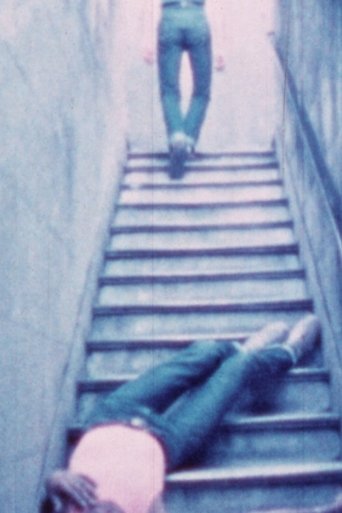
5.0Marie Louise Alemann, who died in February 2015, was an experimental filmmaker based in Buenos Aires. She worked on Super8 and developed a bold yet enigmatic style, frequently performing in her own films, and emphasising physical sensations and the primacy of the body. In the words of curator Federico Windhausen, her Umbrales ‘deserves to be seen as a major work of Latin American queer cinema’.
Thresholds
1980
 NR
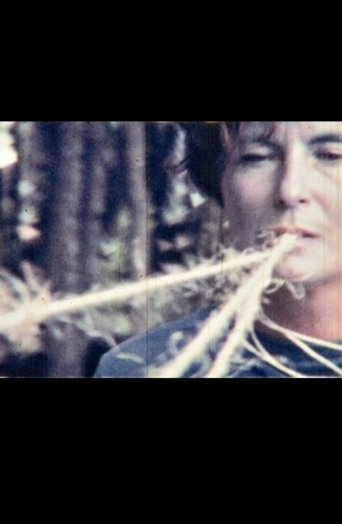
NRIn a forest, a woman is bound by rope and string to the trees. Gradually, she begins to remove the bindings.
Autobiográfico 2
1974
Film credits
2010s · 3 titles
6.0This documentary is an approach to the experience of seeing and listening to the trajectory of Narcisa Hirsch, a pioneer of Argentine experimental cinema, but who has also been part of the happenings and performances of the 1960s and 1970s.
Narcisa
2014
 1.0
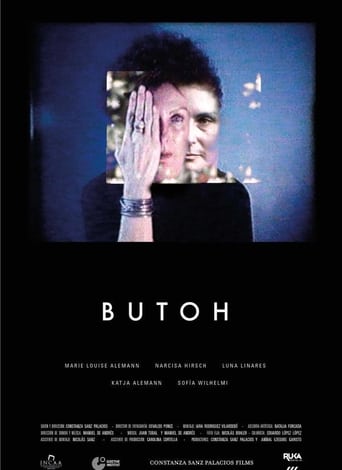
1.0No synopsis available yet.
Butoh
2013
The autobiographical films made by German-Argentine experimental artist Marie Louise Alemann explore performativity and layers of the self. Paulo Pécora's portrait of Alemann, recorded in 2013, pays her loving tribute. Alemann's figure gradually comes into view from amidst a sea of black-and-white Super 8 grains while her voice speaks gently about how cinema entered her life.
MLA
2017

1980s · 2 titles
1970s · 6 titles
NRPortrait of women where they look at the images of their own faces and reflect on that experience.
Surely Bach Closed the Door When He Wanted to Work
1979
NRCrossing an old bridge in the Buenos Aires neighborhood of Barracas, the filmmakers come face to face. They walk towards each other, crossing paths until all that remains is the metal structure of the bridge.
The Bridge
1972
NRA portrait of experimental filmmaker Marie Louise Alemann in two alternating characters
Clime
1972
NRIn a forest, a woman is bound by rope and string to the trees. Gradually, she begins to remove the bindings.
Autobiográfico 2
1974
An exercise in portraiture with a Super 8 camera, Juan José Mugni portrays filmmaker Marie Louise Alemann in a number of different shots.
Untitled
1975
 5.0
5.0A woman hides in the forest, attempting to become one with the landscape.
Sensation '77: Mimicry
1977
1960s · 1 titles
Behind the camera
5.0Marie Louise Alemann, who died in February 2015, was an experimental filmmaker based in Buenos Aires. She worked on Super8 and developed a bold yet enigmatic style, frequently performing in her own films, and emphasising physical sensations and the primacy of the body. In the words of curator Federico Windhausen, her Umbrales ‘deserves to be seen as a major work of Latin American queer cinema’.
Thresholds
1980
NRIn a forest, a woman is bound by rope and string to the trees. Gradually, she begins to remove the bindings.
Autobiográfico 2
1974
 NR
NRWearing a swimming cap and one-piece, with a bright white face, an alien-like woman circles the camera, snarling and contorting her jaw, using a rainstick as a shield.
Self-Defense
1980
Different feelings in several visual formulations.
Clasificando sensaciones
1974
 NR
NRNo synopsis available yet.
El retorno
1985
5.0A woman hides in the forest, attempting to become one with the landscape.
Sensation '77: Mimicry
1977
 NR
NRIn documentary fashion, drag queens are shown preparing for a performance, of which clips are also shown.
Vanessa
1974
No synopsis available yet.
Untitled
1975
 NR
NRNo synopsis available yet.
Yo veo conejos
1967
 NR
NRA group of people, blindfolded and fed distorted German dialogue through headphones, sit at a table and feel their way towards the food in the centre.
Table Scenes
1979