
Writing
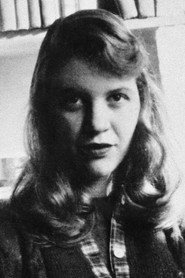
Sylvia Plath
Born — Died
1932-10-27 — 1963-02-11
Place of birth
Boston, Massachusetts, USA
Known for
Writing
Credits
10 titles
Sylvia Plath (October 27, 1932 – February 11, 1963) was an American poet and author. She is credited with advancing the genre of confessional poetry. She is best known for The Colossus and Other Poems (1960), Ariel (1965), and The Bell Jar (1963), a semi-autobiographical novel published one month before her suicide. The Collected Poems was published in 1981, which included previously unpublished works. For this collection, Plath was awarded a Pulitzer Prize for Poetry in 1982, making her the fourth person to receive this honour posthumously. Born in Jamaica Plain, Boston, Massachusetts, Plath graduated from Smith College in Northampton, Massachusetts and then the University of Cambridge in …
Known for
 NR
NRTwo years together by Le Nemesiache with the psychiatric patients of the former 'Frullone' hospital in Naples. This experience of music and dance had a profound impact on those who took part in it. This film is a testimony that indicates possible alternatives to the inhuman marginalization of the mental hospital institution. The director of the hospital Sergio Piro, operators and nurses from the 6th women's division and the Department for Youth Problems of Naples collaborated in the making of the film.
Follia come poesia
1979
 6.3
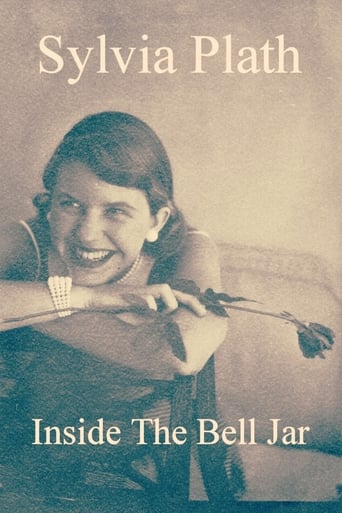
6.3The story of the making of The Bell Jar, the unique, semi-autobiographical novel written by American writer Sylvia Plath (1932-63), published in February 1963, shortly before her death.
Sylvia Plath: Inside The Bell Jar
2018
 NR
NRA journey into the BBC archives unearthing glorious performances and candid interviews from some of Britain's greatest poets.
Great Poets: In Their Own Words
2014
 6.0
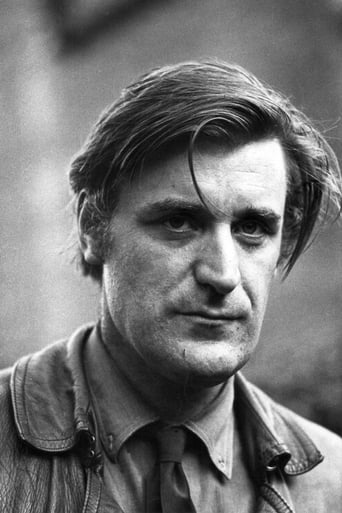
6.0Documentary exploring Ted Hughes, one of the greatest poets of the 20th century, focusing on how his life story influenced his work and vision.
Ted Hughes: Stronger Than Death
2015
 8.0
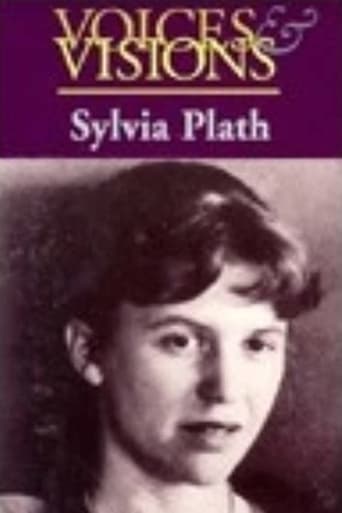
8.0In this documentary you will follow in considerable (and sometimes excruciatingly painful) detail Plath's life from her childhood in Massachusetts to her suicide, at age 30, in London in 1963. Included are the candid recollections of her mother, Aurelia Plath, and such aquaintances as Clarissa Roche and Dido Merwin. Providing perspectives on Plath's work are A. Alvarez, a critic, and Sandra M. Gilbert, a feminist scholar and herself a poet.
Voices & Visions: Sylvia Plath
1988
 7.0
7.0A cinematographic response to Sylvia Plath’s Lady Lazarus with Plath’s own readings of her poetry. A carousel of images in windows, an atmosphere of constant metamorphosis; her poetry as cinema. Audo outtakes of Plath reading from "Cut," "Daddy," "Lady Lazarus," "Ariel," "Ouija," as well as excerpts from a 1962 interview. Mixing images of Plath's obsessions (ouija boards, horses, violent self-harm) with photographs of the poet and her work, the film delves deeply into an existence that Plath herself, in a voice-over interview, calls "living on air."
Lady Lazarus
1992
Film credits
2010s · 5 titles
6.3The story of the making of The Bell Jar, the unique, semi-autobiographical novel written by American writer Sylvia Plath (1932-63), published in February 1963, shortly before her death.
Sylvia Plath: Inside The Bell Jar
2018
NRA journey into the BBC archives unearthing glorious performances and candid interviews from some of Britain's greatest poets.
Great Poets: In Their Own Words
2014
6.0Documentary exploring Ted Hughes, one of the greatest poets of the 20th century, focusing on how his life story influenced his work and vision.
Ted Hughes: Stronger Than Death
2015
 10.0
10.0The end of Autobiography.
Epilogue
2019
"The Lady in the Book" is Sylvia Plath, a major author of 20th-century American poetry and a feminist icon following her sudden death at the age of thirty. This film offers a glimpse into her world and work, through encounters with women who live today in the places where she grew up.
The Lady in the Book - Sylvia Plath, portraits
2016
Behind the camera
NRTwo years together by Le Nemesiache with the psychiatric patients of the former 'Frullone' hospital in Naples. This experience of music and dance had a profound impact on those who took part in it. This film is a testimony that indicates possible alternatives to the inhuman marginalization of the mental hospital institution. The director of the hospital Sergio Piro, operators and nurses from the 6th women's division and the Department for Youth Problems of Naples collaborated in the making of the film.
Follia come poesia
1979
 10.0
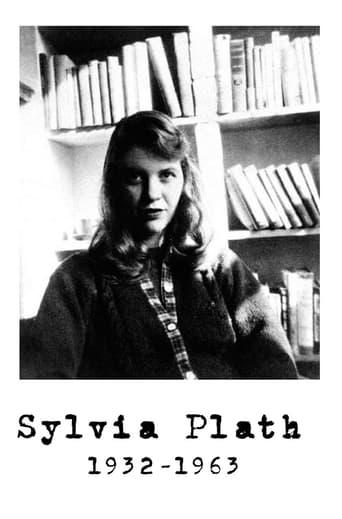
10.0Sylvia Plath Read 18 Poems From Her Final Collection, Ariel, in a 1962 Recording
Sylvia Plath reading poems from Ariel
1962