
Acting
János Kovács
Known for
Acting
Credits
13 titles
Known for
 10.0
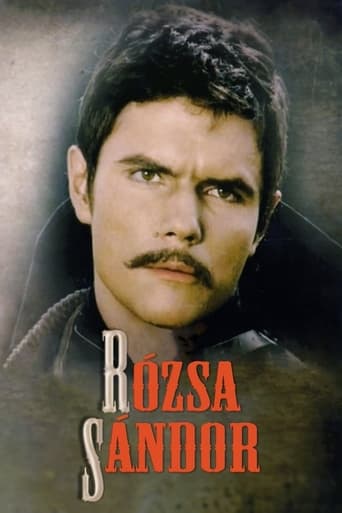
10.0The rise and fame of Sándor Rózsa, the infamous outlaw of 19th century Hungary.
Rózsa Sándor
1971
 6.7
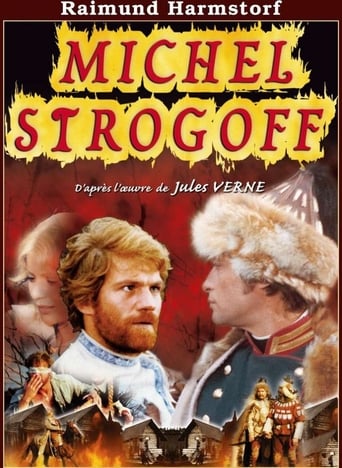
6.7Captain Michael Strogoff is chosen in Moscow to be the courier of the Tsar, 5,523 km far to Irkutsk, to warn the governor about the traitor Ivan Ogareff, a former colonel, who was once demoted and exiled and now seeks revenge.
Michael Strogoff
1975
 7.0
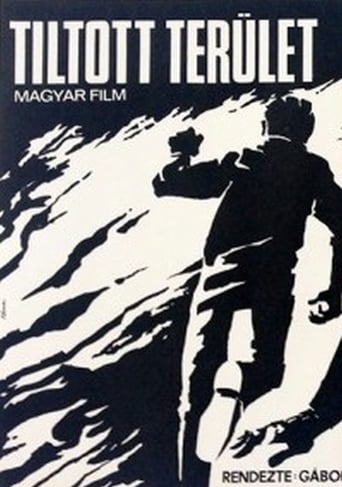
7.0The dramatically dense film takes place in workers' surrounding in the sixties. It raises the newspaper article serving as the basis for the short story to be a model: in a plastic factory fire breaks out causing enormous damages.
Forbidden Ground
1968
 4.9
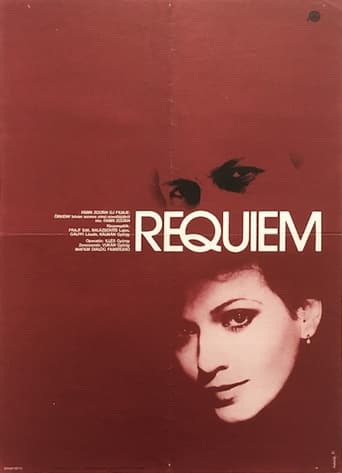
4.9A woman learns that one of her doctor husband's patients used to be the cellmate of her first husband, who died in prison years before.
Requiem
1982
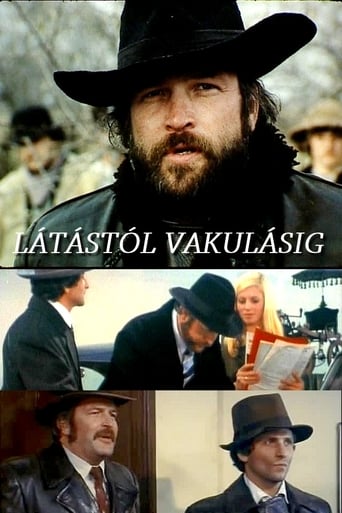 6.0
6.0Those who don't work have to think very hard to make ends meet. Can one be called an artist of life who sells the Blood Field to Bulgarian gardeners in post-war Budapest? The need is great, sometimes greater than the power of the law, as long as an army of gullible people roam the streets.
Látástól vakulásig
1980
 NR
NRAn oil driller falls for the lonely farm wife of a man working in Budapest.
Rumbling Silence
1978
Film credits
1980s · 5 titles
4.9A woman learns that one of her doctor husband's patients used to be the cellmate of her first husband, who died in prison years before.
Requiem
1982
6.0Those who don't work have to think very hard to make ends meet. Can one be called an artist of life who sells the Blood Field to Bulgarian gardeners in post-war Budapest? The need is great, sometimes greater than the power of the law, as long as an army of gullible people roam the streets.
Látástól vakulásig
1980
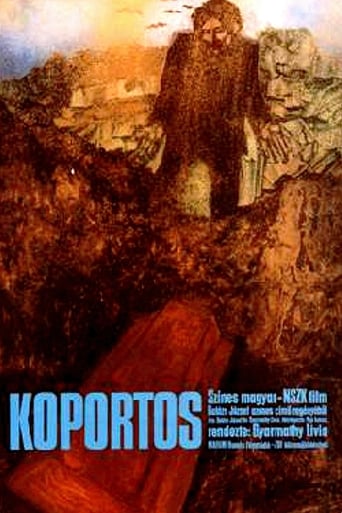 6.5
6.5A Roma laborer living in a shantytown strives to organize a traditional, dignified funeral for his wife following her sudden death. He travels to the city to secure the necessary funds and arrangements, navigating various bureaucratic and social obstacles along the way.
Koportos
1980
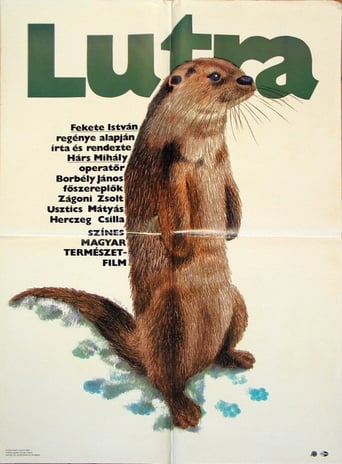 7.0
7.0Miklós, a professional hunter, is teased by his friends and local fishermen. The cunning otter Lutra keeps slipping out of his hands. One morning he vows not to marry until he finally gets the giant water mammal in front of his rifle.
Lutra
1986
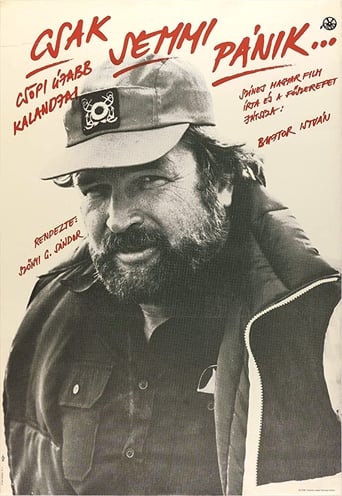 6.7
6.7There are mysterious murders in the area of Lake Balaton. These places are shrouded in secrecy and constantly attract hunters: during the Second World War, the Germans had hidden a huge treasure here. Investigation of the murders entrusted to Major Kardos. He takes up the case, but in search of treasure he had many competitors. Kardos uses help from his loyal friend - a policeman-superman Etvash aka "Droplet".
Do not Panic, Major Kardos
1982
1970s · 4 titles
NRAn oil driller falls for the lonely farm wife of a man working in Budapest.
Rumbling Silence
1978
 8.0
8.0This film describes the narrator's childhood, the years before and after the Hungarian Soviet Republic, in a burlesque and fabulous style and with the humour of a child's fantasy.
There Was Once a Family
1972
 6.2
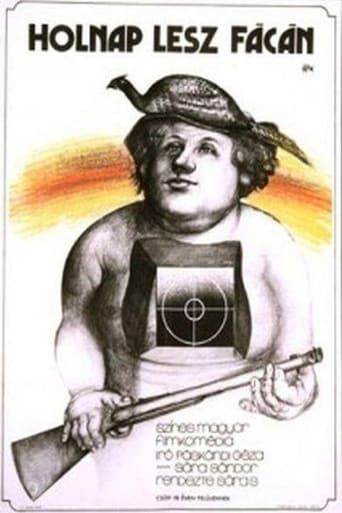
6.2The loving couple of this grotesque parable parody of the Kádár-regime, Mária and István row to an uninhabited, idyllic island. Soon crazy tent-pitchers swarm to the island, led by an official representative of the regime.
Pheasant Tomorrow
1974
 6.6
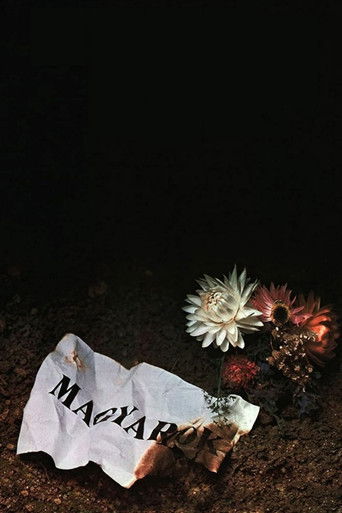
6.6A group of landless Hungarian peasants accept work as migrant-labourers on a northern German farm where the wages are good, and the wives and family are allowed to accompany them. Though in the midst of WWII, they are relatively well-off. However, as they witness the treatment accorded to POWs and others not so gently regarded, and at the conclusion of the year's harvest, they choose to return to Hungary and are quickly swept up in the tides of war.
Hungarians
1978
Series credits
10.0The rise and fame of Sándor Rózsa, the infamous outlaw of 19th century Hungary.
Rózsa Sándor
1971
6.7Captain Michael Strogoff is chosen in Moscow to be the courier of the Tsar, 5,523 km far to Irkutsk, to warn the governor about the traitor Ivan Ogareff, a former colonel, who was once demoted and exiled and now seeks revenge.
Michael Strogoff
1975