
Editing
Kenneth George Godwin
Born
1954-10-30 (71)
Place of birth
White Roding, Essex, England, United Kingdom
Known for
Editing
Credits
5 titles
Known for
 4.0
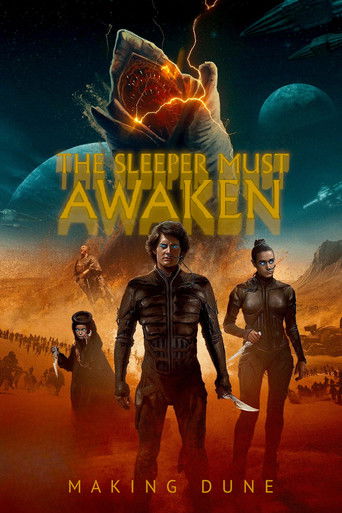
4.0A brand new feature-length documentary by Ballyhoo Motion Pictures exploring the making of the film, featuring dozens of new and archive interviews with cast and crew.
The Sleeper Must Awaken: Making Dune
2021
This documentary is the story of two Mennonite brothers from Manitoba who were forced to make a decision in 1939, as Canada joined World War II. In the face of 400 years of pacifist tradition, should they now go to war? Ted became a conscientious objector while his brother went into military service. Fifty years later, the town of Winkler dedicates its first war memorial and John begins to share his war experiences with Ted.
The Pacifist Who Went to War
2002
 7.0
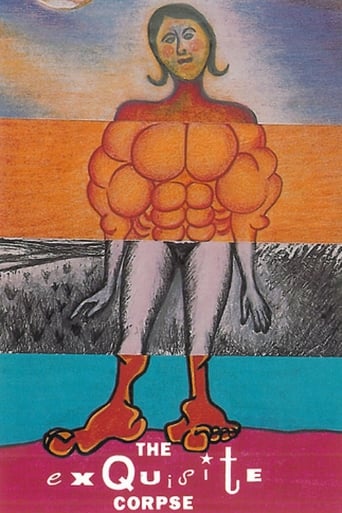
7.0The Exquisite Corpse is an exciting and unique collaborative film project, involving a group of eleven filmmakers contributing different segments in one movie. The linkage of the individual segments was achieved by applying an old game used by Surrealist artists in the 1920's to explore the collective imagination. That game, called "Exquisite Corpse", was first applied in literary form by a group of poets each supplying one line of the total poem. In drawing, a group of artists would take turns drawing one part of a human figure, without seeing what the others had contributed.
The Exquisite Corpse
1992
Winnipeg, like most North American cities, has been shaped by the automobile. City planners designed the urban environment around the idea of mobility, and the social and work life of the population followed. The car became a necessity rather than a luxury; our environment demanded that we drive. So what does it mean, living in a car-based society, to make a conscious choice not to drive? In this new film, a number of Winnipeggers speak of this choice and the effect it has had on their lives. From mothers with young children to social activists, from artists to human rights workers, they share their reasons for choosing not to drive and the practical consequences in terms of work and social relationships.
CarFree: Stories from the Non-Driving Life
2015
Film credits
Behind the camera
This documentary is the story of two Mennonite brothers from Manitoba who were forced to make a decision in 1939, as Canada joined World War II. In the face of 400 years of pacifist tradition, should they now go to war? Ted became a conscientious objector while his brother went into military service. Fifty years later, the town of Winkler dedicates its first war memorial and John begins to share his war experiences with Ted.
The Pacifist Who Went to War
2002
7.0The Exquisite Corpse is an exciting and unique collaborative film project, involving a group of eleven filmmakers contributing different segments in one movie. The linkage of the individual segments was achieved by applying an old game used by Surrealist artists in the 1920's to explore the collective imagination. That game, called "Exquisite Corpse", was first applied in literary form by a group of poets each supplying one line of the total poem. In drawing, a group of artists would take turns drawing one part of a human figure, without seeing what the others had contributed.
The Exquisite Corpse
1992
Winnipeg, like most North American cities, has been shaped by the automobile. City planners designed the urban environment around the idea of mobility, and the social and work life of the population followed. The car became a necessity rather than a luxury; our environment demanded that we drive. So what does it mean, living in a car-based society, to make a conscious choice not to drive? In this new film, a number of Winnipeggers speak of this choice and the effect it has had on their lives. From mothers with young children to social activists, from artists to human rights workers, they share their reasons for choosing not to drive and the practical consequences in terms of work and social relationships.
CarFree: Stories from the Non-Driving Life
2015
Winnipeg, like most North American cities, has been shaped by the automobile. City planners designed the urban environment around the idea of mobility, and the social and work life of the population followed. The car became a necessity rather than a luxury; our environment demanded that we drive. So what does it mean, living in a car-based society, to make a conscious choice not to drive? In this new film, a number of Winnipeggers speak of this choice and the effect it has had on their lives. From mothers with young children to social activists, from artists to human rights workers, they share their reasons for choosing not to drive and the practical consequences in terms of work and social relationships.
CarFree: Stories from the Non-Driving Life
2015