
Directing
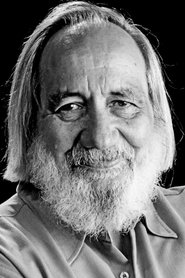
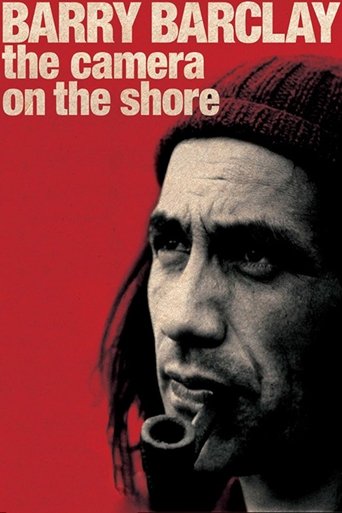
Barry Barclay
Born — Died
1944-05-12 — 2008-02-19
Place of birth
Masterton, New Zealand
Known for
Directing
Credits
17 titles
Barry Barclay was a New Zealand filmmaker and writer of Māori and European descent.
Known for
 8.0
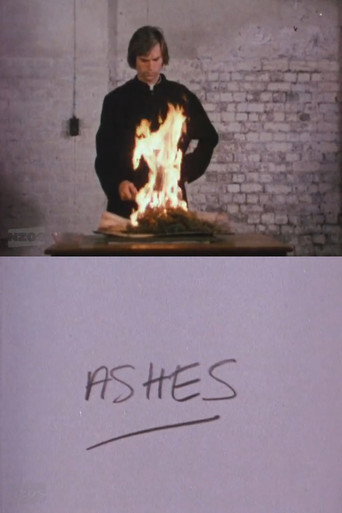
8.0Conversations with four people — an artist, a woman struggling with her identity as a high achiever, an actor, and a priest — exploring their inner worlds, their self-image and how they feel they fit into society. Are all of them acting, or only Sam Neill? The film features readings from Ash Wednesday, the poem written by TS Eliot after converting to anglicanism.
Ashes
1975
A hundred years after the theft from New Zealand of three irreplaceable tribal carvings, two members of a Māori tribe decide it's time for ancient grievances to be put right. Variously praised as a major step forward in indigenous cinema, attacked for overambition, and little screened, Te Rua marked Barry Barclay’s impassioned follow-up to his acclaimed debut feature Ngāti.
Te Rua
1991
 NR
NRDocumentary Hautoa Mā! The Rise of Māori Cinema reveals the remarkable impact Māori have made on New Zealand cinema.
Hautoa Mā! The Rise of Māori Cinema
2016
 6.8
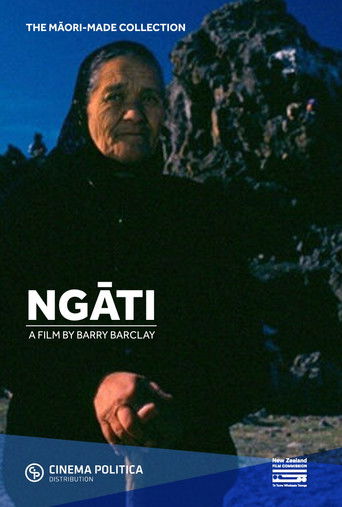
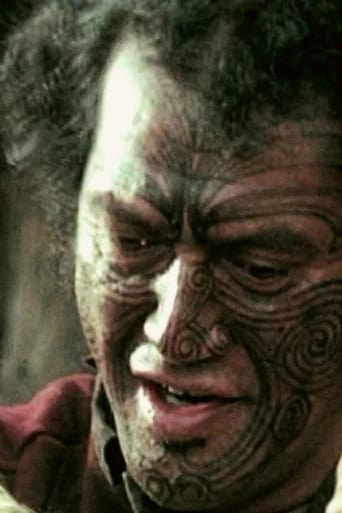
6.8Set in and around the fictional town of Kapua in 1948, Ngāti is the story of a Māori community. The film comprises three narrative threads: a boy, Ropata, is dying of leukaemia; the return of a young Australian doctor, Greg, and his discovery that he has Māori heritage; and the fight to keep the local freezing works open.
Ngāti
1987
 NR
NRIn a Maori settlement, Ngati Toa leader Te Rauparaha composes the famous chant "Ka Mate", also known as the haka, after evading enemy capture by hiding in a kumara pit.
Ka Mate! Ka Mate!
1987
Indigenous farmers in Peru, Nicaragua, Italy, France, Australia and New Zealand share their intimacy with the land and the seeds they have nurtured for generations; global corporations attempt to 'own' the intellectual property of seeds.
The Neglected Miracle
1985
Film credits
Behind the camera
8.0Conversations with four people — an artist, a woman struggling with her identity as a high achiever, an actor, and a priest — exploring their inner worlds, their self-image and how they feel they fit into society. Are all of them acting, or only Sam Neill? The film features readings from Ash Wednesday, the poem written by TS Eliot after converting to anglicanism.
Ashes
1975
8.0Conversations with four people — an artist, a woman struggling with her identity as a high achiever, an actor, and a priest — exploring their inner worlds, their self-image and how they feel they fit into society. Are all of them acting, or only Sam Neill? The film features readings from Ash Wednesday, the poem written by TS Eliot after converting to anglicanism.
Ashes
1975
A hundred years after the theft from New Zealand of three irreplaceable tribal carvings, two members of a Māori tribe decide it's time for ancient grievances to be put right. Variously praised as a major step forward in indigenous cinema, attacked for overambition, and little screened, Te Rua marked Barry Barclay’s impassioned follow-up to his acclaimed debut feature Ngāti.
Te Rua
1991
A hundred years after the theft from New Zealand of three irreplaceable tribal carvings, two members of a Māori tribe decide it's time for ancient grievances to be put right. Variously praised as a major step forward in indigenous cinema, attacked for overambition, and little screened, Te Rua marked Barry Barclay’s impassioned follow-up to his acclaimed debut feature Ngāti.
Te Rua
1991
6.8Set in and around the fictional town of Kapua in 1948, Ngāti is the story of a Māori community. The film comprises three narrative threads: a boy, Ropata, is dying of leukaemia; the return of a young Australian doctor, Greg, and his discovery that he has Māori heritage; and the fight to keep the local freezing works open.
Ngāti
1987
NRIn a Maori settlement, Ngati Toa leader Te Rauparaha composes the famous chant "Ka Mate", also known as the haka, after evading enemy capture by hiding in a kumara pit.
Ka Mate! Ka Mate!
1987
Indigenous farmers in Peru, Nicaragua, Italy, France, Australia and New Zealand share their intimacy with the land and the seeds they have nurtured for generations; global corporations attempt to 'own' the intellectual property of seeds.
The Neglected Miracle
1985
Indigenous farmers in Peru, Nicaragua, Italy, France, Australia and New Zealand share their intimacy with the land and the seeds they have nurtured for generations; global corporations attempt to 'own' the intellectual property of seeds.
The Neglected Miracle
1985
 9.0
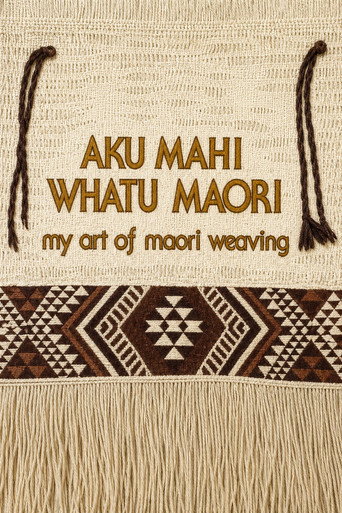
9.0The traditional materials and methods used in Māori weaving. Rangimarie Hetet and her daughter, Rangituatahi Te Kanawa, of Ngāti Maniapoto, talk to Tilly Reedy and demonstrate their skills as they gather and prepare harakeke for work on piupiu korowai and tāniko border. Other women are instructed in the weaver's craft. Rangimarie and Rangituatahi discuss the innovations and changes which have influenced their art.
My Art of Maori Weaving
—
 7.0
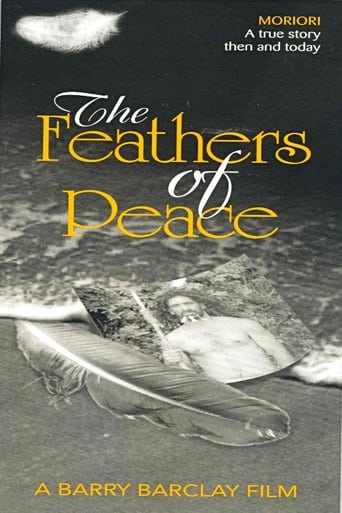
7.0This remarkable film traces the final impact which both races had on the indigenous Moriori of the Chatham Islands. Moriori were a peaceful people who vowed never to take up arms against another human being. They were capable of defeating the invaders, but chose not to. Drawing inspiration from Michael King's seminal book Moriori, The Feathers of Peace brings the truth about what happened on the Chathams to an even wider audience. To do that, the film uses modern television news techniques and dramatized documentary.
The Feathers of Peace
2000
7.0This remarkable film traces the final impact which both races had on the indigenous Moriori of the Chatham Islands. Moriori were a peaceful people who vowed never to take up arms against another human being. They were capable of defeating the invaders, but chose not to. Drawing inspiration from Michael King's seminal book Moriori, The Feathers of Peace brings the truth about what happened on the Chathams to an even wider audience. To do that, the film uses modern television news techniques and dramatized documentary.
The Feathers of Peace
2000
 NR
NRA documentary about the threat posed to New Zealand's Kaipara Harbour by rapacious commercial fishing and development.
The Kaipara Affair
2005
NRA documentary about the threat posed to New Zealand's Kaipara Harbour by rapacious commercial fishing and development.
The Kaipara Affair
2005
 9.0
9.0Actor Martyn Sanderson returns in 1977 to the Hokianga of his youth and visits his elderly and romantic aunt, Olive Bracey. Her reminiscences of pioneer life mesh with nostalgic songs and readings from her fiction.
Autumn Fires
1977
9.0Actor Martyn Sanderson returns in 1977 to the Hokianga of his youth and visits his elderly and romantic aunt, Olive Bracey. Her reminiscences of pioneer life mesh with nostalgic songs and readings from her fiction.
Autumn Fires
1977