
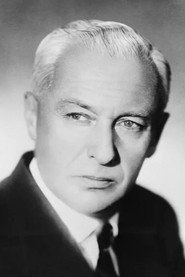
Directing
Roman Karmen
Born — Died
1906-11-29 — 1979-04-29
Place of birth
Odessa, Russian Empire
Known for
Directing
Credits
39 titles
Roman Karmen (1906–1978) was a pioneering Soviet film director, war cinematographer, documentary filmmaker, journalist, screenwriter, pedagogue, and publicist. Born Efraim Leyzorovich Korenman, Karmen became one of the most prominent figures in Soviet cinema, known for his exceptional contributions to war documentation and his ability to capture history in the making. He began his career as a journalist before transitioning to filmmaking, where his early work focused on documenting revolutionary events and political developments. Karmen's most notable contributions were as a war cinematographer during the Spanish Civil War and World War II, where he filmed key moments from the frontlines, in…
Known for
 6.0
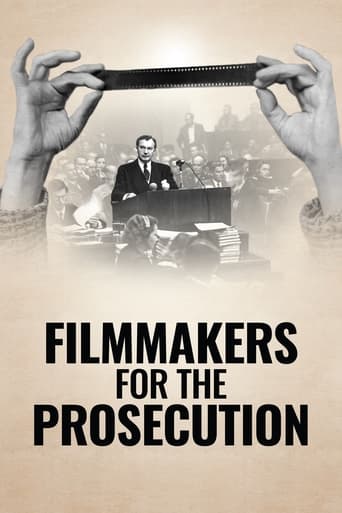
6.0In 1945, two young American soldiers, brothers Budd and Stuart Schulberg, are commissioned to collect filmed and recorded evidence of the horrors committed by the infamous Third Reich in order to prove Nazi war crimes during the Nuremberg trials (1945-46). The story of the making of Nuremberg: Its Lesson for Today, a paramount historic documentary, released in 1948.
Filmmakers for the Prosecution
2023
No synopsis available yet.
Roman Karmen - Un cinéaste au service de la révolution
2002
 3.0
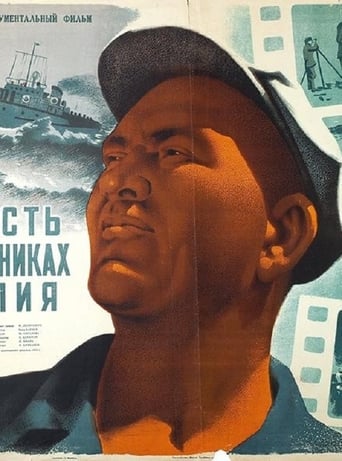
3.0A story of the exploits carried out by the oil technicians of Baku for the exploitation of the black gold deposit of the Caspian Sea.
The Caspian Story
1953
 5.9
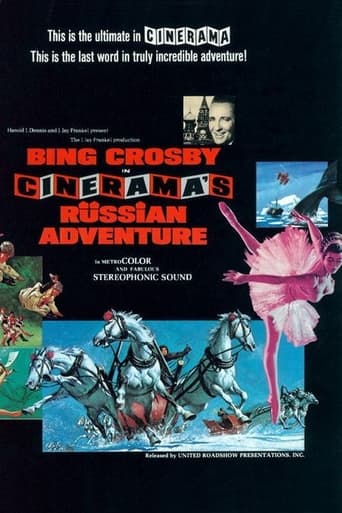
5.9Following an introduction by Bing Crosby, the Cinerama screen widens for scenes of landscapes, cities, peoples, and entertainments of the Soviet Union. Highlights include the historic buildings and churches of Moscow, as the Kremlin; its subway and streets, a spring carnival, the seaside resorts on the Black Sea, a trip down the Volga River, skiers, a troika racing along a snow-covered road, a helicopter view of the North Pole, an Antarctic whale hunt, the capture of a wild boar in the Moyun-Kum of Central Asia, a race by reindeer-drawn sleds, divers in the Sea of Okhotsk, battling an octopus, the capture of antelopes, rafting logs down the Tisza River, and the development of new towns in Siberia. Other scenes include a visit to the Moscow Circus, where the renowned clown Oleg Popov performs, the dancing of the Moiseyev and Piatnitsky companies, and excerpts from the repertoire of the Bolshoi Theater Ballet.
Cinerama's Russian Adventure
1966
 9.0
9.0No synopsis available yet.
Our Cinema
1940
 NR
NR“The Magic Beam” is a film essay woven together from newsreels and documentary material from different decades, fragments of hundreds of non-fiction and fiction Soviet films of the 1910s-1960s.
The Magic Beam
1963
Film credits
2000s · 2 titles
No synopsis available yet.
Roman Karmen - Un cinéaste au service de la révolution
2002
 NR
NRThe film is dedicated to the 100th anniversary of the birth of Roman Carmen. The authors tracked down his former students, whom he brought to the documentary. Almost half a century ago, they, then still children, first crossed the threshold of the VGIK when they passed the exams.
With Roman Karmen. Travel in the Youth
2006
1970s · 1 titles
1960s · 1 titles
1940s · 1 titles
Behind the camera
3.0A story of the exploits carried out by the oil technicians of Baku for the exploitation of the black gold deposit of the Caspian Sea.
The Caspian Story
1953
3.0A story of the exploits carried out by the oil technicians of Baku for the exploitation of the black gold deposit of the Caspian Sea.
The Caspian Story
1953
5.9Following an introduction by Bing Crosby, the Cinerama screen widens for scenes of landscapes, cities, peoples, and entertainments of the Soviet Union. Highlights include the historic buildings and churches of Moscow, as the Kremlin; its subway and streets, a spring carnival, the seaside resorts on the Black Sea, a trip down the Volga River, skiers, a troika racing along a snow-covered road, a helicopter view of the North Pole, an Antarctic whale hunt, the capture of a wild boar in the Moyun-Kum of Central Asia, a race by reindeer-drawn sleds, divers in the Sea of Okhotsk, battling an octopus, the capture of antelopes, rafting logs down the Tisza River, and the development of new towns in Siberia. Other scenes include a visit to the Moscow Circus, where the renowned clown Oleg Popov performs, the dancing of the Moiseyev and Piatnitsky companies, and excerpts from the repertoire of the Bolshoi Theater Ballet.
Cinerama's Russian Adventure
1966
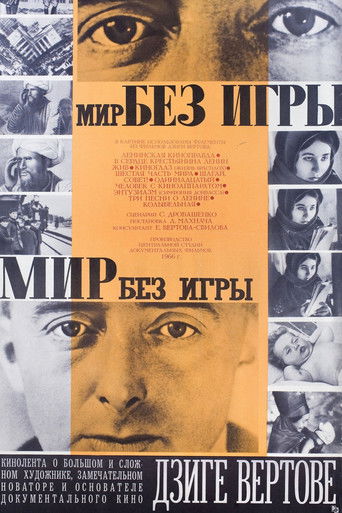
NR“The Magic Beam” is a film essay woven together from newsreels and documentary material from different decades, fragments of hundreds of non-fiction and fiction Soviet films of the 1910s-1960s.
The Magic Beam
1963
NR“The Magic Beam” is a film essay woven together from newsreels and documentary material from different decades, fragments of hundreds of non-fiction and fiction Soviet films of the 1910s-1960s.
The Magic Beam
1963
 5.7
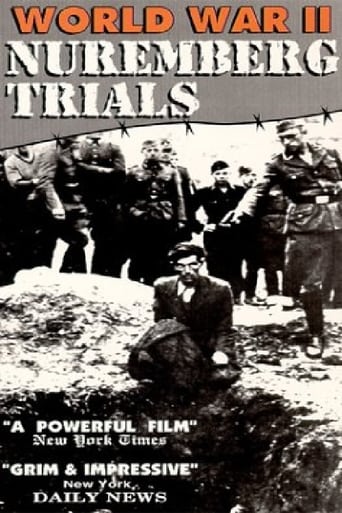
5.7This riveting Russian documentary takes you inside the trials of the notorious German war criminals, brought to trial to account for their actions. The footage includes excerpts from the trials of many of the senior Nazis including Goebels and Goring.
Nuremberg Trials
1946
 8.0
8.0Frustration of the German attempt to capture Leningrad, 1941, the besieging of the city.
Leningrad in Struggle
1943
 NR
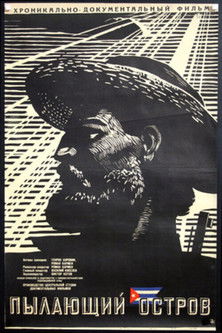
NRDocumentary recounting the story of the Cuban Revolution and its impact on the young people of Cuba.
Island Ablazed
1961
NRDocumentary recounting the story of the Cuban Revolution and its impact on the young people of Cuba.
Island Ablazed
1961
No synopsis available yet.
K Sobytijam v Ispanii
1936
 10.0
10.0No synopsis available yet.
Sea Conquerors
1959
10.0No synopsis available yet.
Sea Conquerors
1959
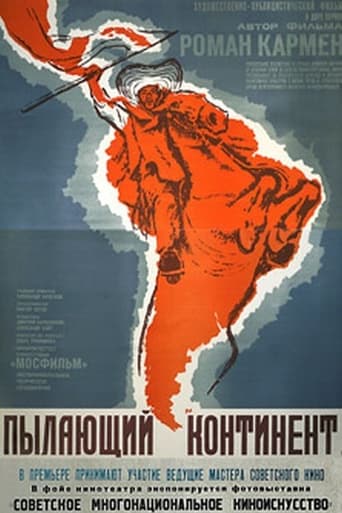 NR
NRRoman Karmen's documentary on the political turmoil of 1970s Latin America.
Blazing Continent
1972
NRRoman Karmen's documentary on the political turmoil of 1970s Latin America.
Blazing Continent
1972
 5.5
5.5On August 24th of 1940 a group of cameramen cross the immense territory of the Soviet Union before it was attacked by Nazi Germany, and capture multiple aspects of life in this new world.
One Day in Soviet Russia
1941
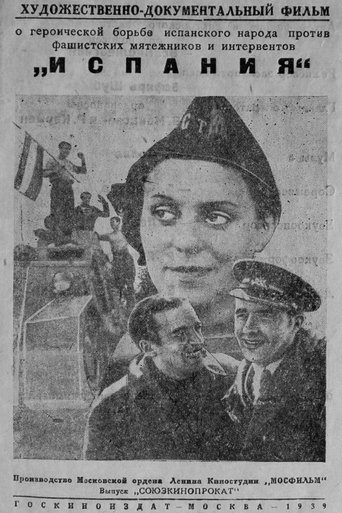 7.0
7.0A feature-length documentary based on film reports from the Spanish civil war.
Spain
1939
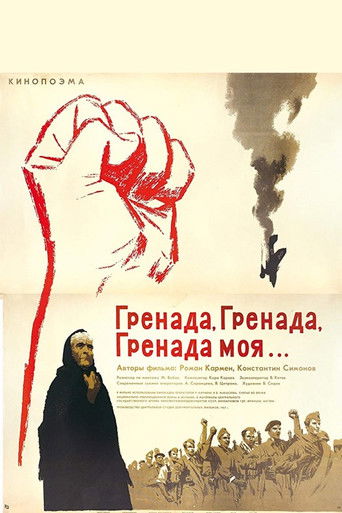 9.0
9.0The Spanish Civil War—newsreels filmed by Roman Karmen in 1937–38—was a defining experience: faces at war, privately witnessed trembling moments, the concrete reality of suffering, and indescribable anguish. Those images form the basis of the film, but the work also includes new footage and a diary of Karmen’s journey back to the old locations, accompanied by another great war reporter, the writer Konstantin Simonov.
Grenada, Grenada, My Grenada
1975
No synopsis available yet.
Moskva–Karakum–Moskva
1933
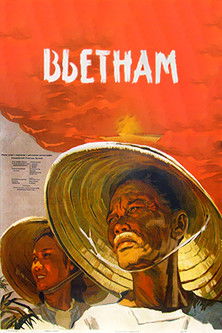 NR
NRStory of the First Indochina War (1946-1954) in which Soviet Union has actively supported Vietnamese side.
Vietnam
1955
NRStory of the First Indochina War (1946-1954) in which Soviet Union has actively supported Vietnamese side.
Vietnam
1955
First feature motion picture photographed in Kinopanorama, the Soviet equivalent of Cinerama.
Great Is My Country
1958
First feature motion picture photographed in Kinopanorama, the Soviet equivalent of Cinerama.
Great Is My Country
1958
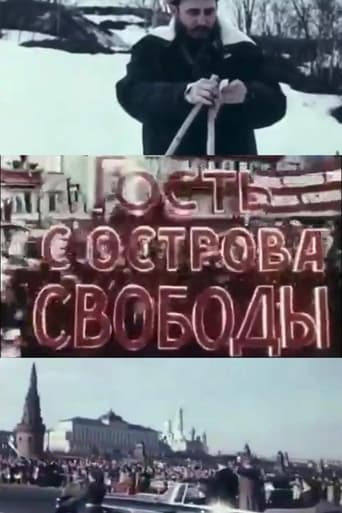 NR
NRA documentary about Fidel Castro's visit to the USSR from April 28 to June 3, 1963 and how the Cuban leader traveled throughout the Soviet Union for 40 days, from Severodvinsk to Khiva in Uzbekistan.
Guest from the Island of Freedom
1963
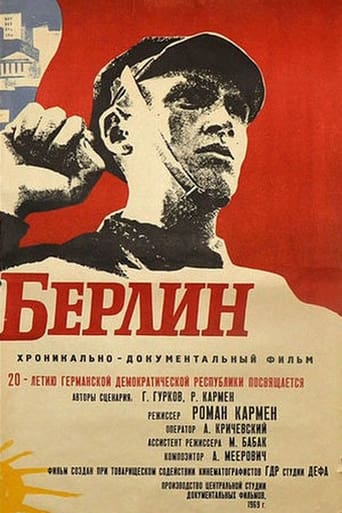 NR
NRDocumentary about East Berlin, commemorating 20th anniversary of German Democratic Republic formation.
Comrade Berlin
1969
NRDocumentary about East Berlin, commemorating 20th anniversary of German Democratic Republic formation.
Comrade Berlin
1969
 NR
NRA Soviet documentary by Roman Karmen and Mikhail Slutsky, assembled from 1938–41 footage in Yan’an and at the front, chronicling China’s anti-Japanese resistance—from Eighth Route Army actions to civilian mobilization and daily life in the base areas.
China Is Fighting
1941
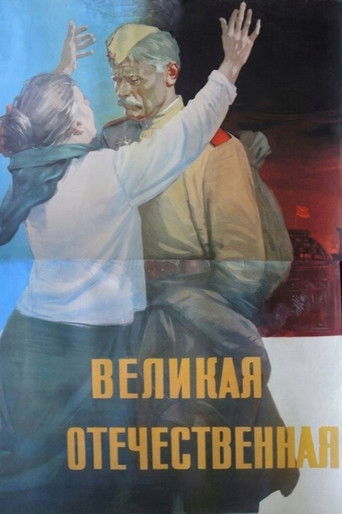 9.0
9.0This communist history film recalls the heroism of Soviet soldiers fighting the Nazis in World War II. Forty of the 236 cameramen used for the feature were killed during their mission filming the Red Army.
The Great Patriotic War
1965
9.0This communist history film recalls the heroism of Soviet soldiers fighting the Nazis in World War II. Forty of the 236 cameramen used for the feature were killed during their mission filming the Red Army.
The Great Patriotic War
1965
No synopsis available yet.
Албания
1946
Made by the highly influential Russian cameraman Roman Karmen, this documentary vividly features Albanian life immediately after the communists came to power in 1944. The film is especially memorable since it’s missing much of the heavy socialist realism that marked Albanian doc making. Shortly after he completed the film, Karmen set off for Berlin to shoot the Soviet victory over Nazi Germany.
Albania
1945
No synopsis available yet.
Death of the Commissary
1966
No synopsis available yet.
Двадцать пятый сентябрь
1969