

Acting
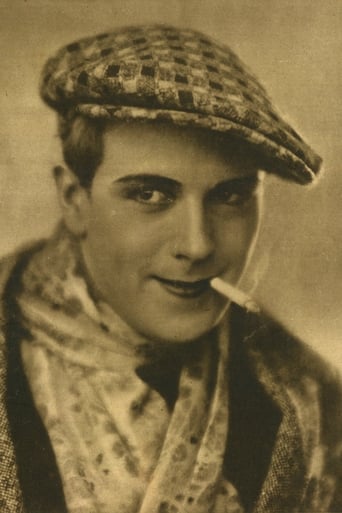
Jaque Catelain
Born — Died
1897-02-09 — 1965-03-05
Place of birth
Saint-Germain-en-Laye, Yvelines, France
Known for
Acting
Credits
45 titles
Jaque Catelain was a French actor who came to prominence in silent films of the 1920s, and who continued acting in films and on stage until the 1950s. He also wrote and directed two silent films himself and was a capable artist and musician. He had a close association with the director Marcel L'Herbier. He was born as Jacques Guérin-Castelain in Saint-Germain-en-Laye. His father was then the mayor and also moved in literary and theatrical circles, which allowed the young Jacques to encounter many famous names in his childhood. He showed early enthusiasm for the arts and music, and at the age of 16 he entered the Académie Julian in Paris to study fine arts. With the outbreak of war in the f…
Known for
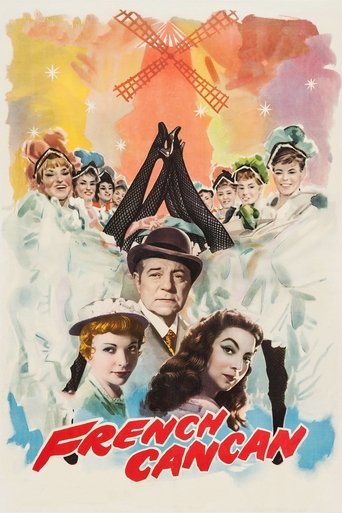 7.2
7.2Nineteenth-century Paris comes vibrantly alive in Jean Renoir’s exhilarating tale of the opening of the world-renowned Moulin Rouge. Jean Gabin plays the wily impresario Danglard, who makes the cancan all the rage while juggling the love of two beautiful women—an Egyptian belly-dancer and a naive working girl turned cancan star.
French Cancan
1955
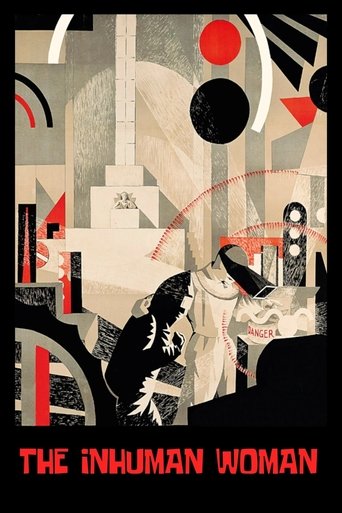 6.9
6.9A famous singer Claire Lescot, who lives on the outskirts of Paris, is courted by many men, including a maharajah, Djorah de Nopur, and a young Swedish scientist, Einar Norsen. At her lavish parties she enjoys their amorous attentions but she remains emotionally aloof and heartlessly taunts them. When she is told that Norsen has killed himself because of her, she shows no feelings. At her next concert she is booed by an audience outraged at her coldness and she decides to visit the vault in which Norsen's body lies.
The Inhuman Woman
1924
 6.7
6.7Dr. Cordelier, living in a suburb of Paris, withdraws from society to pursue research into the functioning of the human brain. His lifelong friend, Maître Joly, becomes concerned when Cordelier draws up a will that bequeaths his entire estate to a stranger, Monsieur Opale; he cannot understand why Cordelier defends him, considering Opale attacks women and children. After a colleague is killed, Joly confronts Cordelier and discovers the truth behind his friend's behavior.
Experiment in Evil
1960
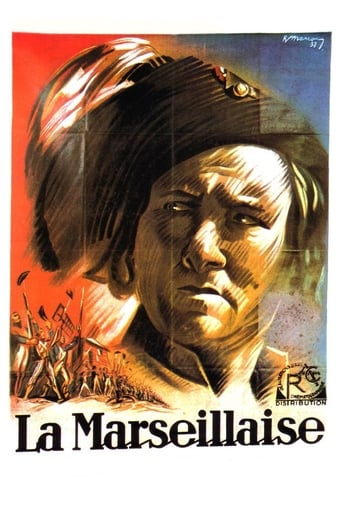 6.8
6.8The early days of the French Revolution, as seen through the eyes of the ordinary citizens in Marseille and the royal court, including King Louis XVI and Marie Antoinette.
La Marseillaise
1938
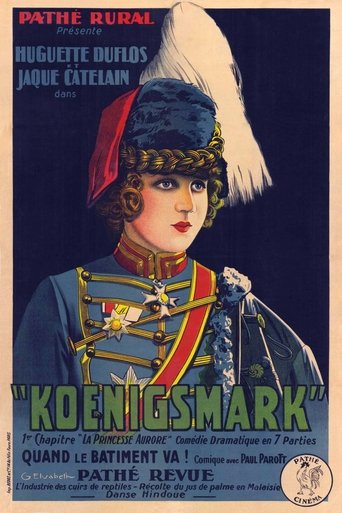 8.0
8.0To fulfill her Father's wish, Grand Duchess Aurora (Huguette Duflos) is forced into an unhappy marriage with Grand Duke Rudolph (Henry Houry). He prepares to leave for the Congo but is murdered by his own brother (Georges Vaultier). Aurora goes to Paris with her father and, there, is told on the phone of her husband's death. After returning to the Kingdom, she meets a tutor (Jaque Catelain) who falls in love with her..
The Secret Spring
1923
 5.3
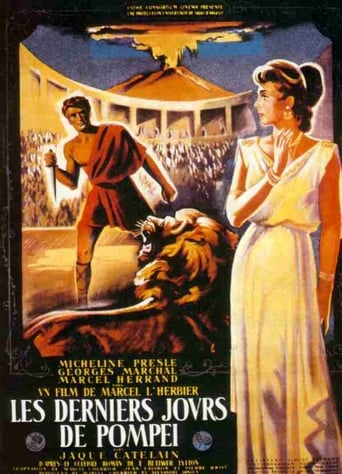
5.3In Pompeii in the year 79, Lycias and Helen fall in love. Helen's guardian, the high priest of Isis, wants to separate them. To do so, he tries to make Lycias drink a love potion, but a young slave threatens to reveal everything. The high priest, unable to silence her, kills her and arranges to have Lycias accused...
The Last Days of Pompeii
1950
Film credits
1950s · 4 titles
7.2Nineteenth-century Paris comes vibrantly alive in Jean Renoir’s exhilarating tale of the opening of the world-renowned Moulin Rouge. Jean Gabin plays the wily impresario Danglard, who makes the cancan all the rage while juggling the love of two beautiful women—an Egyptian belly-dancer and a naive working girl turned cancan star.
French Cancan
1955
5.3In Pompeii in the year 79, Lycias and Helen fall in love. Helen's guardian, the high priest of Isis, wants to separate them. To do so, he tries to make Lycias drink a love potion, but a young slave threatens to reveal everything. The high priest, unable to silence her, kills her and arranges to have Lycias accused...
The Last Days of Pompeii
1950
 8.0
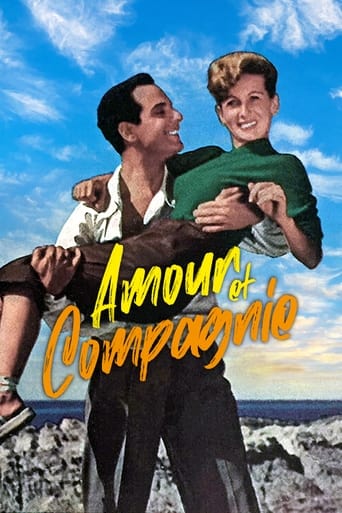
8.0The accountant of an insurance company, rather eccentric and quick to push the song, is responsible for monitoring the actions of an alluring South American whose suicide would mean the collapse of the company. Finally, the accountant discovers an attempted insurance scam and marries the surly and charming interpreter who was the liaison between the South American and himself.
Love and Companionship
1950
No synopsis available yet.
Les mousquetaires du roi
1951
1940s · 3 titles
 7.0
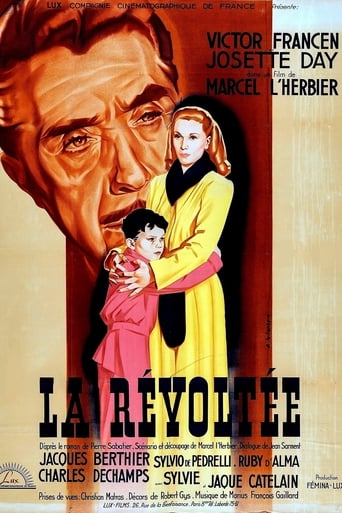
7.0The ordeal of Françoise who, deceived by her husband, sees her dying child. After a few events in the backdrop of a festival, the husband returns, she pushes him away, driving him to suicide. Another man she thinks she loves is already married.
Stolen Affections
1948
 7.0
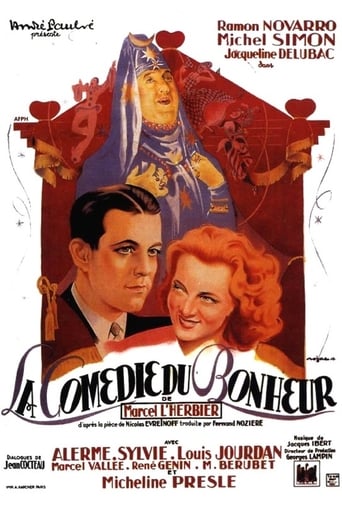
7.0Monsieur Jourdain is a dangerous madman : he wants to share his fortune! His relatives do what any sensible fellow on earth would do: they have him committed to a mental hospital. But Jourdain manages to escape and decides to make everybody happy except... his heirs!
Comedy of Happiness
1940
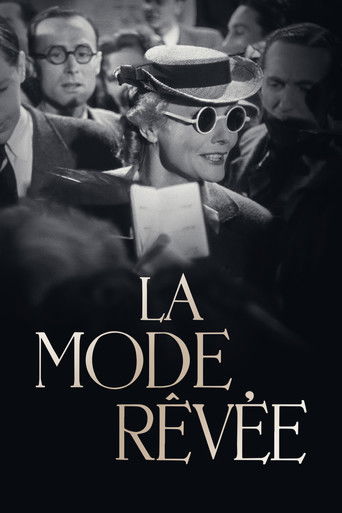 8.0
8.0An American star, visiting Paris, falls asleep in the Louvre while a guide comments on Watteau's "Voyage à Cythère". She dreams that the painting's characters, beautiful ladies, escape, scattering across Paris after a tour of the fashion houses.
La Mode rêvée
1940
1930s · 13 titles
6.8The early days of the French Revolution, as seen through the eyes of the ordinary citizens in Marseille and the royal court, including King Louis XVI and Marie Antoinette.
La Marseillaise
1938
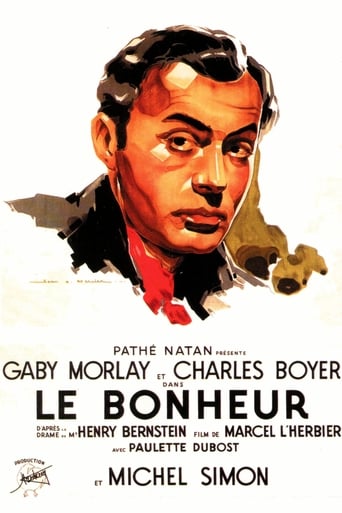 6.7
6.7Philippe Lutcher, an anarchist, fires a shot at Clara Stuart, a famous stage and screen actress, but only wounds her. The star, through affectation and curiosity to know his motives, pleads in his favour at his trial, but he rebuffs her pity. After he has served 18 months in prison, they meet and fall in love.
Le Bonheur
1934
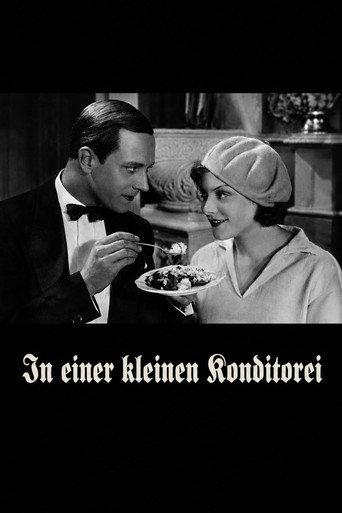 9.0
9.0"A woman arrives terribly late for a date with her husband in a small café. He has given up, so – as bad luck would have it – the two pass each other in the revolving door. When they do actually meet up, she has a lovely surprise for her husband ... Structured like a theatrical sketch, this comical commercial for a Dortmund fashion boutique uses puns and situation comedy to document the first stirrings of the consumer society in Germany." - Berlinale 2018
In A Small Café
1930
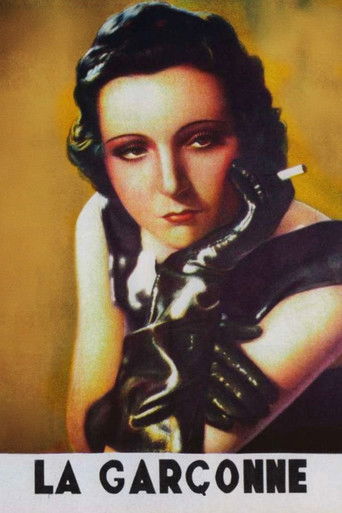 3.9
3.9The eponymous garçonne or flapper is Monique Lerbier, an emancipated French woman who leaves home to escape a marriage of convenience to a man she does not love which her parents have forced on her. She then falls into all sorts of carnal temptations and artificial pleasures previously unknown to her. These include her being seduced into a lesbian love affair by a chanteuse.
The Tomboy
1936
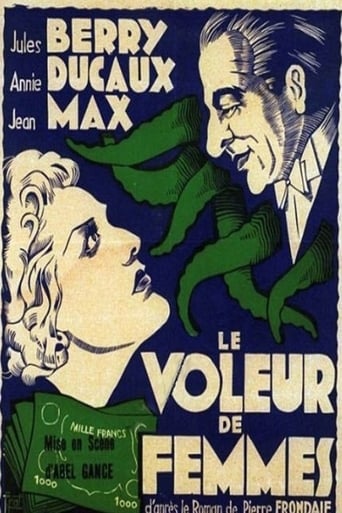 10.0
10.0The woman thief evades a young lady who is onto his game, but then tries his wiles elsewhere on a married woman by attempting to compromise and ruin the husband she is happy with.
The Woman Thief
1938
Two young lovers. An arranged marriage. An older groom. The lovers develop a plan to convince the groom that she is unworthy and also to discredit him. A surprise ending convinces the father that he should bless the lovers' marriage.
Monsieur de Pourceaugnac
1932
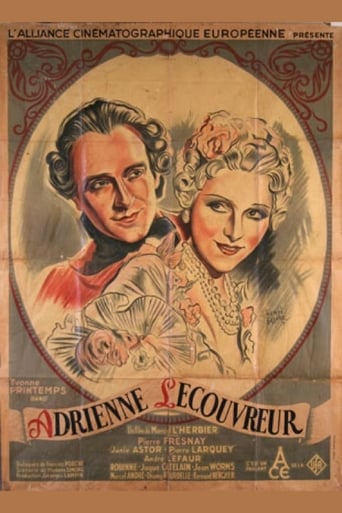 5.7
5.7Adrienne Lecouvreur is an acclaimed actress who falls in love with Polish prince Maurice de Saxe, only to be poisoned by a jealous rival while Maurice is away at war. The film was a co-production between the two countries, and was made at UFA's Berlin Studios. It was based on the 1849 play Adrienne Lecouvreur by Eugène Scribe and Ernest Legouvé about the life of the eighteenth century actress Adrienne Lecouvreur.
Adrienne Lecouvreur
1938
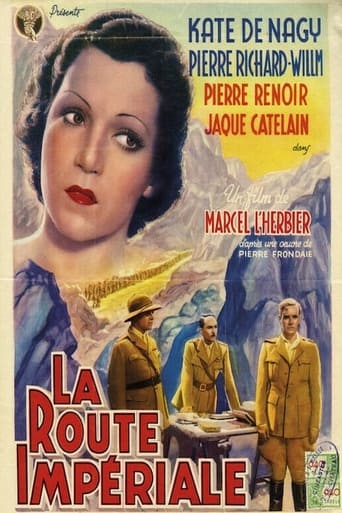 6.0
6.0An indigenous uprising in British controlled Iraq threatens the route to India, as a lobe triangle develops among the expatriates.
The Imperial Road
1935
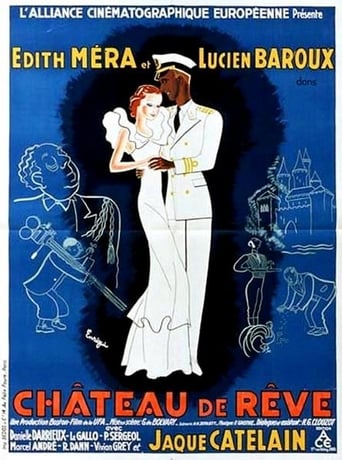 7.0
7.0A film actress falls for an extra on her set, he turns out to be a prince.
Dream Castle
1933
 6.0
6.0The film depicts events between the Fashoda crisis in 1898 and the 1904 signing of the Entente Cordiale creating an alliance between Britain and France and ending their historic rivalry. It was based on the book King Edward VII and His Times by André Maurois. It was made with an eye to its propaganda value, following the Munich Agreement of September 1938 and in anticipation of the outbreak of a Second World War which would test the bonds between Britain and France in a conflict with Nazi Germany.
Cordial Agreement
1939
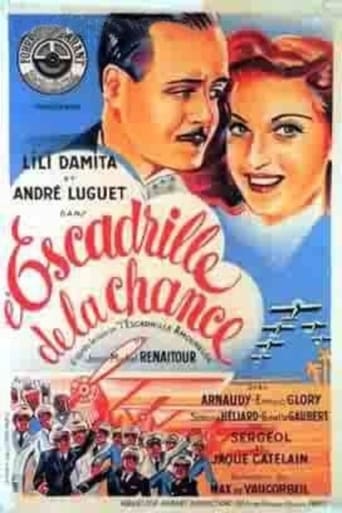 10.0
10.0Edwige, a rich American divorcee, goes to Morocco to look up an amazing pilot she once knew. The young woman's secretary, also an aviator, won't fly a plane because he was in a terrible accident. As he is in love with Edwige, the secretary does everything in his power to thwart her romance with the other pilot. He finally supplants his rival and wins the heart of his boss.
Escadrille of Chance
1938
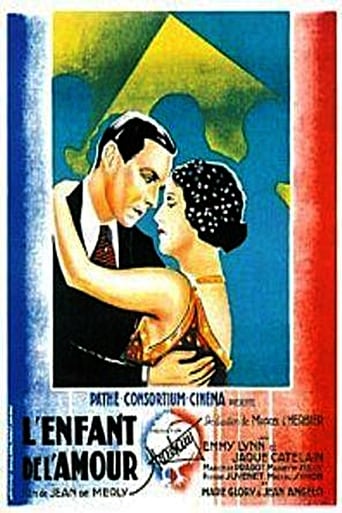 7.0
7.0The illegitimate son of a music-hall star and an ambitious politician has grown up to become a journalist. He decides to get back at his father by using blackmail.
Illegitimate Child
1930
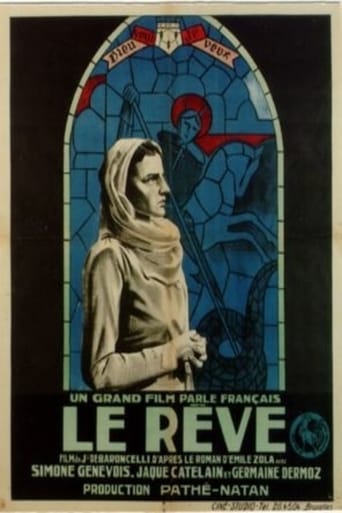 10.0
10.0In the snow as bells toll, a hooded figure makes its way through the streets to a church.
The Dream
1931
1920s · 19 titles
6.9A famous singer Claire Lescot, who lives on the outskirts of Paris, is courted by many men, including a maharajah, Djorah de Nopur, and a young Swedish scientist, Einar Norsen. At her lavish parties she enjoys their amorous attentions but she remains emotionally aloof and heartlessly taunts them. When she is told that Norsen has killed himself because of her, she shows no feelings. At her next concert she is booed by an audience outraged at her coldness and she decides to visit the vault in which Norsen's body lies.
The Inhuman Woman
1924
8.0To fulfill her Father's wish, Grand Duchess Aurora (Huguette Duflos) is forced into an unhappy marriage with Grand Duke Rudolph (Henry Houry). He prepares to leave for the Congo but is murdered by his own brother (Georges Vaultier). Aurora goes to Paris with her father and, there, is told on the phone of her husband's death. After returning to the Kingdom, she meets a tutor (Jaque Catelain) who falls in love with her..
The Secret Spring
1923
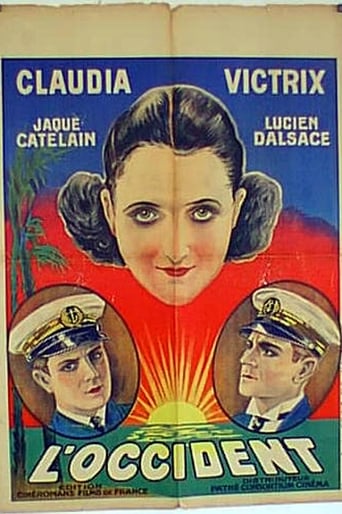 8.0
8.0"L'Occident" presents a story of the reaction of East and West in contact. It is based on a novel of Henry Kistemaeckers, produced for the screen by M. Henri Fescourt. The story is of the love of Hassina, daughter of a Moroccan chief, and Lieutenant Cadière, who lands from his ship to get information for the fleet about the position of an army of rebel tribesmen.
The West
1928
 6.7
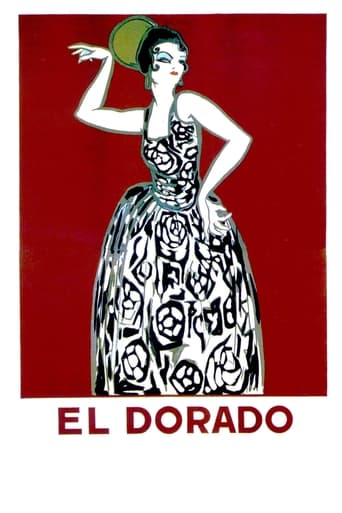
6.7In Granada in Spain, Sibilla works as a dancer in a squalid cabaret called El Dorado, struggling to earn enough to care for her sick child. The boy's father Estiria, a prominent citizen, refuses them both help and recognition, fearful of jeopardising the engagement of his adult daughter Iliana to a wealthy nobleman. Iliana however slips away from her engagement party to meet her real lover Hedwick, a Swedish painter. Sibilla, in desperation after a further rejection by Estiria, sees an opportunity to blackmail him by locking the lovers overnight in their meeting-place in the Alhambra.
El Dorado
1921
 7.0
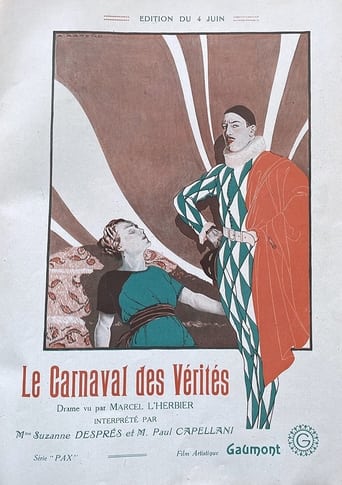
7.0Comtesse Della Gentia and her lover Paul attempt to seduce and blackmail a rich neighbour Juan, who is in love with a naïve young friend of theirs, Clarisse. Their plot fails; the Comtesse kills herself at a ball, and her lover re-covers her face with its mask.
Le Carnaval des vérités
1920
 7.5
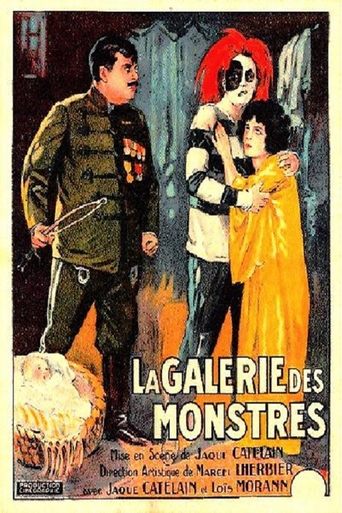
7.5The whimsical Riquet's has kidnapped and married a well-born young girl, Ralda. They travel around Spain performing their act in a circus but Ralda's beauty arouses the director's lust. Furious at being rejected, he opens a lion's cage during Ralda's act, leaving her seriously injured. With Ralda's family on their trail, the young people set off to find a better life elsewhere.
The Gallery of Monsters
1924
 10.0
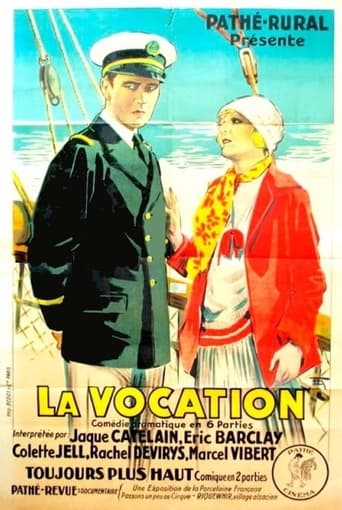
10.0No synopsis available yet.
La vocation
1929
 NR
NRNo synopsis available yet.
Apaches of Paris
1927
 6.0
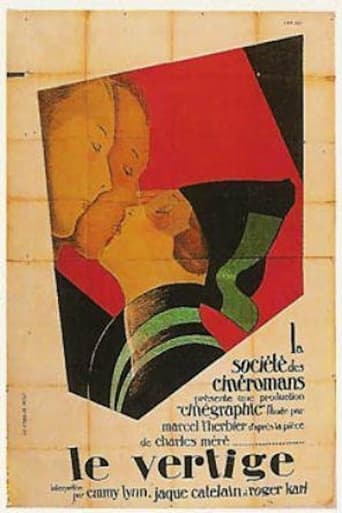
6.0The film opens with the overthrow of the Czar during the 1917 Russian revolution. The family of General Count Svirsky (Roger Karl) cower in their home, certain that the mobs of angry peasants will tear them apart. But even in this moment of crisis, Svirsky can find time to murder the young officer who has been having an affair with Countess Svirska (Emmy Lynn). The Countess knows what has happened, but she loyally remains with her husband as they escape to the safety of the French Riviera. It is here that the Countess meets Henri de Cassel (Jaque Catelain), the “living image” of her dead lover.
Le Vertige
1926
 10.0
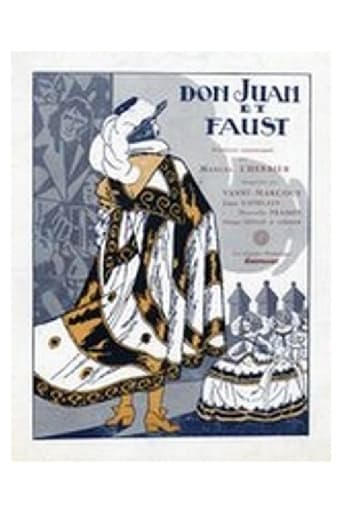
10.0Crazy scientist Faust tries to take Don Juan's lover away.
Don Juan et Faust
1922
 6.2
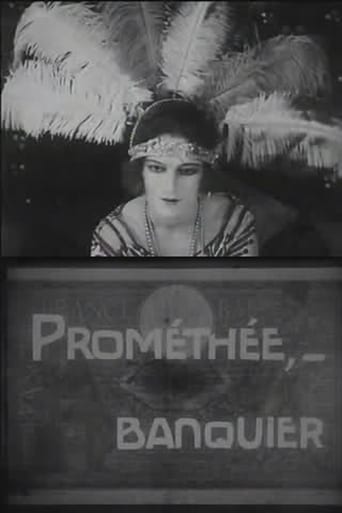
6.2A vamp seduces a banker and breaks with him when she's obtained all that she wanted.
Prometheus, Banker
1921
 9.0
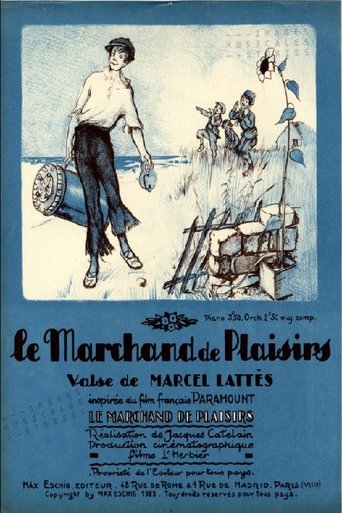
9.0No synopsis available yet.
Le marchand de plaisirs
1923
 6.6
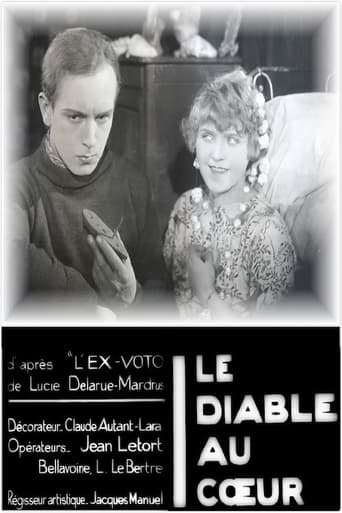
6.6Ludivine, a lttle tomboy, takes on the too polite Delphin. Being caught, and punished, she wants him and his father to be dead. When the latter dies, she feels guilty and takes Delphin under her wing.
Little Devil May Care
1928
 6.0
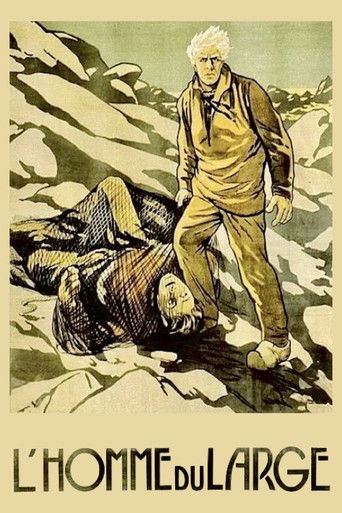
6.0Nolff, a tough Breton fisherman is happy: his wife has just given birth to a son, Michel. His only wish is to make him a fisherman like him. But when he becomes a man, Michel becomes a good-for-nothing who spends his time in taverns.
The Man of the Sea
1920
 7.0
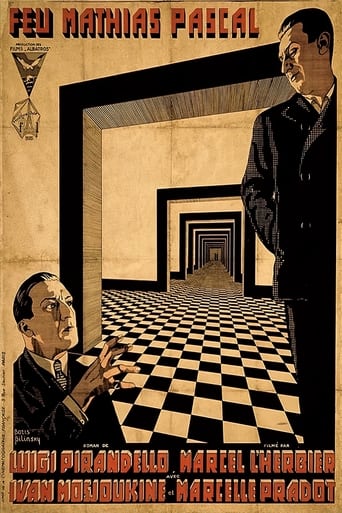
7.0Mathias Pascal, only son of a once-rich family, marries beautiful Romalinda, who has a terrible mother-in-law. She controls her daughter, and soon his home life becomes a nightmare. His only moments of lights are his mother and baby, but both die on the same day. Shocked, he leaves his hometown and goes to Monte Carlo, where he wins a fortune at the casino. Returning home, he reads his own obituary in a paper. They have found a corpse in a creek and connected it with his disappearance. Mathias, noticing that he is now free from all ties to his old life, decides to start a new one.
The Late Mathias Pascal
1925
 10.0
10.0No synopsis available yet.
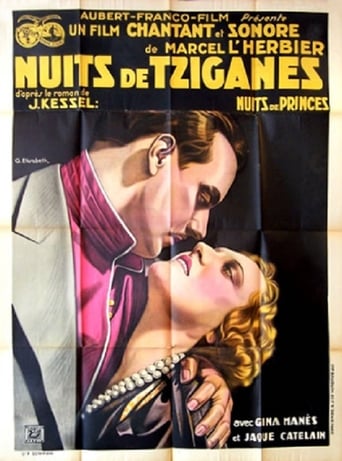
Princely Nights
1929
The story: While her husband is becoming famous in the war, the marshal of Werdenberg's wife consoles herself in the arms of the youngster Octavian and tries to arrange the love affairs of her cousin, the baron Ochs, by presenting him to young Sophie. This baron is taken with her and the Marschallin proposes Octavian to be his "Rosenkavalier" in order to present the traditional silver rose to his fiancée. But youngsters are youngsters and sex hormones hold sway over the whole world so for that reason immediately Octavian and Sophie fall in love with each other…
The Knight of the Rose
1925
 9.0
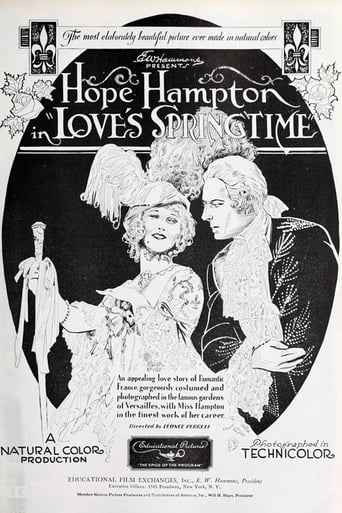
9.0Clothilde, taken out of her convent to marry the Marquis, refuses to recognize her new husband.
Love's Springtime
1927
 7.0
7.0Unkwown to the vast majority, Count Patrice is the crown prince of Simenia. One day he sails for the East on his yacht "Bengal" in the company of Christiane, a beautiful princess, in love with him. Chance has it that Patrice sets Anar, an Oriental beauty, free from the harem where she is held captive. Love is born between the two young people, which infuriates Christiane. Mad with jealousy, the vexed woman sets about preventing Patrice and Anar from marrying... by all means fair or foul!
Le Prince charmant
1925
1910s · 3 titles
 8.2
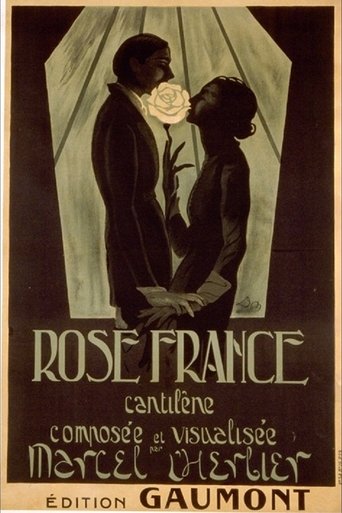
8.2A poem to love and patriotism soon after the end of World War I. A highly original and poetic film using many experimental camera techniques, which proved too fanciful for many but which established Marcel L'Herbier's reputation as a talented innovator. This is the director's debut film and it is considered the second impressionist film, the first being Abel Gance's, 1918, La Dixième symphonie (The Tenth Symphony).
Rose-France
1919
 6.3
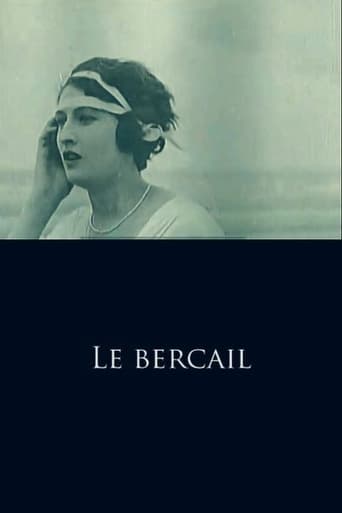
6.3Evelyne attempts to reconnect with her family after a traumatizing experience with a young writer.
Le Bercail
1919
 9.0
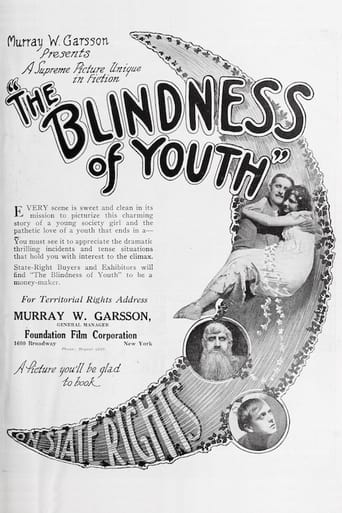
9.0"A charming story of a young society girl and the pathetic love of a youth..." Considered a lost film.
The Blindness of Youth
1917
Behind the camera
7.5The whimsical Riquet's has kidnapped and married a well-born young girl, Ralda. They travel around Spain performing their act in a circus but Ralda's beauty arouses the director's lust. Furious at being rejected, he opens a lion's cage during Ralda's act, leaving her seriously injured. With Ralda's family on their trail, the young people set off to find a better life elsewhere.
The Gallery of Monsters
1924
9.0No synopsis available yet.
Le marchand de plaisirs
1923