Acting
Claude Laydu
Born — Died
1927-03-10 — 2011-07-29
Place of birth
Etterbeek, Belgique
Known for
Acting
Credits
20 titles
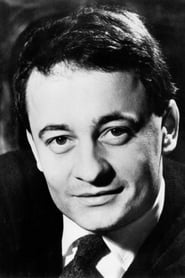
Claude Laydu ([klod lɛjdy]; 10 March 1927 – 29 July 2011) was a Belgian-born Swiss actor on stage and in films. He was renowned for his performance in his film debut in the role of the young priest in Robert Bresson's Diary of a Country Priest (1951), which has been described as one of the greatest in the history of film. Laydu was born and grew up in Brussels. He moved to Paris to study at the National Academy of Dramatic Arts. He became a member of Madeleine Renaud and Jean-Louis Barrault's company at the Théâtre Marigny, when he was selected by director Robert Bresson for his first role in a film, as the titular young priest in Diary of a Country Priest, based on the 1936 novel of the sa…
Known for
 6.4
6.4No synopsis available yet.
Bonne nuit les petits
1962
 7.5
7.5An inexperienced, sickly priest shows up in the rural French community of Ambricourt, where he joins the community's clergy. But the locals don't take kindly to the priest, and his ascetic ways and unsociable demeanor make him an outcast. During Bible studies at the nearby girls school, he is continually mocked by his students. Then his attempt to intervene in a family feud backfires into a scandal. His failures, compounded with his declining health, begin to erode his faith.
Diary of a Country Priest
1951
 6.7
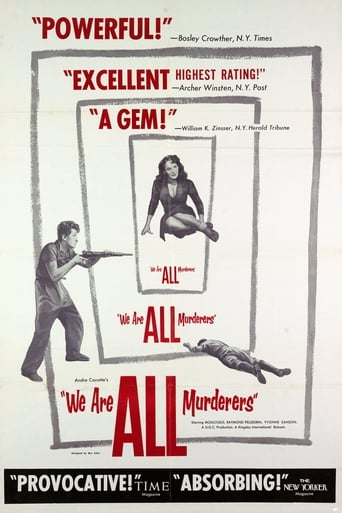
6.7Originally titled Nous Sommes Tout des Assassins, We Are All Murderers was directed by Andre Cayette, a former lawyer who detested France's execution system. Charles Spaak's screenplay makes no attempt to launder the four principal characters (Marcel Mouloudji, Raymond Pellegrin, Antoinine Balpetre, Julien Verdeir): never mind the motivations, these are all hardened murderers. Still, the film condemns the sadistic ritual through which these four men are brought to the guillotine. In France, the policy is to never tell the condemned man when the execution will occur--and then to show up without warning and drag the victim kicking and screaming to his doom, without any opportunity to make peace with himself or his Maker. By the end of this harrowing film, the audience feels as dehumanized as the four "protagonists." We Are All Murderers was roundly roasted by the French law enforcement establishment, but it won a special jury prize at the 1952 Cannes Film Festival.
We Are All Murderers
1952
 7.4
7.4This drama about the Carmelite order of nuns is set during the French Revolution. A young woman seeks refuge with the Carmelites because she is terrified of dying during the upheaval. The longer she associates with the nuns the more she is transformed by their faith and devotion.
The Dialogue of the Carmelites
1960
 7.3
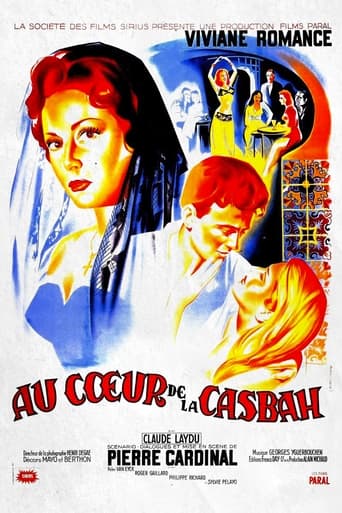
7.3Maria-Pilar is the new wife of an Algerian gangster whom the police have just arrested. The son of a first marriage arrives in Algiers from which he has remained far away for a long time. His stepmother, charmed by the teenager, gradually experiences a devouring passion, against which Michel tries in vain to fight: he loves a young girl, Sylvie. Mad with jealousy, his stepmother singles him out for his father's vengeance by distorting the truth. Michel does not escape his father's fury, but when the woman's deception becomes known, Maria-Pilar is strangled to death.
Heart of the Casbah
1952
 5.4
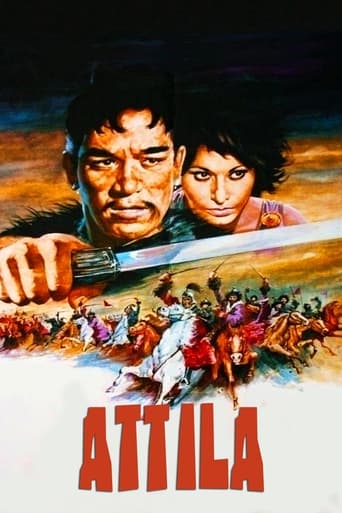
5.4Attila, the leader of the barbarian Huns and called by the Romans "The Scourge of God", sweeps onto the Italian peninsula, defeating all of the armies of Rome, until he and his men reach the gates of the city itself.
Attila
1954
Film credits
2010s · 1 titles

1960s · 3 titles
7.4This drama about the Carmelite order of nuns is set during the French Revolution. A young woman seeks refuge with the Carmelites because she is terrified of dying during the upheaval. The longer she associates with the nuns the more she is transformed by their faith and devotion.
The Dialogue of the Carmelites
1960
 10.0
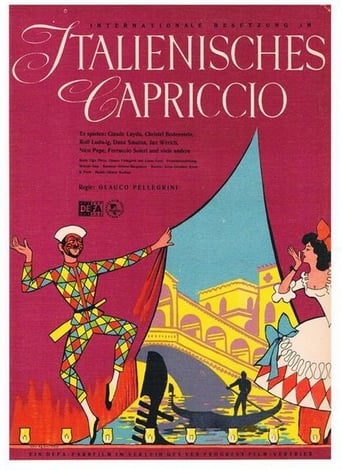
10.0Biography of the comic poet Carlo Goldoni (1707-1793).
Italienisches Capriccio
1961
 10.0
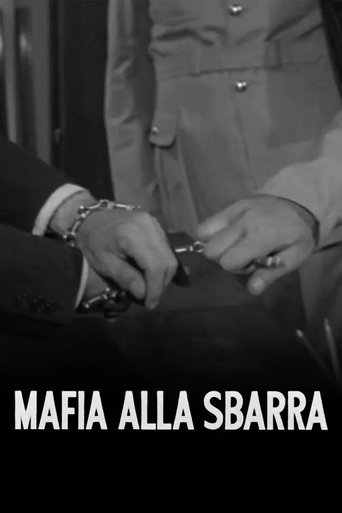
10.0The story of a poor family and their relationship with the local mafia.
Mafia alla sbarra
1963
1950s · 14 titles
7.5An inexperienced, sickly priest shows up in the rural French community of Ambricourt, where he joins the community's clergy. But the locals don't take kindly to the priest, and his ascetic ways and unsociable demeanor make him an outcast. During Bible studies at the nearby girls school, he is continually mocked by his students. Then his attempt to intervene in a family feud backfires into a scandal. His failures, compounded with his declining health, begin to erode his faith.
Diary of a Country Priest
1951
6.7Originally titled Nous Sommes Tout des Assassins, We Are All Murderers was directed by Andre Cayette, a former lawyer who detested France's execution system. Charles Spaak's screenplay makes no attempt to launder the four principal characters (Marcel Mouloudji, Raymond Pellegrin, Antoinine Balpetre, Julien Verdeir): never mind the motivations, these are all hardened murderers. Still, the film condemns the sadistic ritual through which these four men are brought to the guillotine. In France, the policy is to never tell the condemned man when the execution will occur--and then to show up without warning and drag the victim kicking and screaming to his doom, without any opportunity to make peace with himself or his Maker. By the end of this harrowing film, the audience feels as dehumanized as the four "protagonists." We Are All Murderers was roundly roasted by the French law enforcement establishment, but it won a special jury prize at the 1952 Cannes Film Festival.
We Are All Murderers
1952
7.3Maria-Pilar is the new wife of an Algerian gangster whom the police have just arrested. The son of a first marriage arrives in Algiers from which he has remained far away for a long time. His stepmother, charmed by the teenager, gradually experiences a devouring passion, against which Michel tries in vain to fight: he loves a young girl, Sylvie. Mad with jealousy, his stepmother singles him out for his father's vengeance by distorting the truth. Michel does not escape his father's fury, but when the woman's deception becomes known, Maria-Pilar is strangled to death.
Heart of the Casbah
1952
5.4Attila, the leader of the barbarian Huns and called by the Romans "The Scourge of God", sweeps onto the Italian peninsula, defeating all of the armies of Rome, until he and his men reach the gates of the city itself.
Attila
1954
 7.4
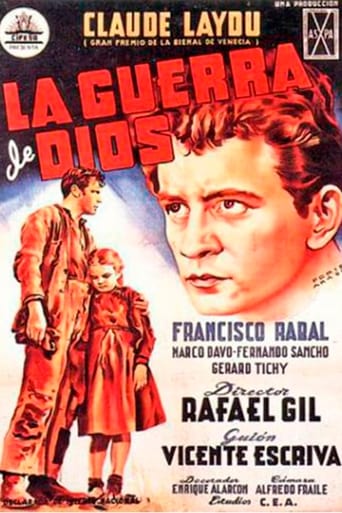
7.4A young priest encounters major problems in the diocese where he must preach the word of the Lord, mainly as a result of hatred caused by differences in classes
I Was a Parish Priest
1953
 6.5
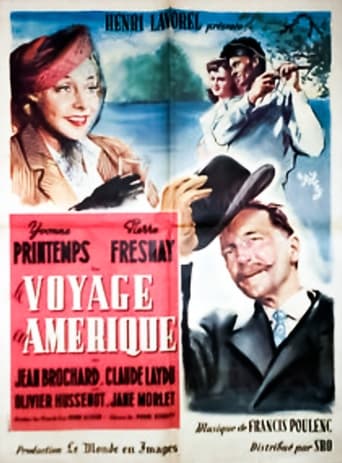
6.5As part of the fascination in post World War II France with American culture, a young French couple here travel to the US to see for themselves the prosperity they have heard about.
Trip to America
1951
 7.2
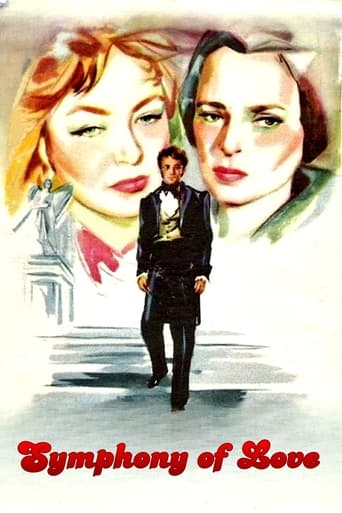
7.2It is a biopic portraying the life of the composer Franz Schubert.
Symphony of Love
1954
 5.4
5.4Because he loved a trainer named Suzy too much, honest Pierre Menard wasted his life and died. Innocent, but implicated in the ransacking of a jewelry store, he receives a five-year residence ban, which he ignores, only to find himself reduced to joining Paulo's sinister gang. The police finally arrest him and force him to become an informer if he doesn't want to leave Paris. He accepts and signs his death warrant.
Price of Love
1955
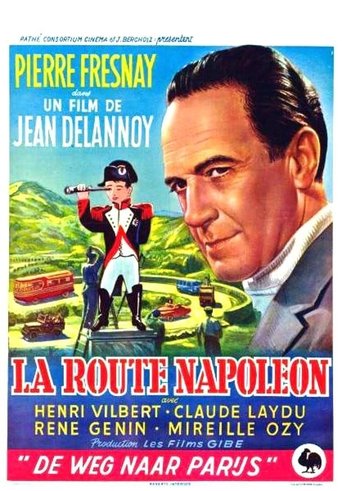 5.7
5.7A greedy advertising executive wants to attract the tourists into a small village:he claims Napoleon slept in the local inn on his was back from Elbe island.
Napoleon Road
1953
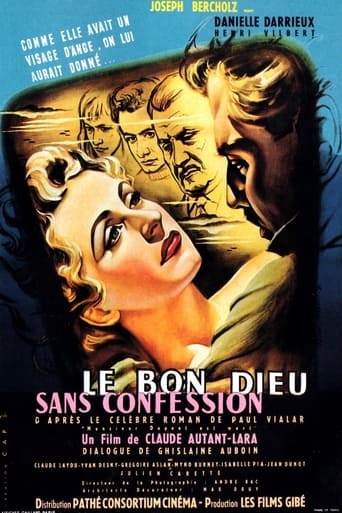 6.0
6.0Stuck in a loveless marriage, bourgeois industrialist Francois falls in love with Janine, another man's wife. Francois sets up Janine as his mistress, and she, mercenary soul that she is, likes the set-up so much that she continues the relationship even when her own husband returns from WW II. In the long run, however, Janine is the loser in the situation.
Good Lord Without Confession
1953
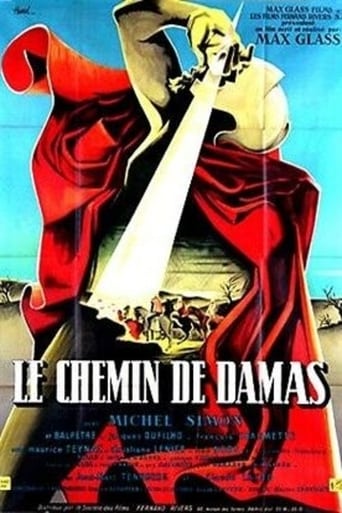 8.0
8.0Saul De Tarse is a Roman soldier who is making rough all over. He arrives at the Golgotha when the apostles remove the cross. He ruthlessly persecutes the Christians, even though they are his own friends.
The Road to Damascus
1952
 6.5
6.5Gregory Iefommovich Raspoutine is a monk with healing powers and a liking for debauchery who manages to insinuate himself into the court of the Romanoffs thanks to Princess Dikvona. Being the only person able to heal he son of Czar Nicolas II and Czarina Alexandra from his hemophilia, he becomes a very powerful man, which infuriates many.A group of nobles, determined to save the monarchy, start conspiring to murder him.
Rasputin
1954
 6.6
6.6Pierre is an engine driver who adopts a small girl, a WWI orphan. A widower, he sees in her the image of her mother.
The Wheel
1957
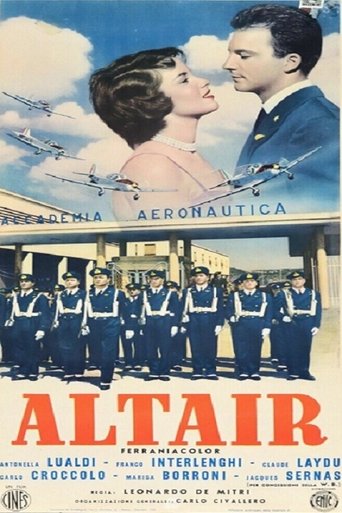 9.0
9.0In the military academy of the Nisida Air Force a new course begins which sees among the new recruits called "chicks": Giorgio, forced by his father after he squandered millions at the gaming table; De Montel son of a general, Mario who wants to follow in the footsteps of his father who died in combat; Antonio who declares himself Neapolitan while coming from the province and Ugo who comes from the north.
Altair
1956