

Writing
William Gibson
Born
1948-03-17 (78)
Place of birth
Conway, South Carolina, USA
Known for
Writing
Credits
10 titles
William Ford Gibson is an American and Canadian speculative fiction writer and essayist widely credited with pioneering the science fiction subgenre known as cyberpunk. Beginning his writing career in the late 1970s, his early works were bleak, noir, near-future stories that explored the effects of technology, cybernetics, and computer networks on humans—a "combination of lowlife and high tech"—and helped to create an iconography for the information age before the ubiquity of the Internet in the 1990s.
Known for
 7.8
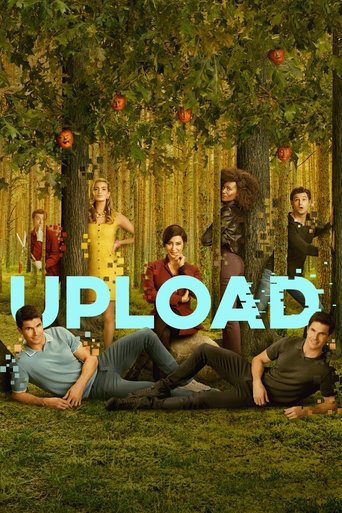
7.8In 2033, people who are near death can be “uploaded” into virtual reality hotels run by 6 tech firms. Cash-strapped Nora lives in Brooklyn and works customer service for the luxurious “Lakeview” digital afterlife. When L.A. party-boy/coder Nathan’s self-driving car crashes, his high-maintenance girlfriend uploads him permanently into Nora’s VR world.
Upload
2020
 5.9
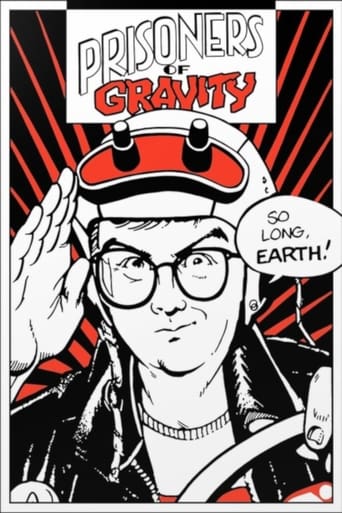
5.9Prisoners of Gravity was a Canadian public broadcasting television news magazine program that explored speculative fiction — science fiction, fantasy, horror, comic books — and its relation to various thematic and social issues. Produced by TVOntario, the show was the brainchild of former comic retail manager Mark Askwith and writer Daniel Richler, and was hosted by Rick Green. The series aired 139 episodes over 5 seasons from 1989 to 1994.
Prisoners of Gravity
1989
 5.8
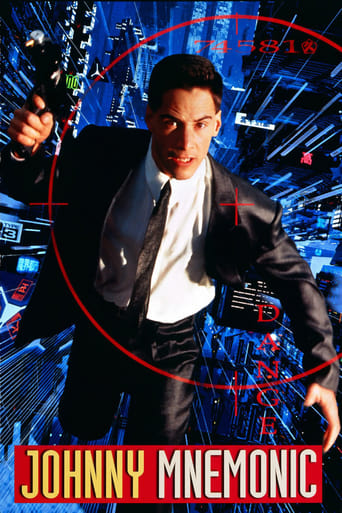
5.8In a dystopian 2021, Johnny is a data trafficker who has an implant that allows him to securely store data too sensitive for regular computer networks. On one delivery run, he accepts a package that not only exceeds the implant's safety limits—and will kill him if the data is not removed in time—but also contains information far more important and valuable than he had ever imagined. On a race against time, he must avoid the assassins sent to kill him and remove the data before it, too, ends his life.
Johnny Mnemonic
1995
 6.8
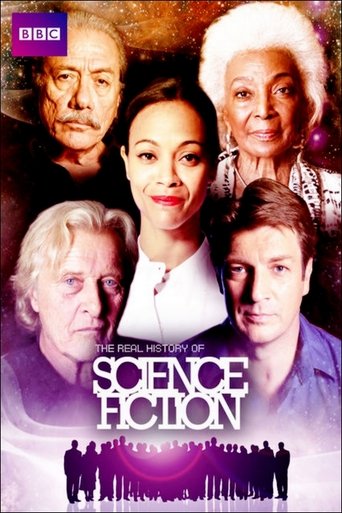
6.8The series heads to the very frontiers of space and science to produce the definitive television history of science fiction, told through its impact on cinema, television and literature, with the help of filmmakers, writers, actors, and graphic artists. Each episode will explore one of the enduring themes of science fiction: time travel; the exploration of space; robots and artificial intelligence; and aliens.
The Real History of Science Fiction
2014
 10.0
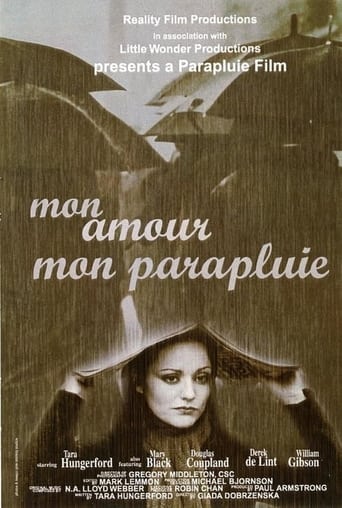
10.0A young woman loses her umbrella in a café altering her perception of the world forever.
My Love, My Umbrella
2001
 NR
NRAbout visions of the future drawing on the work of leading writers of science fiction and leading experts in science fact.
New Nightmares
1993
Film credits
2000s · 2 titles
10.0A young woman loses her umbrella in a café altering her perception of the world forever.
My Love, My Umbrella
2001
 6.6
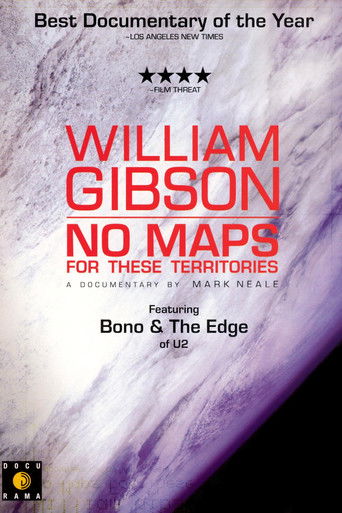
6.6On an overcast morning in 1999, William Gibson, father of cyberpunk and author of the cult-classic novel Neuromancer, stepped into a limousine and set off on a road trip around North America. The limo was rigged with digital cameras, a computer, a television, a stereo, and a cell phone. Generated entirely by this four-wheeled media machine, No Maps for These Territories is both an account of Gibson’s life and work and a commentary on the world outside the car windows. Here, the man who coined the word "cyberspace" offers a unique perspective on Western culture at the edge of the new millennium, and in the throes of convulsive, tech-driven change.
No Maps for These Territories
2000
1990s · 2 titles
 9.0
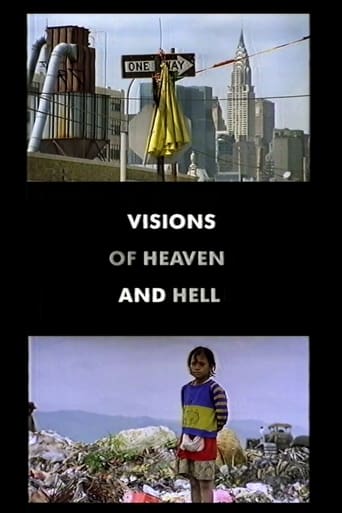
9.0Dennis Potter, Esther Dyson, William Gibson and other techno-thinkers appeared in this award-winning three-part documentary series which examined social changes brought about by new information technologies, along with other issues and dilemmas facing society in the 21st Century.
Visions of Heaven and Hell
1994
 7.2
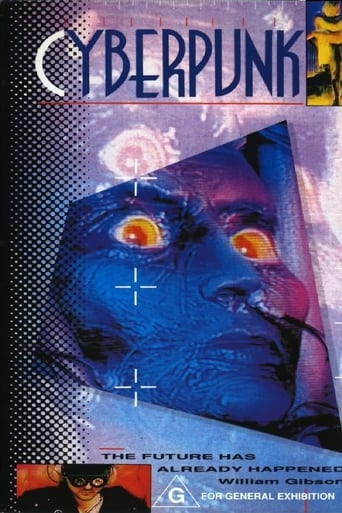
7.2Stylistic documentary about the cyberpunk movement. William Gibson, author of cyberpunk classic Neuromancer, and Timothy Leary, famous advocate of psychedelic drugs, share their thoughts on the future of society and technology.
Cyberpunk
1990

Series credits
7.8In 2033, people who are near death can be “uploaded” into virtual reality hotels run by 6 tech firms. Cash-strapped Nora lives in Brooklyn and works customer service for the luxurious “Lakeview” digital afterlife. When L.A. party-boy/coder Nathan’s self-driving car crashes, his high-maintenance girlfriend uploads him permanently into Nora’s VR world.
Upload
2020
5.9Prisoners of Gravity was a Canadian public broadcasting television news magazine program that explored speculative fiction — science fiction, fantasy, horror, comic books — and its relation to various thematic and social issues. Produced by TVOntario, the show was the brainchild of former comic retail manager Mark Askwith and writer Daniel Richler, and was hosted by Rick Green. The series aired 139 episodes over 5 seasons from 1989 to 1994.
Prisoners of Gravity
1989
6.8The series heads to the very frontiers of space and science to produce the definitive television history of science fiction, told through its impact on cinema, television and literature, with the help of filmmakers, writers, actors, and graphic artists. Each episode will explore one of the enduring themes of science fiction: time travel; the exploration of space; robots and artificial intelligence; and aliens.
The Real History of Science Fiction
2014
NRAbout visions of the future drawing on the work of leading writers of science fiction and leading experts in science fact.
New Nightmares
1993