
Directing
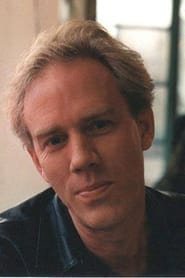
Mark LaPore
Place of birth
Tacoma, Washington, U.S
Known for
Directing
Credits
13 titles
Mark LaPore was an experimental ethnographic filmmaker who made several films in the Sudan, India and Sri Lanka, as well as various parts of the U.S. over a period of nearly thirty years. A dedicated iconoclast and personal artist, LaPore strove to document and portray the cultures with which he connected in ways that were true to his experiences as a traveler as well as being honest reflections of people and scenes that he was witnessing. LaPore worked against conventions of ethnographic narrative, using cinema at its most fundamental level as an objective tool that could also be harnessed for personal response and expression. He was also an influential teacher at the Massachusetts College …
Known for
 7.2
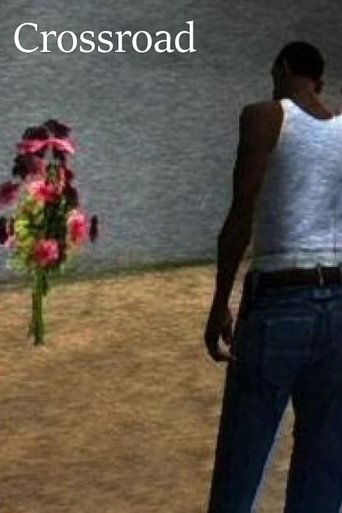
In 2005, Phil Solomon collaborated with his best friend, the highly respected filmmaker Mark LaPore, on a short digital video entitled Crossroad, which they made as a get-well offering for a mutual friend [David Gatten].
Crossroad
2005
 NR
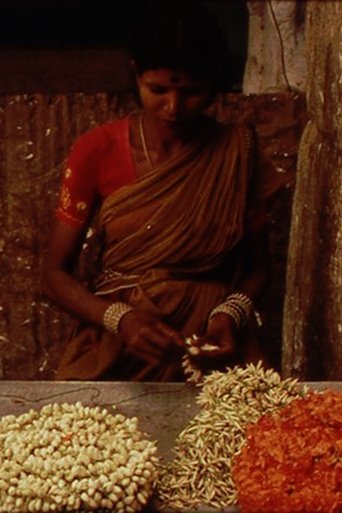
Shot while LaPore was on a Fulbright Scholar Fellowship to Sri Lanka in 1993-1994. “I have made a film about travelling and living in a distant place which looks at aspects of daily life and where the war shadows the quotidian with a dark and rumbling step.”--LaPore. Preserved by the Academy Film Archive in 2014.
A Depression in the Bay of Bengal
1996
Shared intimacy mingles with unabashed voyeurism in a distilled, complex rumination on the pleasures and problems of gazing. Mark LaPore had intended to create a soundtrack for this film, but never did. However, it was initially shown and circulated as a silent work, so it was decided to release MEKONG into regular distribution as-is. – Mark Toscano. Preserved by the Academy Film Archive in 2014.
Mekong
2002
 8.0
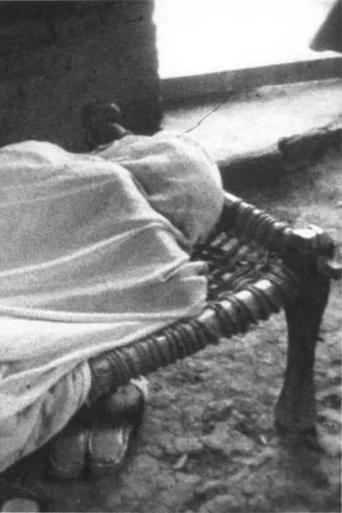
“Memory, as well as the residue of information in text and film from Sudan, led me to make The Sleepers in order to resolve the impression that the third world is present in the first world as an idea and a condition.” --LaPore
The Sleepers
1985
 6.0
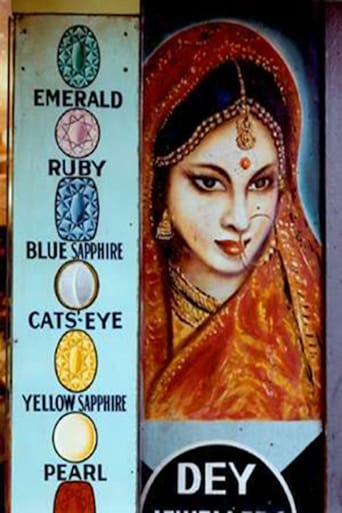
“The Glass System, made from images shot in New York and Calcutta, looks at life as it is played out in the streets. Every corner turned reveals activities both simple and unfamiliar: a knife sharpener on a bicycle; a tiny tightrope walker; a man selling watches in front of a department store on Fifth Avenue; a hauntingly slow portrait of the darting eyes of schoolgirls on their way home; the uncompleted activities of a young contortionist. The sound in the film (which is from a Bengali primer written by British missionaries) is a meditation on how the English language teaches ideas about culture which are often incongruous. The disjunction between what you hear and what you see evokes reflections about the impact of globalization and the hegemony of Western-style capitalism.” - ML
The Glass System
2000
Medina, shot on Super 8, belongs to a loose trilogy of films set in Sudan. “The shifting camera movements in Medina pursue a shallow tactile space of the hand rather than a deep perspective of the eye, as their lateral motions caress surface patterns and textures.”--Tom Gunning
Medina
1983
Film credits
Behind the camera
7.2In 2005, Phil Solomon collaborated with his best friend, the highly respected filmmaker Mark LaPore, on a short digital video entitled Crossroad, which they made as a get-well offering for a mutual friend [David Gatten].
Crossroad
2005
NRShot while LaPore was on a Fulbright Scholar Fellowship to Sri Lanka in 1993-1994. “I have made a film about travelling and living in a distant place which looks at aspects of daily life and where the war shadows the quotidian with a dark and rumbling step.”--LaPore. Preserved by the Academy Film Archive in 2014.
A Depression in the Bay of Bengal
1996
Shared intimacy mingles with unabashed voyeurism in a distilled, complex rumination on the pleasures and problems of gazing. Mark LaPore had intended to create a soundtrack for this film, but never did. However, it was initially shown and circulated as a silent work, so it was decided to release MEKONG into regular distribution as-is. – Mark Toscano. Preserved by the Academy Film Archive in 2014.
Mekong
2002
8.0“Memory, as well as the residue of information in text and film from Sudan, led me to make The Sleepers in order to resolve the impression that the third world is present in the first world as an idea and a condition.” --LaPore
The Sleepers
1985
6.0“The Glass System, made from images shot in New York and Calcutta, looks at life as it is played out in the streets. Every corner turned reveals activities both simple and unfamiliar: a knife sharpener on a bicycle; a tiny tightrope walker; a man selling watches in front of a department store on Fifth Avenue; a hauntingly slow portrait of the darting eyes of schoolgirls on their way home; the uncompleted activities of a young contortionist. The sound in the film (which is from a Bengali primer written by British missionaries) is a meditation on how the English language teaches ideas about culture which are often incongruous. The disjunction between what you hear and what you see evokes reflections about the impact of globalization and the hegemony of Western-style capitalism.” - ML
The Glass System
2000
Medina, shot on Super 8, belongs to a loose trilogy of films set in Sudan. “The shifting camera movements in Medina pursue a shallow tactile space of the hand rather than a deep perspective of the eye, as their lateral motions caress surface patterns and textures.”--Tom Gunning
Medina
1983
Shot also on Super 8 in Sudan, LaPore’s use of a fixed camera and unedited camera rolls, generates a certain “modesty of technique which allows for a deeper participation in the enframed action.”--Gunning
Work and Play
1983
 8.0
A portrait of North Kolkata (Calcutta), this film searches the streets for the ebb and flow of humanity and reflects the changing landscape of a city at once medieval and modern. -Mark Toscano. Preserved by the Academy Film Archive in 2014.
Kolkata
2005
Sudan Rolls originally were filmed as part of an ethnographic project. Only later did he realize that the complexity inherent in these simple shots was an area he wished to purposefully explore.
Sudan Rolls
1989
First film by Mark LaPore.
Halloween
1973
Portrait by Mark LaPore.
Lunatic Princess
2005
 NR
A filmic Pandora's Box full of my version of "trouble" (death, loss, cultural imperialism) as well as the trouble with representation as incomplete understanding. - Mark LaPore. Preserved by the Academy Film Archive in 2012.
The Five Bad Elements
1997