
Acting
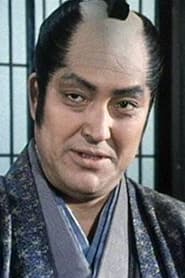
Ryūtarō Gomi
Born — Died
1933-07-07 — 2013-08-31
Place of birth
Suwa, Nagano, Japan
Known for
Acting
Credits
64 titles
Ryûtarô Gomi was born on July 7, 1933 in Suwa, Nagano, Japan. He was an actor, known for Harakiri (1962), Shinshû tenmakyô (1958) and Shinshû tenmakyô - Kanketsu-hen (1958). He died on August 31, 2013.
Known for
 7.8
7.8Hasegawa is a chief police of big heart who leads a band of samurai police and cultivates reformed criminals as informants to solve difficult crimes.
Onihei Hankachō
1989
 8.0
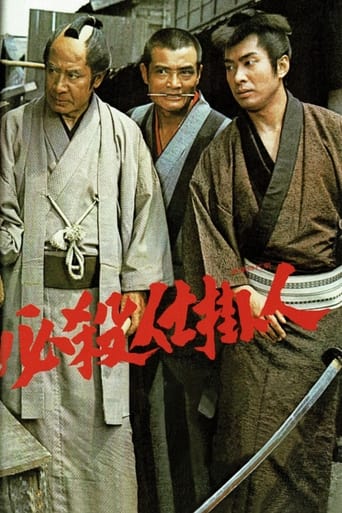
8.0A shikakenin was an under-the-cover trade that undertook killing in Edo. Hanemon of Otowa, an agency that introduced laborers and maids, was also one of these. Katsugoro Iseya was a timber dealer who had come in as a client. His target was the constructions magistrate Hanno, and the Tatsumiya who sipped on the benefits. Hanemon who had a stong code towards killing, where he would only kill those who do no good to be in the world, accepts this request. Baian Fujieda, a needle doctor would carry out the killing. However, the professional killer Baian fails to bring down Tatsumiya. Hanemon then looks to another shikakenin, the ronin Sanai Nishimura for the role. Although Sanai's ability with the sword is good, he lives poorly in a tenement, and accepts this commission on the condition that it is kept a secret from his wife and child. Here, they close in on Hanno and Tatsumiya again...
Professional Killers
1972
 8.0
8.0Monjiro was born into a poor farm family in Mikazuki Village, Nitta County, Ueshu, and abandoned his hometown when he was 10 years old. He has been traveling aimlessly with a long toothpick in his mouth. Monjiro avoided getting involved in anything, but wherever he went, he ended up getting involved in incidents
Kogarashi Monjiro
1972
 8.5
8.5Down-on-his-luck veteran Tsugumo Hanshirō enters the courtyard of the prosperous House of Iyi. Unemployed, and with no family, he hopes to find a place to commit seppuku—and a worthy second to deliver the coup de grâce in his suicide ritual. The senior counselor for the Iyi clan questions the ronin’s resolve and integrity, suspecting Hanshirō of seeking charity rather than an honorable end. What follows is a pair of interlocking stories which lay bare the difference between honor and respect, and promises to examine the legendary foundations of the Samurai code.
Harakiri
1962
 NR
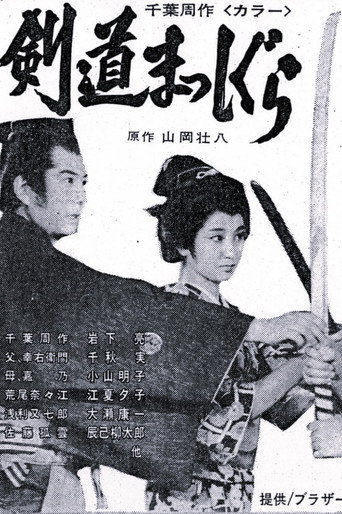
NRChiba Shusaku: Kendo Masshigura is a Japanese period drama that aired on the TBS network from November 2, 1970 to August 30, 1971 in the "Brother Gekijo" slot. It ran for 44 colour episodes of 30 minutes each. Based on Sohachi Yamaoka's novel "Chiba Shusaku", it depicts the youth of Chiba Shusaku, founder of the Hokushin Itto-ryu school of swordsmanship. A hot-blooded young man who calls himself Shusaku enters the dojo of Asari Matashichiro and, through encounters with all kinds of people, grows rapidly both in swordsmanship and in character. Produced by TBS and Shochiku. Rerun on the Japanese CS channel Jidaigeki Senmon Channel from March 17, 2025.
Chiba Shusaku: Kendo Masshigura
1970
 6.7
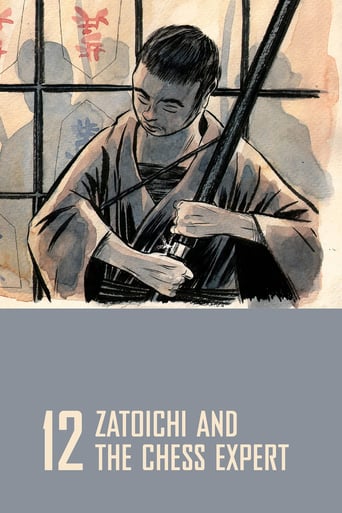
6.7Zatoichi makes friends with a dangerous chess player, while fending off angry yakuza and bloodthirsty relatives out for revenge, and trying to save a sick child. Meanwhile, his luck with dice is turning.
Zatoichi and the Chess Expert
1965
Film credits
1970s · 6 titles
 6.8
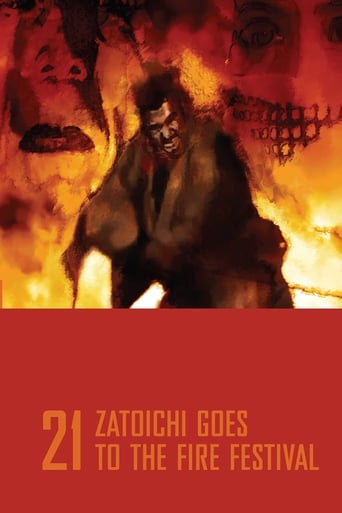
6.8The blind masseuse is targeted by the leader of a powerful yakuza group while also fending off a jealous husband bent on revenge. Zatoichi tours Edo's underground via a rousing onsen fight scene, gambling houses and the gender-bending character of Umeji, before a final, flame-filled conflagration.
Zatoichi Goes to the Fire Festival
1970
 7.4
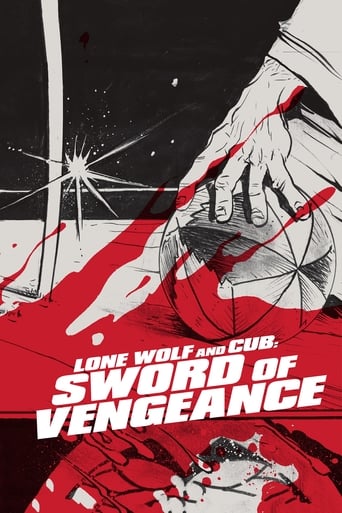
7.4Official Shogunate executioner Ogami Itto has been framed for disloyalty to the Shogunate by the Yagyu clan, against whom he now is waging a one-man war, along with his infant son, Daigoro.
Lone Wolf and Cub: Sword of Vengeance
1972
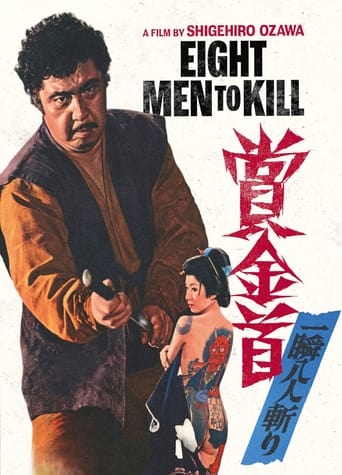 6.7
6.7The third movie following the exploits of bounty hunter Shikoro Ichibei. The theft of almost a half ton of gold from the shogunate's official mine threatens to bankrupt the government of Japan. Despite a desperate search the gold has not been found, causing officials of the Tokugawa bakufu to call on their most skillful secret agent, Shikoro Ichibei.
Eight Men to Kill
1972
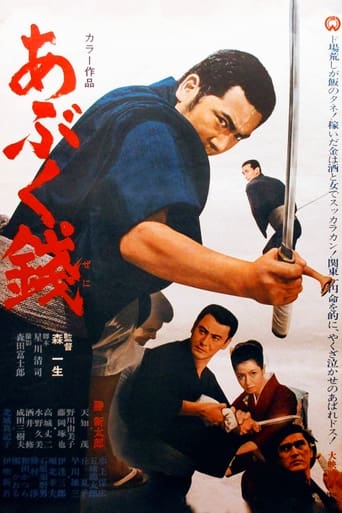 NR
NRAn action-comedy about three men who try to bilk money out of gambling dens.
Easy Money
1970
 NR
NRIn Settsu Province, young women related to castle steward Tanaka Shūzen are being killed, each with fang-like bite marks on their chests. The priest Chinen suspects a vengeful plot. The next targets could be Shūzen’s daughter Myō or her fiancé Iori’s sister, Matsue. Despite Iori’s vigilance, Matsue is attacked by her koto teacher, Yamamura Kengyō, and his daughter Kaede—who are revealed to be vengeful vampires.
Japanese Ghost Story Masterpiece Theater: The Purple Kengyō Vampire
1979
 9.0
9.0A cowardly boy fencer becomes invisible and matchless through a magic potion.
The Invisible Swordsman
1970
1960s · 48 titles
8.5Down-on-his-luck veteran Tsugumo Hanshirō enters the courtyard of the prosperous House of Iyi. Unemployed, and with no family, he hopes to find a place to commit seppuku—and a worthy second to deliver the coup de grâce in his suicide ritual. The senior counselor for the Iyi clan questions the ronin’s resolve and integrity, suspecting Hanshirō of seeking charity rather than an honorable end. What follows is a pair of interlocking stories which lay bare the difference between honor and respect, and promises to examine the legendary foundations of the Samurai code.
Harakiri
1962
6.7Zatoichi makes friends with a dangerous chess player, while fending off angry yakuza and bloodthirsty relatives out for revenge, and trying to save a sick child. Meanwhile, his luck with dice is turning.
Zatoichi and the Chess Expert
1965
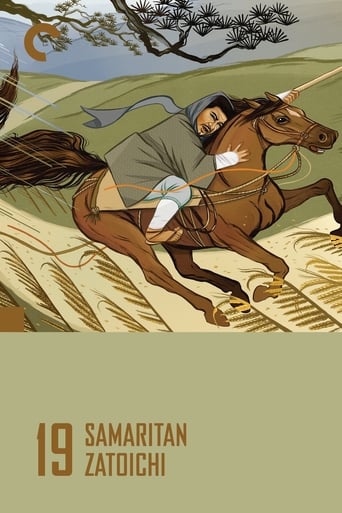 6.8
6.8Zatoichi is forced to kill a young man who owes a debt to a yakuza boss. Moments later, his sister Osode arrives with the money she earned (prostituting herself) to pay his debts. The bosses true motives are revealed and he attempts to steal Osode even though the debt is paid. Zatoichi realizes his grievous error and protects the girl from the gang. Osode and Zatoichi are caught in a dilemma as she must rely on her brother's killer for protection and Zatoichi wrestles with the injustice he has caused.
Samaritan Zatoichi
1968
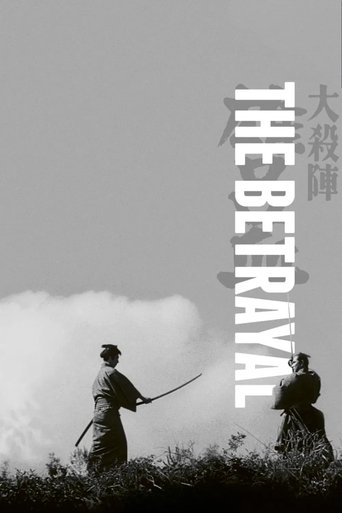 6.5
6.5A naively honorable samurai comes to the bitter realization that his devotion to moral samurai principles makes him an oddity among his peers, and a very vulnerable oddity in consequence. He takes the blame for the misdeeds of others, with the understanding that he will be exiled for one year and restored to the clan's good graces after the political situation dies down. As betrayal begins to heap upon betrayal, he realizes he'll have to live out his life as a ronin, if not hunted down and killed.
The Betrayal
1966
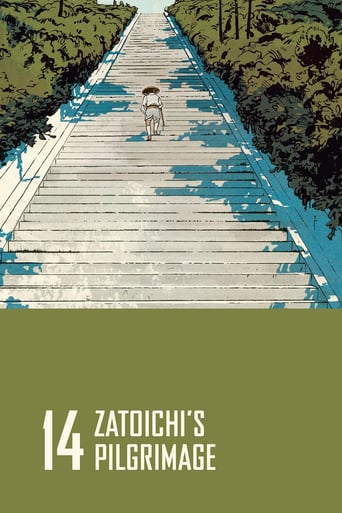 7.1
7.1Zatoichi's trek through 88 temples to atone for his violent past is interrupted as he stumbles into a village terrorized by a violent yakuza boss.
Zatoichi's Pilgrimage
1966
 6.3
6.3Hanpei is a gentle young samurai that loves flowers. One day, he witnesses an old man's quick draw of the sword. He is so impressed that he becomes the old man's pupil. Soon, Hanpei's skill of sword comes to attention of his lord. The lord orders him to assassinate a man...
Sword Devil
1965
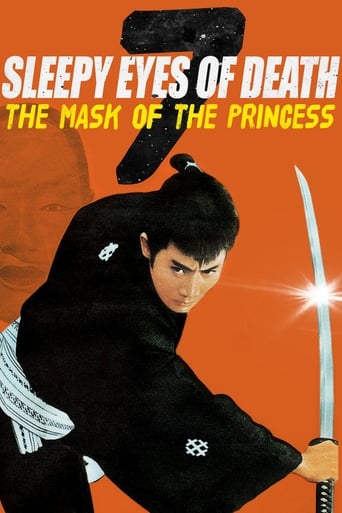 6.6
6.6The masked daughter of the Shogun wants to kill a samurai who has seen her scarred face. She sends waves of ninja warriors to kill the samurai and plots diabolical schemes / ambushes without much success.
Sleepy Eyes of Death 7: The Mask of the Princess
1966
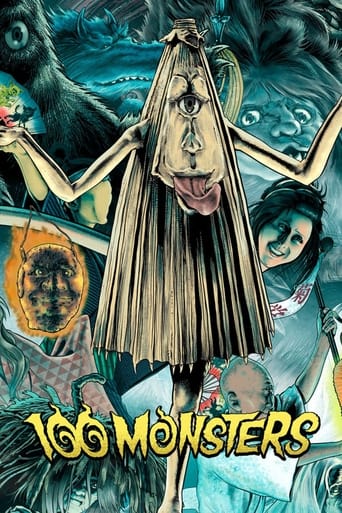 6.6
6.6A greedy developer, in league with a corrupt Shrine Magistrate, brutally tries to drive people out of a tenement building and destroy the shrine in back. But he makes the fatal mistake of hosting a 100 Ghost Stories ceremony without the closing cleansing ritual, opening the door for the Yokai Monsters to punish the wicked.
Yokai Monsters: 100 Monsters
1968
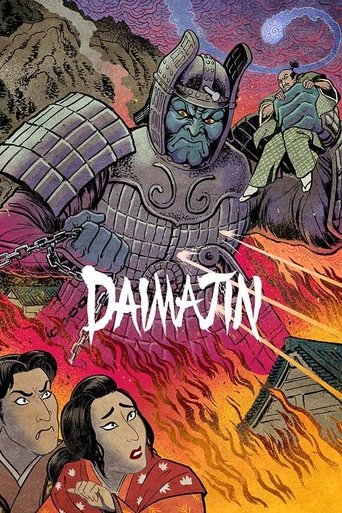 6.5
6.5A giant stone statue comes to life to protect the residents of a small town against the depradations of an evil warlord.
Daimajin
1966
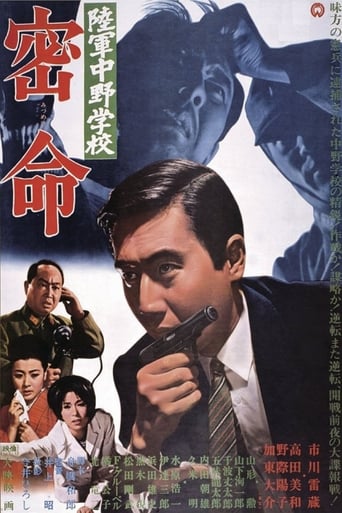 10.0
10.0In the fourth film of series, Secret Assignment, Raizo again plays the Jiro Shiina. This time he's out to discover who is spying for the British in the Foreign Ministry, under the code name “Cat's Eye”.
Secret Assignment
1967
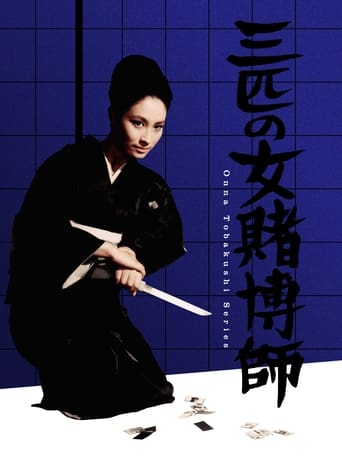 NR
NRFourth film in the long-running series Daiei Studio's Woman Gambler with Kyoko Enami starring where she plays the woman gambler Ogin.
Thoroughbred Women Gamblers
1967
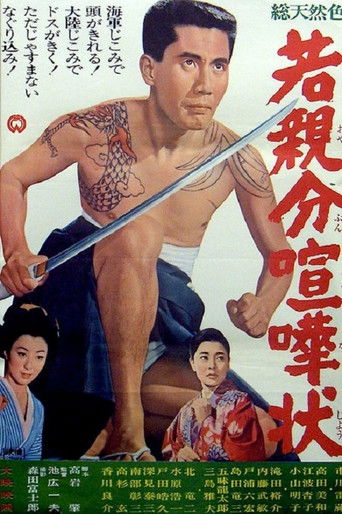 NR
NRNo synopsis available yet.
Young Boss: Invitation to Fight
1966
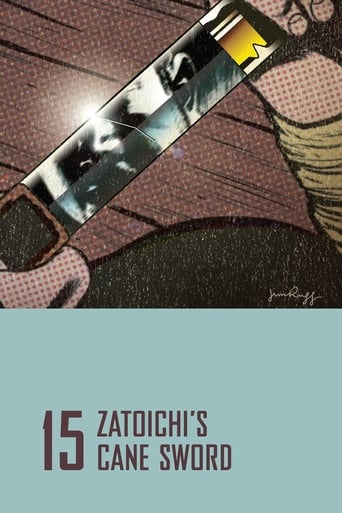 7.3
7.3Zatoichi comes upon the town of Tonda, overrun by gangsters. Using one of his favorite techniques, Zatoichi proceeds to win 8 ryo in a rigged gambling game. Of course, the local gangsters attempt to kill him, and the adventure begins. It turns out a blacksmith named Senzo examines Zatoichi's cane sword, and discovers it to be forged by his old mentor. Senzo discovers the sword is at the end of its usefulness and will break when it is used next.
Zatoichi's Cane Sword
1967
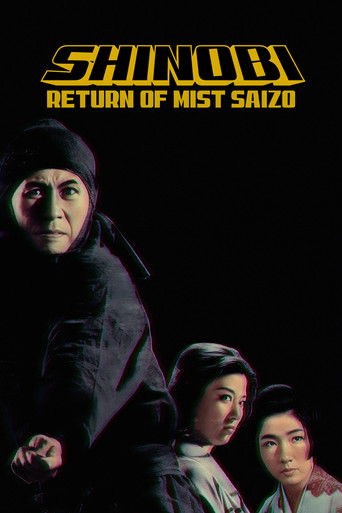 6.5
6.5[Period covered: 1616] On May 8th, 1615 the summer campaign of Osaka has reached the climax. This film takes place immediately following 'Ninja 4: Mist Saizo, Last of The Ninja'. Staying one step ahead of the Shogun’s forces, “Mist” Saizo tries to save the Sanada Clan, and avenge the death of his lord by assassinating the first Tokugawa Shogun. Following the first four films in this remarkable series, more previously unknown Ninja skills are shown to the world for the first time. The action heats up as Saizo single-handedly attacks the Shogun’s Palace!
Shinobi No Mono 5: Return of Mist Saizo
1964
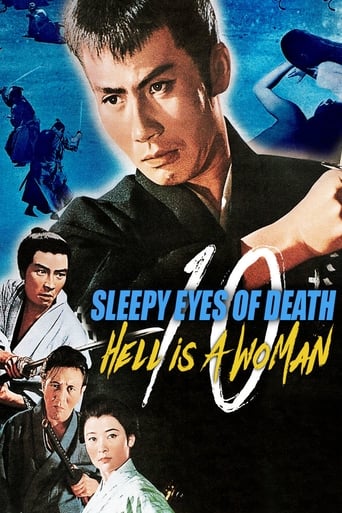 6.8
6.8Two devious retainers are competing to take control of a fief when the current Lord dies, but involving Kyoshiro in the conflict against his will is the textbook example of a bad idea - especially when the collateral damage starts to tick him off.
Sleepy Eyes of Death 10: Hell Is a Woman
1968
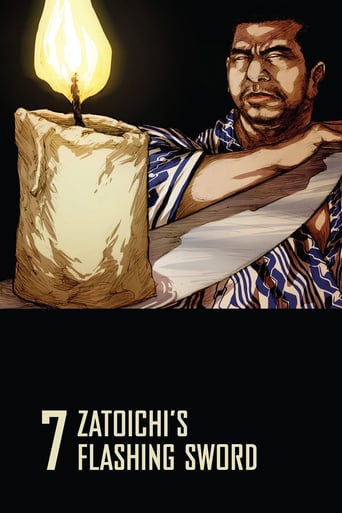 6.9
6.9Blind masseur Zatoichi is nursed back to health by a young woman after he is shot by a gang member. Zatoichi, who had come to the village to repay a debt, now feels further indebted. He commits himself to use his amazing sword skills to help the young woman's father, whose river-crossing service is under attack by the same gang responsible for Zatoichi's wounds.
Zatoichi's Flashing Sword
1964
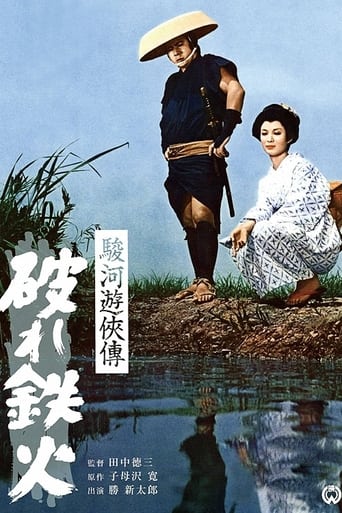 NR
NRThe second film in the "Suruga yukyoden" series, in which Shintaro Katsu plays Jirocho Shimizu. The film features Omasa, Komasa, Ocho, who will become Jirocho's wife, as well as other members of his future family. There is a particularly great swordfight near the end where Katsu and cronies attack the rival villainous yakuza clan to rescue their ailing, elderly boss. The action choreography, cinematography and editing of this sequence is quite brilliant, treading a difficult tightrope act between genuinely goofy antics and exhilirating, bloody violence.
The Life of a Chivalrous Man in Suruga: Broken Swords
1964
 8.0
8.0The tragic, yet exciting story of the friendship between Nakayama Yasubei, a member of the 47 Ronin, and Tange Tenzen, a relative by marriage of the vile Lord Kira.
Broken Swords
1969
 NR
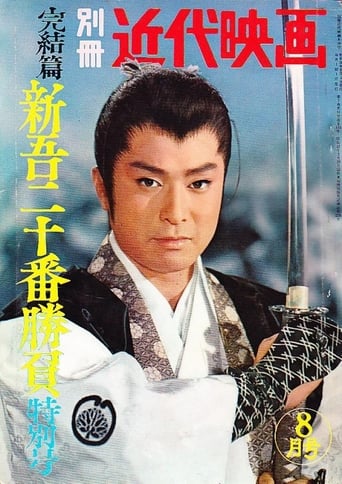
NRThe adventures of Aoi Shingo continue. Shingo is finally given permission to officially meet his father, the Shogun. However, his journey is disturbed by those who wish to claim his life. This is the third part of "THE 10 DUELS OF YOUNG SHINGO", following the first 2 parts (which were actually done as one movie). The tension mounts as young Shingo must face obstacles the like of which he had never before seen. And, can he avenge the death of his master? The man to whom he owes everything.
Shingo's Original Challenge, Part 3
1960
 7.3
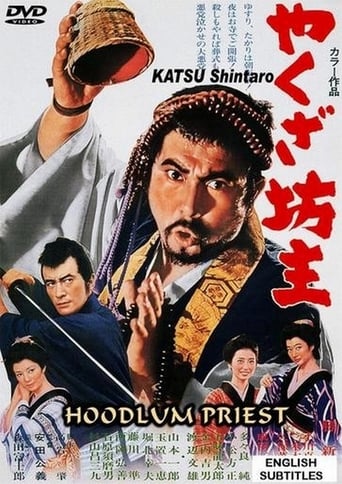
7.3The first film in the 2 part series about Ryuzen, a renegade martial-arts priest who, in addition to breaking all the commandments against sex and gambling, opens his own gambling den in direct defiance of the local yakuza boss. Exciting action and a twisty plot this movie breaks new barriers in Japanese cinema. Katsu Shintaro is superb in one of his better non-Zato Ichi roles as he fights off the advances of a love-lorn woman and risks his life to defeat the powerful gambling boss who has a stranglehold on the town.
The Hoodlum Priest
1967
 NR
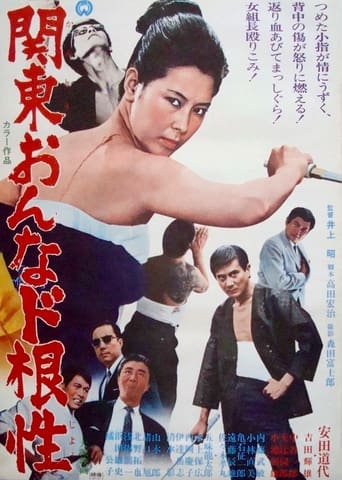
NRNo synopsis available yet.
Kanto Woman Fortitude
1969
 6.2
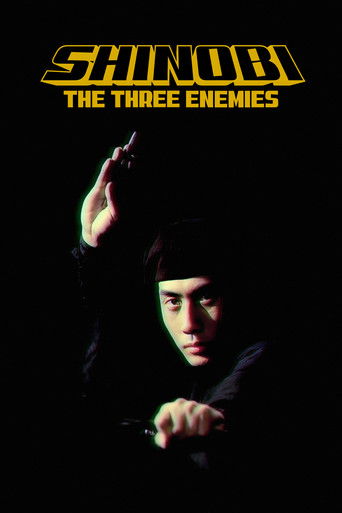
6.2[Period Covered: 1570-1573] Towards the end of the Tenmon Era, Shogun Ashikaga`s powers were weakening by the day and many were there who planned to overthrow him. It was the beginning of the Sengoku (Warring States) period. Three men attack a gunpowder maker in a farmhouse, the first chopping off his arm with his sickle-&-chain weapon, the second blinding him with sword, the third giving the killing blow. His son Kojiro Kosume escapes the attackers as everything he has known up to then explodes into conflagration. He grows up & enters the start of the Tokugawa Era, intent on avenging his father.
Shinobi no mono 8: The Three Enemies
1966
 7.0
7.0Set up to be the patsy by a rival gang, Furuta Makoto attacks the yakuza boss he thinks is responsible for his father’s murder. He then learns it was all a plot to take over his father’s turf and he seeks vengeance against the puppet master behind the entire conspiracy. His quest for justice leads him to prison where he must fend off the attack of a master assassin before he can make his escape and go after the true killer!
Prison Break
1969
 6.8
6.8Isazo is a traveling gambler and living legend in the world of yakuza, known for his swordsmanship and bravery, his impeccable manners, and his brilliant talent in gambling. One late fall at an inn in Kiso Fukushima, Isazo befriends a young boy whose mother turns out to be his old love Yoshino, with whom he was not unable to consummate a marriage due to the class differences between them.
Lone Wolf Isazo
1968
 6.3
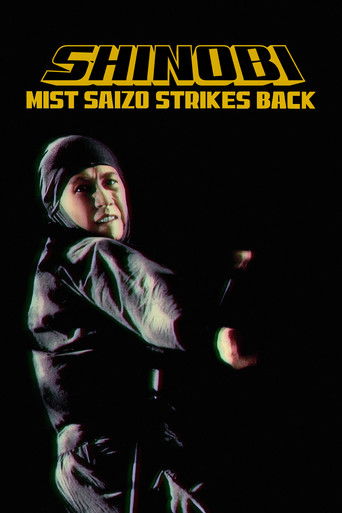
6.3[Period covered: 1616] Kirigakure Saizo returns for the final time as he sets out to assassinate Tokugawa Ieyasu in order to avenge the death of Lord Sanada Yukimura. But first he must contend with Ieyasu’s own ninja group led by the powerful Fuma Daijuro, who has a score to settle with the men of Iga that dates back 280 years to the war between the Genji and the Heike at the Battle of Dan-no-Ura. Tremendous fighting and great plot twists highlight this exceptional look into the lives of the mysterious ninja of Japan.
Shinobi no mono 7: Mist Saizo Strikes Back
1966
 8.0
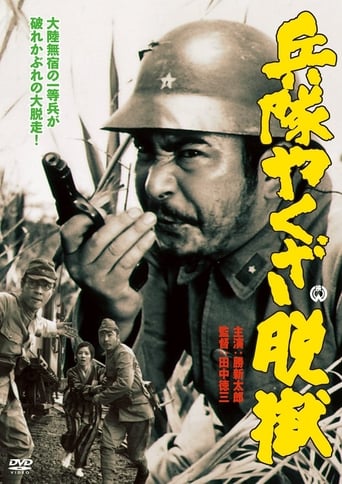
8.0No synopsis available yet.
The Front Line Showdown
1966
 8.5
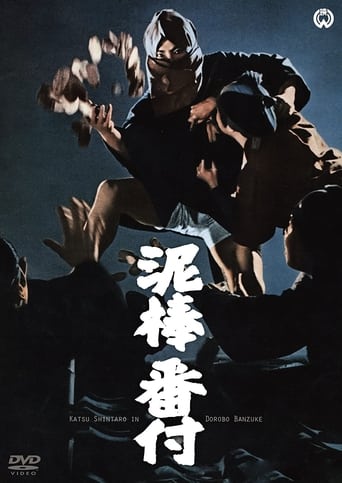
8.5In the book of the world's greatest rogues, the number one man can only be one person.
The Thieves' Who's Who
1966
 6.8
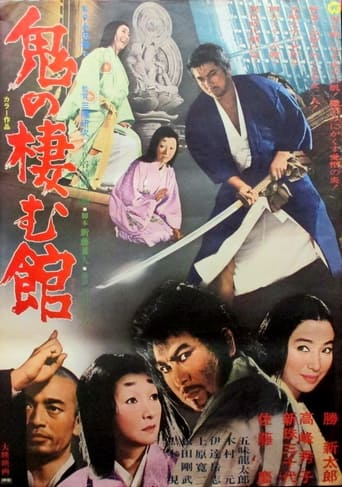
6.8An abandoned temple in the mountains outside of the old capital city of Kyoto is the scene of a fated meeting between a traveling priest, two women, and a vicious killer. Bloody violence erupts whenever strangers approach the temple. Can the traveling priest bring his belief in the Buddha and rid the three temple residents of the devils that hold their souls?
Devil's Temple
1969
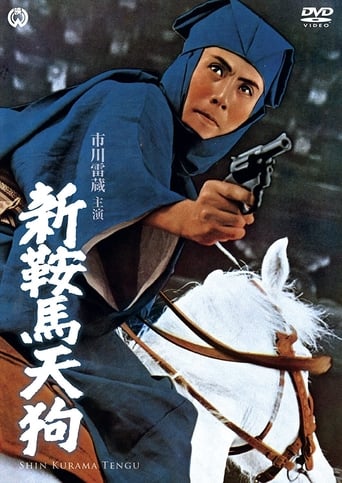 NR
NRThe film is set in Kyoto at the end of the Tokugawa period, when there is a fierce clash between the supporters of the Emperor, who are fighting for the overthrow of the Shogunate, and the Shinsengumi squad, who are chasing them. Suddenly, a mysterious masked warrior appears, on a white horse he is called Tengu from Mount Kurama and he opposes the Shinsengumi.
New Tengu from Mount Kurama
1965
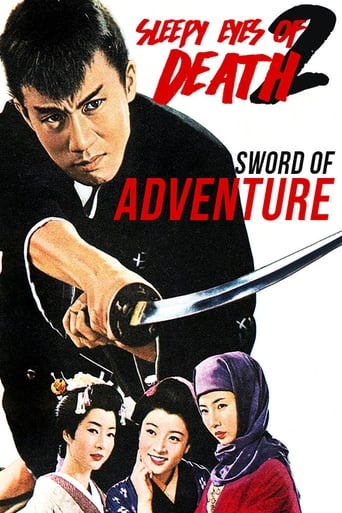 5.8
5.8Wandering samurai Nemuri Kyoshiro (Raizô Ichikawa) finds a bulls-eye on his back after befriending the shogunate's tightfisted financial adviser, Asahina, who's earned the wrath of the shogun's self-indulgent daughter for cutting off her allowance. The enraged princess promptly hatches a scheme to have Asahina bumped off -- along with his protector, Kyoshiro. Shiho Fujimura also stars in this installment of the enormously popular film series.
Sleepy Eyes of Death 2: Sword of Adventure
1964
 7.0
7.0First movie of the Inu series directed by Tokuzō Tanaka
Homeless Dog
1964
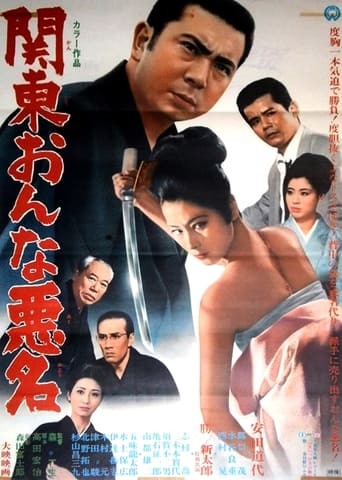 4.0
4.0No synopsis available yet.
Kanto Woman Infamy
1969
 6.1
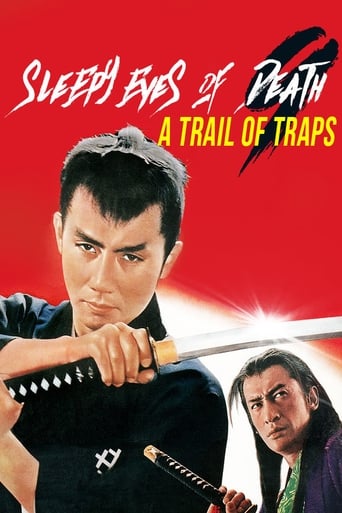
6.1The Son of the Black Mass returns in this ninth installment in Daiei's longstanding Nemuri Kyoshiro series. This time Raizo Ichikawa as Nemuri is called to see that a gold statuette of the Virgin Mary gets safe passage to Kyoto from the prying hands of a sect of murderous Christian ronin that call themselves the Black Finger Group.
Sleepy Eyes of Death 9: Trail of Traps
1967
 10.0
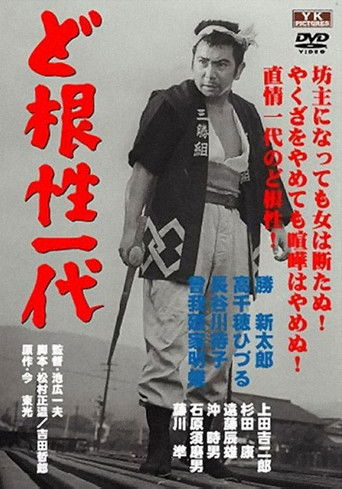
10.0A poor rickshaw driver finds himself helping a young woman and her son after the woman's husband dies suddenly.
Life of Matsu the Untamed
1965
 6.4
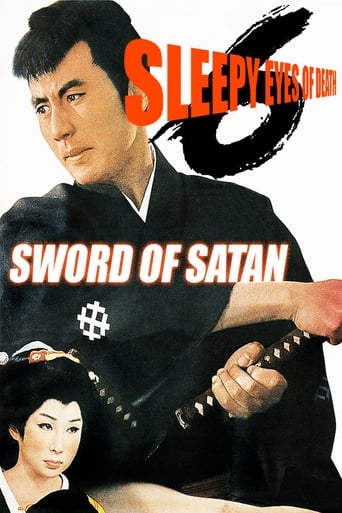
6.4Sixth film in the series. A little boy who just wants to be a carpenter is at the center of a plot that might topple -- or save -- a mighty Clan, and while the swords of some angry samurai may not cause Kyoshiro much trouble, the deadly wiles of two women may be more difficult to survive!
Sleepy Eyes of Death 6: Sword of Satan
1965
 6.0
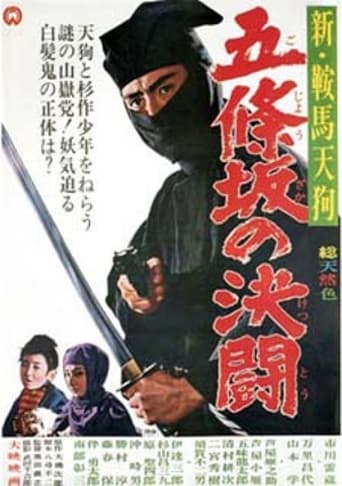
6.0At the end of the Edo period in Kyoto, the ronin Kurayoshi Norizen rents the second floor of a hardware store and lives a carefree life, running a temple school. However, his true identity is Kurama Tengu, who appears to help a patriot in a difficult situation when he is attacked by the Shinsengumi, and then disappears like smoke.
New Kurama Tengu: Gojozaka Duel
1965
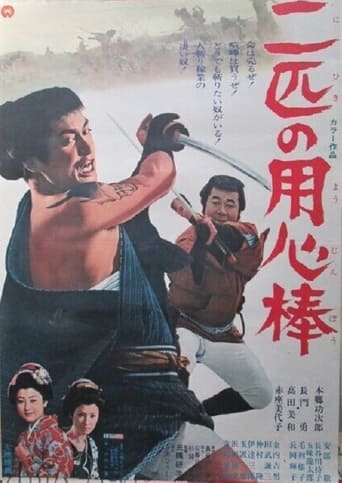 8.0
8.0Film directed by Kenji Misumi
The Two Bodyguards
1968
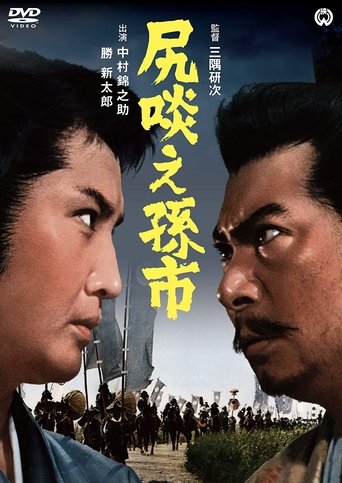 6.2
6.2Lord Oda Nobunaga gains control of nearly all of Japan and tries to enlist the aid of Magoichi and his 3.000 gunners.
The Magoichi Saga
1969
 8.0
8.0No synopsis available yet.
駿河遊侠伝 度胸がらす
1965
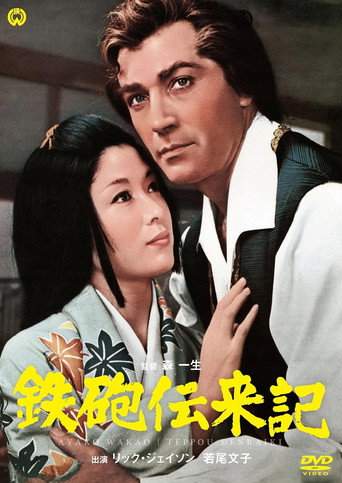 5.5
5.5Well before “Shogun” as warring clans were fighting for power throughout Japan, a Portuguese vessel ran aground off Tanegashima. Lord Tokitaka helped Captain Pinto repair his ship. The grateful captain offered the lord a gift--a matchlock musket—the first firearm ever seen in Japan. But like a great stone hurled into placid waters, this simple gift will start a revolution. Tokitaka tasks Kinbei, his greatest swordsmith, to copy this musket and build guns for Japan. While Kinbei struggles to forge Japan’s first musket, a great love blooms between Captain Pinto and Kinbei’s daughter Wakasa. But for Kinbei, to let Wakasa marry Pinto and go to Portugal is unthinkable. And as Kinbei creates Japan’s first matchlock factory, Lord Oda Nobunaga will seize upon firearms as the key to sweep all other clans before him, tearing a blood-soaked path of destruction through Japan.
The Saga of Tanegashima
1968
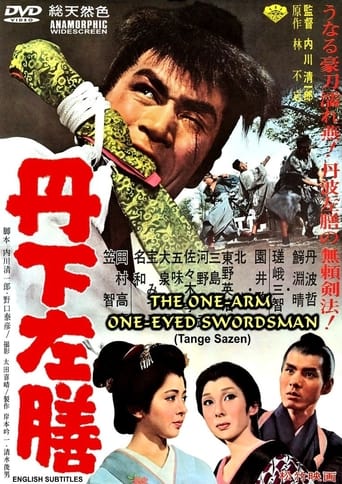 9.0
9.0In 1730, the Tokugawa Shogunate orders the Yagyu Clan to repair a huge shrine. Since it cannot refuse the Shogunate's request, the impoverished Yagyu Clan tries to raise funds by obtaining a sword which holds the key to a wondrous, hidden treasure. After learning the sword's secret, Tange Sazen sides with the Yagyu Clan, but his motive seems to be more than just pure interest in the treasure...
Tange Sazen
1963
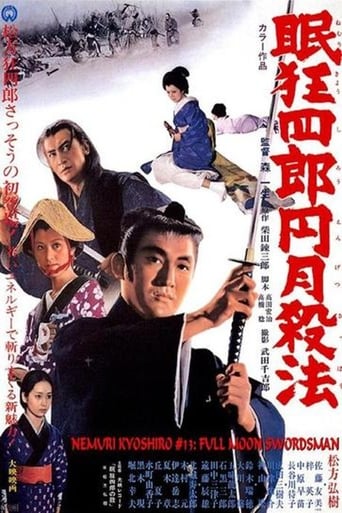 5.4
5.4Inspector General Kanjuro Sano conspires with the future shogun twin brother. They replace Ieyoshi Tokugawa with his twin, but it becomes a problem when suspicion arises and Nemuri Kyoshiro gets involved.
Sleepy Eyes of Death 13: The Full Moon Swordsman
1969
 10.0
10.0A 16-year-old boy is ordered to commit ritual suicide to follow his deceased lord into death and preserve the honor of his clan. His elder brother's wife, who has raised him as if he were her own child, asks her husband for permission to spend a single night with the young man and teach him the pleasures of the flesh, out of motherly mercy and desire. However, the following day, a newly issued official decree changes everything...
The Tragedy of Bushido
1960
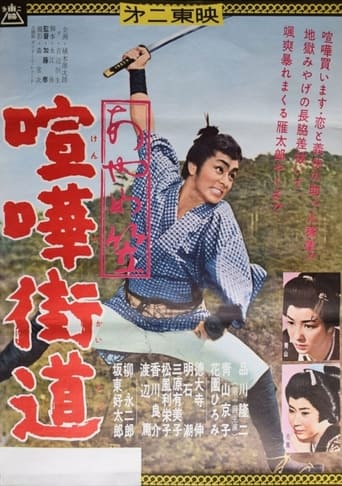 6.0
6.0A dashing edition with fights , love, and laughter, in which the sorrows and joys of the guiltless world are colored by the guiltless travel crow, Ayame 's Gantaro, with the turbulent and exciting Wakizashi Hitoshi .
Road Warriors
1960
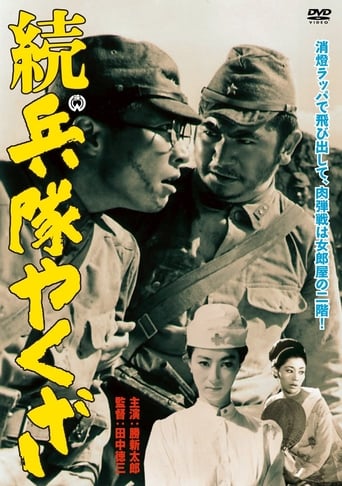 9.0
9.0No synopsis available yet.
Hoodlum Soldier and the C.O.
1965
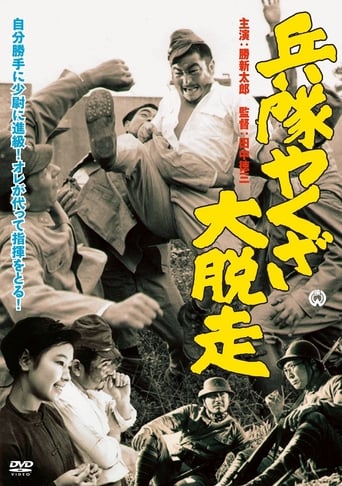 7.0
7.0No synopsis available yet.
Hoodlum Soldier's Flight to Freedom
1966
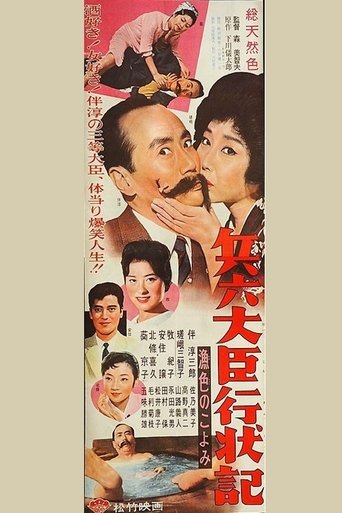 NR
NR1961 Japanese movie
兵六大臣行状記 漁色のこよみ
1961
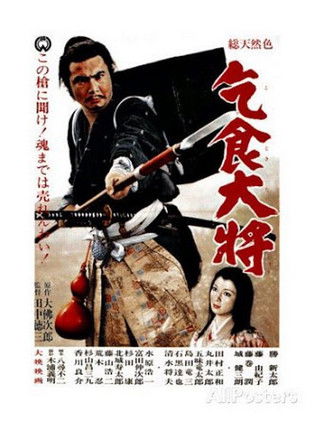 7.0
7.0No synopsis available yet.
The Beggar General
1964
1950s · 6 titles
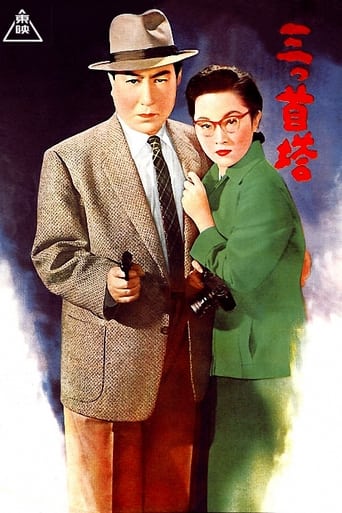 7.0
7.0Newly graduated Miyamoto Otone is to inherit a fortune from a distant relative on the condition that she marries Takato Shunsaku, a man she has never heard of. The lawyers haven't located Shunsaku yet, allowing Otone to think about whether she accepts the conditions of the will. One month later after, Takato Shunsaku is found. Murdered. At the birthday party of Otone's uncle. With Shunsaku dead and thus making it impossible for Otone to marry him, the inheritence is to split amongst all (living) family members. And yes, as always, that means that the potential successors get killed off one by one. But Kosuke Kindaichi is on the trail...
Three-Headed Tower
1956
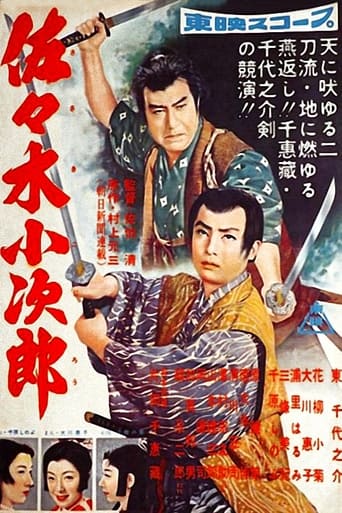 6.0
6.0Ronin Sasaki Kojiro pursues his ultimate goal of becoming a master swordsman. Along the way he encounters another great swordsman, Miyamoto Musashi.
Sasaki Kojiro
1957
 6.0
6.0It's fighting fires and swordsmen with a touch of music in this free-for-all of action and excitement combining the talents of Japan's most popular couple... Misora Hibari and Okawa Hashizo. Along with the great Otomo Rytaro as Tatsugoro the fire chief, they keep Edo safe as part of the famed Megumi Fire Squad.
Cantankerous Edo
1957
 NR
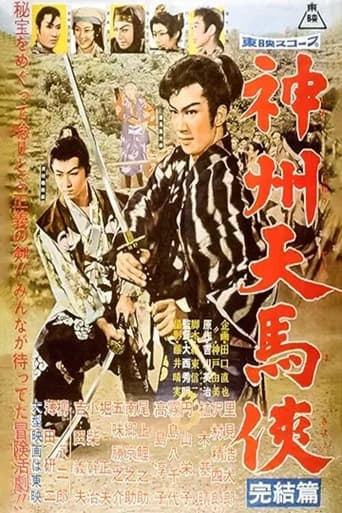
NRIn a desperate crisis, Inamaru is plunged into the dark sea by a strike from Tokugawa Ieyasu. Ryutaro desperately tries to rescue Inamaru. However, it's not just Ieyasu who aims for him and the precious treasure of the Unshaken Banner. Various individuals, good and evil alike, are aiming for the foothills of Mount Fuji where the hidden treasure lies.
神州天馬侠 完結篇
1958
 NR
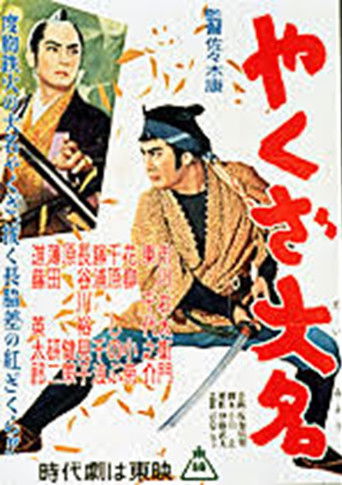
NRNo synopsis available yet.
やくざ大名
1956
 5.5
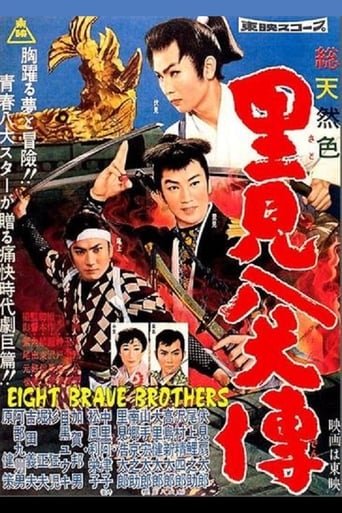
5.5One day, Yoshimi Satomi, the castle owner of Takita Castle in the country of Anbo, and his confidant Daisuke Kinba, on the way to hunt wild boars, felt sorry for a small dog that was about to be swallowed by a giant snake like a giant tree, and killed the serpent in a fierce battle and saved the puppy. Yoshimi decided to keep the puppy, naming it Hachibo. Now the Serpent Demon is determined to destroy Takita Castle, while Hachibo defends it with his life. His spirit is split into eight, and eight brave warriors must unite to defeat the demoness snake.
Eight Brave Brothers
1959
Series credits
7.8Hasegawa is a chief police of big heart who leads a band of samurai police and cultivates reformed criminals as informants to solve difficult crimes.
Onihei Hankachō
1989
8.0A shikakenin was an under-the-cover trade that undertook killing in Edo. Hanemon of Otowa, an agency that introduced laborers and maids, was also one of these. Katsugoro Iseya was a timber dealer who had come in as a client. His target was the constructions magistrate Hanno, and the Tatsumiya who sipped on the benefits. Hanemon who had a stong code towards killing, where he would only kill those who do no good to be in the world, accepts this request. Baian Fujieda, a needle doctor would carry out the killing. However, the professional killer Baian fails to bring down Tatsumiya. Hanemon then looks to another shikakenin, the ronin Sanai Nishimura for the role. Although Sanai's ability with the sword is good, he lives poorly in a tenement, and accepts this commission on the condition that it is kept a secret from his wife and child. Here, they close in on Hanno and Tatsumiya again...
Professional Killers
1972
8.0Monjiro was born into a poor farm family in Mikazuki Village, Nitta County, Ueshu, and abandoned his hometown when he was 10 years old. He has been traveling aimlessly with a long toothpick in his mouth. Monjiro avoided getting involved in anything, but wherever he went, he ended up getting involved in incidents
Kogarashi Monjiro
1972
NRChiba Shusaku: Kendo Masshigura is a Japanese period drama that aired on the TBS network from November 2, 1970 to August 30, 1971 in the "Brother Gekijo" slot. It ran for 44 colour episodes of 30 minutes each. Based on Sohachi Yamaoka's novel "Chiba Shusaku", it depicts the youth of Chiba Shusaku, founder of the Hokushin Itto-ryu school of swordsmanship. A hot-blooded young man who calls himself Shusaku enters the dojo of Asari Matashichiro and, through encounters with all kinds of people, grows rapidly both in swordsmanship and in character. Produced by TBS and Shochiku. Rerun on the Japanese CS channel Jidaigeki Senmon Channel from March 17, 2025.
Chiba Shusaku: Kendo Masshigura
1970