

Acting
Kirsti Hurme
Born — Died
1916-07-22 — 1988-08-03
Place of birth
Turku, Finland
Known for
Acting
Credits
17 titles
Kristi Hurme (22 July 1916 – 3 August 1988) was a Finnish actress best known for her femme fatale roles in the 1940s.
Known for
 7.0
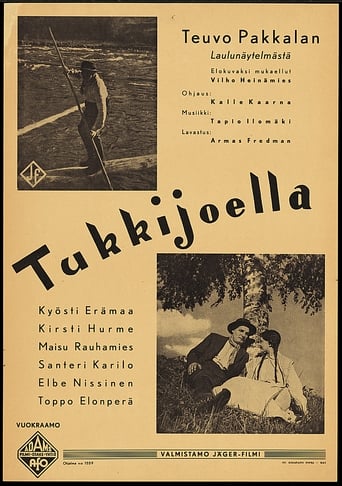
7.0Second adaptation of Teuvo Pakkala's popular play about Finnish lumberjacks.
Tukkijoella
1937
 4.2
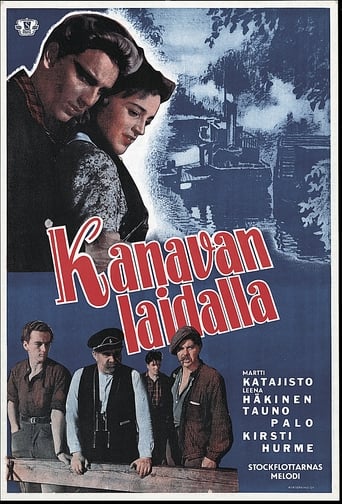
4.2Eerikki Lind, a young university student working as a sailor, falls in love with the beautiful Kirsti on the canal. The budding Midsummer romance between the young people is overshadowed by jealousy and the tragic love story of Kirsti's parents.
Kanavan laidalla
1949
 5.5
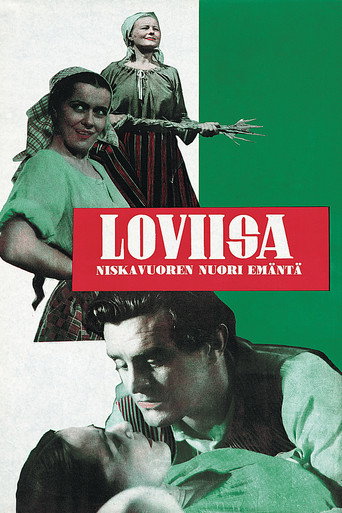
5.5Strong women take care of the property while the men focus on chasing women.
Loviisa – Niskavuoren nuori emäntä
1946
 6.0
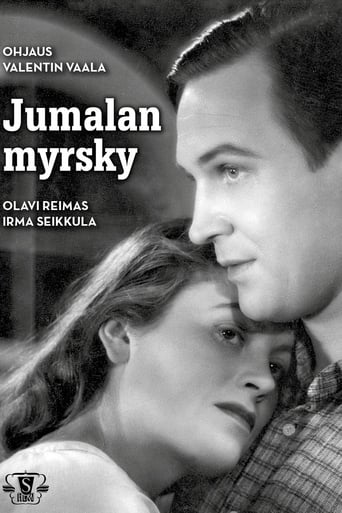
6.0Kilian Melker, heir to a trading house, becomes head of a large enterprise on which the entire future of the financially troubled company depends. He falls in love with Hanna, the daughter of the Niskala family, but marries the wealthy Elisa Karhelin to save his family's fortune.
Jumalan myrsky
1940
 9.0
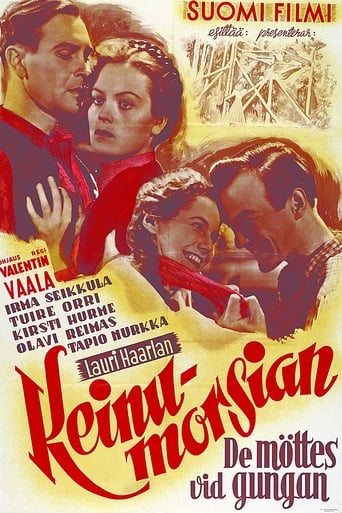
9.0Jarvala's daughter Aliina and the miller Jalmari Hurttia are in love with each other. Jarvala's father does not approve of the miller as a son-in-law, because he wants his daughter to marry into wealth. The wealthy widower Elias Horha proposes to Aliina, who eventually agrees to marry the old man.
Keinumorsian
1943
 7.0
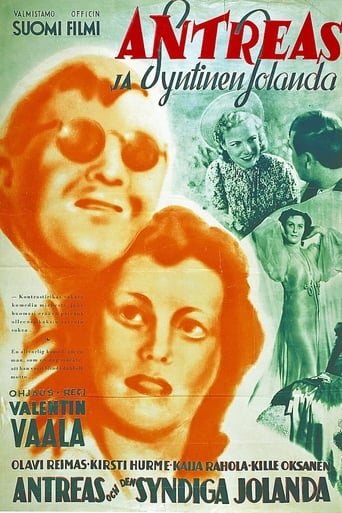
7.0Blind since birth, Antreas Tuurio earns a meager living selling brushes at the Market Square. Despite his disability, he is a cheerful and optimistic person. Kind high school girl Martta loves Antreas, while office worker Jolanda is the fulfillment of his dreams. The blind and poor man's feelings are not reciprocated, but when he inherits millions, even the flighty Jolanda seeks Antreas' company.
Antreas ja syntinen Jolanda
1941
Film credits
1950s · 2 titles
 4.8
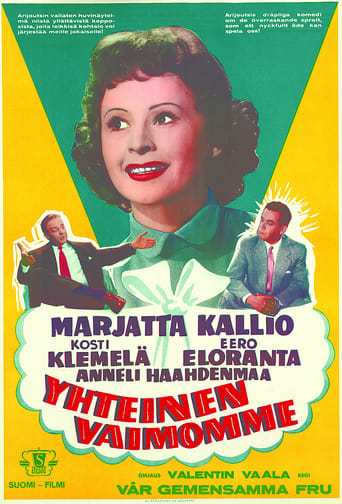
4.8A story set in post-war Helsinki, where the last released prisoners of war arrive. They are accompanied by Captain Erkki Lahtinen, who returns to his home and back to his wife Jenni. However, during his four-year imprisonment, Erkki has been pronounced dead and Jenni has remarried to office manager Nevamaa.
Yhteinen vaimomme
1956
 5.9
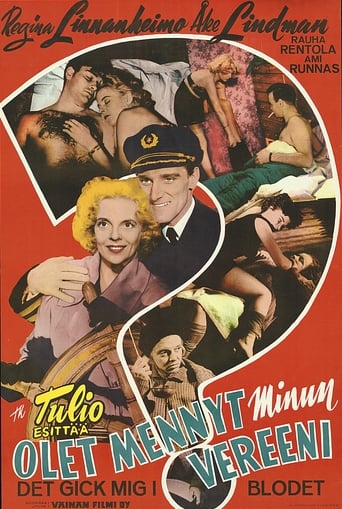
5.9Remembering the past, Rea returns to the moment that changed her life. Coming of age, Rea's alcoholic fate is wrapped around two men, composer Tauno Tarras and sea captain Erkki.
Olet mennyt minun vereeni
1956
1940s · 13 titles
4.2Eerikki Lind, a young university student working as a sailor, falls in love with the beautiful Kirsti on the canal. The budding Midsummer romance between the young people is overshadowed by jealousy and the tragic love story of Kirsti's parents.
Kanavan laidalla
1949
5.5Strong women take care of the property while the men focus on chasing women.
Loviisa – Niskavuoren nuori emäntä
1946
6.0Kilian Melker, heir to a trading house, becomes head of a large enterprise on which the entire future of the financially troubled company depends. He falls in love with Hanna, the daughter of the Niskala family, but marries the wealthy Elisa Karhelin to save his family's fortune.
Jumalan myrsky
1940
9.0Jarvala's daughter Aliina and the miller Jalmari Hurttia are in love with each other. Jarvala's father does not approve of the miller as a son-in-law, because he wants his daughter to marry into wealth. The wealthy widower Elias Horha proposes to Aliina, who eventually agrees to marry the old man.
Keinumorsian
1943
7.0Blind since birth, Antreas Tuurio earns a meager living selling brushes at the Market Square. Despite his disability, he is a cheerful and optimistic person. Kind high school girl Martta loves Antreas, while office worker Jolanda is the fulfillment of his dreams. The blind and poor man's feelings are not reciprocated, but when he inherits millions, even the flighty Jolanda seeks Antreas' company.
Antreas ja syntinen Jolanda
1941
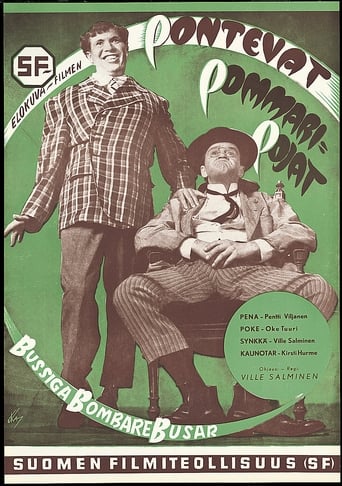 5.5
5.5Poke and Pena, two private investigators in debt, see an advertisement in the newspaper about Dr. Peltonen's disappearance and the promised reward for finding him. The boys retreat to investigate the case in a house they have rented in the countryside, which happens to be next door to the criminal gang that kidnapped the doctor. The gang's boss, 'Synkkä' (Gloomy), and his sister, 'Kaunotar' (Beauty), try to distract the boys by hiring them to guard their villa.
Pontevat pommaripojat
1948
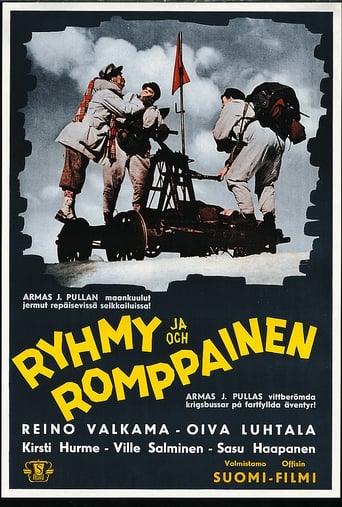 6.0
6.0Sergeant Kalle Ryhmy, Second Lieutenant Ville Romppainen, and Mörökölli the cat travel from the front lines to Helsinki for a vacation. The trio, traveling by train, rescue the mysterious beauty Dora and Argentine war reporter Santa Rosa from a snowdrift, who lead them on the trail of an international spy ring hunting for military secrets.
Ryhmy ja Romppainen
1941
In February-March 1940, Suomi-Filmi produced four Military Jokes, sleazy propaganda entertainment, by "those great grins" Tatu Pekkarinen (1892-1951) and Matti Jurva (1898-1943). The third Military Jokes was screened at the end of February, two weeks before the end of the Winter War. In addition to Jurva, Hannes Veivo, Onni Veijonen and Kirsti Hurme appear. The themes of the jokes: bad things come from nothing and one's own help is the best help. Dinner in a Soviet paradise: before a cabbage field blossomed on the Russian doorstep, now a political truck feeds him with its words. The neutrality guarantee and security guarantee are mocking Sweden and England. Over the city, Moscow casts its shadow...
Suomi-Filmin sotilaspila 3
1940
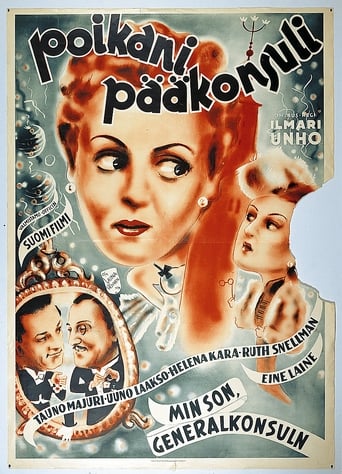 6.3
6.3Perky student Inkeri 'Iiri' Paappanen and businessman Taavi Takkulainen fall in love during a boat trip, but a misunderstanding at a hotel in Stockholm causes their break-up. Returning to Finland, Inkeri applies to become a governess and gets a job at Taavi's parents' family. Consul General Albert, Taavi's brother intends to take advantage of Iiri in his political endeavors.
Poikani pääkonsuli
1940
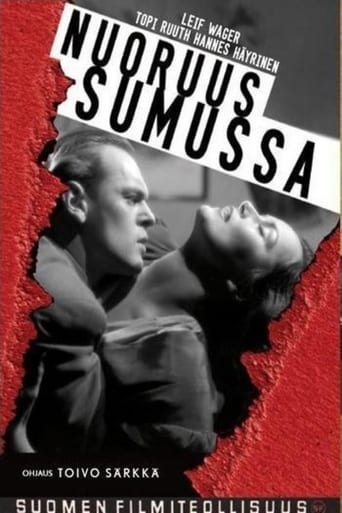 7.5
7.5Three young men trying to find a place in society after the war.
Nuoruus sumussa
1946
 5.7
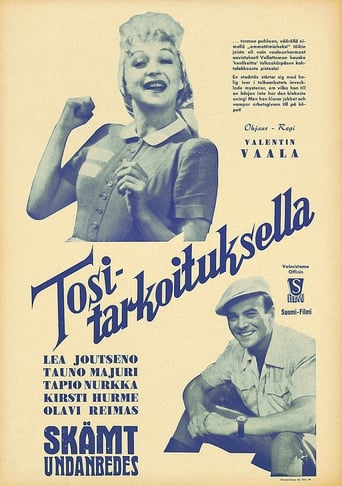
5.7A young woman leaving the city for the countryside encounters the concept of voluntary work - new to her. She eventually does good, and charms the employer at the same time.
Tositarkoituksella
1943
 5.2
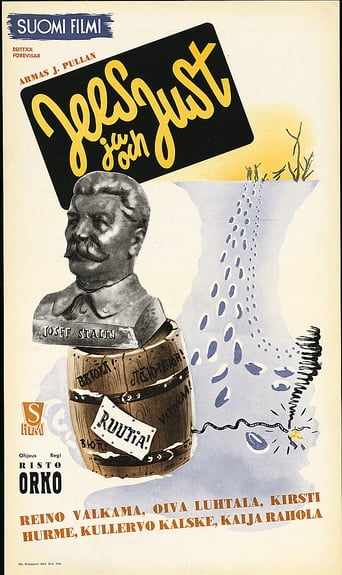
5.2Second Lieutenant Romppainen and Sergeant Ryhmä are tasked with blowing up the enemy's ammunition depot. They surrender themselves as prisoners in order to easily reach the Russian side. The resourceful friends and their cat Mörökölli cause all sorts of trouble, especially for the tough female commissar Vengrovska, who is more of a pretty opponent than a scary one.
Jees ja just
1943
 6.2
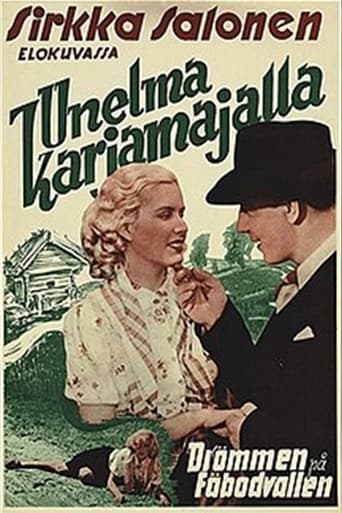
6.2A small village provides a scene for intrigues, fights, love, jealousy, accusations, and revenge.
Unelma karjamajalla
1940
1930s · 2 titles
7.0Second adaptation of Teuvo Pakkala's popular play about Finnish lumberjacks.
Tukkijoella
1937
 3.6
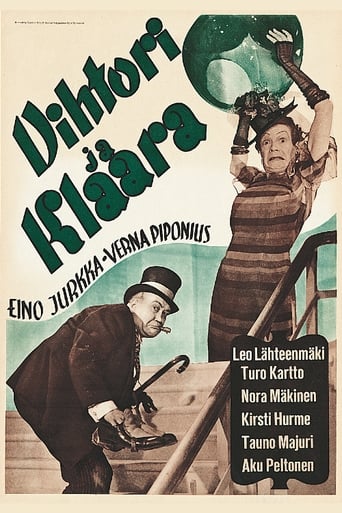
3.6The film revolves around Vihtori's clandestine involvement with an attractive and rather worldly young woman named Ritva, who is planning to marry boxing champion and garage owner Klasu Tullari, son of Vihtori's friend Tomi, and their interactions with daughter Vappu and her fiancé, Peter von Schaslick, a mechanic in Klasu's garage, under the nose of the threatening and suspicious Klaara, with lazy son Nisse acting as a rather sardonic Greek chorus. Teuvo Tulio's only comedy.
Vihtori ja Klaara
1939