

Directing
Will Hindle
Born — Died
1929-12-29 — 1987-04-07
Place of birth
Shreveport. Louisiana, USA
Known for
Directing
Credits
14 titles
Will "William Mayo" Hindle (December 29, 1929 – April 7, 1987) was an independent American filmmaker of personal visual 16mm movies. From 1958 to 1976, he made ten 16 mm motion pictures. He employed complex rear-projection rephotography, slow motion, and subtle tinting techniques in his work. His movies have been widely praised for their astonishing cinematic techniques and deep personal feeling. Description above from the Wikipedia article Will Hindle, licensed under CC-BY-SA, full list of contributors on Wikipedia.
Known for
 7.0
7.0Jonas Mekas assembles 160 portraits, appearances, and fleeting sketches of underground and independent filmmakers captured between 1955 and 1996. Fast-paced and archival in spirit, the film celebrates the avant-garde as its own “nation of cinema,” a vital community existing outside the dominance of commercial film.
Birth of a Nation
1997
 NR
NRDuring the 1970s I shot, helped to make, or commissioned about ten document films, mainly about film-makers. This film is one of them. It was made with Dan Ochiva, who acted as cameraman on about half of the footage. I shot the rest, and then edited the film. It is a record of a conference held at the State University of New York at Buffalo on March 22-25, 1973. Among the participants filmed were Gerald O'Grady (who organized the conference), Will Hindle, Stan Brakhage, Jonas Mekas, Robert Creeley, Bruce Baillie, Scott Bartlett, Hollis Frampton, Ken Jacobs, Ed Pincus, Stan Vanderbeek, Ed Emshwiller, Sally Dixon, James Cox. This footage will eventually become part of my film PEOPLE, PLACES, THE 1970S. –R. H.
Notes on the Buffalo Conference: “Autobiography in American Independent Cinema”
1973
 NR
NRSet to the music of Hindemith, filmed entirely in a Gothic cathedral and edited to precision counter-point. An almost somber beginning that rises to brilliant exaltation. As with PASTORALE, extremely innovative for its day and even now. Entire film was an "optical print" to retain light nuances. Has never been placed in competition.
Non Catholicam
1963
 NR
NRWhat happens to a corporeal system when it's exposed to rabies and yellow fever.
Pasteur³
1976
 7.0
7.0A wordless impressionistic 'documentary' about a boys' camp.
Billabong
1968
 8.0
8.0Hindle's prize-laden work of cataclysmic visual and mental schisms stands as one-of-a-kind. Human universals crammed into a moment (infinity?) in one small enclosure (the universe?). The identifying viewer will judge.
Chinese Firedrill
1968
Film credits
Behind the camera
NRSet to the music of Hindemith, filmed entirely in a Gothic cathedral and edited to precision counter-point. An almost somber beginning that rises to brilliant exaltation. As with PASTORALE, extremely innovative for its day and even now. Entire film was an "optical print" to retain light nuances. Has never been placed in competition.
Non Catholicam
1963
NRWhat happens to a corporeal system when it's exposed to rabies and yellow fever.
Pasteur³
1976
7.0A wordless impressionistic 'documentary' about a boys' camp.
Billabong
1968
8.0Hindle's prize-laden work of cataclysmic visual and mental schisms stands as one-of-a-kind. Human universals crammed into a moment (infinity?) in one small enclosure (the universe?). The identifying viewer will judge.
Chinese Firedrill
1968
 5.8
5.8Renewed income and the ability to work on one's own produced this feeling and work. A Promethean awakening, de-bonding of the human spirit ... reaching for the unfiltered blaze of Light and Life. The driving sounds of heart beat, fanfare for the Common Man and devotional chants. A time of sharing ... a touch of vision in the night.
FFFTCM
1967
 4.5
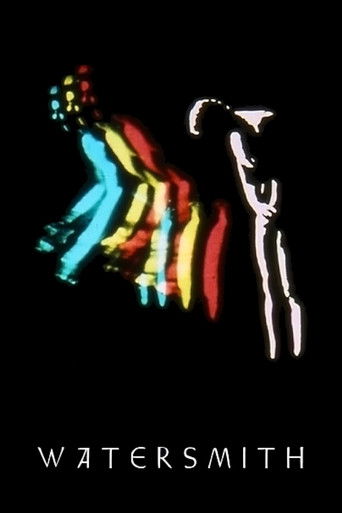
4.5Abstract visual poem celebrating the freedom of bodies moving through water. A filmmaker unconcerned with plot films the practice of an olympic swimming team and creates a visually stunning work.
Watersmith
1969
 NR
NRThis remained in limbo for 24 years. The only people to have ever seen it were a few handfuls of Hindle's and, later, Shellie Fleming's students. Working from the only surviving print and Will's original magnetic sound masters, the Academy Film Archive has restored the film. Additional Will Hindle films are also in the process of being restored. Preserved by the Academy Film Archive in 2011.
Trekkerriff
1987
 6.0
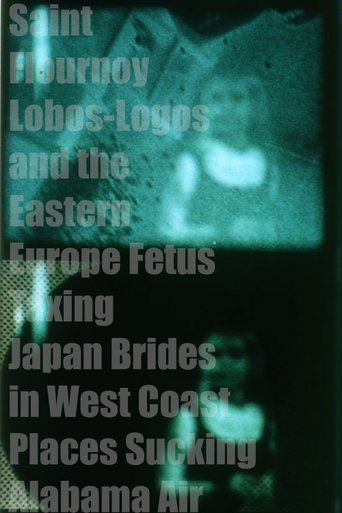
6.0Presaging details and intent of the Charles Manson's cult and actions was not meant to be one of this film's greater attributes. It was, however, filmed uncannily months before the facts were known. The resemblance is oblique. The film: the mysticism of a "calling," a journey to be made, a vision in mid-desert to behold and oneness with it all. Filmed in Death Valley.
Saint Flournoy Lobos-Logos and the Eastern Europe Fetus Taxing Japan Brides in West Coast Places Sucking Alabama Air
1970
 9.0
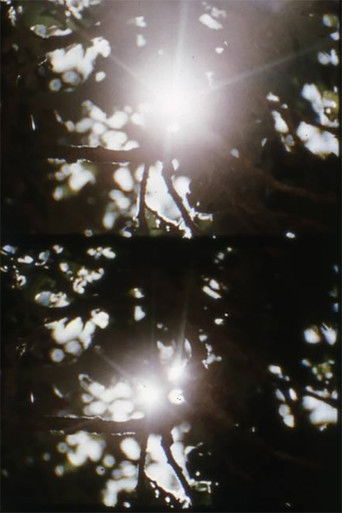
9.0PASTORAL D'ETE is one of the nation's first works of the Personal Film movement. Hindle dovetails the lyrical images of a singular high summer's day heat. A poignant first work. Initially used camera settings and lens operations. Evidences the mastery of editing to come. Preserved by the Academy Film Archive in partnership with Pacific Film Archive in 2012.
Pastorale d'été
1958
 NR
NRHindle's first all-southern-made work, filmed shortly after moving his studio from San Francisco to the lower Appalachians. Jackie Dicie sings the song in disruptive out-of-synchronization. It is Hindle's first-water attempt to express the southern country mode of existence ... the alone woman and the lonesome land. Preserved by the Academy Film Archive, in partnership with Pacific Film Archive, in 2012.
Later That Same Night
1971
 NR
NRA rude and abrupt departure from Hindle's two early visual poems. Between those early works and MERCI, Hindle was sought to film the Winter Olympics, 150 short works for Westinghouse/CBS, and the South Sea voyages of Sterling Hayden's schooner, "Wanderer." The inability to get on with his own work produced MERCI. A poignant comment concerning the film artist's dilemma. Aftermaths of Western Civilization. Including never-seen-elsewhere Nazi footage inserts.
29: Merci, Merci
1966