
Directing
Joel Singer
Known for
Directing
Credits
15 titles
Known for
 7.0
7.0Jonas Mekas assembles 160 portraits, appearances, and fleeting sketches of underground and independent filmmakers captured between 1955 and 1996. Fast-paced and archival in spirit, the film celebrates the avant-garde as its own “nation of cinema,” a vital community existing outside the dominance of commercial film.
Birth of a Nation
1997
 6.0
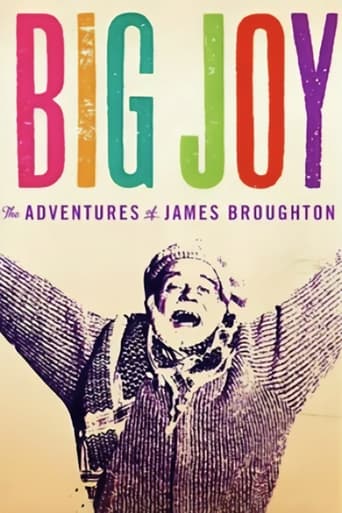
6.0Broughton reads his poetry over various images.
Scattered Remains
1988
 NR
NRContemplative images of rivers, snow, waterfall, mountain and bodies.
Fractive Clusters
1981
 4.8
4.8Men in pairs, mostly naked, perform various sensual tasks together.
Devotions
1983
 7.5
7.5Mapping extreme close-ups of Broughton's body, the camera slowly becomes a tool to reveal the erotic beauty of the body and the sensual pleasure in loving oneself. The ecstasy and power of sexual gratification are celebrated by the camera, as it probes, reveals, and visually caresses. Broughton's song is a praise of his body as divine androgyne, and an acceptance of this higher, sexual power.
Song of the Godbody
1977
 NR
NRImages, Joel Singer; Sounds, James Broughton. "The film is shot both through and at a window, superimposing and conjoining, thereby elaborating events on both sides of the glass. Broughton's accompanying poem sings the same song as the images, sounding from an Eden of the golden passing of days: "They were seeing the light every day then ... / They were looking and they were seeing / They were living there in the light at that time." - Robert Lipman, On the Films of Joel Singer
Windowmobile
1977
Film credits
Behind the camera
6.0Broughton reads his poetry over various images.
Scattered Remains
1988
NRContemplative images of rivers, snow, waterfall, mountain and bodies.
Fractive Clusters
1981
4.8Men in pairs, mostly naked, perform various sensual tasks together.
Devotions
1983
7.5Mapping extreme close-ups of Broughton's body, the camera slowly becomes a tool to reveal the erotic beauty of the body and the sensual pleasure in loving oneself. The ecstasy and power of sexual gratification are celebrated by the camera, as it probes, reveals, and visually caresses. Broughton's song is a praise of his body as divine androgyne, and an acceptance of this higher, sexual power.
Song of the Godbody
1977
NRImages, Joel Singer; Sounds, James Broughton. "The film is shot both through and at a window, superimposing and conjoining, thereby elaborating events on both sides of the glass. Broughton's accompanying poem sings the same song as the images, sounding from an Eden of the golden passing of days: "They were seeing the light every day then ... / They were looking and they were seeing / They were living there in the light at that time." - Robert Lipman, On the Films of Joel Singer
Windowmobile
1977
 NR
NRBuena Vista Park in San Francisco like you've never seen it. "Playing" my 16mm Beaulieu camera like a musical instrument with extremely rapid zooming and inverted images. The virtuoso musician Peter Plonsky plays his Chromatic Khaen, an ancient Laotian instrument. He had never seen the film. One fourteen minute take, responding directly to the images in the studio.
Sliced Light
1977
 NR
NRA traffic circle (in North Berkeley). The forcefield around the centre. Single-framed over the course of about 9 months.
Perisphere
1976
 NR
NR“I left the city in 2009. A year later, I returned for a few months and took the ferry out to see Ms. Liberty close up for the first time. On the ferry I recorded the voices of some of my fellow passengers saying ‘Statue of Liberty.’ I spent the next month recording many more people saying the words in a wondrous variety of accents and languages. I was moved by the delight and pleasure that people took in uttering these magical words: words suggesting freedom and hope for millions of immigrants” (Joel Singer).
Liberty
2010
 NR
NRA 360 degree pan breaks down as the narrator's memories of the house in which she sits by the fireplace breaks down.
Breakdown
1974
 NR
NR17 minutes, silent, colour. 1977
Glyphs II
1977
 NR
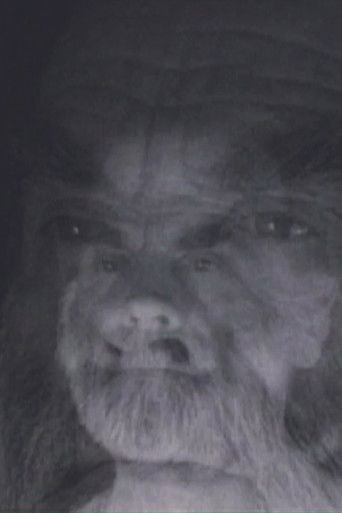
NRMy 10 minute silent b/w film made in 1975/76. Includes the first footage I ever shot of James Broughton (before he grew a beard).
Glyphs I
1976
 NR
NRA motion portrait of poet James Broughton, by his long time partner and filmmaker Joel Singer. Original music by Lou Harrison.
Poet in Orbit
1980