

Directing
Dik Trofeo
Known for
Directing
Credits
6 titles
Known for
 6.4
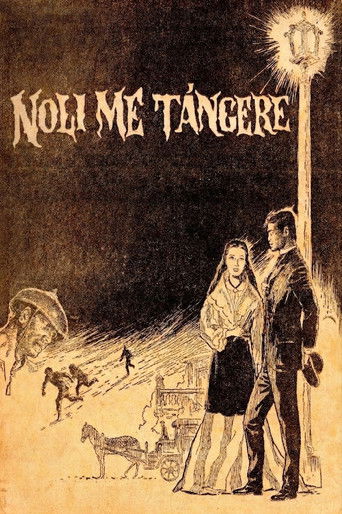
Based on the revolutionary novel by Jose Rizal, the story follows Crisostomo Ibarra, a young Filipino man who returned from his studies in Europe, who discovered that his father was falsely imprisoned and abused by the Spanish friars, including Padre Damaso. While he is making plans to uplift the lives of his fellow countrymen, he faced resistance from the Spanish colonial government.
Noli Me Tángere
1961
The documentary serves as a tribute to National Artist for Cinema Gerardo de Leon in celebration of his Centennial Year. “Salamat sa Alaala.” is inspired by the music composed by the late film director when he was a teenager playing background music for silent movies in Manila theatres. The video opens up with a capsulated history of the birth of the Filipino movies followed by a series of shots of veteran actresses, the academe and the young generation of filmmakers affirming his unique qualities as a world-class film figure. Then we unravel his private life as a family man. The documentary is one way of thanking him for his lasting legacy in the art form he left behind.
Salamat sa Alaala
2015
 9.0
Sa Mata ng Balita looks back on the 50 years of television history, from the pioneers James Lindenberg of Bolinao Electronics Corporation and Antonio Quirino of Alto Broadcasting Corporation in the 1950s to the merging with the Lopezes' Chronicle Broadcasting Network to form ABS-CBN. From the rise of President Ramon Magsaysay to the Oakwood mutiny during the administration of President Gloria Macapagal-Arroyo, this expansive documentary featuring interviews with some of the country's esteemed broadcast journalists shows that the history of television is also the history of the nation.
Sa Mata ng Balita
2003
 NR
Alipato is a portrait of Luis Taruc, the iconic Socialist leader of the revolutionary movement in the Philippines. It explores the political life of Taruc, the collaboration between the Wha Chi (Chinese guerrillas during the Japanese Occupation) and the Hukbalahap, and the politics of the revolution, the in-fighting among the revolutionaries, and the conflict between non-violence and armed revolt. The documentary includes interviews with revolutionaries and well-known personalities like F. Sionil Jose and Fr. James Reuter, S.J. More importantly, the film has revealing footage of Taruc, talking about his principles and concept of peaceful revolution. The voice and ideas of Taruc are like embers or alipatothat can spark insights and enlighten our understanding of history.
Alipato - Ka Luis Taruc
2019
 NR
No synopsis available yet.
SWAK
1985
Film credits
Behind the camera
The documentary serves as a tribute to National Artist for Cinema Gerardo de Leon in celebration of his Centennial Year. “Salamat sa Alaala.” is inspired by the music composed by the late film director when he was a teenager playing background music for silent movies in Manila theatres. The video opens up with a capsulated history of the birth of the Filipino movies followed by a series of shots of veteran actresses, the academe and the young generation of filmmakers affirming his unique qualities as a world-class film figure. Then we unravel his private life as a family man. The documentary is one way of thanking him for his lasting legacy in the art form he left behind.
Salamat sa Alaala
2015
9.0Sa Mata ng Balita looks back on the 50 years of television history, from the pioneers James Lindenberg of Bolinao Electronics Corporation and Antonio Quirino of Alto Broadcasting Corporation in the 1950s to the merging with the Lopezes' Chronicle Broadcasting Network to form ABS-CBN. From the rise of President Ramon Magsaysay to the Oakwood mutiny during the administration of President Gloria Macapagal-Arroyo, this expansive documentary featuring interviews with some of the country's esteemed broadcast journalists shows that the history of television is also the history of the nation.
Sa Mata ng Balita
2003
NRAlipato is a portrait of Luis Taruc, the iconic Socialist leader of the revolutionary movement in the Philippines. It explores the political life of Taruc, the collaboration between the Wha Chi (Chinese guerrillas during the Japanese Occupation) and the Hukbalahap, and the politics of the revolution, the in-fighting among the revolutionaries, and the conflict between non-violence and armed revolt. The documentary includes interviews with revolutionaries and well-known personalities like F. Sionil Jose and Fr. James Reuter, S.J. More importantly, the film has revealing footage of Taruc, talking about his principles and concept of peaceful revolution. The voice and ideas of Taruc are like embers or alipatothat can spark insights and enlighten our understanding of history.
Alipato - Ka Luis Taruc
2019
NRNo synopsis available yet.
SWAK
1985