
Acting
Oswald Foerderer
Born — Died
1911-06-03 — 1985-02-01
Place of birth
Hamburg, Germany
Known for
Acting
Credits
14 titles
Known for
 6.2
Polizeiruf 110 is a long-running German language detective television series. The first episode was broadcast 27 June 1971 in the German Democratic Republic, and after the dissolution of Fernsehen der DDR the series was picked up by ARD. It was originally created as a counterpart to the West German series Tatort, and quickly became a public favorite.
Polizeiruf 110
1971
 5.7
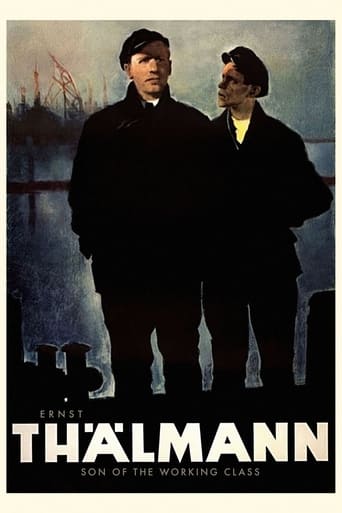
This film is the first of a two-part historical and biographical portrait of the communist politician and anti-fascist Ernst Thälmann. In early November 1918, Ernst Thälmann is an unwilling soldier serving on the western front. As the revolutionary movement at home is threatened by the betrayal of the Social Democrats and fissures in the working class, Thälmann calls on his fellow soldiers to put down their weapons and unite with the workers in the communist struggle at home. Thälmann’s qualms about which side he is fighting on continue, but when the local police attempt to prevent a shipment of provisions and supplies from reaching the people in Petrograd, he intervenes and the ship is unloaded. With this moment of clarity, Thälmann continues to follow his political convictions and joins the workers at the Hamburg uprising in October 1923.
Ernst Thälmann – Son of the Working Class
1954
 10.0
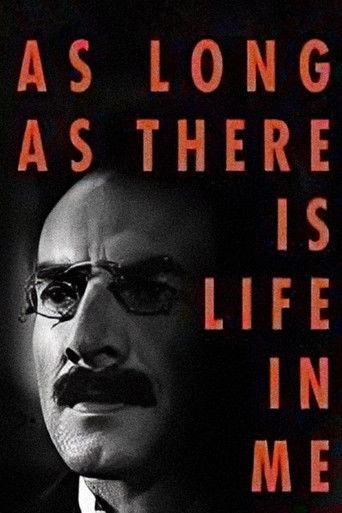
This is part one of a two-part biopic about Karl Liebknecht. In 1914, Germany is arming itself for war. Karl Liebknecht, left-wing revolutionary Social Democrat, workers’ leader and a virulent antimilitarist, is one among 110 SPD members of Parliament who vote against approving war loans. From then on, he is considered un-German and a traitor to the fatherland, and his own party’s leadership turns against him. Despite threats, Liebknecht speaks up against the war and writes the manifesto “The Main Enemy Is at Home.” Even when he is arrested and charged with treason, he does not surrender.
As Long as There’s Life in Me
1965
 5.8
In 1955, Michael Vierkant, a Jew who had emigrated during the Nazi era, returns from abroad to the Federal Republic of Germany to obtain the conviction of Korn, the former informer responsible for the murder of his sister. Korn is back in office; Michael's efforts remain unsuccessful. There is a direct confrontation between the two, and Michael shoots Korn in self-defense. He flees and is hidden by the young, reclusive artist Marie Jäger, but is then caught by the police and charged with premeditated murder. The case is taken out of the hands of the criminal investigation department by the Office for the Protection of the Constitution, which constructs an act of political revenge on behalf of the communists. Michael manages to escape from prison. Marie and her friends organize a press conference at which Michael reveals the connections. The trial is postponed.
Der Prozeß wird vertagt
1958
 7.0
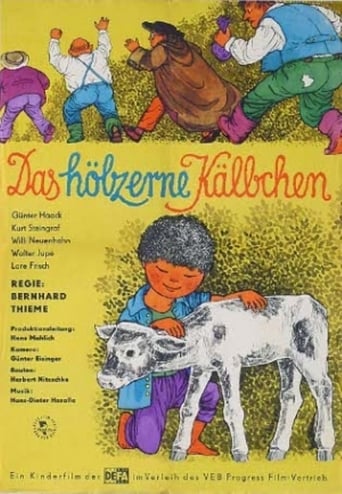
On a pasture in a small village stand the cows and calves of the herder Bürle. Since many years, there is also a wooden calve standing among them. One day, all calves are stolen, even the wooden one. Although they are innocent, all poor villagers are brought to trial. Thereupon, the farmers join forces and discover who really is responsible for the theft.
Das hölzerne Kälbchen
1961
 7.0
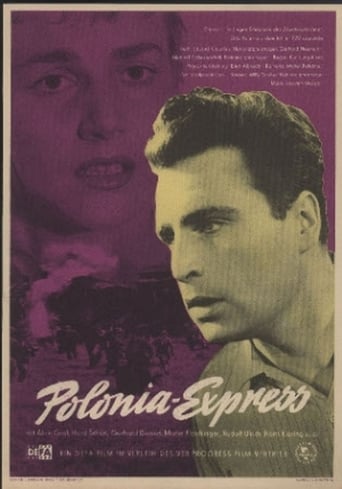
Railway employee Fritz Marr is not regarded well by his superiors. It is the year 1920, and trains regularly pass the railway hub of Erfurt to the East to secretly transport weapons for the fight against the young Soviet Union. Marr knows about this and wants to mobilise other workers to stop these illegal deliveries. To muzzle him, Marr is relocated to a remote rail work construction site.
Polonia-Express
1957
Film credits
1970s · 2 titles
 4.9
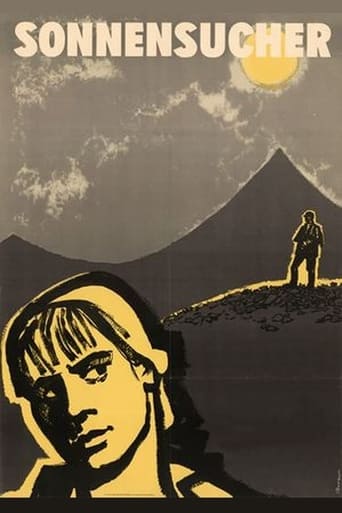
A socialist story of "atoms for peace" and compulsory labor in an East German uranium mine under Soviet control.
Sun Seekers
1972
 4.9
Signs and wonders are said to be happening in Trutzlaff, a small village in Mecklenburg. The party secretary of the local LPG, Mattes Mathias, has the "second face", which has been passed down from generation to generation in his family and is first mentioned in the witches' church chronicle in 1681. This special bond with the church lives on to this day. Mattes engages in a constant but creative competition with Pastor Himmelknecht. But it is not only his weather forecasts that come true every day. With his miraculous powers, Mattes tracks down lost things and heals the sick. Mattes' reputation reaches far beyond the village of Trutzlaff to the district town. A letter from the village cobbler has even reached the Vatican. Both here and there, people have pricked up their ears and want to get to the bottom of the matter. ... The only one who keeps a clear head is Mattes. But then there is "The crazy smell of fresh hay"!
The Crazy Smell of Fresh Hay
1977
1960s · 4 titles
10.0This is part one of a two-part biopic about Karl Liebknecht. In 1914, Germany is arming itself for war. Karl Liebknecht, left-wing revolutionary Social Democrat, workers’ leader and a virulent antimilitarist, is one among 110 SPD members of Parliament who vote against approving war loans. From then on, he is considered un-German and a traitor to the fatherland, and his own party’s leadership turns against him. Despite threats, Liebknecht speaks up against the war and writes the manifesto “The Main Enemy Is at Home.” Even when he is arrested and charged with treason, he does not surrender.
As Long as There’s Life in Me
1965
7.0On a pasture in a small village stand the cows and calves of the herder Bürle. Since many years, there is also a wooden calve standing among them. One day, all calves are stolen, even the wooden one. Although they are innocent, all poor villagers are brought to trial. Thereupon, the farmers join forces and discover who really is responsible for the theft.
Das hölzerne Kälbchen
1961
 8.0
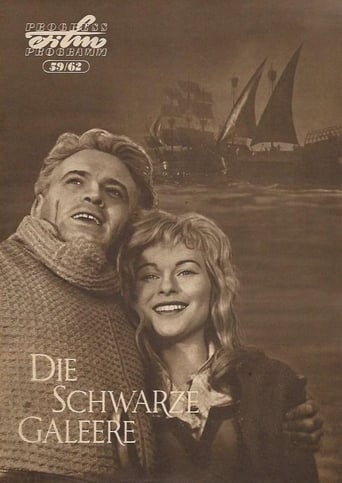
Antwerp at the end of the 16th century. For the second time, the city falls into the hands of the plundering and murdering Spaniards. Jan and Myga are just ten years old. While Myga's father tries to come to terms with the Spaniards, Jan leaves the occupied country with his father. When Jan has grown into a young man, he joins the Geusen and is entrusted with the best ship as helmsman, the "Black Galley". He survives numerous battles and dangers, but one day he is captured by the Spanish. He frees not only himself but also his beloved Myga from the hands of the enemy. In 1609, the Spaniards are forced to finally recognize the independence of the northern provinces.
The Black Galley
1962
 6.7
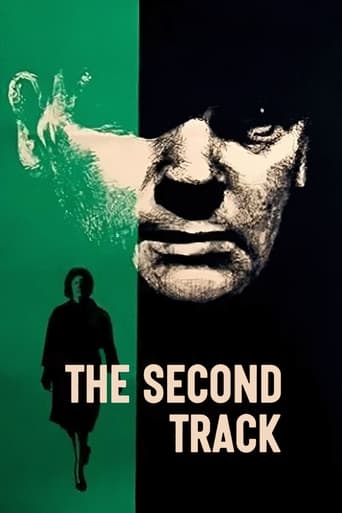
In this German drama, Brock, a railroad inspector, witnesses a robbery at a train depot. He recognizes the thief, but turning the man in would mean acknowledging he knows him, thus revealing his own complicity with the Nazi war machine. When Brock’s daughter and her boyfriend begin to question him about the incident, will the secret he’s kept for nearly 20 years finally be exposed?
The Second Track
1962
1950s · 5 titles
5.7This film is the first of a two-part historical and biographical portrait of the communist politician and anti-fascist Ernst Thälmann. In early November 1918, Ernst Thälmann is an unwilling soldier serving on the western front. As the revolutionary movement at home is threatened by the betrayal of the Social Democrats and fissures in the working class, Thälmann calls on his fellow soldiers to put down their weapons and unite with the workers in the communist struggle at home. Thälmann’s qualms about which side he is fighting on continue, but when the local police attempt to prevent a shipment of provisions and supplies from reaching the people in Petrograd, he intervenes and the ship is unloaded. With this moment of clarity, Thälmann continues to follow his political convictions and joins the workers at the Hamburg uprising in October 1923.
Ernst Thälmann – Son of the Working Class
1954
5.8In 1955, Michael Vierkant, a Jew who had emigrated during the Nazi era, returns from abroad to the Federal Republic of Germany to obtain the conviction of Korn, the former informer responsible for the murder of his sister. Korn is back in office; Michael's efforts remain unsuccessful. There is a direct confrontation between the two, and Michael shoots Korn in self-defense. He flees and is hidden by the young, reclusive artist Marie Jäger, but is then caught by the police and charged with premeditated murder. The case is taken out of the hands of the criminal investigation department by the Office for the Protection of the Constitution, which constructs an act of political revenge on behalf of the communists. Michael manages to escape from prison. Marie and her friends organize a press conference at which Michael reveals the connections. The trial is postponed.
Der Prozeß wird vertagt
1958
7.0Railway employee Fritz Marr is not regarded well by his superiors. It is the year 1920, and trains regularly pass the railway hub of Erfurt to the East to secretly transport weapons for the fight against the young Soviet Union. Marr knows about this and wants to mobilise other workers to stop these illegal deliveries. To muzzle him, Marr is relocated to a remote rail work construction site.
Polonia-Express
1957
 9.0
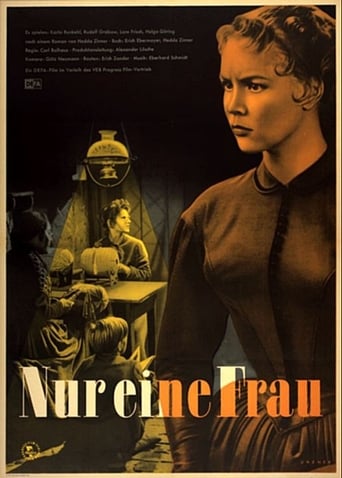
The film tells the life story of Louise Otto Peters, who in the middle of the XIX century in Germany for the first time raised a voice of protest against the unfair treatment of women and their labor. She created the first "women's newspaper" in Germany. The daughter of a famous lawyer, Louise could have easily arranged her life by marrying the wealthy Baron Rodern. But she chose a different purpose in life - to fight for equal rights for women. Through her articles and public speeches, she won the authority and respect of ordinary people.
Only One Woman
1958
 9.0
Erich Kubak is an excavator operator at the lignite plant. A technical weakness in the excavator, which repeatedly leads to production downtime, is causing problems for everyone. Erich works on an improvement, but this is not accepted by the chief engineer. On his own initiative, Erich carries out an experiment and causes a great deal of damage. He is dismissed as excavator operator and then resigns. Meanwhile, his son Ewald, who also works at the plant, manages to interest the chief engineer in his father's improvement proposal. Together they work on perfecting it. When Erich finds out about this, he returns to the factory.
Erich Kubak
1959
Series credits
6.2Polizeiruf 110 is a long-running German language detective television series. The first episode was broadcast 27 June 1971 in the German Democratic Republic, and after the dissolution of Fernsehen der DDR the series was picked up by ARD. It was originally created as a counterpart to the West German series Tatort, and quickly became a public favorite.
Polizeiruf 110
1971