
Known for
 NR
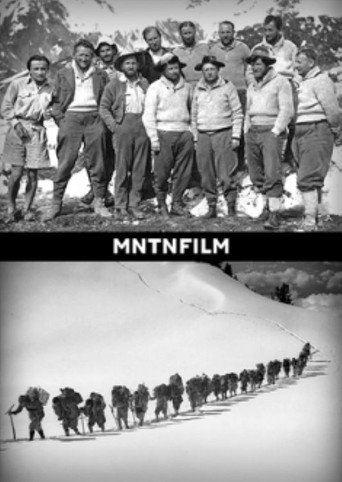
Short version of 'Nanga Parbat' (1936), the record of the 1934 German expedition to Nanga Parbat, led by Willy Merkl and with the full backing of the new Nazi government. Peter Aschenbrenner and Erwin Schneider reached an estimated height of 7,895m on July 6, but were forced to return because of worsening weather. On July 7 they and 14 others were trapped by a ferocious storm at 7,480m. During the desperate retreat that followed, three famous German mountaineers, Uli Wieland, Willo Welzenbach and Merkl himself, and six Sherpas died of exhaustion, exposure and altitude sickness, and several more suffered severe frostbite.
Deutsche Eisenbahner im Kampf um den Nanga Parbat
1935
No synopsis available yet.
Die Schwarzdecke
1937
In the series of films about Reichsbahn sports, the film is aimed at female railway workers. According to the film, women in particular are exposed to the dangers of physical injury while on duty. German gymnastics shows the way to keep the body fresh and supple through sensibly designed rhythmic movements. In individual and group exercises, while springing, running, walking, hopping, and jumping, the body is kept in motion—every limb is trained, tension and relaxation alternate methodically, providing the basis for the proper functioning of the entire organism and creating a balance between body and soul. The film was intended to encourage female railway workers to form gymnastics groups and experience together the joy that rhythmic physical training would bring.
Reichsbahnsport: Frauengymnastik
1941
 NR
A report on the concrete pavement to be constructed for the Reichsautobahn.
Die Betondecke
1937
 NR
A film with a short storyline showing how locomotives and carriages are handled at stations from the arrival of a D-train until its next departure. The son of a train driver, who has to write an essay at school entitled "What I saw at the station," learns about the technical facilities of the marshalling yard along with the viewers: coal loading, water extraction, slag removal, work in the locomotive shed, cleaning the boilers, and maintaining the passenger cars. From the arrival of a train at the platform to its departure, the focus is on operational safety, cleanliness, and passenger comfort.
Hinter den Kulissen des Bahnhofs
1937
 NR
From different perspectives, the viewer sees the appearance of the newly built Reichsautobahnen: Pictures from the lowlands, the Swabian Alb and many other places.
Die Straßen der Zukunft
1938
Behind the camera
NRShort version of 'Nanga Parbat' (1936), the record of the 1934 German expedition to Nanga Parbat, led by Willy Merkl and with the full backing of the new Nazi government. Peter Aschenbrenner and Erwin Schneider reached an estimated height of 7,895m on July 6, but were forced to return because of worsening weather. On July 7 they and 14 others were trapped by a ferocious storm at 7,480m. During the desperate retreat that followed, three famous German mountaineers, Uli Wieland, Willo Welzenbach and Merkl himself, and six Sherpas died of exhaustion, exposure and altitude sickness, and several more suffered severe frostbite.
Deutsche Eisenbahner im Kampf um den Nanga Parbat
1935
No synopsis available yet.
Die Schwarzdecke
1937
In the series of films about Reichsbahn sports, the film is aimed at female railway workers. According to the film, women in particular are exposed to the dangers of physical injury while on duty. German gymnastics shows the way to keep the body fresh and supple through sensibly designed rhythmic movements. In individual and group exercises, while springing, running, walking, hopping, and jumping, the body is kept in motion—every limb is trained, tension and relaxation alternate methodically, providing the basis for the proper functioning of the entire organism and creating a balance between body and soul. The film was intended to encourage female railway workers to form gymnastics groups and experience together the joy that rhythmic physical training would bring.
Reichsbahnsport: Frauengymnastik
1941
NRA report on the concrete pavement to be constructed for the Reichsautobahn.
Die Betondecke
1937
NRA film with a short storyline showing how locomotives and carriages are handled at stations from the arrival of a D-train until its next departure. The son of a train driver, who has to write an essay at school entitled "What I saw at the station," learns about the technical facilities of the marshalling yard along with the viewers: coal loading, water extraction, slag removal, work in the locomotive shed, cleaning the boilers, and maintaining the passenger cars. From the arrival of a train at the platform to its departure, the focus is on operational safety, cleanliness, and passenger comfort.
Hinter den Kulissen des Bahnhofs
1937
NRFrom different perspectives, the viewer sees the appearance of the newly built Reichsautobahnen: Pictures from the lowlands, the Swabian Alb and many other places.
Die Straßen der Zukunft
1938
NRFrom different perspectives, the viewer sees the appearance of the newly built Reichsautobahnen: Pictures from the lowlands, the Swabian Alb and many other places.
Die Straßen der Zukunft
1938
Documentary about highway construction in Germany.
Die Straßen Adolf Hitlers: Vom Walde zur Straßendecke
1935
The first bridge on the Reichsautobahn motorway network was built in 1934 during the construction of the Frankfurt am Main to Darmstadt section near Griesheim am Main. The film shows the construction work after six months of building: driving the sheet piles, installing the caissons using the pressure flushing method, and laying the supports for the steel superstructure.
Die Mainbrücke bei Frankfurt/M.-Griesheim im Baujahr 1934
1935
This film from the series ‘The Roads of Adolf Hitler’ documents the construction of the Reichsautobahn Berlin-Munich near Hirschberg, highlighting the efforts of 400 workers, the use of advanced construction techniques, and the camaraderie among the diverse workforce, culminating in the completion of a significant bridge structure.
Vierhundert bauen eine Brücke
1937
No synopsis available yet.
Die Rheinbrücke bei Maxau
1937
No synopsis available yet.
Der Kampf mit dem Moor
1935
 NR
Propaganda short film about the construction of the German Autobahn.
Steine geben Brot
1937