
Directing
Jacques Panijel
Born — Died
2021-09-22 — 2010-09-12
Place of birth
Paris, Ile-de-France, France
Known for
Directing
Credits
4 titles
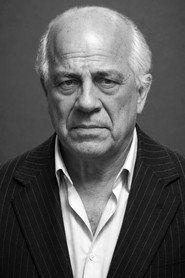
Jacques Panijel, born on September 22, 1921, of Romanian origin, and died on September 12, 2010, in Paris, was an immunologist, biologist, writer, filmmaker, and anti-colonial activist. A member of the Combat resistance network, and a maquis fighter at the age of twenty, Jacques Panijel participated in the establishment of the National Maquis Service. After the Liberation, he spent a year at the Ministry of War as head of the 1st Bureau. He was awarded the Croix de Guerre, the Legion of Honor, and the Resistance Medal. In 1948, he published a novel entitled *La Rage* (The Rage), with Éditions de Minuit, about his years in the Resistance. This work, which explores the theme of intellectuals …
Known for
 10.0
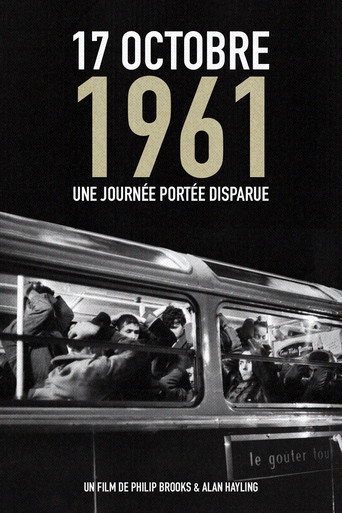
10.0This documentary bears witness to the events that took place more than thirty years before the filming of this movie, on October 17, 1961, in Paris, during the Algerian War. It is a work not only about historical truth but also about memory. Constructed primarily from interviews conducted with those involved in the events, along with archival footage, photographs, and radio broadcasts from the time, our investigation proves that nearly 200 Algerians were killed (drowned, tortured) that night and in the days that followed by the French police. "A Missing Day" seeks to ask two key questions: how could such events have unfolded in the capital of a Western democracy barely thirty years ago? And why have they been silenced ever since?
October 17, 1961: A day that went missing
1992
 8.2
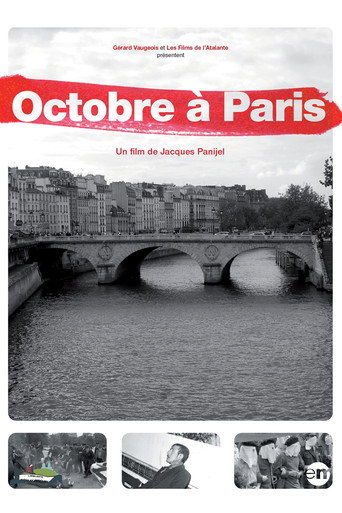
8.2On October 17, 1961, 30,000 Algerians demonstrated peacefully in Paris to protest the discriminatory curfew imposed upon them and to demand Algerian independence. Under the authority of the then Prefect of Police, Maurice Papon, the demonstration was brutally repressed, resulting in the deaths of dozens of Algerians. Historians cite eleven thousand arrests, dozens of murders, demonstrators thrown into the Seine, hundreds of expulsions, and just as many complaints that went unanswered; all for a night that would become a blind spot in the national narrative. No investigation, no trial, and certainly no commemoration. The day after the demonstration, Jacques Panijel began filming *October in Paris* to alert the public to the massacre that had just taken place in the streets of Paris. The film was banned by the French authorities. It obtained a distribution license in 1973. It was first shown in theaters in October 2011.
Octobre à Paris
2011
 7.0
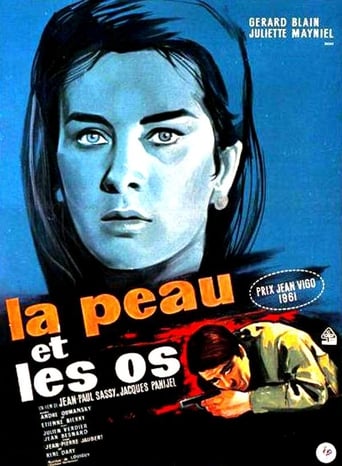
7.0Convicted of murdering his wife, a crime of which he declares himself innocent, Jacques Mazur is serving a long sentence in a prison where his presence causes disruption.
Skin and Bones
1961
Film credits
Behind the camera
8.2On October 17, 1961, 30,000 Algerians demonstrated peacefully in Paris to protest the discriminatory curfew imposed upon them and to demand Algerian independence. Under the authority of the then Prefect of Police, Maurice Papon, the demonstration was brutally repressed, resulting in the deaths of dozens of Algerians. Historians cite eleven thousand arrests, dozens of murders, demonstrators thrown into the Seine, hundreds of expulsions, and just as many complaints that went unanswered; all for a night that would become a blind spot in the national narrative. No investigation, no trial, and certainly no commemoration. The day after the demonstration, Jacques Panijel began filming *October in Paris* to alert the public to the massacre that had just taken place in the streets of Paris. The film was banned by the French authorities. It obtained a distribution license in 1973. It was first shown in theaters in October 2011.
Octobre à Paris
2011
8.2On October 17, 1961, 30,000 Algerians demonstrated peacefully in Paris to protest the discriminatory curfew imposed upon them and to demand Algerian independence. Under the authority of the then Prefect of Police, Maurice Papon, the demonstration was brutally repressed, resulting in the deaths of dozens of Algerians. Historians cite eleven thousand arrests, dozens of murders, demonstrators thrown into the Seine, hundreds of expulsions, and just as many complaints that went unanswered; all for a night that would become a blind spot in the national narrative. No investigation, no trial, and certainly no commemoration. The day after the demonstration, Jacques Panijel began filming *October in Paris* to alert the public to the massacre that had just taken place in the streets of Paris. The film was banned by the French authorities. It obtained a distribution license in 1973. It was first shown in theaters in October 2011.
Octobre à Paris
2011
7.0Convicted of murdering his wife, a crime of which he declares himself innocent, Jacques Mazur is serving a long sentence in a prison where his presence causes disruption.
Skin and Bones
1961