
Directing
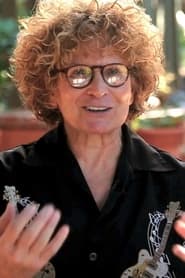
Jan Oxenberg
Born
1950-12-01 (75)
Place of birth
Brooklyn, New York, USA
Known for
Directing
Credits
17 titles
Jan Oxenberg is an American film producer, director, editor, and screenwriter. She is known for her work in lesbian feminist films and in television.
Known for
 6.6
6.6American Playhouse is an anthology television series periodically broadcast by Public Broadcasting Service in the United States.
American Playhouse
1982
 7.5
7.5Cleaver Greene is not about politics or morality or even justice. Cleaver Greene is about the law. And it is his passion for the law that drives him to use his formidable intelligence to defend people whom society and the justice system might otherwise convict without a fair trial. He uses his encyclopaedic knowledge of human nature and the Byzantine intricacies of our legal codes to guarantee that his clients get what is theirs by the law; the right to a diligent defence.
Rake
2010
 7.0
7.0A psychotherapist helps a law student cope with schizophrenia in one of five interconnected tales dealing with mental illness.
Call Me Crazy: A Five Film
2013
 7.3
7.3Exuberant, eye-opening movie that serves up a dazzling hundred-year history of the role of gay men and lesbians have had on the silver screen. Film contains fabulous footage from 120 films showing the changing face of cinema sexuality, from cruel stereotypes to covert love to the activist triumphs of the 1990s.
The Celluloid Closet
1996
 6.5
6.5Rescued from the Closet is a 2001 documentary consisting of interviews originally recorded for the 1995 film The Celluloid Closet. It explores the history and impact of LGBT representation in cinema, providing insights into the portrayal and evolution of LGBT characters and themes within the film industry.
Rescued from the Closet
2001
 9.0
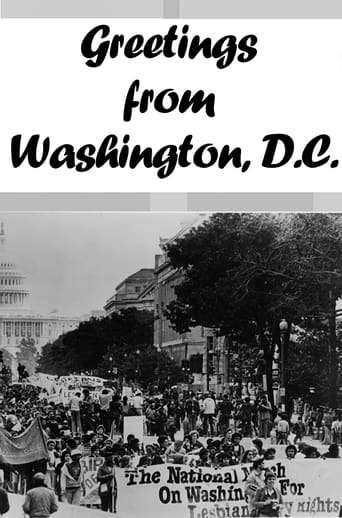
9.0A short documentary about the First National March on Washington for Lesbian and Gay Rights, which took place on Sunday, October 14th 1979.
Greetings from Washington, D.C.
1981
Film credits
1970s · 3 titles
 7.0
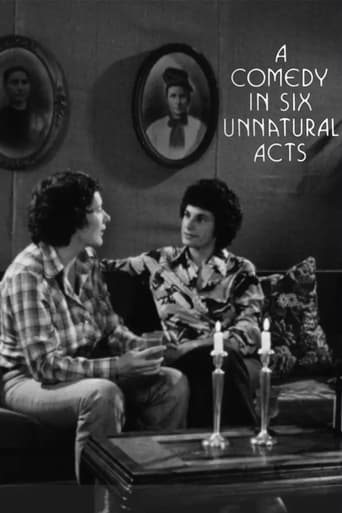
7.0Jan Oxenberg’s charmingly raw, politically-charged and remarkably funny celebration of the American lesbian experience validates the nuanced voice of a community otherwise underrepresented in the Wild West of mid-’70s independent filmmaking. In an attempt to combat the pervasive misconception of the “humorless, angry feminist,” the vignettes in A Comedy in Six Unnatural Acts experiment with self-aware yet playful depictions of common stereotypes, such as the “Stompin’ Dyke” or the butch-femme couple. In the process, Oxenberg’s short film reclaims those insults and assumptions as newfound, loaded weapons—to deploy on her own terms, of course. (UCLA Film & Television Archive)
A Comedy in Six Unnatural Acts
1975
 5.5
5.5Filmmaker Jan Oxenberg narrates her own home videos, commenting on how her views towards lesbianism and femininity have evolved over time.
Home Movie
1974
 8.0
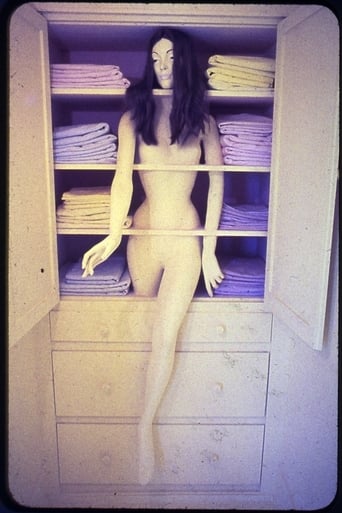
8.0Held in 1972 at 533 N. Mariposa Street, Los Angeles was one of the most important cultural events in the United States: "Womanhouse," a feminist art installation and performance space organized by Judy Chicago and Miriam Schapiro.
Womanhouse
1974
Series credits
6.6American Playhouse is an anthology television series periodically broadcast by Public Broadcasting Service in the United States.
American Playhouse
1982
7.5Cleaver Greene is not about politics or morality or even justice. Cleaver Greene is about the law. And it is his passion for the law that drives him to use his formidable intelligence to defend people whom society and the justice system might otherwise convict without a fair trial. He uses his encyclopaedic knowledge of human nature and the Byzantine intricacies of our legal codes to guarantee that his clients get what is theirs by the law; the right to a diligent defence.
Rake
2010
Behind the camera
7.0A psychotherapist helps a law student cope with schizophrenia in one of five interconnected tales dealing with mental illness.
Call Me Crazy: A Five Film
2013
7.0Jan Oxenberg’s charmingly raw, politically-charged and remarkably funny celebration of the American lesbian experience validates the nuanced voice of a community otherwise underrepresented in the Wild West of mid-’70s independent filmmaking. In an attempt to combat the pervasive misconception of the “humorless, angry feminist,” the vignettes in A Comedy in Six Unnatural Acts experiment with self-aware yet playful depictions of common stereotypes, such as the “Stompin’ Dyke” or the butch-femme couple. In the process, Oxenberg’s short film reclaims those insults and assumptions as newfound, loaded weapons—to deploy on her own terms, of course. (UCLA Film & Television Archive)
A Comedy in Six Unnatural Acts
1975
7.0Jan Oxenberg’s charmingly raw, politically-charged and remarkably funny celebration of the American lesbian experience validates the nuanced voice of a community otherwise underrepresented in the Wild West of mid-’70s independent filmmaking. In an attempt to combat the pervasive misconception of the “humorless, angry feminist,” the vignettes in A Comedy in Six Unnatural Acts experiment with self-aware yet playful depictions of common stereotypes, such as the “Stompin’ Dyke” or the butch-femme couple. In the process, Oxenberg’s short film reclaims those insults and assumptions as newfound, loaded weapons—to deploy on her own terms, of course. (UCLA Film & Television Archive)
A Comedy in Six Unnatural Acts
1975
7.0Jan Oxenberg’s charmingly raw, politically-charged and remarkably funny celebration of the American lesbian experience validates the nuanced voice of a community otherwise underrepresented in the Wild West of mid-’70s independent filmmaking. In an attempt to combat the pervasive misconception of the “humorless, angry feminist,” the vignettes in A Comedy in Six Unnatural Acts experiment with self-aware yet playful depictions of common stereotypes, such as the “Stompin’ Dyke” or the butch-femme couple. In the process, Oxenberg’s short film reclaims those insults and assumptions as newfound, loaded weapons—to deploy on her own terms, of course. (UCLA Film & Television Archive)
A Comedy in Six Unnatural Acts
1975
5.5Filmmaker Jan Oxenberg narrates her own home videos, commenting on how her views towards lesbianism and femininity have evolved over time.
Home Movie
1974
 7.0
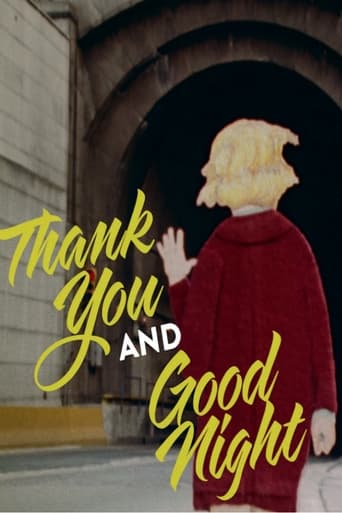
7.0Blending humor and tragedy, filmmaker Jan Oxenberg goes on a personal journey to process the aging and death of her grandmother.
Thank You and Good Night
1992
7.0Blending humor and tragedy, filmmaker Jan Oxenberg goes on a personal journey to process the aging and death of her grandmother.
Thank You and Good Night
1992
7.0Blending humor and tragedy, filmmaker Jan Oxenberg goes on a personal journey to process the aging and death of her grandmother.
Thank You and Good Night
1992
 9.0
9.0A women interviews a roller derby skater.
I'm Not One Of 'Em
1974