
Acting
Ingrid Oppermann
Born
1942-01-01 (84)
Place of birth
Glücksburg, Germany
Known for
Acting
Credits
15 titles
Known for
 9.0
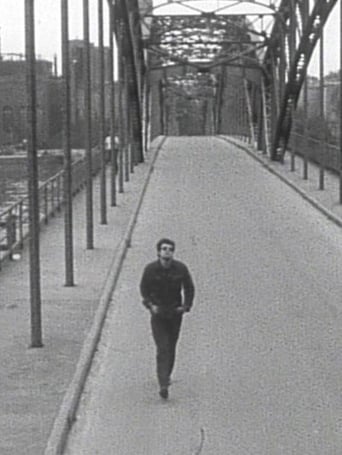
9.0“Six young people move through a city in order to establish the starting point of their joint action. But they can’t agree on the topic. In the end everybody goes their own way and leaves the city.” - Hartmut Bitomsky
3000 Houses
1967
A female student laments the role of women in the student movement. Her boyfriend fears that she might soon reject socialism and turn into a feminist. He reaches for the book in which Lenin's position on women's issues is presented in the most detail, Clara Zetkin's "Memories of Lenin".
His-Story
1972
 7.0
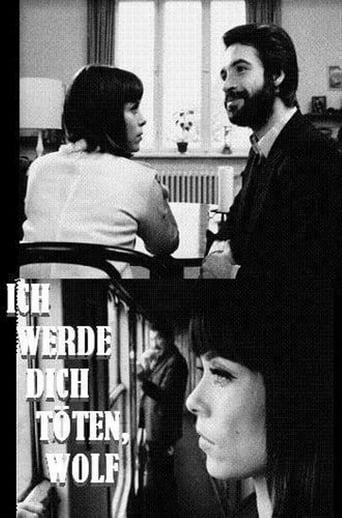
7.0A young woman takes the train to Berlin. She wants to kill her friend Wolf, a theater actor. When the woman meets him, he tells her about his weird wife.
I Will Kill You, Wolf
1971
 NR
NRExperimental feature about a woman getting involved in radical politics.
Ach Viola
1971
 10.0
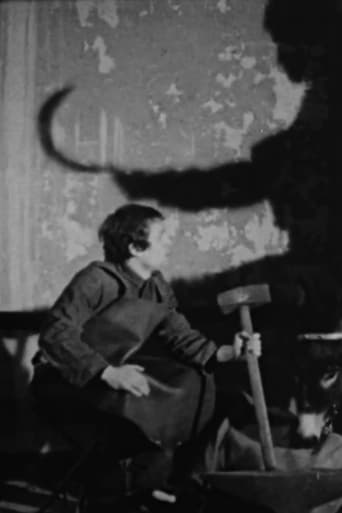
10.0An educational film about an aspect of political economy. The concepts of use value, barter value and labor as a commodity are the subjects; they are intended to introduce the process of understanding the theory of value of work and the law of values, alienation and fetish.
Something Self Explanatory (15x)
1971
 7.0
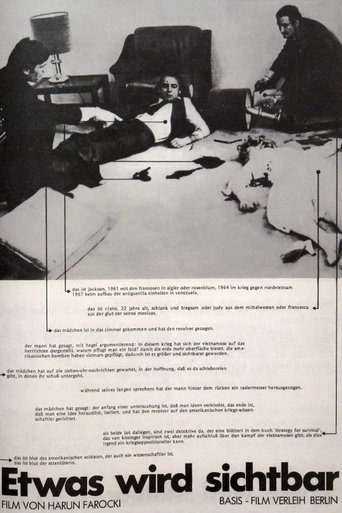
7.0An unconventional essay film that interrogates the visual and ideological legacy of the Vietnam War. Blending staged scenes, archival footage, photographs, and philosophical dialogue, the film follows various characters — including an American soldier captured by North Vietnamese villagers — as they reflect on violence, memory, and image-making. Set partly in West Berlin and partly in reconstructed spaces representing Vietnam, the film avoids traditional dramatic narrative in favor of a fragmented montage of voices, documents, and reenactments. Interweaving love stories, political debate, and historical commentary, Farocki creates a critical reflection on how war is represented, seen, and imagined, both in cinema and in public consciousness. The result is a complex meditation on images as weapons and instruments of perception.
Before Your Eyes - Vietnam
1982
Film credits
1970s · 7 titles
A female student laments the role of women in the student movement. Her boyfriend fears that she might soon reject socialism and turn into a feminist. He reaches for the book in which Lenin's position on women's issues is presented in the most detail, Clara Zetkin's "Memories of Lenin".
His-Story
1972
7.0A young woman takes the train to Berlin. She wants to kill her friend Wolf, a theater actor. When the woman meets him, he tells her about his weird wife.
I Will Kill You, Wolf
1971
NRExperimental feature about a woman getting involved in radical politics.
Ach Viola
1971
10.0An educational film about an aspect of political economy. The concepts of use value, barter value and labor as a commodity are the subjects; they are intended to introduce the process of understanding the theory of value of work and the law of values, alienation and fetish.
Something Self Explanatory (15x)
1971
Straschek's film points to the gap between workers and intellectuals and describes the "difficulties of the revolution" in a biting and witty way.
Zum Begriff des 'kritischen Kommunismus' bei Antonio Labriola (1843-1904)
1970
 NR
NRA worker is sitting at a conveyor belt on which light bulbs are coming in at regular intervals. He takes the light bulbs from the conveyor belt and inserts them into a testing device. The light bulbs light up briefly and bathe the scene in glistening light. The worker puts the light bulb back on the conveyor belt, looks directly into the camera and shouts against the noise of the machines: "We create wealth."
Die Teilung aller Tage
1970
 6.5
6.5A film about the time of the blast furnaces – 1917–1933 – about the development of an industry, about perfect machinery which had to run itself to the point of its own destruction.
Between Two Wars
1978
1960s · 3 titles
9.0“Six young people move through a city in order to establish the starting point of their joint action. But they can’t agree on the topic. In the end everybody goes their own way and leaves the city.” - Hartmut Bitomsky
3000 Houses
1967
 6.2
6.2An austere treatise on the military-industrial complex that produces napalm.
The Inextinguishable Fire
1969
 4.0
4.0Clearly influenced by Brecht and Jean-Marie Straub, criticizes the reduction of human relations to economic relations as well as the US imperialism in Vietnam.
Johnson & Co. and the Campaign Against Poverty
1968
Behind the camera
 8.0
8.0A dryly humorous instructional film from West Germany about how to use an Arriflex 16BL camera.
Women’s Camera
1971
Omnibus film about fear of war.
Aus heiterem Himmel
1982
This short snippet of silent 8 mm film was filmed by Ingrid Oppermann in West-Berlin, possibly close to her apartment in Kurfürstenstraße, where Harun Farocki’s The Words of the Chairman (1967) was shot. The snow that is reflected in the shop window indicates that it must have been the Winter of 1969/70.
Skip Norman, West-Berlin, ca. 1969/70
1969
No synopsis available yet.
Kinder für dieses System
—