
Directing
Andrzej Trzos-Rastawiecki
Born — Died
1933-06-23 — 2019-04-02
Place of birth
Lwów, Lwowskie, Poland [now Lviv, Ukraine]
Known for
Directing
Credits
32 titles
Known for
 6.3
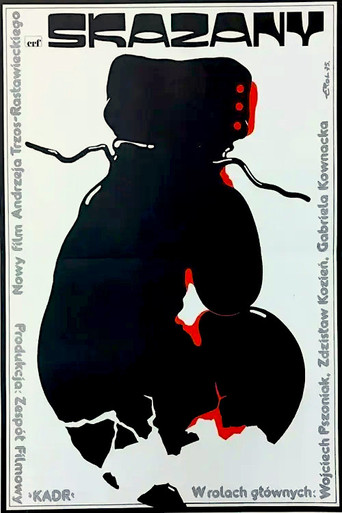
6.3A man is tried in court for failing to help his brother to avoid suicide.
Convicted
1976
 6.2
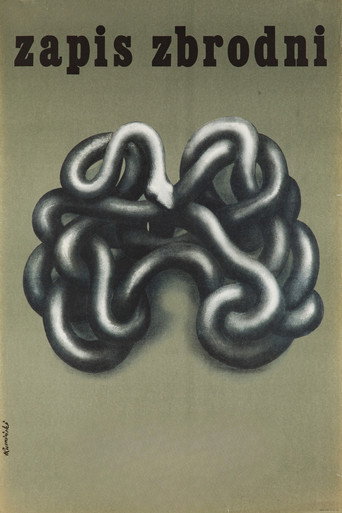
6.2Two young men from a town near Łódź attack and rob a taxi driver. Unsatisfied with the loot, they make their escape from the authorities across Poland.
Criminal Records
1974
"We don't like the party, the former party anymore; one would like to walk with one's head held high, though" - bade farewell to the Polish United Workers' Party its last head, Mieczyslaw Franciszek Rakowski. In the winter of 1990, the organization's banner was solemnly brought out during a meeting in the Congress Hall. The PZPR was dissolved, and a whole new chapter in the history of postwar Poland began.
Zbudujemy socjalizm
2005
The film's protagonist is Colonel Jerzy Ryszard Kukliński of the Polish People's Army, one of the most controversial figures in modern Polish history. For some, he was a national hero who saved Poland from Soviet invasion, for others, he was just a spy and a traitor. The documentary shows his career path: from joining the army in 1947 at the age of 17, through his appointment to a high position in the General Staff in 1964, his graduation in 1976 from the Military Academy in Moscow, where top-ranking officers were trained, to his promotion in the same year to head of the strategic defense planning department. After the West learned of plans to impose martial law in Poland, Kukliński, who was in danger of being exposed, was evacuated by the Americans to Berlin in November 1981.
Pułkownik Kukliński
1997
 NR
NRThe Gestapo searches one of the apartments in Warsaw. It comes to a tragedy.
Śmierć w środkowym pokoju
1967
 7.0
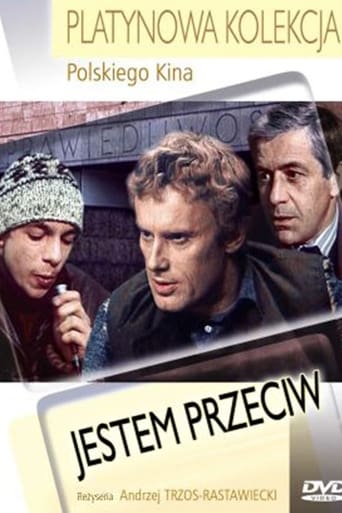
7.0A girl who overdosed on drugs dies in the intensive care unit. The doctor on duty notifies the management of Monar, where the deceased was being treated before she ran away. Jacek, who ran away with Jola a few weeks earlier, returns to the Monar center. Dr. Krystyna agrees to let him spend one night there, even though the rules strictly forbid it. Further decisions regarding the boy will be made by Grzegorz, the center's manager.
...jestem przeciw
1985
Behind the camera
6.3A man is tried in court for failing to help his brother to avoid suicide.
Convicted
1976
6.3A man is tried in court for failing to help his brother to avoid suicide.
Convicted
1976
6.2Two young men from a town near Łódź attack and rob a taxi driver. Unsatisfied with the loot, they make their escape from the authorities across Poland.
Criminal Records
1974
6.2Two young men from a town near Łódź attack and rob a taxi driver. Unsatisfied with the loot, they make their escape from the authorities across Poland.
Criminal Records
1974
"We don't like the party, the former party anymore; one would like to walk with one's head held high, though" - bade farewell to the Polish United Workers' Party its last head, Mieczyslaw Franciszek Rakowski. In the winter of 1990, the organization's banner was solemnly brought out during a meeting in the Congress Hall. The PZPR was dissolved, and a whole new chapter in the history of postwar Poland began.
Zbudujemy socjalizm
2005
"We don't like the party, the former party anymore; one would like to walk with one's head held high, though" - bade farewell to the Polish United Workers' Party its last head, Mieczyslaw Franciszek Rakowski. In the winter of 1990, the organization's banner was solemnly brought out during a meeting in the Congress Hall. The PZPR was dissolved, and a whole new chapter in the history of postwar Poland began.
Zbudujemy socjalizm
2005
The film's protagonist is Colonel Jerzy Ryszard Kukliński of the Polish People's Army, one of the most controversial figures in modern Polish history. For some, he was a national hero who saved Poland from Soviet invasion, for others, he was just a spy and a traitor. The documentary shows his career path: from joining the army in 1947 at the age of 17, through his appointment to a high position in the General Staff in 1964, his graduation in 1976 from the Military Academy in Moscow, where top-ranking officers were trained, to his promotion in the same year to head of the strategic defense planning department. After the West learned of plans to impose martial law in Poland, Kukliński, who was in danger of being exposed, was evacuated by the Americans to Berlin in November 1981.
Pułkownik Kukliński
1997
The film's protagonist is Colonel Jerzy Ryszard Kukliński of the Polish People's Army, one of the most controversial figures in modern Polish history. For some, he was a national hero who saved Poland from Soviet invasion, for others, he was just a spy and a traitor. The documentary shows his career path: from joining the army in 1947 at the age of 17, through his appointment to a high position in the General Staff in 1964, his graduation in 1976 from the Military Academy in Moscow, where top-ranking officers were trained, to his promotion in the same year to head of the strategic defense planning department. After the West learned of plans to impose martial law in Poland, Kukliński, who was in danger of being exposed, was evacuated by the Americans to Berlin in November 1981.
Pułkownik Kukliński
1997
NRThe Gestapo searches one of the apartments in Warsaw. It comes to a tragedy.
Śmierć w środkowym pokoju
1967
7.0A girl who overdosed on drugs dies in the intensive care unit. The doctor on duty notifies the management of Monar, where the deceased was being treated before she ran away. Jacek, who ran away with Jola a few weeks earlier, returns to the Monar center. Dr. Krystyna agrees to let him spend one night there, even though the rules strictly forbid it. Further decisions regarding the boy will be made by Grzegorz, the center's manager.
...jestem przeciw
1985
7.0A girl who overdosed on drugs dies in the intensive care unit. The doctor on duty notifies the management of Monar, where the deceased was being treated before she ran away. Jacek, who ran away with Jola a few weeks earlier, returns to the Monar center. Dr. Krystyna agrees to let him spend one night there, even though the rules strictly forbid it. Further decisions regarding the boy will be made by Grzegorz, the center's manager.
...jestem przeciw
1985
 NR
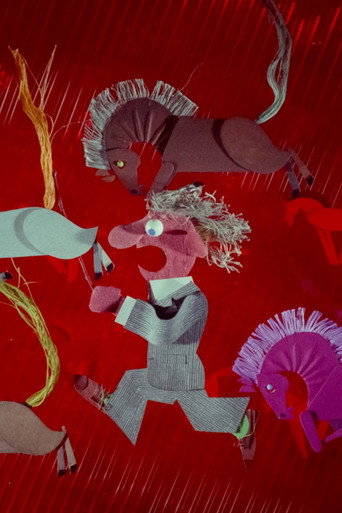
NRA humorous analysis of the symbolic bond between the Pole and the horse, suggesting that the Pole was born from the interaction of a horse and a sword.
The Horse... and the Polish Question
—
The film recalls the story of Enigma, the encryption machine.
Enigma
1976
The film recalls the story of Enigma, the encryption machine.
Enigma
1976
Episodes of the Warsaw Uprising as reported by the insurgent radio station "Błyskawica," illustrated with archival photographs and photos of contemporary Warsaw. Professor Tomasz Strzembosz talks about the specifics of the insurgent struggle and the construction of the station's transmitter, which was constantly moved to different buildings in the city center during the fighting. The film attempts to show what "Błyskawica" meant to Home Army soldiers and the residents of Warsaw and recounts what the station reported on, namely the general situation in the city during the uprising, problems with weapons, food, and water, the insurgent postal service, the explosion of a tank trap, the work of ad hoc hospitals, teenage liaison officers and guides in the sewers, and the execution by the Germans of an entire unit that had surrendered.
Radio powstańcze "Błyskawica"
1994
Episodes of the Warsaw Uprising as reported by the insurgent radio station "Błyskawica," illustrated with archival photographs and photos of contemporary Warsaw. Professor Tomasz Strzembosz talks about the specifics of the insurgent struggle and the construction of the station's transmitter, which was constantly moved to different buildings in the city center during the fighting. The film attempts to show what "Błyskawica" meant to Home Army soldiers and the residents of Warsaw and recounts what the station reported on, namely the general situation in the city during the uprising, problems with weapons, food, and water, the insurgent postal service, the explosion of a tank trap, the work of ad hoc hospitals, teenage liaison officers and guides in the sewers, and the execution by the Germans of an entire unit that had surrendered.
Radio powstańcze "Błyskawica"
1994
 5.3
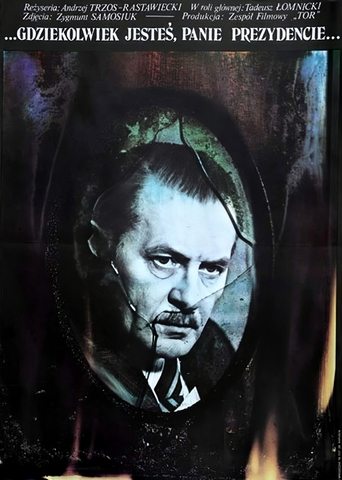
5.3Stefan Starzyński, the mayor of Warsaw, organizes life in the capital in September 1939 and lift the inhabitants' spirits via radio announcements. After the surrender, he does not use his last chance to escape.
Wherever You Are, Mr. President
1978
5.3Stefan Starzyński, the mayor of Warsaw, organizes life in the capital in September 1939 and lift the inhabitants' spirits via radio announcements. After the surrender, he does not use his last chance to escape.
Wherever You Are, Mr. President
1978
Ceremonies marking the inauguration of Pope John Paul II's pontificate in Rome in October 1978.
Papież z Polski
1979
Russian Federation Duma deputy Omar O. Begov, when asked if Stalin can be put on the same level as Hitler, is offended. He says: Poland should be grateful to Stalin that it was separated from other countries, that it became independent. Truman, Churchill and others wanted to divide her like Germany. Stalin insisted that the Republic of Poland remain independent. Most Russians think similarly - if they think about it at all. Some, however, like historians from the Memorial Association, are uncovering the horrifying truth about the methodical, multi-stage extermination of Poles that began on Stalin's orders in 1934.
... powinniście być wdzięczni Stalinowi
1999
Russian Federation Duma deputy Omar O. Begov, when asked if Stalin can be put on the same level as Hitler, is offended. He says: Poland should be grateful to Stalin that it was separated from other countries, that it became independent. Truman, Churchill and others wanted to divide her like Germany. Stalin insisted that the Republic of Poland remain independent. Most Russians think similarly - if they think about it at all. Some, however, like historians from the Memorial Association, are uncovering the horrifying truth about the methodical, multi-stage extermination of Poles that began on Stalin's orders in 1934.
... powinniście być wdzięczni Stalinowi
1999
A documentary devoted to pre-war Warsaw.
II Rzeczpospolita nieznana - Warszawa
1988
A documentary devoted to the Central Industrial Region.
II Rzeczpospolita nieznana - COP
1988
Elections of authorities were a real holiday in the Polish People's Republic. Sometimes suits, often red ties, decorated with the national colors of the committees. The country's residents flocked to the polls in crowds to express their support for those in power with their vote. In compact columns, soldiers and civil servants marched to the commissions. In hospitals, doctors and nurses voted, the ballot boxes were delivered to seriously ill patients. With special documents, railroad workers traveling around the country were also able to fulfill their duty. Years of effort by the authorities in making the public politically aware bore fruit.
Ballada o prawdziwym kłamstwie
2007
Elections of authorities were a real holiday in the Polish People's Republic. Sometimes suits, often red ties, decorated with the national colors of the committees. The country's residents flocked to the polls in crowds to express their support for those in power with their vote. In compact columns, soldiers and civil servants marched to the commissions. In hospitals, doctors and nurses voted, the ballot boxes were delivered to seriously ill patients. With special documents, railroad workers traveling around the country were also able to fulfill their duty. Years of effort by the authorities in making the public politically aware bore fruit.
Ballada o prawdziwym kłamstwie
2007
Report from the Holy Father's second pilgrimage to Poland in 1983.
Credo...
1983
Report from the Holy Father's second pilgrimage to Poland in 1983.
Credo...
1983
A school reunion is called to commemorate Adam, who died during the Second World War while defending a bridge. Unexpectedly, Adam shows up just before the ceremony. It turns out that he was only wounded, and after a war started a family and lived an ordinary life. To avoid the truth from spreading town Adam is asked to leave so that he can still be revered as a hero.
Najlepszy kolega
1981
 7.8
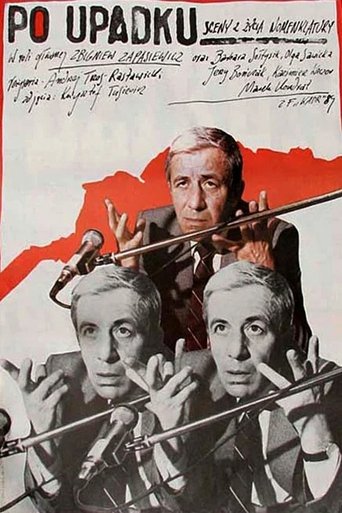
7.8A story of high-ranking party members from the 1970s embroiled in political deception.
Po upadku
1990
7.8A story of high-ranking party members from the 1970s embroiled in political deception.
Po upadku
1990
 NR
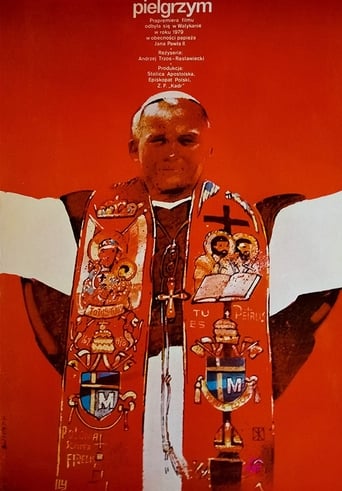
NRThe documentary presents Pope John Paul II's first pilgrimage to Poland, which took place in 1979.
Pielgrzym
1979
 6.0
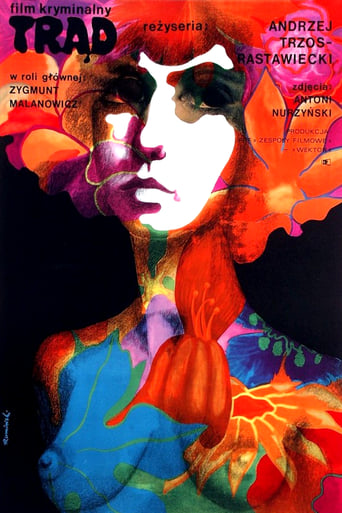
6.0When Stanisław Czermień is wrongfully accused of rape and murder, he decides to exonerate himself and track down the real criminal.
Leprosy
1971