
Acting
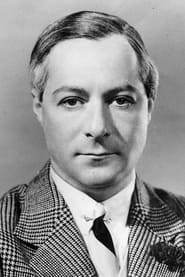
George Jessel
Born — Died
1898-04-03 — 1981-05-23
Place of birth
The Bronx, New York City, New York, USA
Known for
Acting
Credits
59 titles
George Albert "Georgie" Jessel (April 3, 1898 – May 23, 1981) was an American actor, singer, songwriter, and film producer. He was famous in his lifetime as a multitalented comedic entertainer, achieving a level of recognition that transcended his limited roles in movies. He was widely known by his nickname, the "Toastmaster General of the United States," for his frequent role as the master of ceremonies at political and entertainment gatherings. Jessel originated the title role in the stage production of The Jazz Singer. Description above from the Wikipedia article George Jessel (actor), licensed under CC-BY-SA, full list of contributors on Wikipedia.
Known for
 7.6
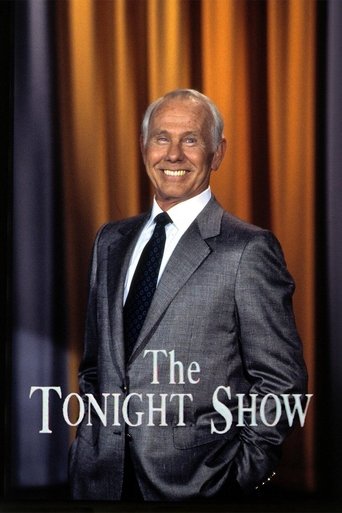
7.6The Tonight Show Starring Johnny Carson is a talk show hosted by Johnny Carson under The Tonight Show franchise from 1962 to 1992. It originally aired during late-night. For its first ten years, Carson's Tonight Show was based in New York City with occasional trips to Burbank, California; in May 1972, the show moved permanently to Burbank, California. In 2002, The Tonight Show Starring Johnny Carson was ranked #12 on TV Guide's 50 Greatest TV Shows of All Time.
The Tonight Show Starring Johnny Carson
1962
 5.8
5.8The Mike Douglas Show is an American daytime television talk show hosted by Mike Douglas that originally aired only in the Cleveland area during much of its first two years on the air. It then went into syndication in 1963 and remained on television until 1982. It was distributed by Westinghouse Broadcasting and for much of its run, originated from studios of two of the company's TV stations in Cleveland and Philadelphia.
The Mike Douglas Show
1961
 6.8
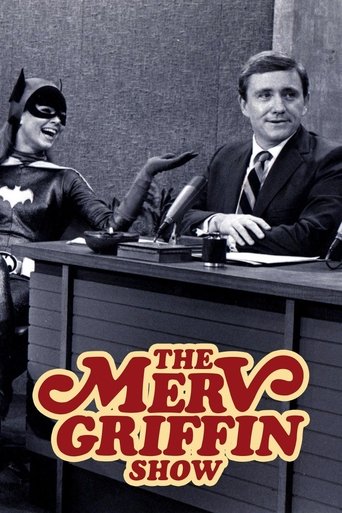
6.8No synopsis available yet.
The Merv Griffin Show
1962
 7.0
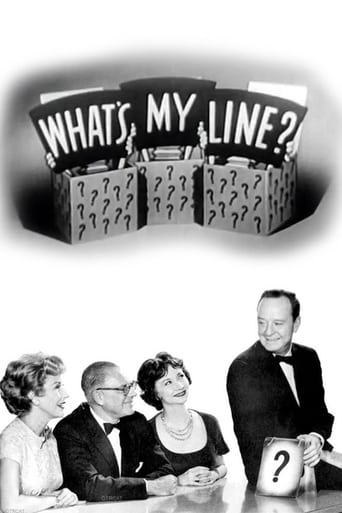
7.0Four panelists must determine guests' occupations - and, in the case of famous guests, while blindfolded, their identity - by asking only "yes" or "no" questions.
What's My Line?
1950
 7.5
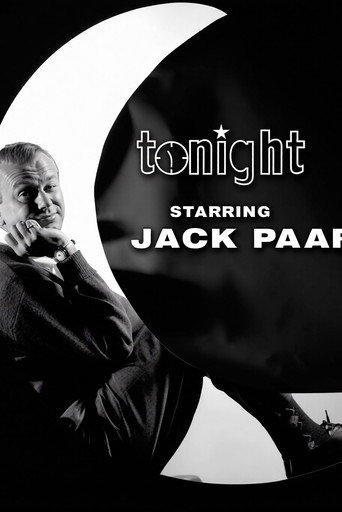
7.5Tonight Starring Jack Paar is an American talk show hosted by Jack Paar under The Tonight Show franchise from 1957 to 1962. It originally aired during late-night. During most of its run it was broadcast from Studio 6B inside the RCA Building. The same studio would also host early episodes of The Tonight Show Starring Johnny Carson, and Late Night with Jimmy Fallon. Its theme song was an instrumental version of "Everything's Coming Up Roses", and the closing theme was "So Until I See You" by Al Lerner.
Tonight Starring Jack Paar
1957
 6.8
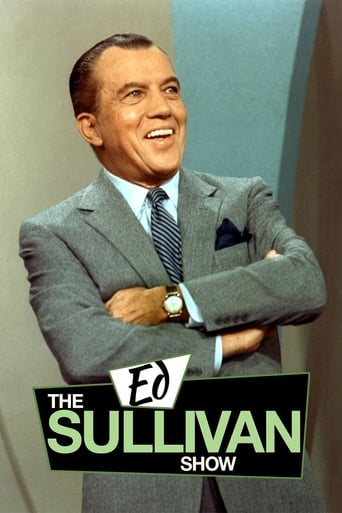
6.8The Ed Sullivan Show is an American TV variety show that originally ran on CBS from Sunday June 20, 1948 to Sunday June 6, 1971, and was hosted by New York entertainment columnist Ed Sullivan. It was replaced in September 1971 by the CBS Sunday Night Movie, which ran only one season and was eventually replaced by other shows. In 2002, The Ed Sullivan Show was ranked #15 on TV Guide's 50 Greatest TV Shows of All Time.
The Ed Sullivan Show
1948
Film credits
2010s · 2 titles
 6.7
6.7At a media-swamped party to celebrate his seventieth birthday and screen his avant-garde film-in-progress, a legendary but jaded Hollywood director is faced both with voracious fans and unsettling questions about what became of his lead actor.
The Other Side of the Wind
2018
 7.4
7.4Explore the dramatic career and personal struggles of the talented and tragically short-lived entertainer Judy Garland through rare concert footage, never-heard-before voice recordings and personal photos.
Sid & Judy
2019
1990s · 1 titles
1980s · 2 titles
 6.9
6.9An account of the revolutionary years of the legendary American journalist John Reed, who shared his adventurous professional life with his radical commitment to the socialist revolution in Russia, his dream of spreading its principles among the members of the American working class, and his troubled romantic relationship with the writer Louise Bryant.
Reds
1981
 7.0
7.0Out-takes (mostly from Warner Bros.), promotional shorts, movie premieres, public service pleas, wardrobe tests, documentary material, and archival footage make up this star-studded voyeuristic look at the Golden age of Hollywood during the 30s, 40, and 50.
Hollywood Out-takes and Rare Footage
1983
1970s · 4 titles
 4.4
4.4A would-be filmmaker and actress shake up the industry with a trick dog who gets discovered by a studio bus driver in the 1920s.
Won Ton Ton: The Dog Who Saved Hollywood
1976
 3.6
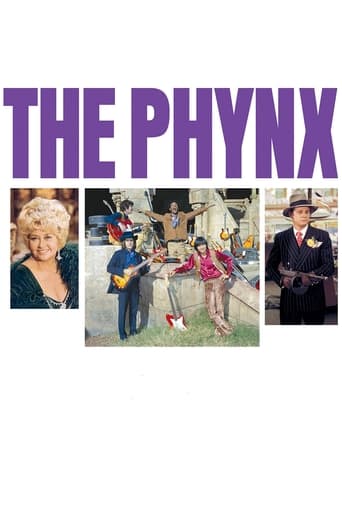
3.6A rock band is invented by the government as a cover to find hostages in a remote castle in Albania held by communist enemies of the USA.
The Phynx
1970
 7.0
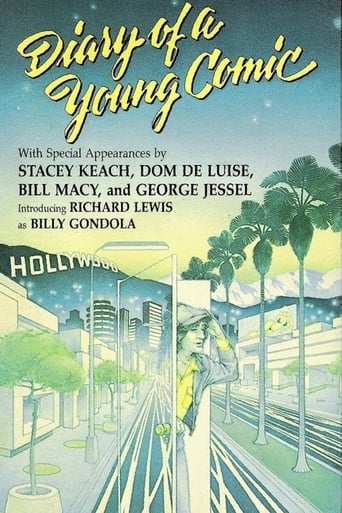
7.0A time capsule of the L.A. comedy scene in the 1970s, "Diary of a Young Comic" casts Richard Lewis as a fictionalized version of himself - a young New York comic who comes out to Los Angeles to seek his fame and fortune.
Diary of a Young Comic
1979
 6.0
6.0The Mad, Mad, Mad Comedians is a 1970 American animated television special produced by Rankin/Bass Productions. After the Christmas special Frosty the Snowman (1969), it was Rankin/Bass' second hand-drawn animated work to be outsourced to Osamu Tezuka's Mushi Production in Tokyo, Japan. The show aired on ABC on April 7, 1970 before the airing of that year's Oscars. It was a tribute to early vaudeville, and featured animated reworkings of various famous comedians' acts.
The Mad, Mad, Mad Comedians
1970
1960s · 3 titles
 6.1
6.1Lured by their dreams of fame and fortune, three ambitious young women enter the world of show business and discover how easy it is to sink into a celebrity nightmare of ego, alcohol and pills — the beloved "dolls."
Valley of the Dolls
1967
 7.2
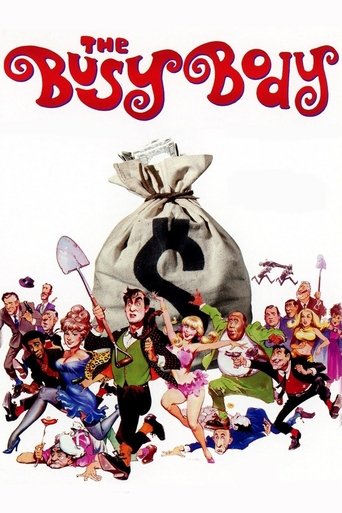
7.2Sid Caesar is a bumbling gopher to a mob boss who must recover a fortune in cash stowed in the suit of a corpse.
The Busy Body
1967
 4.8
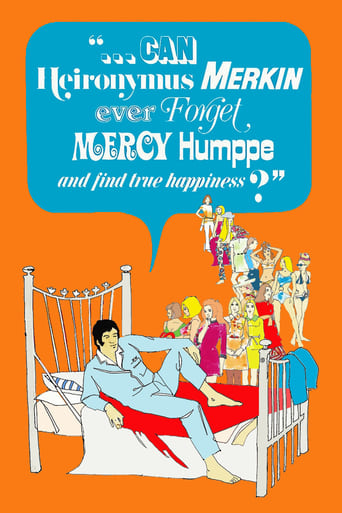
4.8Heironymus Merkin is an internationally successful singer approaching middle age who retells his life story in a series of production numbers on a seashore in front of his two toddlers and aged mother. Merkin's promiscuous relationships with women are explored, particularly Polyester Poontang and the adolescent Mercy Humppe. Merkin is constantly surrounded by a Satan-like procurer, Goodtime Eddie Filth, and an angelic 'Presence' who interrupts Merkin's biography with cryptic Borscht Belt-level jokes to denote births and deaths in Merkin's life. Newley periodically steps out of character to complain about his 'Merkin' role with an unseen director, two screenwriters, the film's producers and a trio of blasé movie critics who are turned off by the story's eroticism and lack of plot.
Can Heironymus Merkin Ever Forget Mercy Humppe and Find True Happiness?
1969
1950s · 6 titles
No synopsis available yet.
Wonders of Puerto Rico
1958
 5.4
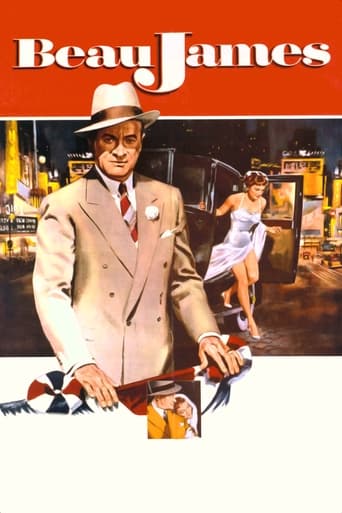
5.4The story of Jimmy Walker who became mayor of New York in the '20s.
Beau James
1957
 NR
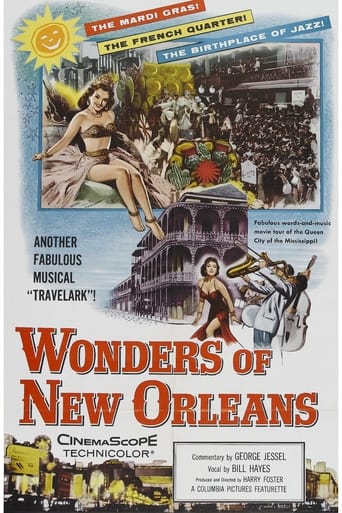
NRTravelogue featuring New Orleans, its music, and its Mardi Gras.
Wonders of New Orleans
1957
A BAFTA award nominated documentary taking a satirically narrated look at the "Windy City".
Wonders of Chicago
1958
 7.0
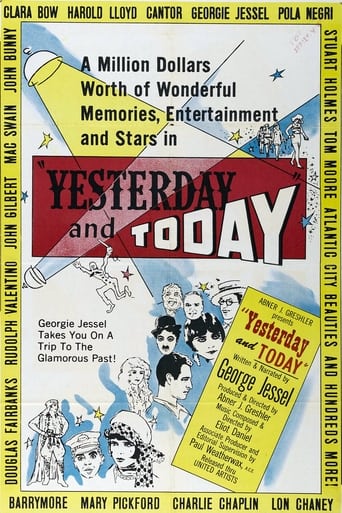
7.0A compilation of early-day silent films that serves as a glimpse back to the formative days of the movie industry as a salute to Hollywood's Golden Year, so proclaimed by the Hollywood Chamber of Commerce as 1953.
Yesterday and Today
1953
 7.7
7.7An European princess visiting America helps a record producer organize a big concert.
Juke Box Rhythm
1959
1940s · 2 titles
 6.3
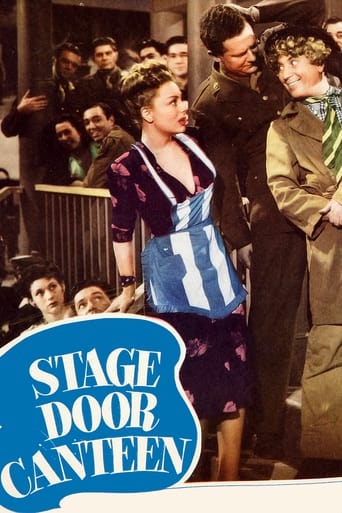
6.3A young soldier on a pass in New York City visits the famed Stage Door Canteen, where famous stars of theatre and film appear and host a recreational center for servicemen during the war. The soldier meets a pretty young hostess and they enjoy the many entertainers and a growing romance.
Stage Door Canteen
1943
 6.8
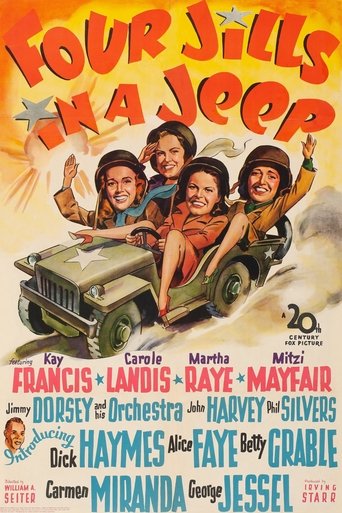
6.8Reenactments of actual USO experiences of its female stars entertaining troops overseas.
Four Jills in a Jeep
1944
1930s · 4 titles
 5.4
5.4George convinces his friend John that suicide isn't the answer.
It Might Be Worse
1931
 5.0
5.0An immigrant has become a mailman on Radio Row. One of his first duties is to deliver letters to Bonnie Poe, Vera Van, Ramon & Rosalie, and George Jessel. Each of them is doing a specialty, except for Jessel, who's been interrupted in his rehearsal by a fellow who wants him to appear on a benefit for starving "moonlight-song writers". Jessel accepts and tells his mother that he won't be home for dinner, until he is told that the benefit is not in town but in Philadelphia. But the fellow has a pretty secretary...
Rambling 'Round Radio Row #9
1934
 4.3
4.3Veteran vaudevillian regales the audience with highlights from his comedy travel monologue and introduces "His Modern Art Choir," A Russian group he met while traveling in the Soviet Union who sing a traditional Russian song and an American standard.
George Jessel and His Russian Art Choir
1931
An ambitious campaign manager makes friends, influences people and welcomes his long-lost mother to Ellis Island.
Politics
1930
1920s · 7 titles
 6.3
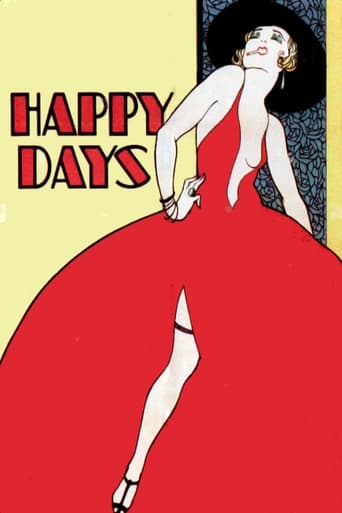
6.3In Fox's contribution to the all-star revue cycle of early talkies, showboat singer Margie, hearing that the show is in arrears, goes to New York to gather all of the former stars to stage a minstrel show as a benefit.
Happy Days
1929
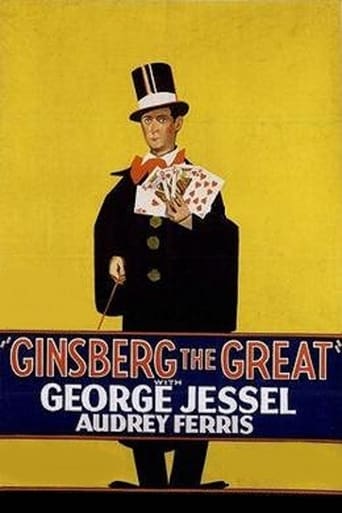 10.0
10.0Johnny Ginsberg (George Jessel) is a tailor's assistant whose ambition is to become a successful conjurer/magician. He joins a carnival and fails but not before apprehending a gang of jewel thieves and gaining the love of Mary (Audrey Ferris), the girl he adores.
Ginsberg the Great
1927
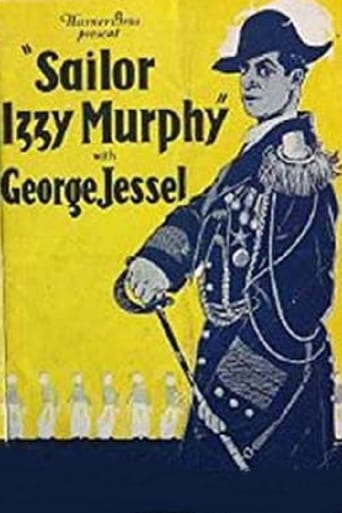 7.0
7.0Izzy Murphy is a street vendor of scents that falls in love with the beautiful woman (Audrey Ferris) whose picture adorns the perfume bottle he sells. After resourcefully tracing the beauty (whose father(Warner Oland) manufactures the perfume to a luxury yacht, he finds himself in the company of an escaped lunatic John Miljan) who has vowed to murder the perfume manufacturer in retaliation for all the flowers that have been lost in the making of the perfume.
Sailor Izzy Murphy
1927
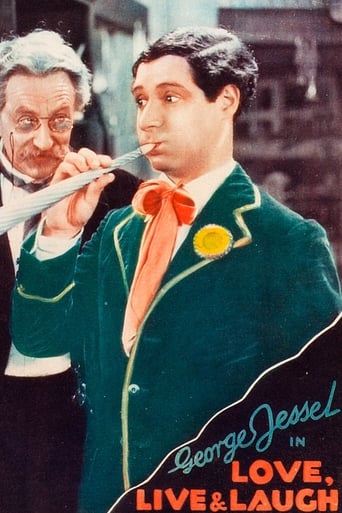 9.0
9.0Any movie that starts Jewish entertainer George Jessel as an Italian accordionist named Luigi can't be all bad. In love with the beautiful Margharita (Lila Lee), Luigi lands a job in the music store owned by the girl's uncle. Ultimately, however, our hero does the Pagliacci act when Margharita evinces a preference for handsome Pasquale (David Rollins). The film's best scene takes place in a nursery full of talented tots, a sequence that undoubtedly reminded Jessel of his days with Gus Edwards' "Schoolroom" act. Exercising his droit du seigneur, Georgie Jessel sings the title tune.
Love, Live & Laugh
1929
George Washington Cohen, a naïve young man discovers a wallet in the street and returns it to its owner, the wealthy Wall Street banker, Mr. Gorman. Impressed with his honesty, Mr. Gorman gives George a job. However, things take a complicated turn when George discovers Mr. Gorman's wife is having an affair.
George Washington Cohen
1928
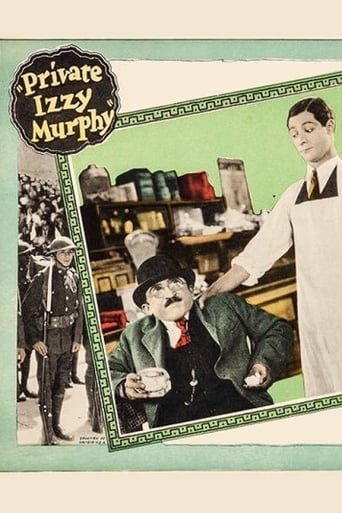 8.0
8.0Isadore "Izzy" Goldberg changes his name to I. Patrick Murphy because his store is in an Irish-neighborhood in New York City. He meets Eileen Cohannigan, the daughter of a meat-packer, and he tells her he is Irish and a romance begins. When America enters World War I, "Izzy" enlists, is sent to France, and is wounded while engaged in a heroic rescue during a big battle. While recovering in an overseas hospital, he writes Eileen and tells her he is Jewish and not Irish. Returning home, he is parading with his regiment and he sees Eileen with Robert O'Malley, his old rival. He thinks she has thrown him over because he is Jewish. An Irish lodge comes to bestow an honor on the man they think is Patrick Murphy, an Irish hero. But O'Malley tells them his real name is Goldberg. But Eileen tels him it is he she loves, and they head for the marriage-license bureau.
Private Izzy Murphy
1926
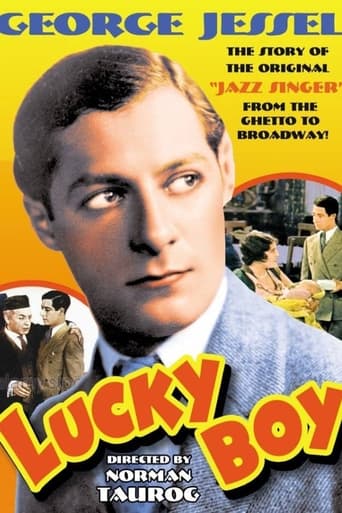 5.2
5.2A young Jewish man works in his father's jewelry business, but he doesn't like it at all--he wants to be an entertainer, something he knows that his father would never approve of. He comes up with a scheme to put on his own show in a theater and show his father that he can be a success, but things don't work out quite as well as he planned.
Lucky Boy
1929
Series credits
7.6The Tonight Show Starring Johnny Carson is a talk show hosted by Johnny Carson under The Tonight Show franchise from 1962 to 1992. It originally aired during late-night. For its first ten years, Carson's Tonight Show was based in New York City with occasional trips to Burbank, California; in May 1972, the show moved permanently to Burbank, California. In 2002, The Tonight Show Starring Johnny Carson was ranked #12 on TV Guide's 50 Greatest TV Shows of All Time.
The Tonight Show Starring Johnny Carson
1962
5.8The Mike Douglas Show is an American daytime television talk show hosted by Mike Douglas that originally aired only in the Cleveland area during much of its first two years on the air. It then went into syndication in 1963 and remained on television until 1982. It was distributed by Westinghouse Broadcasting and for much of its run, originated from studios of two of the company's TV stations in Cleveland and Philadelphia.
The Mike Douglas Show
1961
5.8The Mike Douglas Show is an American daytime television talk show hosted by Mike Douglas that originally aired only in the Cleveland area during much of its first two years on the air. It then went into syndication in 1963 and remained on television until 1982. It was distributed by Westinghouse Broadcasting and for much of its run, originated from studios of two of the company's TV stations in Cleveland and Philadelphia.
The Mike Douglas Show
1961
6.8No synopsis available yet.
The Merv Griffin Show
1962
7.0Four panelists must determine guests' occupations - and, in the case of famous guests, while blindfolded, their identity - by asking only "yes" or "no" questions.
What's My Line?
1950
7.5Tonight Starring Jack Paar is an American talk show hosted by Jack Paar under The Tonight Show franchise from 1957 to 1962. It originally aired during late-night. During most of its run it was broadcast from Studio 6B inside the RCA Building. The same studio would also host early episodes of The Tonight Show Starring Johnny Carson, and Late Night with Jimmy Fallon. Its theme song was an instrumental version of "Everything's Coming Up Roses", and the closing theme was "So Until I See You" by Al Lerner.
Tonight Starring Jack Paar
1957
6.8The Ed Sullivan Show is an American TV variety show that originally ran on CBS from Sunday June 20, 1948 to Sunday June 6, 1971, and was hosted by New York entertainment columnist Ed Sullivan. It was replaced in September 1971 by the CBS Sunday Night Movie, which ran only one season and was eventually replaced by other shows. In 2002, The Ed Sullivan Show was ranked #15 on TV Guide's 50 Greatest TV Shows of All Time.
The Ed Sullivan Show
1948
 6.9
6.9The Colgate Comedy Hour is an American comedy-musical variety series that aired live on the NBC network from 1950 to 1955. The show starred many notable comedians and entertainers of the era, including Eddie Cantor, Dean Martin and Jerry Lewis, Fred Allen, Donald O'Connor, Bud Abbott and Lou Costello, Bob Hope, Jimmy Durante, Ray Bolger, Gordon MacRae, Ben Blue, Robert Paige, Tony Curtis, Burt Lancaster, Broadway dancer Wayne Lamb and Spike Jones and His City Slickers.
The Colgate Comedy Hour
1950
 6.2
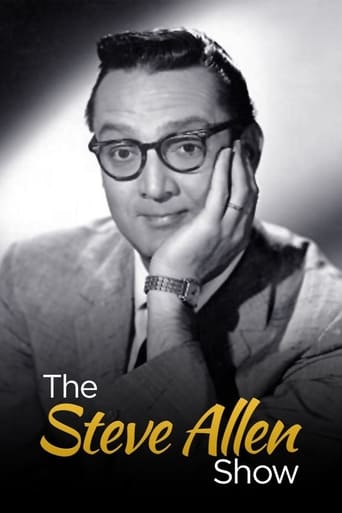
6.2No synopsis available yet.
The Steve Allen Show
1956
 7.8
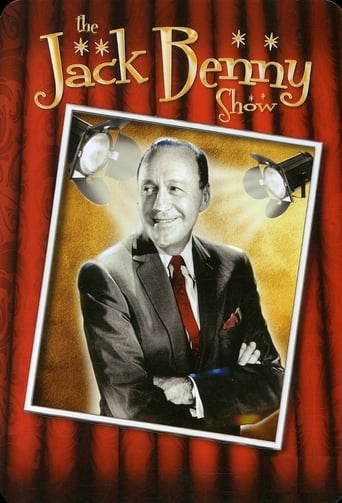
7.8Laugh along with funnyman Jack Benny as he brings his underplayed humor to TV along with regular performers from his radio show days.
The Jack Benny Program
1950
 6.9
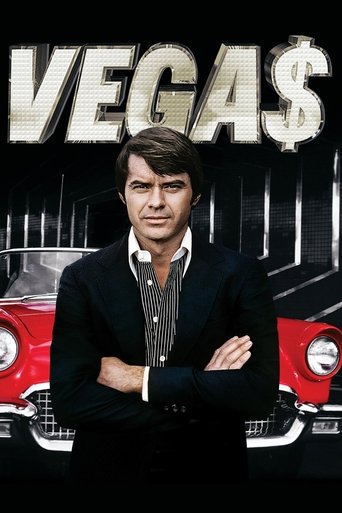
6.9Private detective Dan Tanna drives around the streets of Las Vegas in a red 1957 Ford Thunderbird solving crimes and making Las Vegas a better place for residents and tourists alike.
Vega$
1978
 6.8
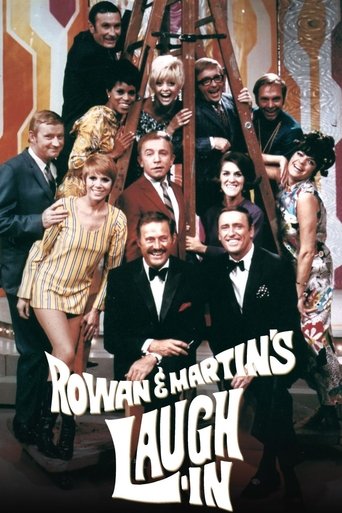
6.8An American sketch comedy television program hosted by comedians Dan Rowan and Dick Martin.
Rowan & Martin's Laugh-In
1968
 7.5
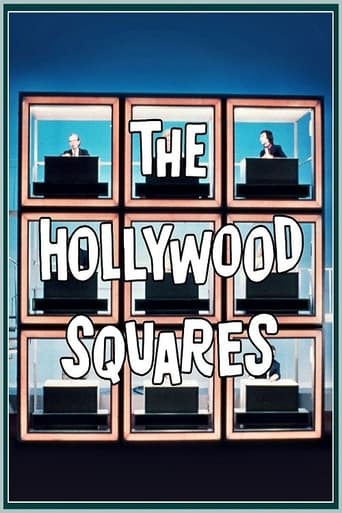
7.5Hollywood Squares is an American panel game show, in which two contestants play tic-tac-toe to win cash and prizes. The "board" for the game is a 3 × 3 vertical stack of open-faced cubes, each occupied by a celebrity seated at a desk and facing the contestants. The stars are asked questions by the host, or "Square-Master", and the contestants judge the veracity of their answers in order to win the game. Although Hollywood Squares was a legitimate game show, the game largely acted as the background for the show's comedy in the form of joke answers, often given by the stars prior to their "real" answer. The show's writers usually supplied the jokes. In addition, the stars were given question subjects and plausible incorrect answers prior to the show. The show was scripted in this sense, but the gameplay was not. In any case, as host Peter Marshall, the best-known "Square-Master" and the man in whose honor the show's first announcer, Kenny Williams, actually "coined" the term, would explain at the beginning of the Secret Square game, the celebrities were briefed prior to show to help them with bluff answers, but they otherwise heard the actual questions for the first time as they were asked on air.
Hollywood Squares
1966
 6.8
6.8Startime, an anthology of drama, comedy and variety, was one of the first American television shows broadcast in color.
Startime
1959
The Jimmy Durante Show is a 51-episode half-hour comedy/variety television program presented live on NBC from October 2, 1954 to June 23, 1956.
The Jimmy Durante Show
1954
Behind the camera
 7.2
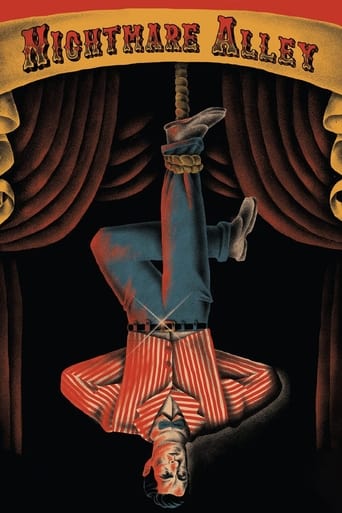
7.2A roustabout joins a traveling carny and schemes to figure out the mind-reading act of Mademoiselle Zeena and her alcoholic husband.
Nightmare Alley
1947
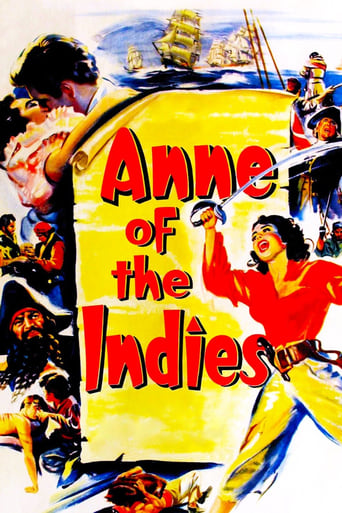 6.4
6.4After buccaneer captain Anne Providence spares Pierre LaRochelle and recruits him into her pirate crew, their growing attraction is tested when Captain Blackbeard reveals LaRochelle's true identity as a former French navy officer.
Anne of the Indies
1951
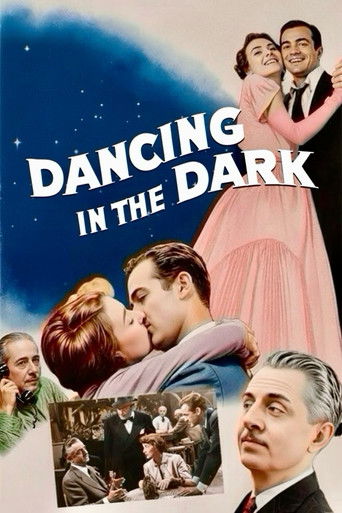 6.0
6.0Emery Slade was one of the brightest stars in Hollywood in 1932, but by 1949 his career has hit the skids. Fortunately, he is able to convince studio head Melville Crossman to cast him in the adaptation of a hit Broadway show. Crossman has one condition: Slade must travel to New York and convince the female star of the stage production to join the film. Slade goes, but, when he eyes the winsome Julie Clarke, he hatches a different scheme.
Dancing in the Dark
1949
 5.5
5.5Period musical about a song plugger who vows to turn an opera composer's music into popular hits.
Oh, You Beautiful Doll
1949
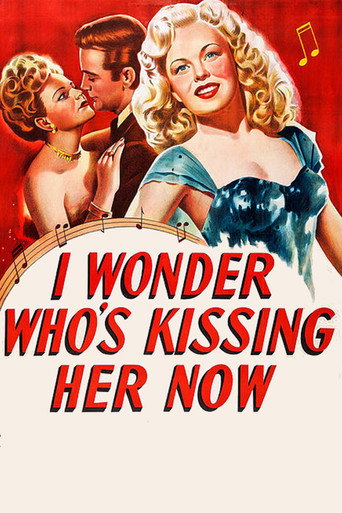 7.5
7.5A biopic of the career of Joe Howard (12 Feb.,1878 - 19 May, 1961), famous songwriter of the early 20th Century. Howard wrote the title song, Goodbye, My Lady Love; and Hello, My Baby among many others. Mark Stevens was dubbed by Buddy Clark, well known singer of the 30's and 40's
I Wonder Who's Kissing Her Now
1947
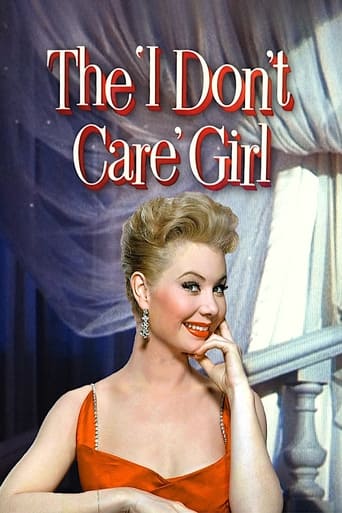 7.2
7.2This semi-film within a film opens in the office of producer George Jessel, who never saw a camera he couldn't get in front of, who is holding a story conference to determine the screen treatment for the life of Eva Tanguay, and Jessel is unhappy with what the writers present him.He tells them to look up Eddie McCoy, Eva's one-time partner, for the real inside story on the lusty and vital Eva. Eddie's version is that he discovered her working as a waitress in an Indianapolis restaurant in 1912, wherein singer Larry Woods and his partner Charles Bennett get into a fight over her and both land in the hospital, and McCoy convinces the manager to put Eva on as a single to fill their spot. She flopped, but McCoy arranges for Bennett to be her accompanist, and she went out of his life. The writers look up Bennett, now head of a music publishing company, who says McCoy's story is phony, and it was Flo Zigfeld who discovered Eva for his Follies.
The I Don't Care Girl
1953
 4.7
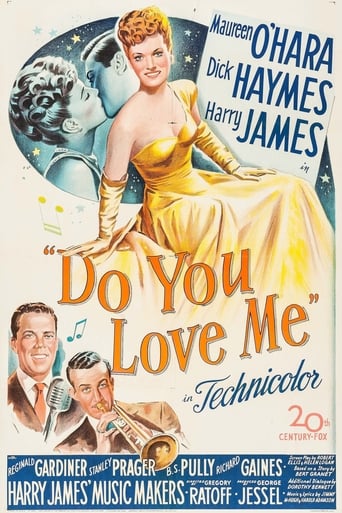
4.7Katharine Hilliard, mousy dean of a stuffy music school, meets and is insulted by swing band leader Barry Clayton on a train. To "show" him she takes a friend's advice, removes her glasses, and puts on a designer gown. Naturally, she becomes gorgeous. Soon, both Barry and crooner Jimmy Hale are after her, and she finds herself in the midst of triangles and misunderstandings.
Do You Love Me
1946
 6.4
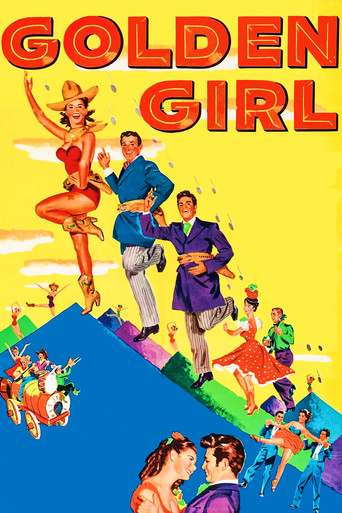
6.4Against the background of the Civil War, sixteen-year-old song-and-dance artiste Lotta Crabtree works her way across America, becoming ever more popular.
Golden Girl
1951
 5.5
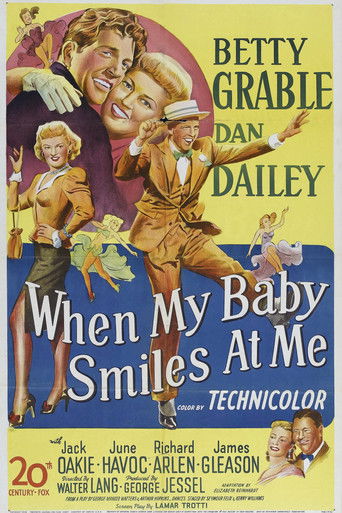
5.5Bonny Kane and 'Skid' Johnson are vaudeville performers in the 1920s. The two of them suffer marital difficulties when Skid gets an offer to appear on Broadway while Bonny gets left behind on the road. Things get worse with Skid's increasing drinking problem and the fact that the press has reported him to be spending a lot of time with his pretty co-star.
When My Baby Smiles at Me
1948
 5.8
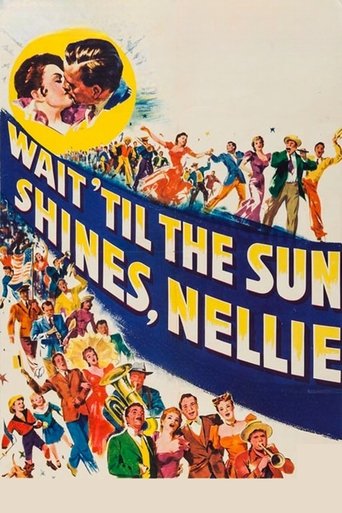
5.8At the fiftieth anniversary of his town's founding, the town's first barber recalls his long-dead, spirited bride and the flaw in his own character that helped bring about her loss and several others.
Wait Till the Sun Shines, Nellie
1952
7.0A compilation of early-day silent films that serves as a glimpse back to the formative days of the movie industry as a salute to Hollywood's Golden Year, so proclaimed by the Hollywood Chamber of Commerce as 1953.
Yesterday and Today
1953
 9.5
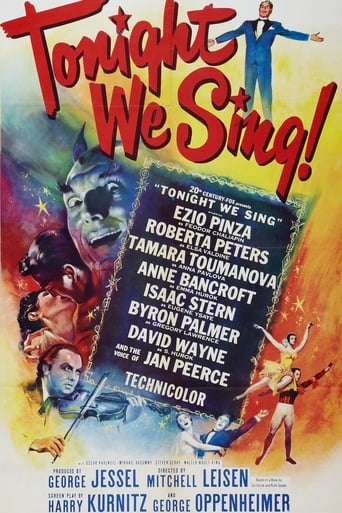
9.5The life story of legendary impresario Sol Hurok. A lover of the arts, young immigrant Hurok despairs when he realizes he has no musical or artistic talents. Thus it is that, despite great personal and financial sacrifice, Hurok devotes his life to discovering and nurturing other performers and bringing them to Broadway.
Tonight We Sing
1953
5.2A young Jewish man works in his father's jewelry business, but he doesn't like it at all--he wants to be an entertainer, something he knows that his father would never approve of. He comes up with a scheme to put on his own show in a theater and show his father that he can be a success, but things don't work out quite as well as he planned.
Lucky Boy
1929