
Directing
Mike Gray
Born — Died
1935-10-26 — 2013-04-30
Place of birth
Racine, Wisconsin, USA
Known for
Directing
Credits
9 titles
Known for
 5.8
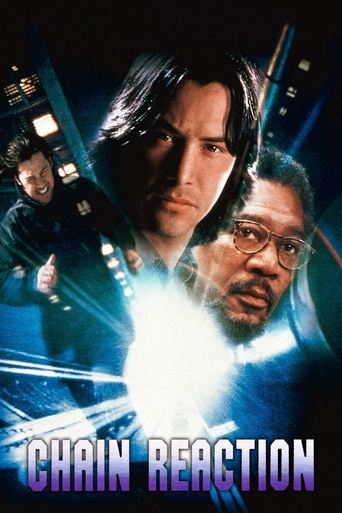
At the University of Chicago, a research team that includes brilliant student machinist Eddie Kasalivich experiences a breakthrough: a stable form of fusion that may lead to a waste-free energy source. However, a private company wants to exploit the technology, so Kasalivich and physicist Dr. Lily Sinclair are framed for murder, and the fusion device is stolen. On the run from the FBI, they must recover the technology and exonerate themselves.
Chain Reaction
1996
 7.1
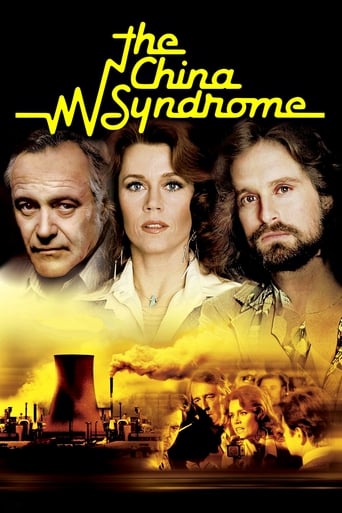
While doing a series of reports on alternative energy sources, opportunistic reporter Kimberly Wells witnesses an accident at a nuclear power plant. Wells is determined to publicize the incident, but soon finds herself entangled in a sinister conspiracy to keep the full impact of the incident a secret.
The China Syndrome
1979
 5.9
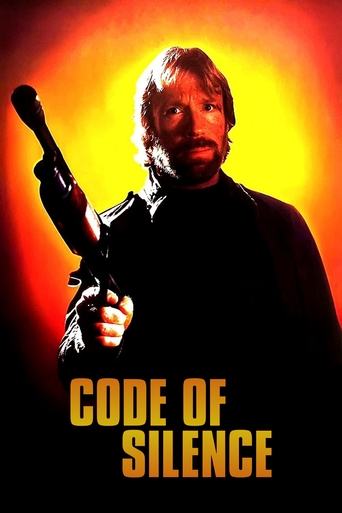
A Chicago cop is caught in the middle of a gang war while his own comrades shun him because he wants to take an irresponsible cop down.
Code of Silence
1985
 5.9
Two young lovers learn that a small group of child-like space aliens are marooned on Earth and are being held prisoner at a top secret military facility. The couple then decide to liberate the extraterrestrial castaways and help them make a rendezvous with a rescue ship sent from the alien home planet.
Wavelength
1983
 7.0
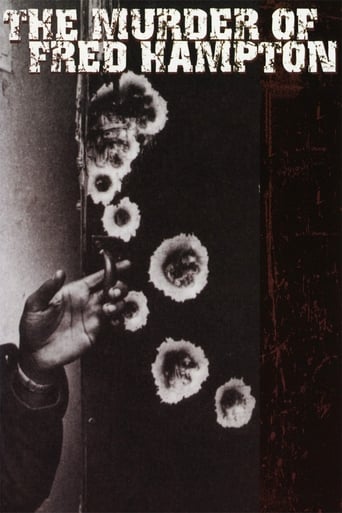
Fred Hampton was the leader of the Illinois Chapter of the Black Panther Party. This film depicts his brutal murder by the Chicago police and its subsequent investigation, but also documents his activities in organizing the Chapter, his public speeches, and the programs he founded for children during the last eighteen months of his life.
The Murder of Fred Hampton
1971
 7.8
“AMERICAN REVOLUTION 2” includes footage of the 1968 Democratic Convention protest and riot, a critique of events by working class African-Americans in Chicago, and attempts by the Black Panther Party to organize poor, southern white youths.
American Revolution 2
1969
Film credits
Behind the camera
7.1While doing a series of reports on alternative energy sources, opportunistic reporter Kimberly Wells witnesses an accident at a nuclear power plant. Wells is determined to publicize the incident, but soon finds herself entangled in a sinister conspiracy to keep the full impact of the incident a secret.
The China Syndrome
1979
5.9A Chicago cop is caught in the middle of a gang war while his own comrades shun him because he wants to take an irresponsible cop down.
Code of Silence
1985
5.9Two young lovers learn that a small group of child-like space aliens are marooned on Earth and are being held prisoner at a top secret military facility. The couple then decide to liberate the extraterrestrial castaways and help them make a rendezvous with a rescue ship sent from the alien home planet.
Wavelength
1983
7.0Fred Hampton was the leader of the Illinois Chapter of the Black Panther Party. This film depicts his brutal murder by the Chicago police and its subsequent investigation, but also documents his activities in organizing the Chapter, his public speeches, and the programs he founded for children during the last eighteen months of his life.
The Murder of Fred Hampton
1971
7.8“AMERICAN REVOLUTION 2” includes footage of the 1968 Democratic Convention protest and riot, a critique of events by working class African-Americans in Chicago, and attempts by the Black Panther Party to organize poor, southern white youths.
American Revolution 2
1969
7.8“AMERICAN REVOLUTION 2” includes footage of the 1968 Democratic Convention protest and riot, a critique of events by working class African-Americans in Chicago, and attempts by the Black Panther Party to organize poor, southern white youths.
American Revolution 2
1969
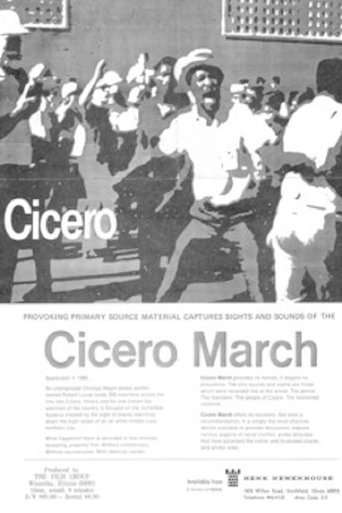 6.3
For a generation of young activists, the reality of war, imperialism, racism and the growing fragility of democratic liberalism was too much to handle. Force became a means to wrestle with this tension. As the discourse of a “country torn” finds its way into mainstream political analyses (for many the deep divisions in this country are not a new political reality), we should reflect on the writings of political dissidents and radicals. We should recognize the diversity of political analysis that is very much alive. The histories of armed struggle, if taken seriously, provide us with a means to think more critically about the center, and complicate its claims of moral and political right.
The Urban Crisis and the New Militants: Module 7 - Cicero March
1966