
Known for
 7.0
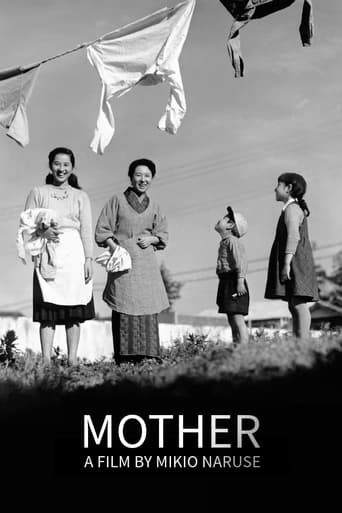
A teenaged girl witnesses her widowed mother's attempt to sustain her family.
Mother
1952
 8.0
Japanese drama.
Where's Paradise?
1956
 8.0
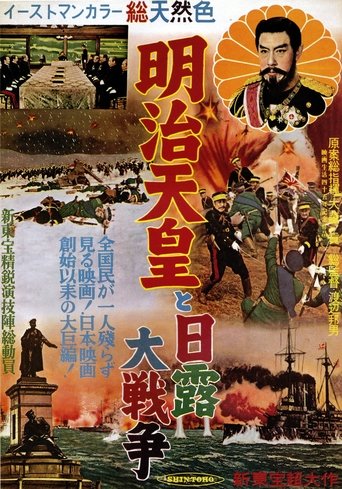
Meiji Tenno portrays the buildup to the Russo-Japan War. In addition to showing the political events that led to war, it also shows the era from the story of a farm family in rural Japan that sends their son off to war. As such, it could be considered an anti-war movie, showing how, while war is devised by governments, the people do not really understand what war is, and its combatants often do not know what they are fighting for.
Emperor Meiji and the Great Russo-Japanese War
1957
 8.0
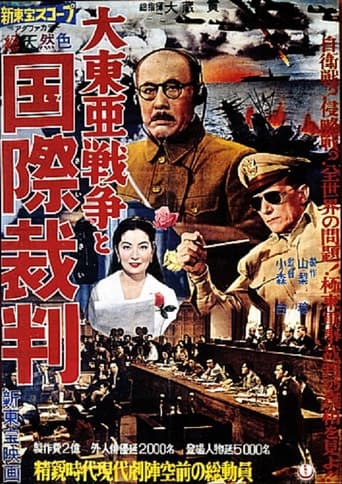
In 1941, overpopulated Japan faces an economic boycott and its armed forces push further to the south. And despite negotiations between Japan and the U. S. A. war is declared with the attack on Pearl Harbour. Victories follow for Japan on land and sea and her forces push forward to the borders of India. But gradually the tide turns in favour of the Allies and after the atom bombings of Hiroshima and Nagasaki, Japan is compelled to accept the Potsdam Declaration and by the order of the Emperor agrees to unconditional surrender. Under the supervision of the occupation forces the International Military Tribunal opens in Tokyo to try the Japanese war leaders. Established in the cause of justice, and to prevent future aggressive wars the trials drag on for two and a half years. And on December 23, 1948, General Tojo and six other war leaders mount the thirteen steps to the gallows at Tokyo's Sugamo prison.
The Pacific War and the International Military Tribunal
1959
 6.6
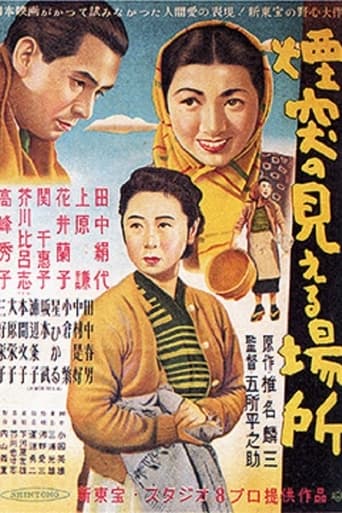
Where Chimneys Are Seen focuses primarily on the interconnected lives of two couples in a lower-middle-class neighborhood in Senju, a poor industrial section of Tokyo.
Where Chimneys Are Seen
1953
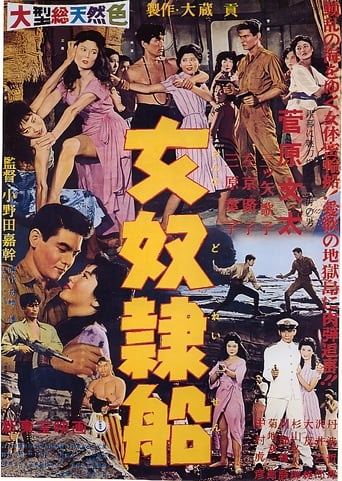 6.5
The year is 1945, months prior to Japan's ultimate defeat in WW2, and military lieutenant Sugawa is sent on a critical mission to deliver micro-fiche war plans to Tokyo from his base in Malaysia. But while flying over Chinese waters his plane is shot down and he is taken aboard a ship bound for Shanghai to deliver its merchandise - a ship filled with Female Slaves kidnapped from Japan. Will he abandon the women to pursue his main objective? Or will he fight foes, spies and pirates to save these women against all odds?
Female Slave Ship
1960
Film credits
1960s · 13 titles
6.5The year is 1945, months prior to Japan's ultimate defeat in WW2, and military lieutenant Sugawa is sent on a critical mission to deliver micro-fiche war plans to Tokyo from his base in Malaysia. But while flying over Chinese waters his plane is shot down and he is taken aboard a ship bound for Shanghai to deliver its merchandise - a ship filled with Female Slaves kidnapped from Japan. Will he abandon the women to pursue his main objective? Or will he fight foes, spies and pirates to save these women against all odds?
Female Slave Ship
1960
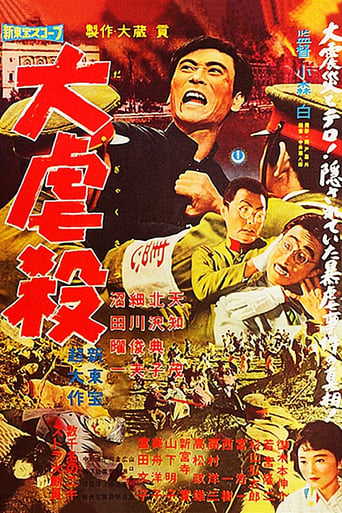 NR
On September 1, 1923, an unprecedented earthquake hit the Kanto region. The streets are filled with victims, and rumors are circulating around. The military seized the opportunity to round up and kill many socialists, anarchists, and Koreans, culminating in the arrest and murder of Sakae Osugi. His comrades and students are outraged by this atrocity. The young man Furukawa also becomes stronger in his determination to overthrow the military...
Beyond the Hills
1960
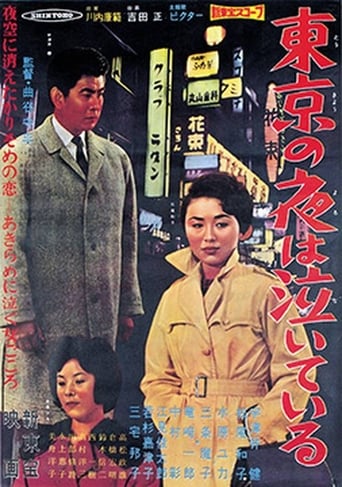 NR
Kazuko Matsuo sings the theme song to this drama film.
東京の夜は泣いている
1961
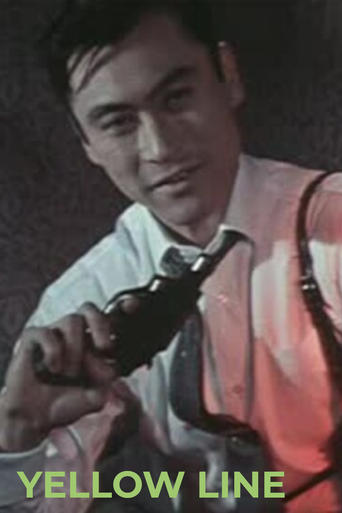 7.8
The murder of the chief official of Kobe city's Customs triggers an investigation of a prostitution ring called the 'Yellow Line' that sells Japanese women. A hired assassin is betrayed by his organization, and kidnaps a woman who happens to be the girlfriend of a newspaper reporter.
Yellow Line
1960
 NR
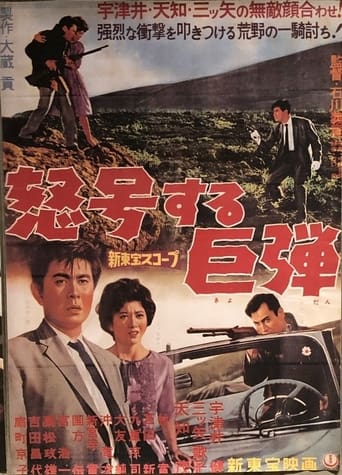
At the end of the Greater East Asia War, young Amada Koichi and his father were wrongfully accused as spy suspects and his father died in prison after being tortured. Ten years later, Amada seeks for revenge on the three men responsible for his father death.
Roar of the Bullets
1960
 NR
A young obstetrician-gynecologist, who was betrayed by his beloved, out of hatred for women, turns into a vengeful demon and rapes women one by one.
Vengeful Beast
1960
 10.0
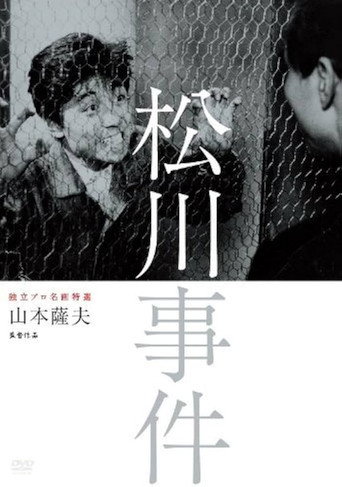
Satsuo Yamamoto's filmic depiction of the famous 1949 Matsukawa Incident.
The Matsukawa Incident
1961
 5.0
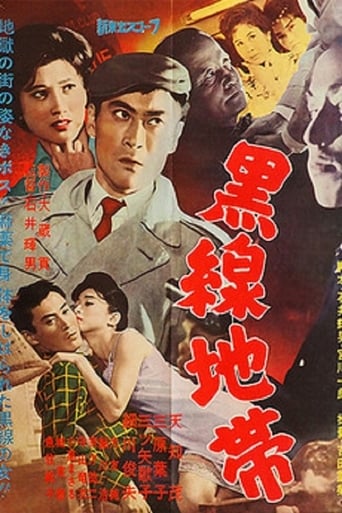
Freelance reporter “Scoop” Machida is hot on the trail of a prostitution ring called the Black Line, when he is framed for the murder of a young woman. Forced to clear his own name, the handsome journalist sinks deeper into the Black Line’s rotten swamp of drugs, prostitution, and murder and finds unexpected help in Maya, a steamy female gambler familiar with the neon-lit streets, shadowy alleyways, and seedy nightclubs he must navigate. The closest film in the Line series to classic American film noir, Ishii’s Black Line is a pulpy assortment of crime film conventions including the starkly expressionistic black and white cinematography by Jûgyô Yoshida, a jazzy music score by Michiaki Watanabe, and a sleazy screenplay by Ishii and Ichirô Miyagawa.
Black Line
1960
 NR
Tired of poverty, Keiko leaves home and soon takes a lover, but leads a wanton life without paying heed to his advice. However, the younger sister Yoshiko, is an innocent and kind girl. One day, with the sudden death of their mother in a car accident, Keiko learns that she and Yoshiko are actually stepsisters, and that she is the daughter of a murderer. She now plans extortion from Yoshiko's true father who is the president of a well-known trading company.
Brutal Woman
1960
 NR
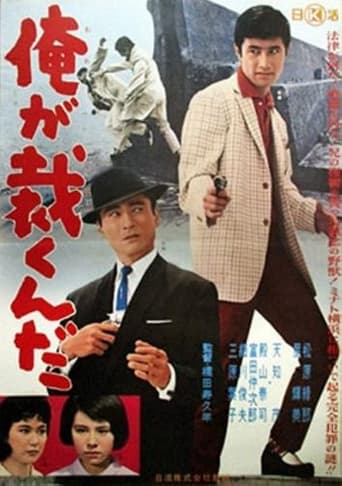
1962 Japanese movie
I am the Judge
1962
 8.0
No synopsis available yet.
Counterattack of a Queen Bee
1961
 6.0
Arrested for the murder of her wealthy businessman father, convicted on false evidence and sentenced to death, Kyoko is determined to prove her innocence.
Death Row Woman
1960
 NR
No synopsis available yet.
Female Thief and the Bomb
1960
1950s · 44 titles
7.0A teenaged girl witnesses her widowed mother's attempt to sustain her family.
Mother
1952
8.0Japanese drama.
Where's Paradise?
1956
8.0Meiji Tenno portrays the buildup to the Russo-Japan War. In addition to showing the political events that led to war, it also shows the era from the story of a farm family in rural Japan that sends their son off to war. As such, it could be considered an anti-war movie, showing how, while war is devised by governments, the people do not really understand what war is, and its combatants often do not know what they are fighting for.
Emperor Meiji and the Great Russo-Japanese War
1957
8.0In 1941, overpopulated Japan faces an economic boycott and its armed forces push further to the south. And despite negotiations between Japan and the U. S. A. war is declared with the attack on Pearl Harbour. Victories follow for Japan on land and sea and her forces push forward to the borders of India. But gradually the tide turns in favour of the Allies and after the atom bombings of Hiroshima and Nagasaki, Japan is compelled to accept the Potsdam Declaration and by the order of the Emperor agrees to unconditional surrender. Under the supervision of the occupation forces the International Military Tribunal opens in Tokyo to try the Japanese war leaders. Established in the cause of justice, and to prevent future aggressive wars the trials drag on for two and a half years. And on December 23, 1948, General Tojo and six other war leaders mount the thirteen steps to the gallows at Tokyo's Sugamo prison.
The Pacific War and the International Military Tribunal
1959
6.6Where Chimneys Are Seen focuses primarily on the interconnected lives of two couples in a lower-middle-class neighborhood in Senju, a poor industrial section of Tokyo.
Where Chimneys Are Seen
1953
 NR
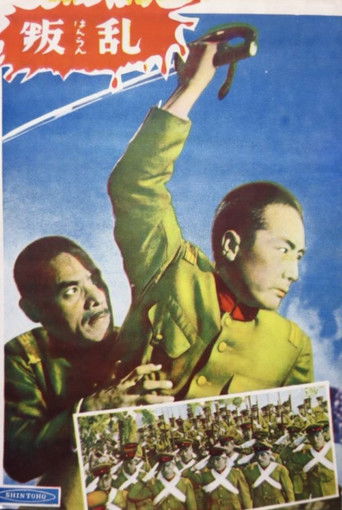
No synopsis available yet.
Hanran
1954
 NR
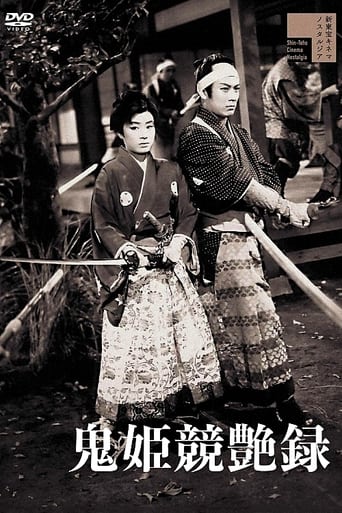
An exciting historical drama in which a beautiful woman secretly solves the family problems of the Owari clan. Hibari Misora plays two roles: a charming princess and a dashing youngster, performs songs and dances throughout the film until the big decisive battle.
Devil Princess’ Beauty Competition
1956
 7.0
The 5th Super Giant film. Super Giant pursues a Nazi-like army that operates on a huge satellite in space. The satellite is armed with weapons that could destroy whole cities on Earth from afar. (Part 1 of 2)
Super Giant: The Artificial Satellite and the Destruction of Humanity
1957
 9.0
No synopsis available yet.
The Sacrifice of the Human Torpedoes
1955
 6.3
Oiwa has been searching for the one who killed her father for a long time. She comes to Yedo and sees a man named Naosuke. The film is based on the kabuki classic: Toukaidou Yotsuya Kaidan (1826) written by Tsuruya Nanboku and is one of the most famous ghost stories throughout Japan.
The Ghosts of Yotsuya
1956
 NR
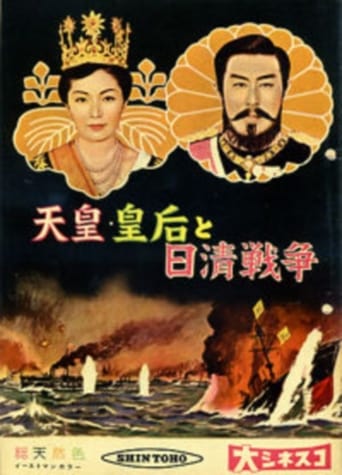
No synopsis available yet.
Emperor & Empress Meiji and the Sino-Japanese War
1958
 5.4
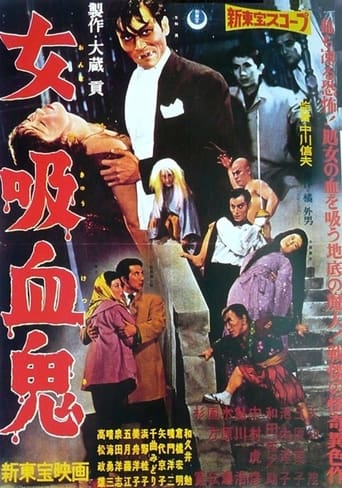
Tamio takes Itsuko to an art gallery and the two find one painting is a nude portrait of Itsuko's mother, who disappeared twenty years ago when she was just a baby. No one knows the first thing about the artist who painted it, but he goes by the name Shiro Sofue, and he's always wearing shades in the daytime...
The Lady Vampire
1959
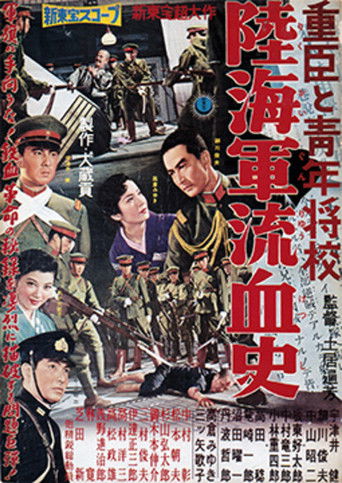 NR
A historical film that portrays the fervent and violent actions of young Army and Navy officers, such as the February 26 and May 15 incidents, in a semi-documentary style.
Bloody History of Soldiers
1958
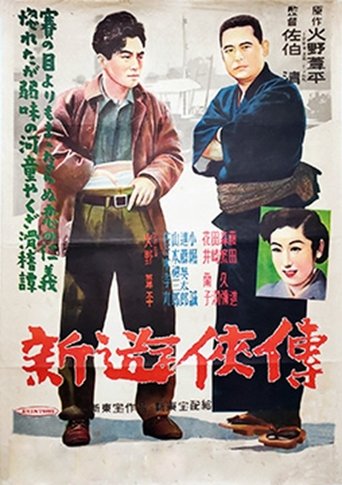 NR
No synopsis available yet.
新遊侠伝
1951
Japanese film, originally released in two parts.
Kyōen Kobanzame
1958
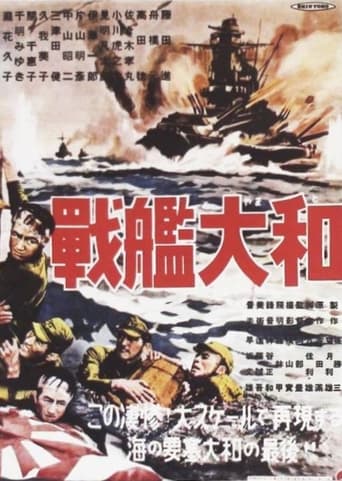 NR
The film is about the Yamato's suicide mission to Okinawa in March 1945 to defend the homeland threatened by U.S. bombers. Adapted from Mitsuru Yoshida's 1952 book "Requiem for the Battleship Yamato".
The Battleship Yamato
1953
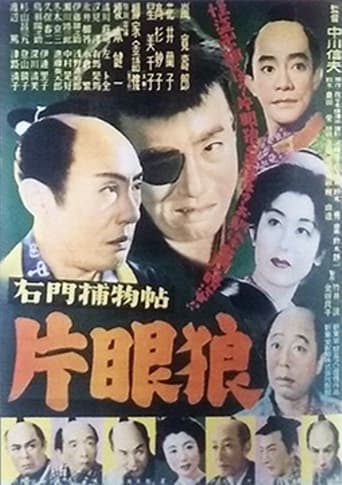 NR
No synopsis available yet.
Umon's Detective Stories: The One-Eyed Wolf
1951
 8.0
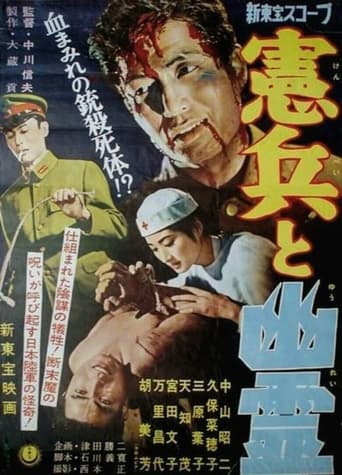
Desiring another officer’s new wife, a military police lieutenant fabricates evidence of treason that consigns the innocent man to torture and a firing squad. The lieutenant rapes the wife, but is haunted by bad dreams which after he is assigned to a battalion with the victim’s brother.
Ghost in the Regiment
1958
Harada Kai, the Date clan's Chamberlain attempts to take power from the lord himself.
Traitors of the Blue Castle
1957
 5.0
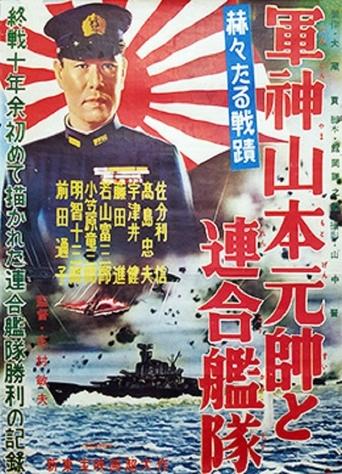
Admiral Isoroku Yamamoto leads the Combined Fleet of the Imperial Japanese Navy to defeat the American Fleet.
Admiral Yamamoto and the Allied Fleets
1956
 NR
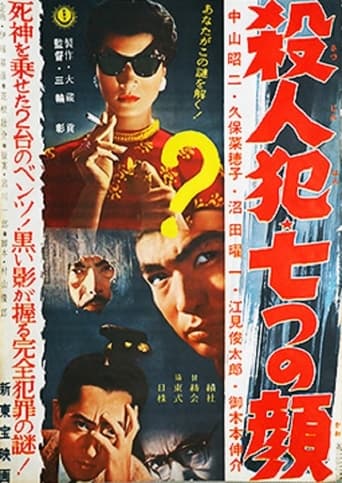
Japanese crime film
Satsujinhan nanatsu no kao
1959
 NR
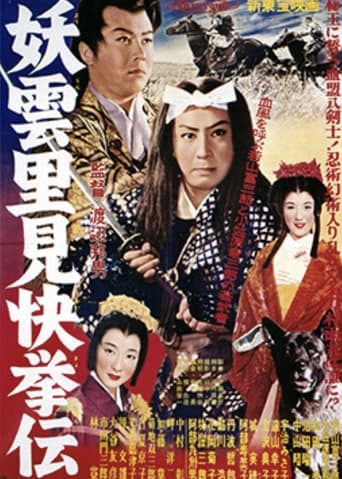
In the first year of Chōroku, Satomi Yoshimi, lord of Takita Castle in Awa, faces defeat by neighboring lord Anzai Kagesuren. As the castle nears collapse, Anzai demands a seed from Yoshimi’s lineage, specifically from his wife, Fushihime. Outraged but facing annihilation, Yoshimi gives Fushihime a string of eight ancestral beads and urges her to escape to loyal retainer Inuda Kobungo. Instead, she goes alone to Anzai, followed by her dog, Hachibo. In a twist, Hachibo attacks and kills Anzai, allowing Fushihime to escape. She later reveals that the beads protected her and predicts that eight warriors bearing these beads will someday defend the Satomi family before passing away. Yoshimi finds one of the beads in Inuzuka Nobuno’s armor and convinces her to serve him. Meanwhile, Baka Daiki, plotting to overthrow Satomi, imprisons Inukawa Shosuke, who tries to intervene, under the watch of vassal Aminen Saomojiro.
Mysterious Clouds: Legend of Satomi's Heroic Deed
1957
1958 jidaigeki directed by Masaki Mori for Shintoho.
関八州喧嘩陣
1958
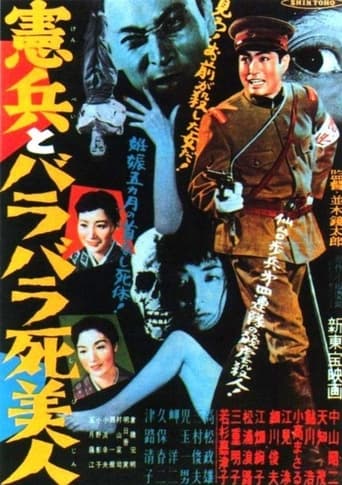 8.0
The year is 1937, and it has been six months since the Sendai Infantry left for Manchuria. The rotted corpse of a young woman is found at the bottom of a well, but her face and limbs are gone. The military police begin an investigation and search fervently for the person responsible, but they can't even determine the victim's identity, much less find any clues. However, the incident is made public when newspapers give wide coverage to the story, so Staff Sergeant Kosaka is dispatched from Tokyo to solve the case. Eventually, General Tsunekichi is taken into custody by local infantrymen because of the testimony of another unit, but the spirit of the dead woman appears before Staff Sergeant Kosaka, who continues to investigate on his own...
The Military Policeman and the Dismembered Beauty
1957
 5.0
After mastering swordsmanship at the dojo of Chiba Shusaku, and unable to serve a clan due to his illness, Hirate Miki becomes a ronin who winds up as bodyguard to Shigezo of Sasagawa leading up to an epic battle.
Miki, the Swordman
1951
 8.5
A store manager named Kinbei becomes enraged when the owners of the store decide to hand it down to an adopted son instead of him. He hatches a plot to murder them all, but as it turns out he has done this sort of thing before. As bodies pile up in the nearby Kagami Pond, a ghostly vengeance is about to be unleashed.
The Ghosts of Kagami Pond
1959
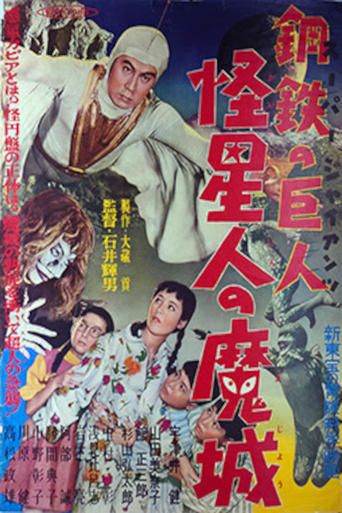 6.5
The 3rd Super Giant film, in which he saves Earth from the threat of the reptile-like Kapia Aliens.
Super Giant: The Mysterious Spacemen's Demonic Castle
1957
 6.2
Ryutaro is a spy employed by the shogun Tokugawa Iemitsu, who is the target of assassination attempts that aim to hand power over to his younger brother Tadanaga.
The Ceiling at Utsunomiya
1956
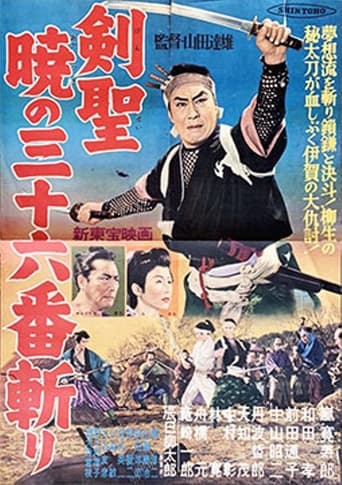 NR
No synopsis available yet.
剣聖 暁の三十六番斬り
1957
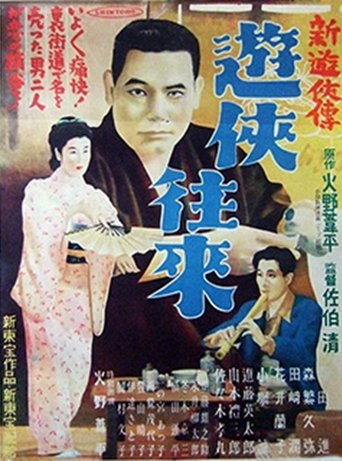 NR
No synopsis available yet.
新遊侠伝 遊侠往来
1951
 NR
Sashichi investigates the mysterious murders of four beauties, all of whom were stabbed in the chest.
Casebook of Dandy Sashichi: Chests Covered In Fresh Blood
1959
 NR
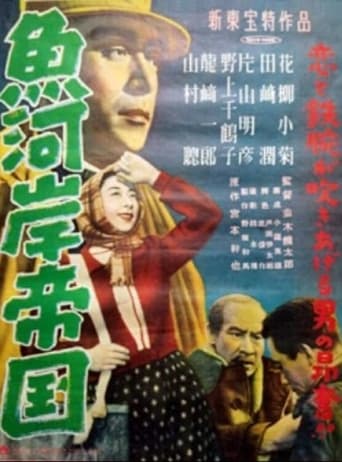
Obscure Japanese movie by director Kyotaro Namiki
Riverside Fish Market Empire
1952
 NR
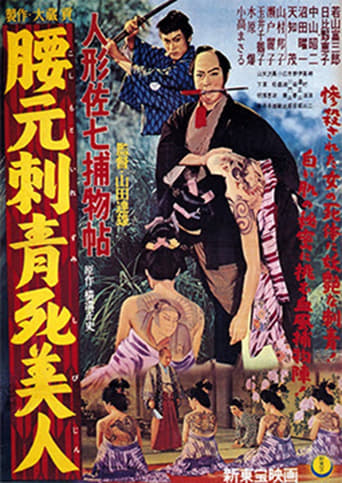
The fifth volume of the Ningyo Sana Torimonocho series. Based on the original work by Seishi Yokomizo, the film was adapted by Mitsuo Kaneda (The Nude Model Murder Case), directed by Tatsuo Yamada, who worked on The Golden Bugyo, and shot by Kikuzo Kawasaki. Keiko Hibino, Shigeru Amachi, Tomisaburo Wakayama
Casebook of Dandy Sashichi: Dead Woman's Tattoo
1958
 6.5
The 2nd Super Giant film. Super Giant continues his battle against the foreign terrorists. In return, they frame him for murder. (Part 2 of 2)
Super Giant Continues
1957
 7.0
A 1956 alien invasion tokusatsu film directed by Shinichi Sekizawa, the screenwriter noted for his immense contributions to Toho's Godzilla series by providing the screenplays/stories for the majority of the original Showa films.
Fearful Attack of the Flying Saucers
1956
Japanese comedy film.
Tōkaidō yajikita chin dōchū
1959
 NR
No synopsis available yet.
Sekai no haha
1958
 NR
Scammer Horikawa Shinbei hopes to make a quick buck using Namie, a stripper under his control.
Morishige is a Fake Gentleman
1955
 NR
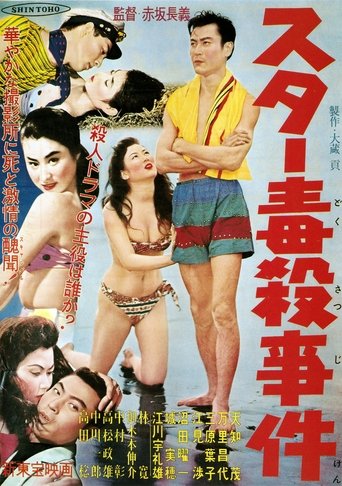
Japanese crime film.
Star Poisoning Case
1958
 7.0
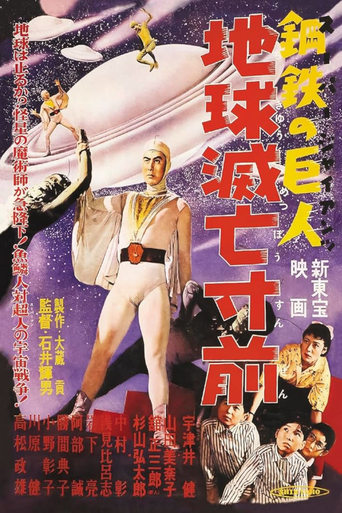
The 4th Super Giant film, in which he continues his fight against the Kapia Aliens (Part 2 of 2)
Super Giant: Earth on the Verge of Destruction
1957
Yuri is looking forward to marrying her fiancé Minoru. However, a few days before the wedding she falls victim to his brother Takehiko, and against her will, she becomes Takehiko's wife. The day after the wedding, Yuri begins her silent revenge by not talking to her husband. She retains her love for Minoru and never gives herself to Takehiko's embrace again. She also contributes large sums of money from Takehiko's fortune to charity.
Stormy Virtue
1959
Japanese comedy film.
金語楼の成金王
1958
On a Sunday morning, young dentist Toshio Ezaki wakes up with a hangover, on a bench in his office. He finds a poisoned woman in a green-striped Western-style outfit lying in his exam room. He must retrace his blurry steps of the night before, and navigate a web of embezzlement, murder, framings, and false identities in Tokyo's Ginza district, to discover the identity of the dead woman and why she is there—and hopefully prove his innocence, before his wedding in three days...
Golden Beast
1950
 NR
Japanese youth film about kendo.
Daigaku no kengō: Keiraku no abarenbō
1956
1940s · 3 titles
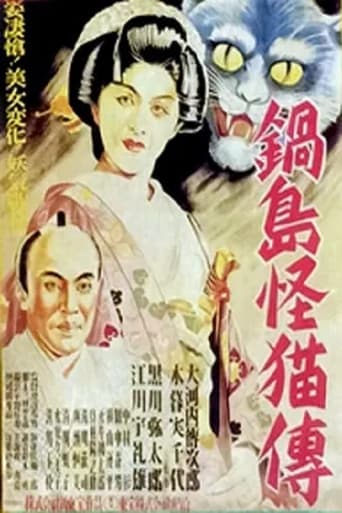 6.5
Tanuma Kandayuu is a high class samurai of the house of Nabeshima. He finds a lavish board of Go (a Chinese Board game) at Kinbei's store. He recommend Kinbei to offer it to his lord. Kinbei hesitates at first, since he knows the board has a mysterious legend surrounding it; it's believed that for every game played on the board, one death is required.
Ghost Cat of Nabeshima
1949
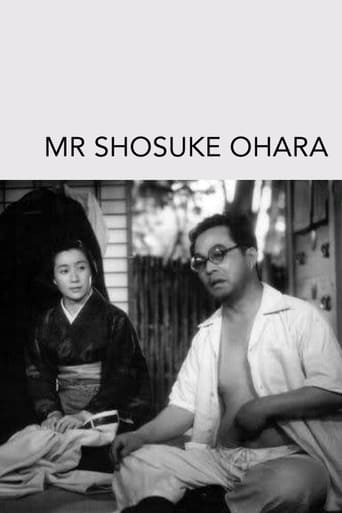 6.2
Saheita, the final heir of a once rich and respectable family, can't refuse the many villagers that come to him for favours and money, even though he is on the brink of bankruptcy. Around town he is better known by his nickname Mr. Shosuke Ohara.
Mr. Shosuke Ohara
1949
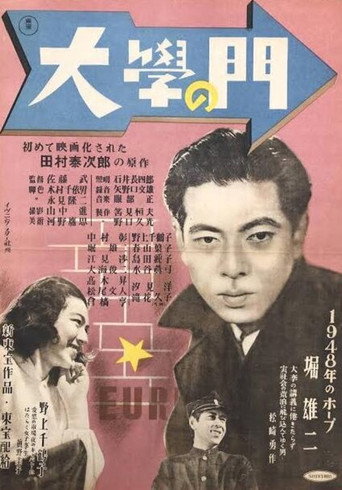 NR
No synopsis available yet.
University Gates
1948