
Known for
 7.0
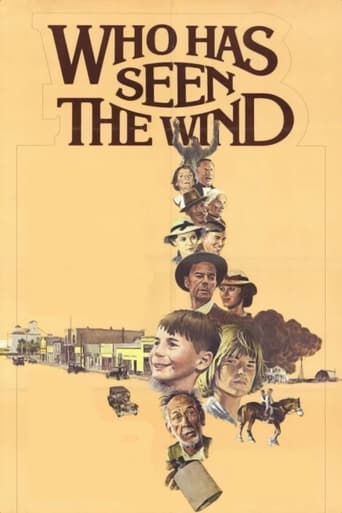
The coming-of-age of adolescent Brian O'Connal in small town Depression-era Saskatchewan is told. The son of the local pharmacist Gerald O'Connal, Brian is in many ways a typical boy, who dislikes school if only because of his run-ins with the nervous schoolteacher, Miss MacDonald, and who tries to catch gophers with his friends, Artie and Forbsie. His best friend and protector is slightly older Jonathan Ben, better known as The Young Ben (as his father is referred to as The Ben), who is highly regarded as a problem by those in town who see themselves as the moral authority if only because of The Young Ben's association to The Ben, the town still keeper and drunk. Brian's life takes a turn when his parents have to leave town temporarily, while Brian stays on his Uncle Sean's farm. That stint leads to a series of events which make Brian see life around him through slightly older and wiser eyes.
Who Has Seen the Wind
1977
An upbeat, positive film about a group of women dealing with mid-life and menopause. The women come from a wide range of backgrounds, careers and lifestyles. Some are married; some are divorced. Interviews alternate with sequences showing the women both at home and in the workplace. Based on the women's experiences, the film effectively dispels popular myths and fears about life during and after menopause.
The Best Time of My Life: Portraits of Women in Mid-Life
1985
In our mobile society some families move a lot, and children have to make new friends just when they are becoming comfortable with the ones they have. This film tries to show what goes on in the mind of a nine-year-old girl who finds her happiness disturbed both by a move to another street and by her father's increasing drunkenness.
The Summer We Moved to Elm Street
1967
 NR
This short documentary studies the fate reserved to young people through the ages. Drawing from paintings, archival footage and various other documents, the film demonstrates that during the 16th and 17th century, young people lived happily alongside their elders. This equilibrium was broken in the 19th century, when the defense of the young and the protection afforded by reformers and educators created the generation gap evident in Western society today. Will dialogue between society’s young and less young ever resume?
The Invention of the Adolescent
1968
Behind the camera
7.0The coming-of-age of adolescent Brian O'Connal in small town Depression-era Saskatchewan is told. The son of the local pharmacist Gerald O'Connal, Brian is in many ways a typical boy, who dislikes school if only because of his run-ins with the nervous schoolteacher, Miss MacDonald, and who tries to catch gophers with his friends, Artie and Forbsie. His best friend and protector is slightly older Jonathan Ben, better known as The Young Ben (as his father is referred to as The Ben), who is highly regarded as a problem by those in town who see themselves as the moral authority if only because of The Young Ben's association to The Ben, the town still keeper and drunk. Brian's life takes a turn when his parents have to leave town temporarily, while Brian stays on his Uncle Sean's farm. That stint leads to a series of events which make Brian see life around him through slightly older and wiser eyes.
Who Has Seen the Wind
1977
An upbeat, positive film about a group of women dealing with mid-life and menopause. The women come from a wide range of backgrounds, careers and lifestyles. Some are married; some are divorced. Interviews alternate with sequences showing the women both at home and in the workplace. Based on the women's experiences, the film effectively dispels popular myths and fears about life during and after menopause.
The Best Time of My Life: Portraits of Women in Mid-Life
1985
In our mobile society some families move a lot, and children have to make new friends just when they are becoming comfortable with the ones they have. This film tries to show what goes on in the mind of a nine-year-old girl who finds her happiness disturbed both by a move to another street and by her father's increasing drunkenness.
The Summer We Moved to Elm Street
1967
NRThis short documentary studies the fate reserved to young people through the ages. Drawing from paintings, archival footage and various other documents, the film demonstrates that during the 16th and 17th century, young people lived happily alongside their elders. This equilibrium was broken in the 19th century, when the defense of the young and the protection afforded by reformers and educators created the generation gap evident in Western society today. Will dialogue between society’s young and less young ever resume?
The Invention of the Adolescent
1968