
Known for
 8.5
A samurai answers a village's request for protection after he falls on hard times. The town needs protection from bandits, so the samurai gathers six others to help him teach the people how to defend themselves, and the villagers provide the soldiers with food.
Seven Samurai
1954
 7.7
A married Japanese forester during WWII is sent to Indochina to manage forests. He meets a young Japanese typist and promises to leave his wife. He doesn't and after the war, she turns up and the affair resumes.
Floating Clouds
1955
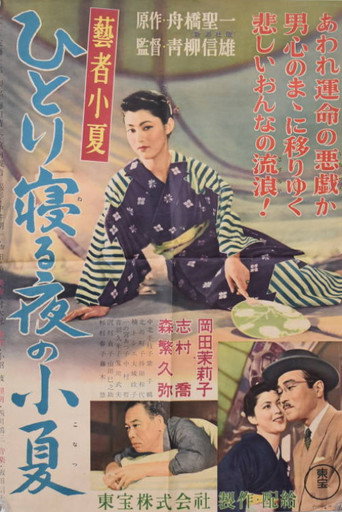 NR
A sequel to Geisha Konatsu (1954).
The Tears of Geisha Konatsu
1955
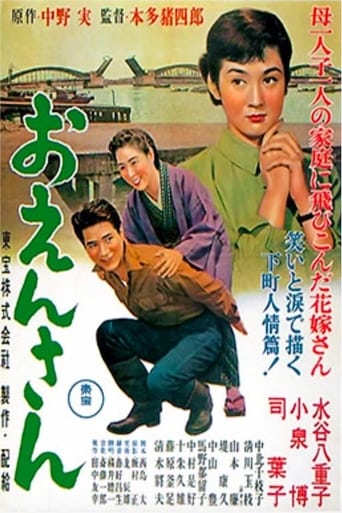 8.0
An Ishiro Honda film.
Mother and Son
1955
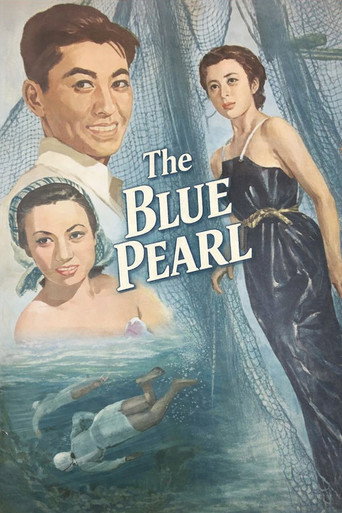 7.5
The Blue Pearl depicts the interplay between a young man from Tokyo and two ama (pearl divers; literally “women of the sea”) in a superstitious coastal town. Though raised within the same tradition-bound crucible, the two women – Noe and Riu – are portrayed as diametric opposites; the former meek but affectionate, the latter strong-willed but jaded by a tryst with metropolitan life.
The Blue Pearl
1951
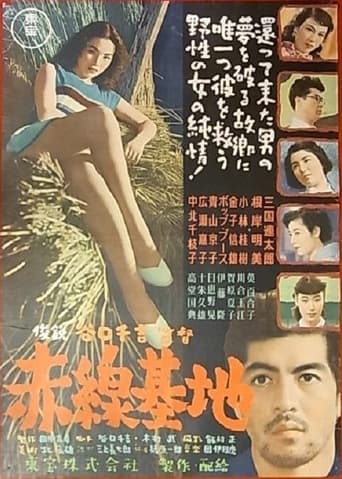 9.0
Story about a poor Japanese woman living near an American army base who resorts to prostitution.
The Red Light Military Base
1953
Film credits
1950s · 6 titles
8.5A samurai answers a village's request for protection after he falls on hard times. The town needs protection from bandits, so the samurai gathers six others to help him teach the people how to defend themselves, and the villagers provide the soldiers with food.
Seven Samurai
1954
7.7A married Japanese forester during WWII is sent to Indochina to manage forests. He meets a young Japanese typist and promises to leave his wife. He doesn't and after the war, she turns up and the affair resumes.
Floating Clouds
1955
NRA sequel to Geisha Konatsu (1954).
The Tears of Geisha Konatsu
1955
8.0An Ishiro Honda film.
Mother and Son
1955
7.5The Blue Pearl depicts the interplay between a young man from Tokyo and two ama (pearl divers; literally “women of the sea”) in a superstitious coastal town. Though raised within the same tradition-bound crucible, the two women – Noe and Riu – are portrayed as diametric opposites; the former meek but affectionate, the latter strong-willed but jaded by a tryst with metropolitan life.
The Blue Pearl
1951
9.0Story about a poor Japanese woman living near an American army base who resorts to prostitution.
The Red Light Military Base
1953
