
Writing
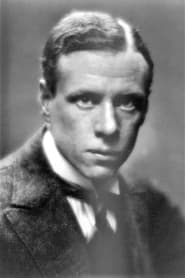
Sinclair Lewis
Born — Died
1885-02-06 — 1951-01-10
Place of birth
Sauk Centre, Minnesota, USA
Known for
Writing
Credits
4 titles
Harry Sinclair Lewis was an American novelist, short-story writer, and playwright. In 1930, he became the first author from the United States (and the first from the Americas) to receive the Nobel Prize in Literature, which was awarded "for his vigorous and graphic art of description and his ability to create, with wit and humor, new types of characters." Lewis wrote six popular novels: Main Street (1920), Babbitt (1922), Arrowsmith (1925), Elmer Gantry (1927), Dodsworth (1929), and It Can't Happen Here (1935). Several of his notable works were critical of American capitalism and materialism during the interwar period. Lewis is respected for his strong characterizations of modern working wo…
Known for
 6.3
6.3This 1940 presentation features highlights of earlier (1928 onward) Oscar ceremonies including Shirley Temple and Walt Disney, plus acceptance speeches for films released in 1939 with recipients and presenters including Vivien Leigh, Judy Garland, Hattie McDaniel and more, with host Bob Hope.
Cavalcade of the Academy Awards
1940
 5.2
5.2City girl marries country doctor, meets prejudice and exclusion when she tries to befriend the townspeople.
I Married a Doctor
1936
 4.2
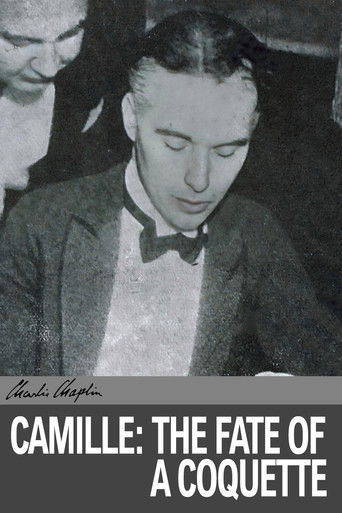
4.2A home movie version of the Dumas play. A young woman becomes a courtesan and tragedy befalls her. Appearances are made by many socialites of 1920s Paris and New York.
Camille: The Fate of a Coquette
1926
 4.3
4.3Two small town widows bring their children to Hollywood, where their children become competing film stars. The girl is sweet, the boy is a killjoy sissy. For publicity, the rival families go to London to meet a middle European boy King. The three kids decide they need to escape their stifling lives and run away to the docks and join a gang.
Newly Rich
1931
Film credits
Behind the camera
5.2City girl marries country doctor, meets prejudice and exclusion when she tries to befriend the townspeople.
I Married a Doctor
1936
4.3Two small town widows bring their children to Hollywood, where their children become competing film stars. The girl is sweet, the boy is a killjoy sissy. For publicity, the rival families go to London to meet a middle European boy King. The three kids decide they need to escape their stifling lives and run away to the docks and join a gang.
Newly Rich
1931