
Directing
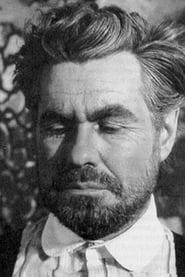
R. Bruce Elder
Born
1947-06-12 (79)
Place of birth
Port Hawkesbury, Nova Scotia, Canada
Known for
Directing
Credits
44 titles
Since 1975, R. Bruce Elder (born 12 June 1947) has been building two formidable bodies of work, as an artist working in the experimental tradition, and as an author of critical texts on art and cinema. His artistic achievements were recognized in 2007 with a Governor General’s Award in Visual and Media Arts, Canada’s most prestigious award in those field, and was elected to the Royal Society of Canada. Jonas Mekas, founder of the New York Filmmakers Co-op and principle visionary of the American avant-garde cinema, has dubbed him “the most important North American avant-garde filmmaker to emerge during the 1980s.” Something similar could be said of Elder’s monumental works of art criticism. H…
Known for
 7.6
7.6"Breathtaking in its techniques, rhapsodic in its passion, and encyclopedic in its scope, the film traces the long fall from paradise into modern barbarism." - Art Gallery of Ontario
Illuminated Texts
1982
 8.0
8.0Elder depicts forms of life that have grown increasingly out of touch with the body, and attempts to elicit and experience of the delight that results from reconnecting with our natural being
A Man Whose Life Was Full of Woe Has Been Surprised by Joy
1997
Using optical printing techniques with unusual color processing effects, Unremitting Tenderness offers a series of transformations of a dance sequence. The effect Elder seeks is one of "scales falling away from the eyes, layer by layer, as if progressing unremittingly closer to the optic nerve."
Unremitting Tenderness
1977
 8.0
8.0"Elder's most philosophical film ... subtly woven connections ... proceed under a contemplative regime" that "solicits the memories of the whole cycle in more delicate ways." Bart Testa
Consolations (Love Is an Art of Time) Part 1: The Fugitive Gods
1988
 8.3
8.3Lamentations: A Monument to the Dead World belongs to a 35-hour film cycle, The Book of All the Dead, which comprises the bulk of Toronto-based Bruce Elder’s filmmaking from 1975 to 1994. In ancient Egyptian culture, the Book of the Dead consisted of religious texts intended to help preserve the spirit of the departed in the afterlife — but in Elder’s reading, that comforting idea of continuity takes on a rather darker cast. Lamentations is comprised of a complex audio and visual patchwork: a philosophical meditation superimposed as text throughout the film; vignettes featuring a comical but disturbing Franz Liszt, a debate between Isaac Newton and George Berkeley, an angry, deranged man in an alley, and an arrogant psychiatrist; and a final search for salvation in the forests of British Columbia, the American Southwest, and Mexico’s Yucatan.
Lamentations: A Monument for the Dead World
1985
 10.0
10.0"Inspired by the poems of Rainer Maria Rilke, Louis Zukofsky and Ezra Pound ... Elder's latest film .. is a visually lush collage," and "ironic attempt to construct a Divine Comedy for modern times." Jim Shedden
Azure Serene
1992
Film credits
1990s · 2 titles
8.0Elder depicts forms of life that have grown increasingly out of touch with the body, and attempts to elicit and experience of the delight that results from reconnecting with our natural being
A Man Whose Life Was Full of Woe Has Been Surprised by Joy
1997
 6.0
6.0MICHAEL SNOW UP CLOSE was produced on the occasion of The Michael Snow Project, a major, career-spanning, multi-venue retrospective of the artist. The documentary celebrates the multi-faceted shape of Snow's creative genius, including glimpses of his work in painting, sculpture, film, photo-works, performance, installations, and holography. Discussions with Snow, original documentation of his music and performance work, and excerpts from his avant-garde films, are complemented by interviews with filmmakers Jonas Mekas and Bruce Elder, Snow's dealer Av Isaacs, the architect Eb Zeidler, museum director Pierre Théberge, curator Louise Dompierre, and others. A deliberately conventional documentary about a deliberately unconventional artist.
Michael Snow Up Close
1996
1980s · 4 titles
7.6"Breathtaking in its techniques, rhapsodic in its passion, and encyclopedic in its scope, the film traces the long fall from paradise into modern barbarism." - Art Gallery of Ontario
Illuminated Texts
1982
8.0"Elder's most philosophical film ... subtly woven connections ... proceed under a contemplative regime" that "solicits the memories of the whole cycle in more delicate ways." Bart Testa
Consolations (Love Is an Art of Time) Part 1: The Fugitive Gods
1988
 7.5
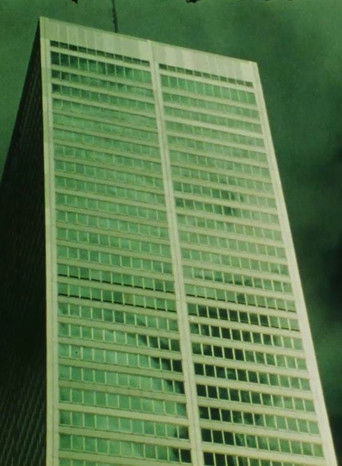
7.5Bruce Elder's Consolations picks up where Lamentations left off in the purgatory of modern existence, and aspires to regain, and reaffirm, a sense of meaning, goodness, beauty and mystery in the empty simulacra of the dead world. A philosophical meditation on everything from language to consciousness and aesthetics to morality, Consolations is a gargantuan achievement and a key part in Elder's The Book of All the Dead cycle, inspired by Alighieri's Commedia and Pound's Cantos.
Consolations (Love is an Art of Time)
1988
 8.0
8.0"Elder's most philosophical film ... subtly woven connections ... proceed under a contemplative regime" that "solicits the memories of the whole cycle in more delicate ways." Bart Testa
Consolations (Love Is an Art of Time) Part 2: The Lighted Clearing
1988
Behind the camera
7.6"Breathtaking in its techniques, rhapsodic in its passion, and encyclopedic in its scope, the film traces the long fall from paradise into modern barbarism." - Art Gallery of Ontario
Illuminated Texts
1982
7.6"Breathtaking in its techniques, rhapsodic in its passion, and encyclopedic in its scope, the film traces the long fall from paradise into modern barbarism." - Art Gallery of Ontario
Illuminated Texts
1982
8.0Elder depicts forms of life that have grown increasingly out of touch with the body, and attempts to elicit and experience of the delight that results from reconnecting with our natural being
A Man Whose Life Was Full of Woe Has Been Surprised by Joy
1997
Using optical printing techniques with unusual color processing effects, Unremitting Tenderness offers a series of transformations of a dance sequence. The effect Elder seeks is one of "scales falling away from the eyes, layer by layer, as if progressing unremittingly closer to the optic nerve."
Unremitting Tenderness
1977
8.0"Elder's most philosophical film ... subtly woven connections ... proceed under a contemplative regime" that "solicits the memories of the whole cycle in more delicate ways." Bart Testa
Consolations (Love Is an Art of Time) Part 1: The Fugitive Gods
1988
8.3Lamentations: A Monument to the Dead World belongs to a 35-hour film cycle, The Book of All the Dead, which comprises the bulk of Toronto-based Bruce Elder’s filmmaking from 1975 to 1994. In ancient Egyptian culture, the Book of the Dead consisted of religious texts intended to help preserve the spirit of the departed in the afterlife — but in Elder’s reading, that comforting idea of continuity takes on a rather darker cast. Lamentations is comprised of a complex audio and visual patchwork: a philosophical meditation superimposed as text throughout the film; vignettes featuring a comical but disturbing Franz Liszt, a debate between Isaac Newton and George Berkeley, an angry, deranged man in an alley, and an arrogant psychiatrist; and a final search for salvation in the forests of British Columbia, the American Southwest, and Mexico’s Yucatan.
Lamentations: A Monument for the Dead World
1985
8.3Lamentations: A Monument to the Dead World belongs to a 35-hour film cycle, The Book of All the Dead, which comprises the bulk of Toronto-based Bruce Elder’s filmmaking from 1975 to 1994. In ancient Egyptian culture, the Book of the Dead consisted of religious texts intended to help preserve the spirit of the departed in the afterlife — but in Elder’s reading, that comforting idea of continuity takes on a rather darker cast. Lamentations is comprised of a complex audio and visual patchwork: a philosophical meditation superimposed as text throughout the film; vignettes featuring a comical but disturbing Franz Liszt, a debate between Isaac Newton and George Berkeley, an angry, deranged man in an alley, and an arrogant psychiatrist; and a final search for salvation in the forests of British Columbia, the American Southwest, and Mexico’s Yucatan.
Lamentations: A Monument for the Dead World
1985
8.3Lamentations: A Monument to the Dead World belongs to a 35-hour film cycle, The Book of All the Dead, which comprises the bulk of Toronto-based Bruce Elder’s filmmaking from 1975 to 1994. In ancient Egyptian culture, the Book of the Dead consisted of religious texts intended to help preserve the spirit of the departed in the afterlife — but in Elder’s reading, that comforting idea of continuity takes on a rather darker cast. Lamentations is comprised of a complex audio and visual patchwork: a philosophical meditation superimposed as text throughout the film; vignettes featuring a comical but disturbing Franz Liszt, a debate between Isaac Newton and George Berkeley, an angry, deranged man in an alley, and an arrogant psychiatrist; and a final search for salvation in the forests of British Columbia, the American Southwest, and Mexico’s Yucatan.
Lamentations: A Monument for the Dead World
1985
10.0"Inspired by the poems of Rainer Maria Rilke, Louis Zukofsky and Ezra Pound ... Elder's latest film .. is a visually lush collage," and "ironic attempt to construct a Divine Comedy for modern times." Jim Shedden
Azure Serene
1992
 10.0
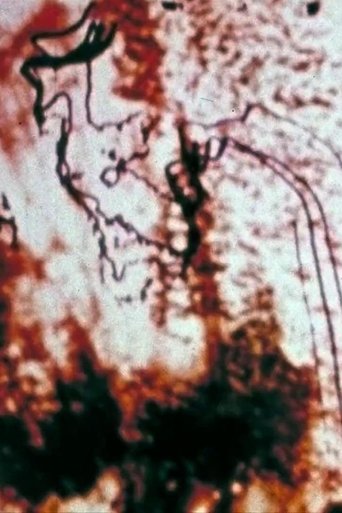
10.0The memory of a nearly perfect evening.
Trace
1980
 7.3
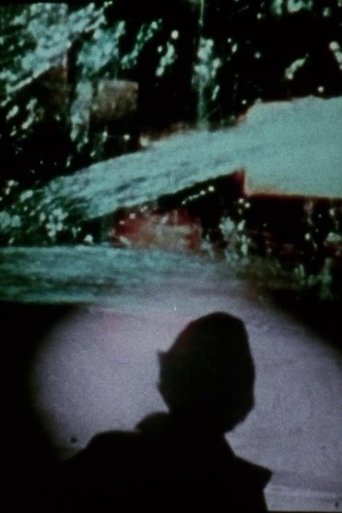
7.3A compelling and revealing exploration of one person's psyche in crisis.... The film is a screen diary of a man in his early 30s afflicted with a life-threatening disease, a man confronting his own mortality.
The Art of Worldly Wisdom
1979
 9.0
9.0Like Ezekiel's vision in the valley of the dry bones, a typos of a new beginning. In among all the feelings of loss and deprivation there occur intimations of final culbute général, of the dissolution of time, of a now that vanishes between the no long and the not yet.
Lamentations: A Monument to the Dead World, Part 1: The Dream of the Last Historian
1985
7.5Bruce Elder's Consolations picks up where Lamentations left off in the purgatory of modern existence, and aspires to regain, and reaffirm, a sense of meaning, goodness, beauty and mystery in the empty simulacra of the dead world. A philosophical meditation on everything from language to consciousness and aesthetics to morality, Consolations is a gargantuan achievement and a key part in Elder's The Book of All the Dead cycle, inspired by Alighieri's Commedia and Pound's Cantos.
Consolations (Love is an Art of Time)
1988
7.5Bruce Elder's Consolations picks up where Lamentations left off in the purgatory of modern existence, and aspires to regain, and reaffirm, a sense of meaning, goodness, beauty and mystery in the empty simulacra of the dead world. A philosophical meditation on everything from language to consciousness and aesthetics to morality, Consolations is a gargantuan achievement and a key part in Elder's The Book of All the Dead cycle, inspired by Alighieri's Commedia and Pound's Cantos.
Consolations (Love is an Art of Time)
1988
 9.0
9.0"Elder's most philosophical film ... subtly woven connections ... proceed under a contemplative regime" that "solicits the memories of the whole cycle in more delicate ways." Bart Testa
Consolations (Love Is an Art of Time) Part 3: The Body and the World
1988
8.0"Elder's most philosophical film ... subtly woven connections ... proceed under a contemplative regime" that "solicits the memories of the whole cycle in more delicate ways." Bart Testa
Consolations (Love Is an Art of Time) Part 2: The Lighted Clearing
1988
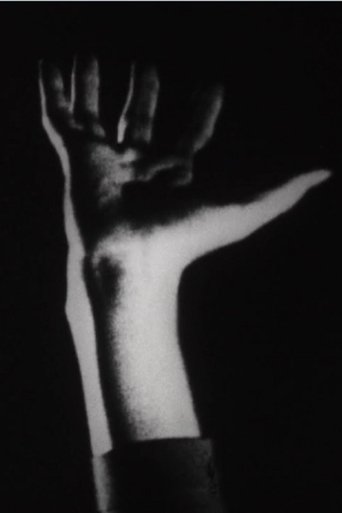 8.0
8.0"a revelation of the editing process ... done with remarkable care and precision ... The interrelationship between moving body and moving camera is heightened to the intensity of a struggle." Joyce Nelson
Look! We Have Come Through!
1978
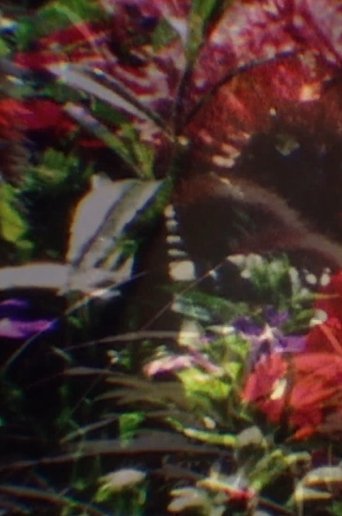 8.0
8.0No synopsis available yet.
Return to Nature! The True Natural Method of Healing and Living and the True Salvation of the Soul: Paradise Regained—The Core of the Body—Water, Human Curative Power, Light, Air, Earth, Food, Fruit Culture
2012
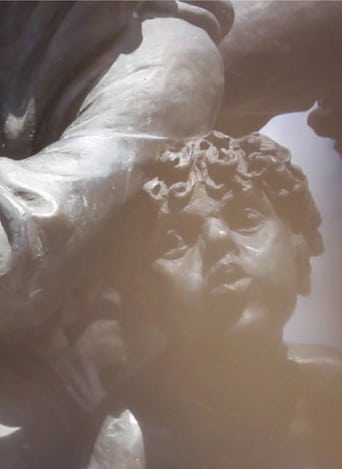 8.0
8.0No synopsis available yet.
A Gathering of Crystals
2015
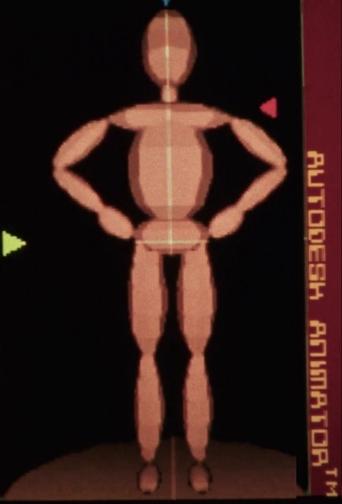 9.0
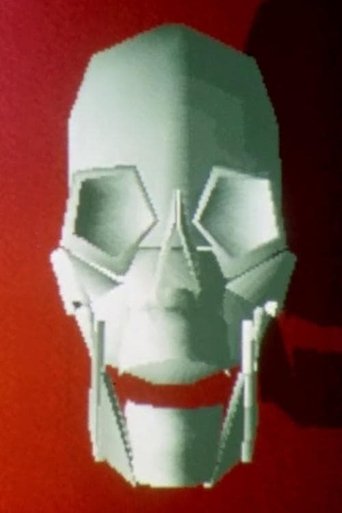
9.0The confrontation with death and finitude....Death animates the sense of the intimacy of life whose measureless flow is a danger to the stability of things. (RBE)
Burying the Dead (Into the Light)
1993
 8.5
8.5"Behold, I show you a mystery. Not everyone shall sleep, but everyone shall be changed."
Et Resurrectus Est
1994
 10.0
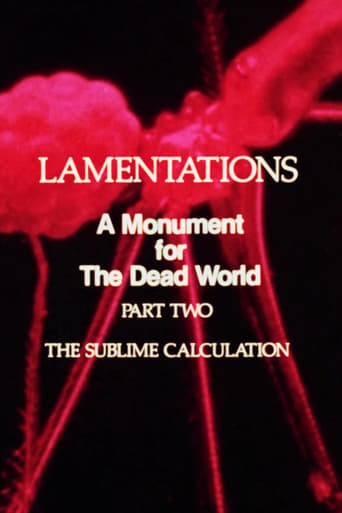
10.0No synopsis available yet.
Lamentations: A Monument to the Dead World, Part 2: The Sublime Calculation
1985
 10.0
10.0The titular film of region three of Elder's Book of All the Dead
Exultations: In Light of the Great Giving
1993
 7.8
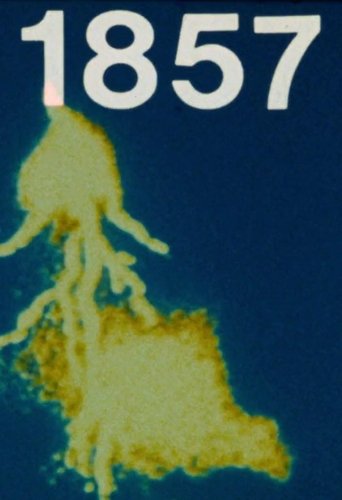
7.8This film is an act of celebration ... He produces -- with light and colour, sound, stillness and movement -- the ineluctable rhythm and energy of the natural world.
1857 (Fool's Gold)
1981
 10.0
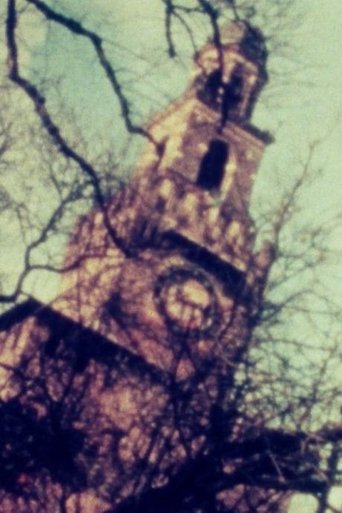
10.0"The film was made using principles derived from Stephen Wolfram’s work on cellular automata (A New Kind of Science) to determine the content or colour of the shots, their duration, and the time of their appearance: the palette of effects, and their rhythmical development (from the simple alternations with which the film begins to the complex dynamic structures of its later parts),is entirely the result of computational processes that model natural events. John Cage instructed us that art should imitate nature in its manner of operation; I have tried to take the lesson. The music was composed by Colin Clark, using related principles".
Infunde Lumen Cordibus
2004
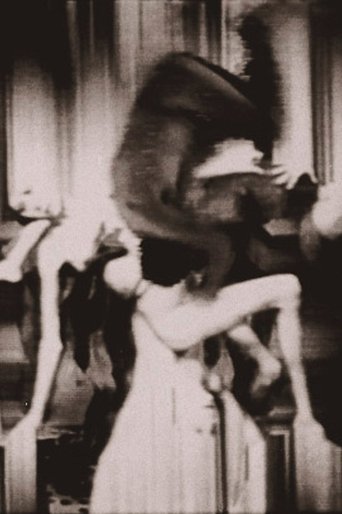 8.5
8.5"A beatific vision of the imaginary landscape of paradise, inspired by the poetry of ... Blake." Pacific Cinematheque
Flesh Angels
1990
 8.0
8.0No synopsis available yet.
Alone: All Flesh Shall See It Together
2024
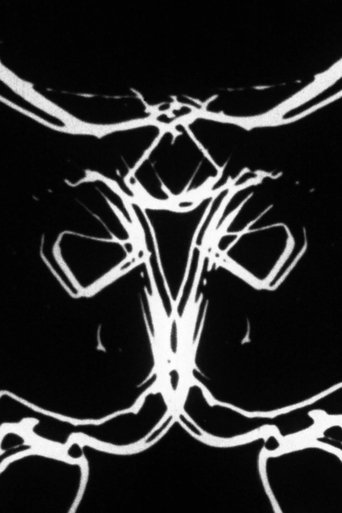 9.0
9.0The optical manipulation of tone, shape, line and movement creates a purely cinematic choreography.
Barbara is a Vision of Loveliness
1976
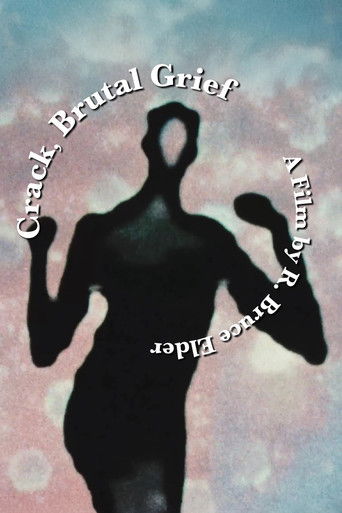 8.5
8.5Powerful and raw, ‘Crack, Brutal Grief’ is an impressive extension of R. Bruce Elder's obsessions with history, media culture, psychology, technology, and the cruelty found in nature. The film acts as a primal scream, literally and metaphorically. The point of departure for the film came shortly after the gruesome suicide of Elder's close friend.
Crack, Brutal Grief
2000
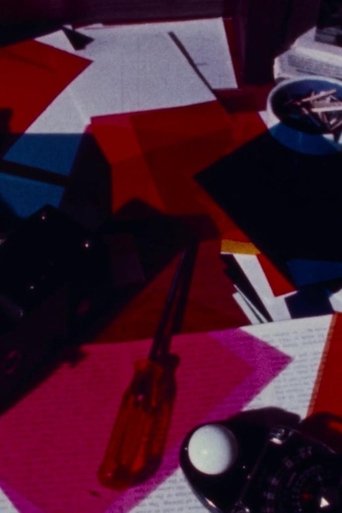 7.0
7.0"evokes absence through elliptical continuity and loneliness through the repetition of ... archetypal images" Ian Birnie
She Is Away
1975
A hybrid of analogue and digital techniques in which chemical transformations of the image are combined with electrical modifications to produce a fantasia of vibrantly coloured alchemical forms that suggest an erotic wonder at all the world’s surfaces.
Eros and Wonder
2003
 NR
NRVideo transformations of documentary footage of a woman giving birth, assisted by members of a religious commune. Isolation confronts the communal, the gruesome confronts the holy in this most mysterious of events.
Breath/Light/Birth
1975
 7.5
7.5Inspired by remarks made by Freud, "Eros nowhere makes its intentions more clear than in the desire to make two things one." and by Nietzsche, "What must these people have suffered to have become this beautiful."
Sweet Love Remembered
1980
 10.0
10.0Newton was the greatest of all the natural magicians, learned in matters musical, theological and in Apocalyptic literature. He believed bodies were composed of "certain aetheral spirits or vapours"; one ... is the ether, "the succus nutritius of the earth, or primary substance"; the second substance disseminated through the first, is light.
Newton and Me
1991
 10.0
10.0A beggar imagines himself sitting at the edge of a maelstrom, looking inward at a vortex, observing beings – demonic forms, ghosts, animals, humans – first rising, and then falling through the vortex: all of them, he realizes have the character they do because of his evanescent mental states. What is seen is never made of anything but imagination. Beyond that lies nothingness.
The Young Prince
2007
 8.0
8.0All about red and green in time. Very much inspired by the work of Count Hermann Puckler-Muskau, Adolf Just and, above all, Gerhard Richter. A mnemotechnic and threnody for the infirm of Brandenburg an der Havel and environs during a time of hate (too like our own).
What Troubles the Peace at Brandenburg?
2011
 7.0
7.0A close container for chance elements. Together with She Is Away, makes apparent some features of the material form of which the entire cycle would be composed.
Permutations and Combinations
1976