
Known for
A film by Bhave.
Dhruva Kumar
1938
 NR
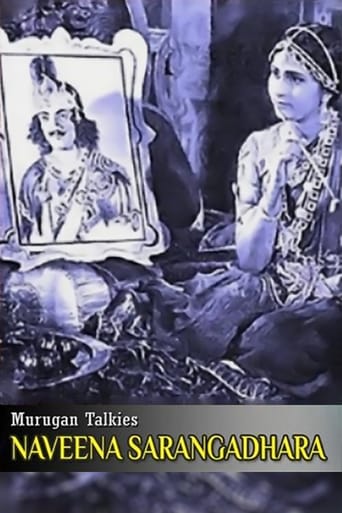
NRNaveena Sarangadhara is a 1936 Tamil film directed by K. Subramaniam under Murugan Talkies. Naveena in Tamil means modern. The movie was titled thus in order to distinguish itself from the earlier versions and also in order to highlight the slight modifications made to the original story. The cast are M. K. Thyagaraja Bhagavathar and S. D. Subbulakshmi in the lead roles supported by S. S. Mani Bhagavathar, G. Pattu Iyer and Indubala. Papanasam Sivan had written the lyrics and composed music for M. K. Thyagaraja Bhagavathar songs such as sivaperuman krupai vENdum, gnana kumarai nadana singari and abaraatham seithaRiyEn had a successful run wherever the movie was screened.
Naveena Sarangadhara
1936
 7.0
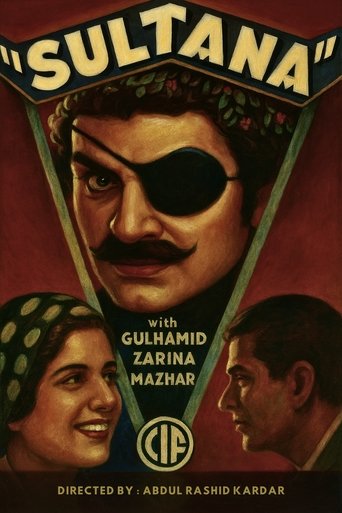
7.0Directed by A.R. Kardar, the plot is described as episodic, potentially involving a protagonist's capture and interaction with a powerful sultana
Sultana
1934
 9.0
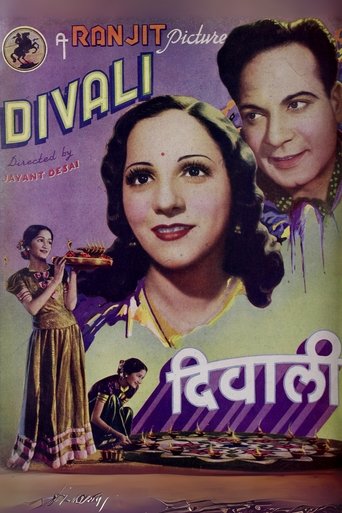
9.0Dhanna and his young daughter Tulsi struggle in poverty until Tulsi, trying to help her sick father, is arrested for theft and sent to jail. She later comes under the care of Dr. Kailash, whose household is held together by Rekha, the prosecuting attorney’s daughter in love with him. As Tulsi’s presence stirs tensions between Rekha and Kailash, the story weaves through themes of love, money, and morality, moving from hardship and conflict toward reconciliation and harmony.
Divali
1940
 9.0
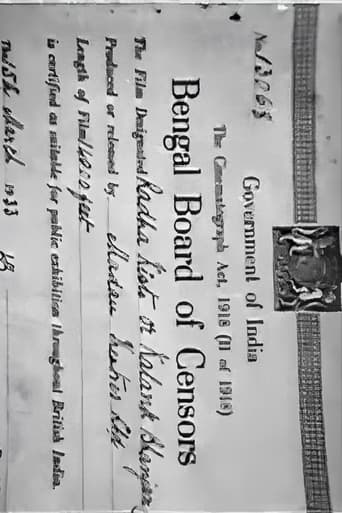
9.0This film is based on the Indian Mythological love story of Radha and Krishna.
Radha Krishna (Kalanka Bhanjan)
1933
 8.0
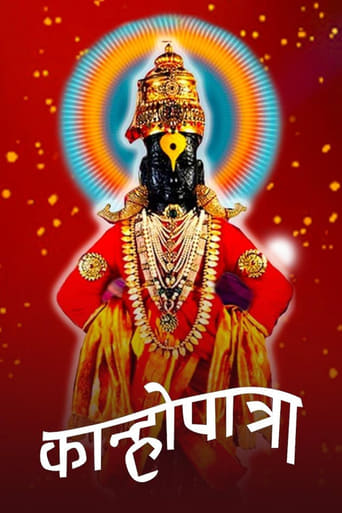
8.0Kanhopatra, a courtesan goes through many struggles as she rebels against tradition and people. She fights to retain her individuality and dignity while she has encounters with multiple men.
Kanhopatra
1937
Film credits
1930s · 8 titles
A film by Bhave.
Dhruva Kumar
1938
NRNaveena Sarangadhara is a 1936 Tamil film directed by K. Subramaniam under Murugan Talkies. Naveena in Tamil means modern. The movie was titled thus in order to distinguish itself from the earlier versions and also in order to highlight the slight modifications made to the original story. The cast are M. K. Thyagaraja Bhagavathar and S. D. Subbulakshmi in the lead roles supported by S. S. Mani Bhagavathar, G. Pattu Iyer and Indubala. Papanasam Sivan had written the lyrics and composed music for M. K. Thyagaraja Bhagavathar songs such as sivaperuman krupai vENdum, gnana kumarai nadana singari and abaraatham seithaRiyEn had a successful run wherever the movie was screened.
Naveena Sarangadhara
1936
7.0Directed by A.R. Kardar, the plot is described as episodic, potentially involving a protagonist's capture and interaction with a powerful sultana
Sultana
1934
9.0This film is based on the Indian Mythological love story of Radha and Krishna.
Radha Krishna (Kalanka Bhanjan)
1933
8.0Kanhopatra, a courtesan goes through many struggles as she rebels against tradition and people. She fights to retain her individuality and dignity while she has encounters with multiple men.
Kanhopatra
1937
 10.0
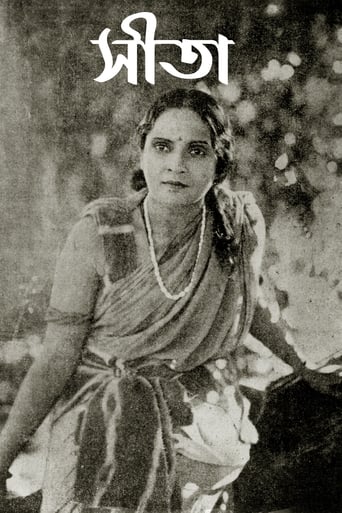
10.0Seeta was a 1933 Indian talkie Bengali film, directed by Debaki Bose and produced by the East India Film Company.[1] It won an honorary diploma in the 2nd Venice International Film Festival in 1934, becoming the first Indian talkie to be shown at an international film festival.
Seeta
1934
 10.0
10.0Meera is immersed in her love and devotion to Lord Krishna since a young age. When she grows older, her family get her married to the Rana of Mewar. Misunderstandings occur when her devotional poetry is thought to be love songs for someone. Several hardships are inflicted on her by her husband and her in-laws. She takes to sitting in the temple and singing bhajans (sacred songs) composed by her. Her brother-in-law tries to have her killed many times, but fails. She finally renounces her life in the palace and wanders from place to place singing devotional songs.
Rajrani Meera
1933
 7.0
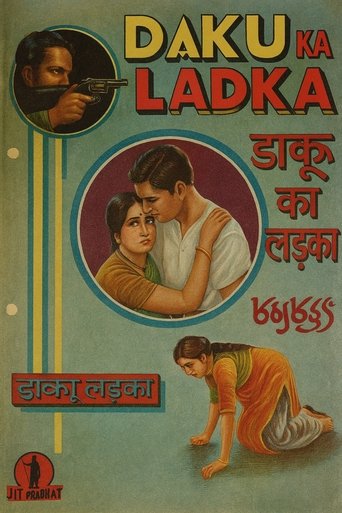
7.0An early Indian drama about a bandit's son, exploring themes of legacy, justice, or a conflict between his path and his father's.
Daku Ka Ladka
1935