

Known for
 7.0
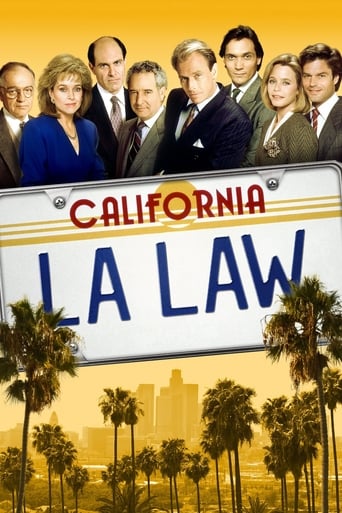
L.A. Law is an American television legal drama series that ran for eight seasons on NBC from September 15, 1986, to May 19, 1994. Created by Steven Bochco and Terry Louise Fisher, it contained many of Bochco's trademark features including a large number of parallel storylines, social drama and off-the-wall humor. It reflected the social and cultural ideologies of the 1980s and early 1990s, and many of the cases featured on the show dealt with hot-topic issues such as abortion, racism, gay rights, homophobia, sexual harassment, AIDS, and domestic violence. The series often also reflected social tensions between the wealthy senior lawyer protagonists and their less well-paid junior staff. The show was popular with audiences and critics, and won 15 Emmy Awards throughout its run, four of which were for Outstanding Drama Series.
L.A. Law
1986
 6.1
The Duck Factory is a 1984 NBC television series produced by MTM Enterprises that is perhaps most notable for being Jim Carrey's first lead role in a Hollywood production. The show was co-created by Allan Burns. The premiere episode introduces Skip Tarkenton, a somewhat naive and optimistic young man who has come to Hollywood looking for a job as a cartoonist. When he arrives at a low-budget animation company called Buddy Winkler Productions, he finds out Buddy Winkler has just died, and the company desperately needs new blood. So Skip gets an animation job at the firm, which is nicknamed "The Duck Factory" as their main cartoon is "The Dippy Duck Show". Other Duck Factory employees seen regularly on the show were man-of-a-thousand-cartoon voices Wally Wooster; comedy writer Marty Fenneman; artists Brooks Carmichael and Roland Culp, editor Andrea Lewin, and business manager Aggie Aylesworth. Buddy Winkler Productions was now owned by his young, ditzy widow, Mrs Sheree Winkler, who had been married to Buddy for all of three weeks before his death. The Duck Factory lasted thirteen episodes; it premiered April 12, 1984. The show initially aired at 9:30 on Thursday nights, directly after Cheers, and replaced Buffalo Bill on NBC's schedule. Jay Tarses, an actor on The Duck Factory, had been the co-creator and executive producer of Buffalo Bill, which had its final network telecast on Thursday, April 5, 1984.
The Duck Factory
1984
 5.4
A deranged prison warden with a nasty habit of killing escapees forces the boyfriends of his teenage twin daughters into a shotgun wedding, after they claim to be pregnant. All hope seems lost, until the husbands hatch a madcap plan to rob a money train to freedom.
Free Money
1998
 4.0
The Slap Maxwell Story is a situation comedy broadcast in the United States by ABC as part of its 1987-88 lineup. It stars Dabney Coleman as "Slap" Maxwell, an egocentric sportswriter for a newspaper called The Ledger, somewhere in the American Southwest. The Ledger was a very old-fashioned newspaper -- Slap still composed his column, "Slap Shots," on a typewriter -- and Slap was a very old-fashioned guy. Despite the newly litigious environment of journalism, Slap insisted on filling his column with rumor and innuendo, drawing lawsuits and Slap's frequent termination, to be followed by a groveling apology and his rehiring. He had an on-again, off-again relationship with girlfriend Judy, one of the paper's secretaries, due primarily to his off-putting personality. Annie was Slap's ex-wife, who nonetheless retained a soft spot for him. A recurring event throughout the series' run is that at some point in each episode, someone would hit Slap, with a nun even doing the honors in one episode. The show was created by Jay Tarses, who in 1983 was co-creator of Buffalo Bill, an NBC sitcom in which Coleman starred as a similarly off-putting character, the host of a TV talk show.
The Slap Maxwell Story
1987
 5.8
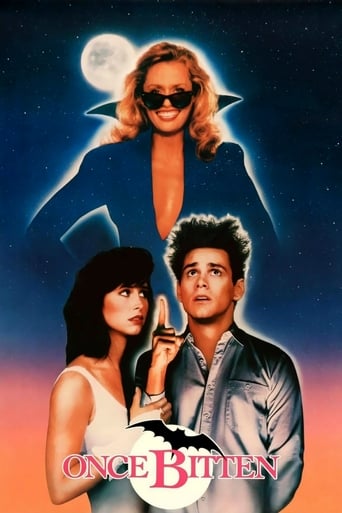
Mark wants to lose his virginity, but his girlfriend wants to wait. Unfortunately for both of them, a 400-year-old vampire Countess needs to turn a virgin into a vampire before Halloween in order to preserve her own youthful appearance, and when she finds Mark, she turns his life upside-down.
Once Bitten
1985
 5.5
A restaurant owner leads a double life.
Diary of a Sex Addict
2001
Film credits
1980s · 4 titles
5.8Mark wants to lose his virginity, but his girlfriend wants to wait. Unfortunately for both of them, a 400-year-old vampire Countess needs to turn a virgin into a vampire before Halloween in order to preserve her own youthful appearance, and when she finds Mark, she turns his life upside-down.
Once Bitten
1985
 5.8
Violent crime is routine. Organized drug trade runs rampant in the face of powerless authority. And a vicious street gang holds dominion with a savage reign of terror. Welcome to Lincoln High! Here the cobras rule the school and everyone in it. Everyone except for Jeff Hanna.
3:15 the Moment of Truth
1986
 10.0
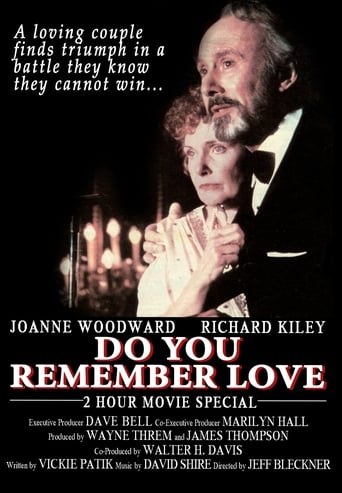
Barbara Wyatt-Hollis is an English professor who begins to experience the effects of Alzheimer's. The film documents her decline and the emotional turmoil it causes for her. It also shows how the changes impact her husband, George, and their children. The film also looks at the process by which families can be educated and supported to deal with the impact of the disease, as well as what is done for those afflicted.
Do You Remember Love
1985
A dedicated sheriff in the 1880s who, after his first family is ravaged by a gang of renegades, gets a chance for revenge years later when the same outlaws threaten his new family and the frontier town he single handedly tamed.
Independence
1987
Series credits
7.0L.A. Law is an American television legal drama series that ran for eight seasons on NBC from September 15, 1986, to May 19, 1994. Created by Steven Bochco and Terry Louise Fisher, it contained many of Bochco's trademark features including a large number of parallel storylines, social drama and off-the-wall humor. It reflected the social and cultural ideologies of the 1980s and early 1990s, and many of the cases featured on the show dealt with hot-topic issues such as abortion, racism, gay rights, homophobia, sexual harassment, AIDS, and domestic violence. The series often also reflected social tensions between the wealthy senior lawyer protagonists and their less well-paid junior staff. The show was popular with audiences and critics, and won 15 Emmy Awards throughout its run, four of which were for Outstanding Drama Series.
L.A. Law
1986
6.1The Duck Factory is a 1984 NBC television series produced by MTM Enterprises that is perhaps most notable for being Jim Carrey's first lead role in a Hollywood production. The show was co-created by Allan Burns. The premiere episode introduces Skip Tarkenton, a somewhat naive and optimistic young man who has come to Hollywood looking for a job as a cartoonist. When he arrives at a low-budget animation company called Buddy Winkler Productions, he finds out Buddy Winkler has just died, and the company desperately needs new blood. So Skip gets an animation job at the firm, which is nicknamed "The Duck Factory" as their main cartoon is "The Dippy Duck Show". Other Duck Factory employees seen regularly on the show were man-of-a-thousand-cartoon voices Wally Wooster; comedy writer Marty Fenneman; artists Brooks Carmichael and Roland Culp, editor Andrea Lewin, and business manager Aggie Aylesworth. Buddy Winkler Productions was now owned by his young, ditzy widow, Mrs Sheree Winkler, who had been married to Buddy for all of three weeks before his death. The Duck Factory lasted thirteen episodes; it premiered April 12, 1984. The show initially aired at 9:30 on Thursday nights, directly after Cheers, and replaced Buffalo Bill on NBC's schedule. Jay Tarses, an actor on The Duck Factory, had been the co-creator and executive producer of Buffalo Bill, which had its final network telecast on Thursday, April 5, 1984.
The Duck Factory
1984
4.0The Slap Maxwell Story is a situation comedy broadcast in the United States by ABC as part of its 1987-88 lineup. It stars Dabney Coleman as "Slap" Maxwell, an egocentric sportswriter for a newspaper called The Ledger, somewhere in the American Southwest. The Ledger was a very old-fashioned newspaper -- Slap still composed his column, "Slap Shots," on a typewriter -- and Slap was a very old-fashioned guy. Despite the newly litigious environment of journalism, Slap insisted on filling his column with rumor and innuendo, drawing lawsuits and Slap's frequent termination, to be followed by a groveling apology and his rehiring. He had an on-again, off-again relationship with girlfriend Judy, one of the paper's secretaries, due primarily to his off-putting personality. Annie was Slap's ex-wife, who nonetheless retained a soft spot for him. A recurring event throughout the series' run is that at some point in each episode, someone would hit Slap, with a nun even doing the honors in one episode. The show was created by Jay Tarses, who in 1983 was co-creator of Buffalo Bill, an NBC sitcom in which Coleman starred as a similarly off-putting character, the host of a TV talk show.
The Slap Maxwell Story
1987
 NR
1939-1945. Six years. Within the scope of history, six years is a relatively short period of time. But these six years entirely changed the world producing battles and shaping lives beyond anything civilized man had ever known. Thirty-five million people died in this war and many of them were never in uniform. As for the men in uniform, these soldiers witnessed incredible events and performed duties that redefined bravery. There was no ambiguity regarding good and evil. When it all finally came to an end, the whole planet had to look forward to see what the future would bring, but they also had to look back to see what the world had learned.
WWII Remembered: A Complete History
2009
Behind the camera
5.4A deranged prison warden with a nasty habit of killing escapees forces the boyfriends of his teenage twin daughters into a shotgun wedding, after they claim to be pregnant. All hope seems lost, until the husbands hatch a madcap plan to rob a money train to freedom.
Free Money
1998
5.5A restaurant owner leads a double life.
Diary of a Sex Addict
2001
5.5A restaurant owner leads a double life.
Diary of a Sex Addict
2001