
Directing
Mario Handler
Born
1935-11-10 (90)
Place of birth
Montevideo, Uruguay
Known for
Directing
Credits
28 titles
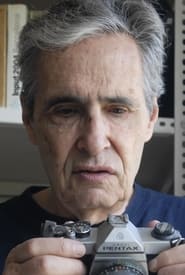
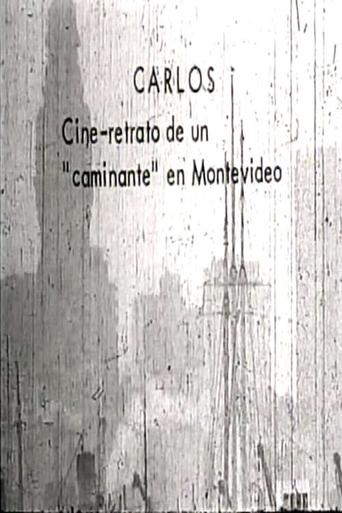
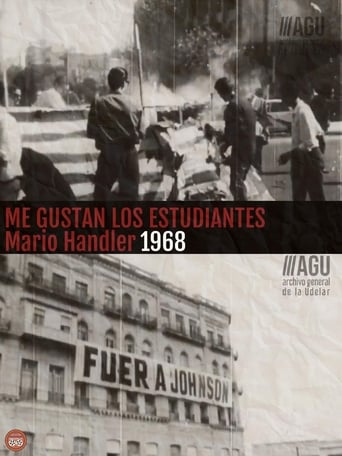
Mario Handler was born on November 10, 1935 in Montevideo, Uruguay. He is a renowned filmmaker and photographer, considered by many to be the pioneer of Uruguayan militant cinema. He made his debut film "Vanguardista" in 1958. Afterwards he traveled to Germany where he did an internship in scientific cinema at the IWF (Institut für den Wissenschaftlichen Film). Later, in Czechoslovakia he made a documentary called In Prague. He focused primarily on class struggles. Some of his first works are "Carlos" (1964), a film-portrait of a homeless man, "Me Gustan Los Estudiantes" (1968) and "Liber Arce, Liberation" (1969) about the student protests. In 1972 he goes into exile to Venezuela due to the…
Known for
 7.7
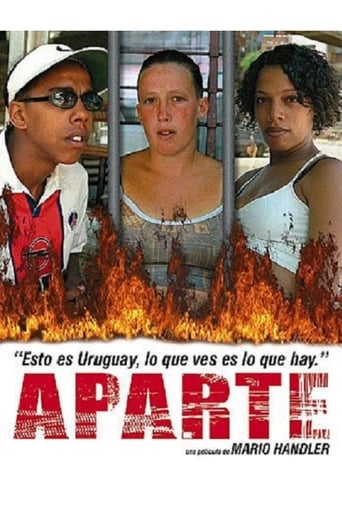
7.7Rare images of real life stories in the so-called "asentamientos" in the poor underbelly of Uruguay's capital, Montevideo, and in its youth jails. The difficulties of finding a job and scraping together some money, the temptations of crime and its harsh consequences, the lack of culture and knowledge of the basics of life, are all intertwined in parallel lives.
Aside
2002
 NR
NRThree centuries of Venezuela's history as a Spanish colony are considered from economic, political and social standpoints; evocations of the past are compared to the present. Based on the ideas and research of Federico Brito Figueroa, Alfredo A. Alfonso, Miguel A. Saignes, Josefina Jordan, and Thaelman Urgelles among others.
Colonial Times
1976
 NR
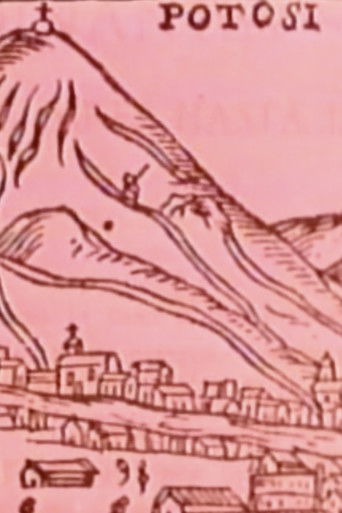
NRAfter several close calls with death squads, Mario Handler fled Uruguay in 1973 and eventually settled in Venezuela where he lived and continued to make films before returning to Uruguay in recent years. The first film he completed in exile, Dos puertos y un cerro is an essay film about the imbalances of trade. A narrator dispassionately recounts in voice-over a brief summation of Venezuela's situation as a hub port in the establishment of the colonial system in the sixteenth-century.
Two Ports and a Hill
1975
 10.0
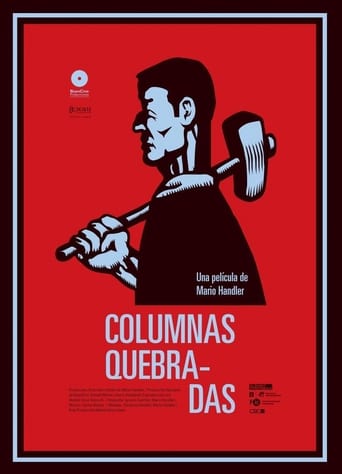
10.0The documentary delves into the intimate, labor, and political life of diverse characters to testify to the problems of inequality, exploitation, and instability in the work relations of some labor sectors.
Broken Columns
2015
 6.0
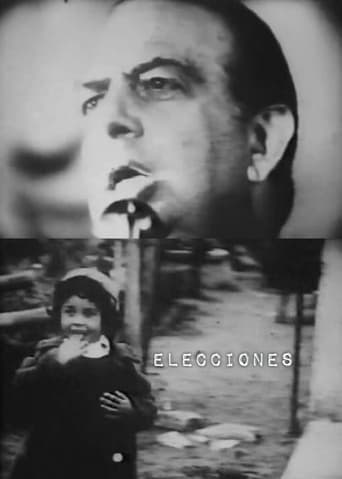
6.0Documentary on the electoral system in Uruguay. It focused on the upcoming federal elections, criticizing both of the country's political parties.
Elections
1967
 5.0
5.0Documentary short film by Mario Handler about the city of Prague as part of an internship to study film in Europe.
In Prague
1964
Film credits
Behind the camera
7.7Rare images of real life stories in the so-called "asentamientos" in the poor underbelly of Uruguay's capital, Montevideo, and in its youth jails. The difficulties of finding a job and scraping together some money, the temptations of crime and its harsh consequences, the lack of culture and knowledge of the basics of life, are all intertwined in parallel lives.
Aside
2002
7.7Rare images of real life stories in the so-called "asentamientos" in the poor underbelly of Uruguay's capital, Montevideo, and in its youth jails. The difficulties of finding a job and scraping together some money, the temptations of crime and its harsh consequences, the lack of culture and knowledge of the basics of life, are all intertwined in parallel lives.
Aside
2002
7.7Rare images of real life stories in the so-called "asentamientos" in the poor underbelly of Uruguay's capital, Montevideo, and in its youth jails. The difficulties of finding a job and scraping together some money, the temptations of crime and its harsh consequences, the lack of culture and knowledge of the basics of life, are all intertwined in parallel lives.
Aside
2002
NRThree centuries of Venezuela's history as a Spanish colony are considered from economic, political and social standpoints; evocations of the past are compared to the present. Based on the ideas and research of Federico Brito Figueroa, Alfredo A. Alfonso, Miguel A. Saignes, Josefina Jordan, and Thaelman Urgelles among others.
Colonial Times
1976
NRThree centuries of Venezuela's history as a Spanish colony are considered from economic, political and social standpoints; evocations of the past are compared to the present. Based on the ideas and research of Federico Brito Figueroa, Alfredo A. Alfonso, Miguel A. Saignes, Josefina Jordan, and Thaelman Urgelles among others.
Colonial Times
1976
NRAfter several close calls with death squads, Mario Handler fled Uruguay in 1973 and eventually settled in Venezuela where he lived and continued to make films before returning to Uruguay in recent years. The first film he completed in exile, Dos puertos y un cerro is an essay film about the imbalances of trade. A narrator dispassionately recounts in voice-over a brief summation of Venezuela's situation as a hub port in the establishment of the colonial system in the sixteenth-century.
Two Ports and a Hill
1975
NRAfter several close calls with death squads, Mario Handler fled Uruguay in 1973 and eventually settled in Venezuela where he lived and continued to make films before returning to Uruguay in recent years. The first film he completed in exile, Dos puertos y un cerro is an essay film about the imbalances of trade. A narrator dispassionately recounts in voice-over a brief summation of Venezuela's situation as a hub port in the establishment of the colonial system in the sixteenth-century.
Two Ports and a Hill
1975
10.0The documentary delves into the intimate, labor, and political life of diverse characters to testify to the problems of inequality, exploitation, and instability in the work relations of some labor sectors.
Broken Columns
2015
10.0The documentary delves into the intimate, labor, and political life of diverse characters to testify to the problems of inequality, exploitation, and instability in the work relations of some labor sectors.
Broken Columns
2015
6.0Documentary on the electoral system in Uruguay. It focused on the upcoming federal elections, criticizing both of the country's political parties.
Elections
1967
6.0Documentary on the electoral system in Uruguay. It focused on the upcoming federal elections, criticizing both of the country's political parties.
Elections
1967
6.0Documentary on the electoral system in Uruguay. It focused on the upcoming federal elections, criticizing both of the country's political parties.
Elections
1967
5.0Documentary short film by Mario Handler about the city of Prague as part of an internship to study film in Europe.
In Prague
1964
5.0Documentary short film by Mario Handler about the city of Prague as part of an internship to study film in Europe.
In Prague
1964
 NR
NRDocumentary made from the record of five manifestations of Uruguayan children's folklore: «El rango», «La rayuela», «Andelito de oro», «La farolera» and «San Severín del monte» / «Los oficios».
Juegos y Rondas Tradicionales del Uruguay
1966
 6.0
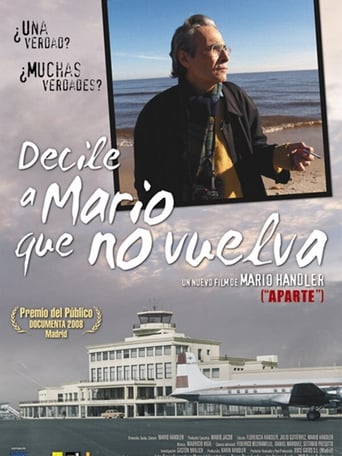
6.0After a long exile in Venezuela, filmmaker Mario Handler returns to his country, Uruguay. There, the dictatorship is still present in the media, public opinion, and in the memory of people. The director feels he owes something to the comrades, those who could not leave the country. This debt translates into poetry, black humor and conscience, in a sharp and accurate atmosphere of this dark time of Uruguay.
Tell Mario not to Come Back
2007
6.0After a long exile in Venezuela, filmmaker Mario Handler returns to his country, Uruguay. There, the dictatorship is still present in the media, public opinion, and in the memory of people. The director feels he owes something to the comrades, those who could not leave the country. This debt translates into poetry, black humor and conscience, in a sharp and accurate atmosphere of this dark time of Uruguay.
Tell Mario not to Come Back
2007
 6.2
6.2The "caminante" refers to a hobo who roams the countryside, a nomenclature preferred by Carlos, who once traveled all over Uruguay before becoming a homeless vagabond, or "bichiome", in the city of Montevideo. The film presents a portrait of society through the life of one marginalized individual.
Carlos: Film Portrait of a Montevideo Panhandler
1965
6.2The "caminante" refers to a hobo who roams the countryside, a nomenclature preferred by Carlos, who once traveled all over Uruguay before becoming a homeless vagabond, or "bichiome", in the city of Montevideo. The film presents a portrait of society through the life of one marginalized individual.
Carlos: Film Portrait of a Montevideo Panhandler
1965
During the second half of the 1960s, the Unión de Trabajadores Azucareros de Artigas (UTAA) carried out a series of marches from the north of the country to Montevideo, demanding better living conditions for its workers. These mobilizations took place in a context of economic crisis in the country and growing political and social conflict. Filmmakers Mario Handler, Alberto Miller and Marcos Banchero recorded some of these mobilizations at the time, contributing to the visibility of this sector of society, whose conditions of exploitation had been unknown to the capital's gaze until then. Cañeros, by Mario Handler, records the 1965 march and was made within the framework of the Instituto de Cinematografía de la Universidad de la República.
Sugar Cane Workers
1965
 6.5
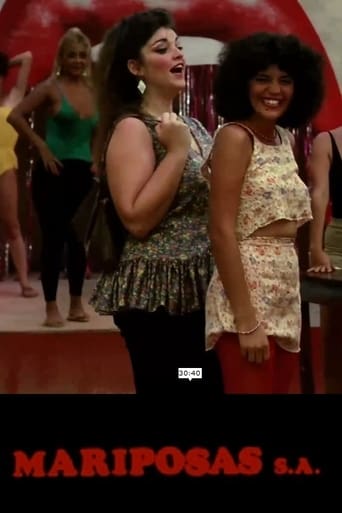
6.5The story of seven prostitutes traveling in a truck, town to town, selling their show in local festivities inside an old circus tent. The authorities demand bribes in order to keep the order in town.
Mariposas S.A.
1986
A village on the Venezuelan coast, a place of fishermen and big haciendas, Aquiles Vargas, a white aristocrat in somewhat reduced circumstances, fights with Cruz Guaregua, a humble black fisherwoman, and mother of his only son, a half-caste 'mestizo'.
Mestizo
1988
A village on the Venezuelan coast, a place of fishermen and big haciendas, Aquiles Vargas, a white aristocrat in somewhat reduced circumstances, fights with Cruz Guaregua, a humble black fisherwoman, and mother of his only son, a half-caste 'mestizo'.
Mestizo
1988
A village on the Venezuelan coast, a place of fishermen and big haciendas, Aquiles Vargas, a white aristocrat in somewhat reduced circumstances, fights with Cruz Guaregua, a humble black fisherwoman, and mother of his only son, a half-caste 'mestizo'.
Mestizo
1988
 7.0
7.0Students protest during the Chiefs of State conference at Punta del Este. Counterpoint between presidents, students and repressive policemen.
Me gustan los estudiantes
1968
 NR
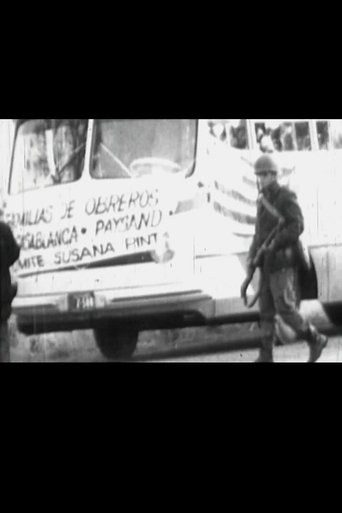
NRAfter the meat industry workers stop receiving 2 kilograms of meat a day as a part of their salary, they organize the biggest strike in Uruguayan history. Images of farms. Meeting at the workers' society. Relations between the Uruguayan economic and political leaders and the United States. Scenes of decay and misery. Workers' demonstrations. Clashes between police and demonstrators.
Uruguay 1969: El Problema de la Carne
1969
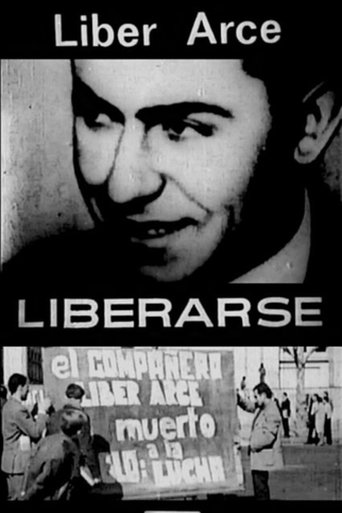 5.3
5.3Liber Arce, a student, was killed by the police in a protest march. His funeral became the largest demonstration held in Montevideo. The events leading up to and after this event are portrayed.
Liber Arce, liberarse
1969