
Known for
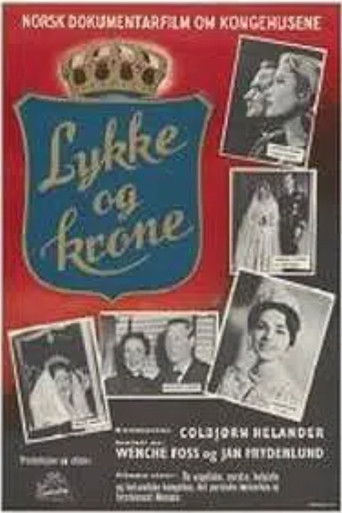 9.0
9.0Depicts the royal houses of Europe (Norwegian, British, Belgian and Dutch) as well as Iran and the Principality of Monaco.
Lykke og krone
1962
The film depicts Asia and was shot in Bali, Egypt, Israel, Japan, Jordan, Kashmir, the Taj Mahal in India and Pakistan.
Orient
1960
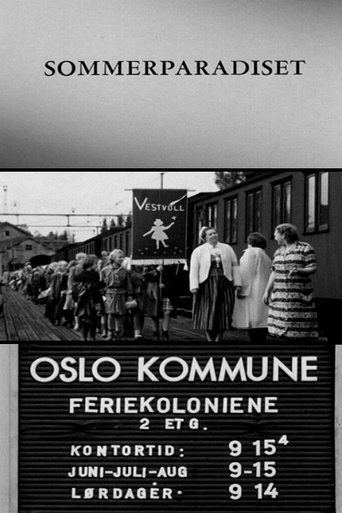 NR
NRAt Slagen, Hudøy and several other places, Oslo Municipality drove holiday colonies where children from the city could vacation in the summer. At Dal there was a separate holiday colony for tuberculosis-infested children. Some children were also sent for holiday stays on farms. More than 5,000 children received a stay at municipal or private holiday colonies every summer. ***** Oslofilm was a series of public information films about life in and around Oslo, produced between 1940 and 1980. Funded by the state, the films offer valuable insight into postwar Norwegian society. A wide range of Norwegian filmmakers contributed to the productions, resulting in a rich variety of styles and expressions. Several of the films also possess notable cinematic qualities, standing out as more than just informational material. The Oslofilms represent a unique and important chapter in Norwegian film history.
Oslofilm: Summer Paradise
1954
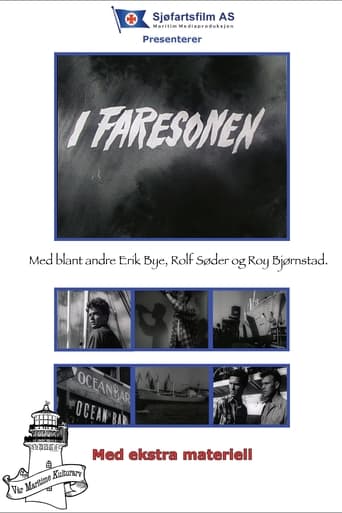 7.0
7.0I Faresonen is a combination of a documentary and fictional approach to the problem of alcoholism -- or alcohol dependency. Tackling a problem common to other Nordic countries as well, director Bjoern Breigutu has focused on the life of sailors, among others, and how alcohol is used or abused in that sector of the population. This was the Norwegian entry at the 1961 Berlin Film Festival.
I faresonen
1961
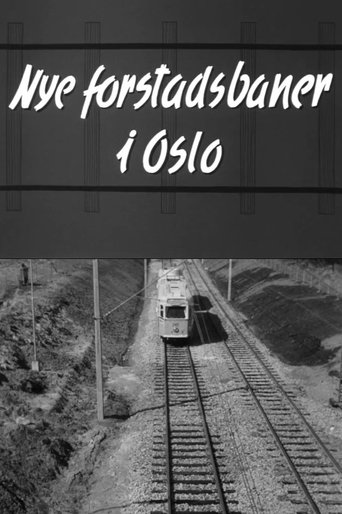 NR
NRAbout the work of providing the growing city of Oslo with a network of tramways to the new suburbs: the Lambertseter Line, the Østensjø Line to Bøler, and the Grorud Line. ***** Oslofilm was a series of public information films about life in and around Oslo, produced between 1940 and 1980. Funded by the state, the films offer valuable insight into postwar Norwegian society. A wide range of Norwegian filmmakers contributed to the productions, resulting in a rich variety of styles and expressions. Several of the films also possess notable cinematic qualities, standing out as more than just informational material. The Oslofilms represent a unique and important chapter in Norwegian film history.
Oslofilm: Nye forstadsbaner i Oslo
1958
 NR
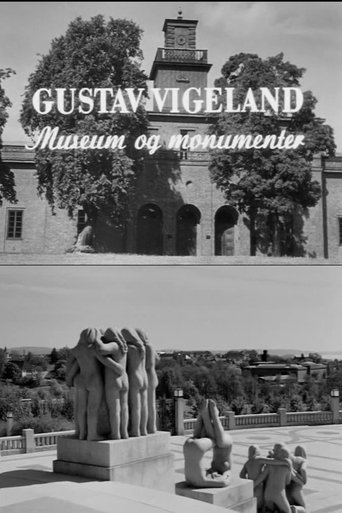
NRAbout Gustav Vigeland. **** Oslofilm was a series of public information films about life in and around Oslo, produced between 1940 and 1980. Funded by the state, the films offer valuable insight into postwar Norwegian society. A wide range of Norwegian filmmakers contributed to the productions, resulting in a rich variety of styles and expressions. Several of the films also possess notable cinematic qualities, standing out as more than just informational material. The Oslofilms represent a unique and important chapter in Norwegian film history.
Oslofilm: Gustav Vigeland - museum og monumenter
1955
Film credits
1960s · 7 titles
9.0Depicts the royal houses of Europe (Norwegian, British, Belgian and Dutch) as well as Iran and the Principality of Monaco.
Lykke og krone
1962
The film depicts Asia and was shot in Bali, Egypt, Israel, Japan, Jordan, Kashmir, the Taj Mahal in India and Pakistan.
Orient
1960
7.0I Faresonen is a combination of a documentary and fictional approach to the problem of alcoholism -- or alcohol dependency. Tackling a problem common to other Nordic countries as well, director Bjoern Breigutu has focused on the life of sailors, among others, and how alcohol is used or abused in that sector of the population. This was the Norwegian entry at the 1961 Berlin Film Festival.
I faresonen
1961
 NR
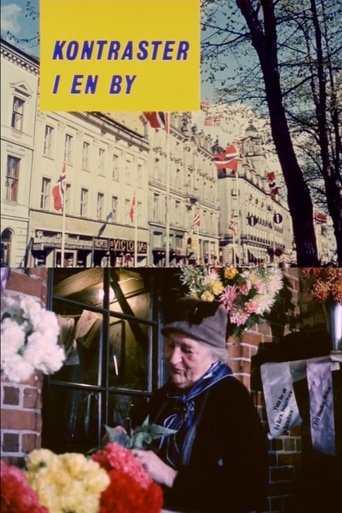
NRThe film highlights the city’s many contrasts. // Oslofilm was a series of public information films about life in and around Oslo, produced between 1940 and 1980. Funded by the state, the films offer valuable insight into postwar Norwegian society. A wide range of Norwegian filmmakers contributed to the productions, resulting in a rich variety of styles and expressions. Several of the films also possess notable cinematic qualities, standing out as more than just informational material. The Oslofilms represent a unique and important chapter in Norwegian film history.
Oslofilm: Kontraster i en by
1963
In January 1965 King Olav of Norway traveled to Iran and Thailand with the SAS airplane "Olav Viking".
Med kong Olav i Orienten
1965
 NR
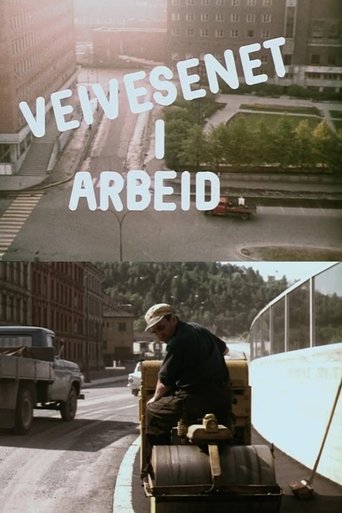
NRRoad work in Oslo. ***** Oslofilm was a series of public information films about life in and around Oslo, produced between 1940 and 1980. Funded by the state, the films offer valuable insight into postwar Norwegian society. A wide range of Norwegian filmmakers contributed to the productions, resulting in a rich variety of styles and expressions. Several of the films also possess notable cinematic qualities, standing out as more than just informational material. The Oslofilms represent a unique and important chapter in Norwegian film history.
Oslofilm: Veivesenet i arbeid
1964
 NR
NRA film showcasing various leisure activities available to young people. // Oslofilm was a series of public information films about life in and around Oslo, produced between 1940 and 1980. Funded by the state, the films offer valuable insight into postwar Norwegian society. A wide range of Norwegian filmmakers contributed to the productions, resulting in a rich variety of styles and expressions. Several of the films also possess notable cinematic qualities, standing out as more than just informational material. The Oslofilms represent a unique and important chapter in Norwegian film history.
Oslofilm: Ungdommenes by..?
1962
1950s · 14 titles
NRAt Slagen, Hudøy and several other places, Oslo Municipality drove holiday colonies where children from the city could vacation in the summer. At Dal there was a separate holiday colony for tuberculosis-infested children. Some children were also sent for holiday stays on farms. More than 5,000 children received a stay at municipal or private holiday colonies every summer. ***** Oslofilm was a series of public information films about life in and around Oslo, produced between 1940 and 1980. Funded by the state, the films offer valuable insight into postwar Norwegian society. A wide range of Norwegian filmmakers contributed to the productions, resulting in a rich variety of styles and expressions. Several of the films also possess notable cinematic qualities, standing out as more than just informational material. The Oslofilms represent a unique and important chapter in Norwegian film history.
Oslofilm: Summer Paradise
1954
NRAbout the work of providing the growing city of Oslo with a network of tramways to the new suburbs: the Lambertseter Line, the Østensjø Line to Bøler, and the Grorud Line. ***** Oslofilm was a series of public information films about life in and around Oslo, produced between 1940 and 1980. Funded by the state, the films offer valuable insight into postwar Norwegian society. A wide range of Norwegian filmmakers contributed to the productions, resulting in a rich variety of styles and expressions. Several of the films also possess notable cinematic qualities, standing out as more than just informational material. The Oslofilms represent a unique and important chapter in Norwegian film history.
Oslofilm: Nye forstadsbaner i Oslo
1958
NRAbout Gustav Vigeland. **** Oslofilm was a series of public information films about life in and around Oslo, produced between 1940 and 1980. Funded by the state, the films offer valuable insight into postwar Norwegian society. A wide range of Norwegian filmmakers contributed to the productions, resulting in a rich variety of styles and expressions. Several of the films also possess notable cinematic qualities, standing out as more than just informational material. The Oslofilms represent a unique and important chapter in Norwegian film history.
Oslofilm: Gustav Vigeland - museum og monumenter
1955
 NR
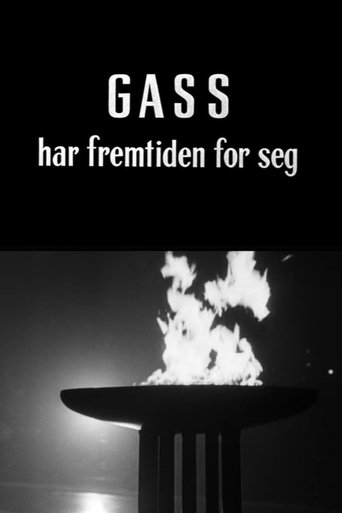
NRIn the mid-1950s, Oslo imported 27,000 tons of coal annually, which was converted into coke, gas, and tar. This production took place at the Oslo Gasworks at Ankertorget. The gas was used both in private households and by industry. ***** Oslofilm was a series of public information films about life in and around Oslo, produced between 1940 and 1980. Funded by the state, the films offer valuable insight into postwar Norwegian society. A wide range of Norwegian filmmakers contributed to the productions, resulting in a rich variety of styles and expressions. Several of the films also possess notable cinematic qualities, standing out as more than just informational material. The Oslofilms represent a unique and important chapter in Norwegian film history.
Oslofilm: Gass har framtiden for seg - Oslo Gassverk
1956
 NR
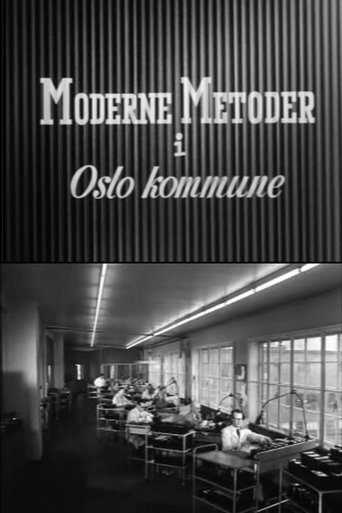
NRAbout rationalization and efficiency improvements in the Municipality of Oslo, with examples from hospitals, sanitation services, water supply, transport, forestry, the port, the electricity utility, building control, and modern office technology. ***** Oslofilm was a series of public information films about life in and around Oslo, produced between 1940 and 1980. Funded by the state, the films offer valuable insight into postwar Norwegian society. A wide range of Norwegian filmmakers contributed to the productions, resulting in a rich variety of styles and expressions. Several of the films also possess notable cinematic qualities, standing out as more than just informational material. The Oslofilms represent a unique and important chapter in Norwegian film history.
Oslofilm: Moderne metoder i Oslo kommune
1958
 5.0
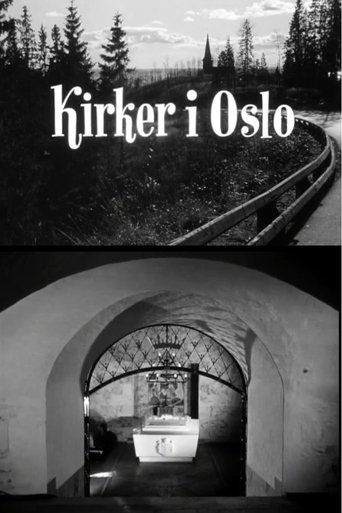
5.0Short documentary about the churches of Oslo, Norway. Directed by the first norwegian female director, Edith Carlmar. **** Oslofilm was a series of public information films about life in and around Oslo, produced between 1940 and 1980. Funded by the state, the films offer valuable insight into postwar Norwegian society. A wide range of Norwegian filmmakers contributed to the productions, resulting in a rich variety of styles and expressions. Several of the films also possess notable cinematic qualities, standing out as more than just informational material. The Oslofilms represent a unique and important chapter in Norwegian film history.
Oslofilm: Kirker i Oslo
1954
 NR
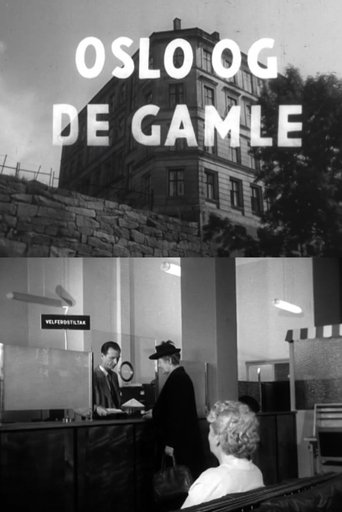
NRA short film about elderly care in Oslo. Social and welfare services. ***** Oslofilm was a series of public information films about life in and around Oslo, produced between 1940 and 1980. Funded by the state, the films offer valuable insight into postwar Norwegian society. A wide range of Norwegian filmmakers contributed to the productions, resulting in a rich variety of styles and expressions. Several of the films also possess notable cinematic qualities, standing out as more than just informational material. The Oslofilms represent a unique and important chapter in Norwegian film history.
Oslofilm: Oslo og de gamle
1957
 NR
NRThe film begins with the forerunners of cinema and takes us through a review of film history in Norway and the history of Oslo’s cinemas. ***** Oslofilm was a series of public information films about life in and around Oslo, produced between 1940 and 1980. Funded by the state, the films offer valuable insight into postwar Norwegian society. A wide range of Norwegian filmmakers contributed to the productions, resulting in a rich variety of styles and expressions. Several of the films also possess notable cinematic qualities, standing out as more than just informational material. The Oslofilms represent a unique and important chapter in Norwegian film history.
Oslofilm: Klipp fra Oslo Kinematografers arkiv
1955
 NR
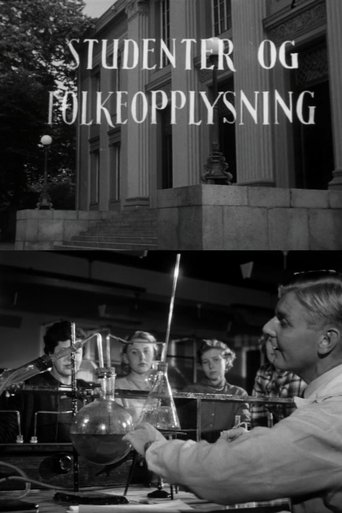
NRThe Student Society’s free education program, affiliated with the University of Oslo, was an important public education institution in the 1950s, with 17,000 students in 1956 and courses ranging from tinworking to child psychology. ***** Oslofilm was a series of public information films about life in and around Oslo, produced between 1940 and 1980. Funded by the state, the films offer valuable insight into postwar Norwegian society. A wide range of Norwegian filmmakers contributed to the productions, resulting in a rich variety of styles and expressions. Several of the films also possess notable cinematic qualities, standing out as more than just informational material. The Oslofilms represent a unique and important chapter in Norwegian film history.
Oslofilm: Studenter og folkeopplysning
1957
 NR
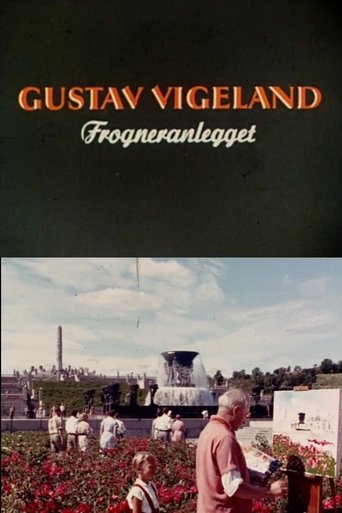
NRA look at Vigelandsparken. ***** Oslofilm was a series of public information films about life in and around Oslo, produced between 1940 and 1980. Funded by the state, the films offer valuable insight into postwar Norwegian society. A wide range of Norwegian filmmakers contributed to the productions, resulting in a rich variety of styles and expressions. Several of the films also possess notable cinematic qualities, standing out as more than just informational material. The Oslofilms represent a unique and important chapter in Norwegian film history.
Oslofilm: Gustav Vigeland: Forgneranlegget
1954
 NR
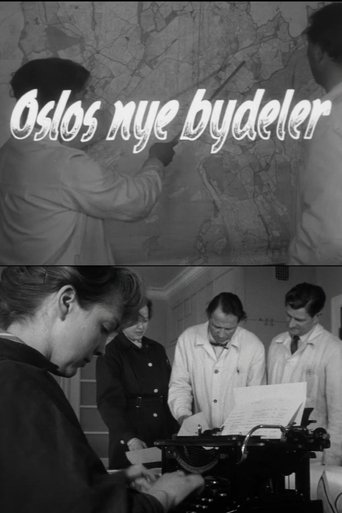
NRA film about the new neighborhoods that were built after the war, including Manglerud, Bøler, Oppsal, Årvoll, Teisen and Lambertseter. ***** Oslofilm was a series of public information films about life in and around Oslo, produced between 1940 and 1980. Funded by the state, the films offer valuable insight into postwar Norwegian society. A wide range of Norwegian filmmakers contributed to the productions, resulting in a rich variety of styles and expressions. Several of the films also possess notable cinematic qualities, standing out as more than just informational material. The Oslofilms represent a unique and important chapter in Norwegian film history.
Oslofilm: Oslos nye bydeler
1958
 NR
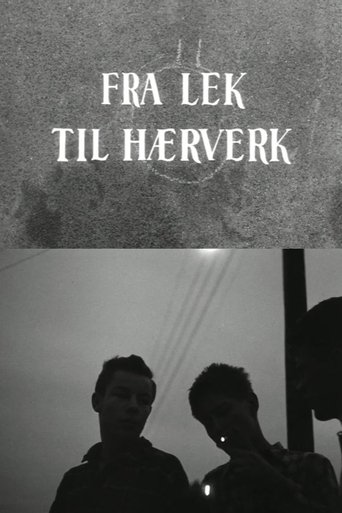
NRPlay that appears innocent can quickly lead to accidents and destruction. What happens, for example, when reckless youths move a warning barrier away from a hole in the street? ***** Oslofilm was a series of public information films about life in and around Oslo, produced between 1940 and 1980. Funded by the state, the films offer valuable insight into postwar Norwegian society. A wide range of Norwegian filmmakers contributed to the productions, resulting in a rich variety of styles and expressions. Several of the films also possess notable cinematic qualities, standing out as more than just informational material. The Oslofilms represent a unique and important chapter in Norwegian film history.
Oslofilm: Fra lek til hærverk
1958
 NR
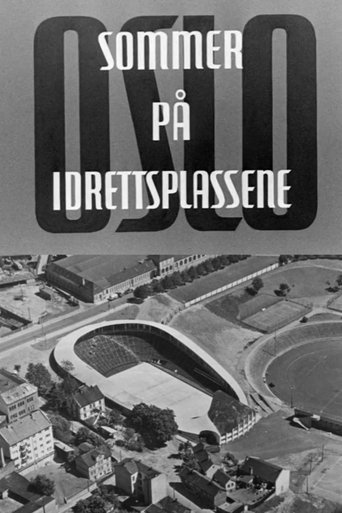
NROslo has many sports fields, including Voldsløkka, Dælenenga, Ekebergsletta and Bislett. **** Oslofilm was a series of public information films about life in and around Oslo, produced between 1940 and 1980. Funded by the state, the films offer valuable insight into postwar Norwegian society. A wide range of Norwegian filmmakers contributed to the productions, resulting in a rich variety of styles and expressions. Several of the films also possess notable cinematic qualities, standing out as more than just informational material. The Oslofilms represent a unique and important chapter in Norwegian film history.
Oslofilm: Oslo: Sommer på idrettsplassene
1954
 10.0
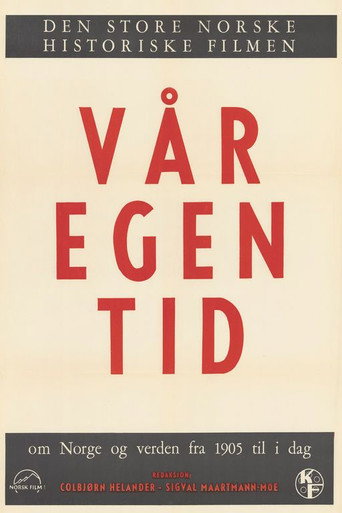
10.0Shows footage from King Haakon the 7th arrival in Norway in 1905 to the beginning of the space age.
Vår egen tid
1959