
Directing
Gil Cardinal
Place of birth
Edmonton, Alberta, Canada
Known for
Directing
Credits
20 titles
Canadian filmmaker of Métis descent.
Known for
 NR
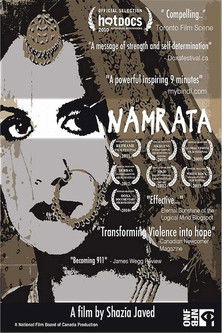
NRThis short documentary tells the intensely personal story of Namrata Gill – one of the many real-life inspirations for Deepa Mehta’s Heaven on Earth – in her own words. After six years, Gill courageously leaves an abusive relationship and launches a surprising new career.
Namrata
2009
 10.0
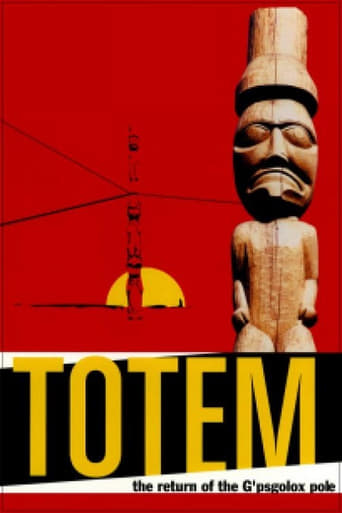
10.0This feature-length documentary traces the journey of the Haisla people to reclaim the G'psgolox totem pole that went missing from their British Columbia village in 1929. The fate of the 19th century traditional mortuary pole remained unknown for over 60 years until it was discovered in a Stockholm museum where it is considered state property by the Swedish government. Director Gil Cardinal combines interviews, striking imagery and rare footage of master carvers to raise questions about ownership and the meaning of Aboriginal objects held in museums.
Totem: The Return of the G'psgolox Pole
2003
Tikinagan is a no-holds-barred account of the difficulties along the path to Native self-determination. Tikinagan is the Ojiubway word for cradleboard... the indigenous device in which babies are carried on a parent's back. Tikinagan is also the name of a revolutionary Native child-care agency operating out of Sioux Lookout, Ontario. Tikinagan workers know that the welfare of the children in their remote northwestern Ontario communities is in peril and needs special help. They still encounter the residue of bitterness and distrust left after years of conflict with provincial child welfare agencies. They have let their story be told in a film that is honest and uncompromising. Source: 1999 imagineNATIVE Catalogue
Tikinagan
1991
 9.0
9.0The story of Big Bear, the real life Cree chief who campaigned for his people and their land against the Canadian government in the 1870s and 1880s.
Big Bear
1998
A 17-year-old girl refuses medical treatment that will prolong her life due to religious convictions.
Discussions in Bioethics: The Courage of One's Convictions
1985
This short documentary focuses on the children of alcoholics. In the relaxed environment of a mountain campsite, a group of young people discuss their anger and frustration, and talk about their struggle to cope with the problems created by their parents' drinking. By sharing their experiences, they open a door for others like them. Aimed primarily at an audience of elementary school children and older, this film provides an excellent vehicle for generating discussion about alcohol abuse and the family.
Children of Alcohol
1984
Film credits
Behind the camera
NRThis short documentary tells the intensely personal story of Namrata Gill – one of the many real-life inspirations for Deepa Mehta’s Heaven on Earth – in her own words. After six years, Gill courageously leaves an abusive relationship and launches a surprising new career.
Namrata
2009
10.0This feature-length documentary traces the journey of the Haisla people to reclaim the G'psgolox totem pole that went missing from their British Columbia village in 1929. The fate of the 19th century traditional mortuary pole remained unknown for over 60 years until it was discovered in a Stockholm museum where it is considered state property by the Swedish government. Director Gil Cardinal combines interviews, striking imagery and rare footage of master carvers to raise questions about ownership and the meaning of Aboriginal objects held in museums.
Totem: The Return of the G'psgolox Pole
2003
Tikinagan is a no-holds-barred account of the difficulties along the path to Native self-determination. Tikinagan is the Ojiubway word for cradleboard... the indigenous device in which babies are carried on a parent's back. Tikinagan is also the name of a revolutionary Native child-care agency operating out of Sioux Lookout, Ontario. Tikinagan workers know that the welfare of the children in their remote northwestern Ontario communities is in peril and needs special help. They still encounter the residue of bitterness and distrust left after years of conflict with provincial child welfare agencies. They have let their story be told in a film that is honest and uncompromising. Source: 1999 imagineNATIVE Catalogue
Tikinagan
1991
9.0The story of Big Bear, the real life Cree chief who campaigned for his people and their land against the Canadian government in the 1870s and 1880s.
Big Bear
1998
9.0The story of Big Bear, the real life Cree chief who campaigned for his people and their land against the Canadian government in the 1870s and 1880s.
Big Bear
1998
A 17-year-old girl refuses medical treatment that will prolong her life due to religious convictions.
Discussions in Bioethics: The Courage of One's Convictions
1985
This short documentary focuses on the children of alcoholics. In the relaxed environment of a mountain campsite, a group of young people discuss their anger and frustration, and talk about their struggle to cope with the problems created by their parents' drinking. By sharing their experiences, they open a door for others like them. Aimed primarily at an audience of elementary school children and older, this film provides an excellent vehicle for generating discussion about alcohol abuse and the family.
Children of Alcohol
1984
 8.0
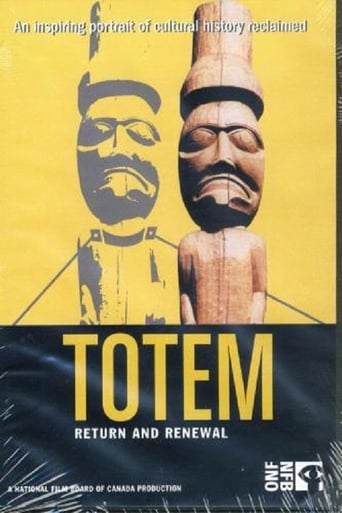
8.0In this follow-up to his 2003 film, Totem: the Return of the G'psgolox Pole, filmmaker Gil Cardinal documents the events of the final journey of the G'psgolox Pole as it returns home to Kitamaat and the Haisla people, from where it went missing in 1929.
Totem: Return and Renewal
2007
8.0In this follow-up to his 2003 film, Totem: the Return of the G'psgolox Pole, filmmaker Gil Cardinal documents the events of the final journey of the G'psgolox Pole as it returns home to Kitamaat and the Haisla people, from where it went missing in 1929.
Totem: Return and Renewal
2007
 NR
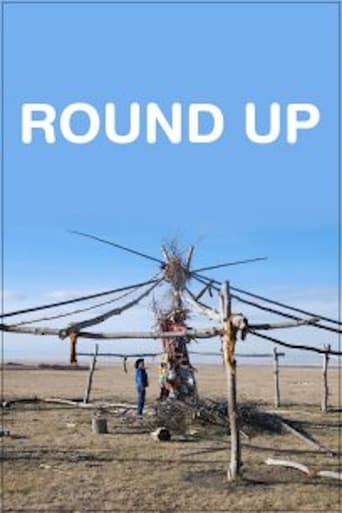
NRThis short film traces Pete Standing Alone's personal journey from cultural alienation to pride and belonging. As a spiritual elder, teacher and community leader of the Blood Indians of Southern Alberta, Pete works with youth to repair the cultural and spiritual destruction wrought by residential schools. At age 81, he has come full-circle in his dedication to preserving the traditional ways of his people.
Round Up
2010
NRThis short film traces Pete Standing Alone's personal journey from cultural alienation to pride and belonging. As a spiritual elder, teacher and community leader of the Blood Indians of Southern Alberta, Pete works with youth to repair the cultural and spiritual destruction wrought by residential schools. At age 81, he has come full-circle in his dedication to preserving the traditional ways of his people.
Round Up
2010
David Vandenbrink seems like a healthy 21-year-old, bright and articulate young man. There is little to suggest that while in his mother's womb, he suffered permanent brain damage. His condition, fetal alcohol syndrome (F.A.S.), went undiagnosed for the first 18 years of his life, causing confusion, anger, and pain for both David and his non-Indigenous adoptive family. Fetal alcohol syndrome is a term used to describe a set of symptoms seen in some children born to women who drank alcohol during pregnancy. The damage can be subtle or severe, resulting in a wide range of symptoms in the areas of slowed growth, disfigurement, and damage to the brain. Associated behavioural problems include impulsiveness, poor judgment, and an inability to grasp the consequences of actions. This personal story, using video footage shot by David himself, along with the experiences of members of his family, is a hard look into the serious consequences of a little-known, but widespread, health problem.
David with F.A.S
1997
David Vandenbrink seems like a healthy 21-year-old, bright and articulate young man. There is little to suggest that while in his mother's womb, he suffered permanent brain damage. His condition, fetal alcohol syndrome (F.A.S.), went undiagnosed for the first 18 years of his life, causing confusion, anger, and pain for both David and his non-Indigenous adoptive family. Fetal alcohol syndrome is a term used to describe a set of symptoms seen in some children born to women who drank alcohol during pregnancy. The damage can be subtle or severe, resulting in a wide range of symptoms in the areas of slowed growth, disfigurement, and damage to the brain. Associated behavioural problems include impulsiveness, poor judgment, and an inability to grasp the consequences of actions. This personal story, using video footage shot by David himself, along with the experiences of members of his family, is a hard look into the serious consequences of a little-known, but widespread, health problem.
David with F.A.S
1997
David Vandenbrink seems like a healthy 21-year-old, bright and articulate young man. There is little to suggest that while in his mother's womb, he suffered permanent brain damage. His condition, fetal alcohol syndrome (F.A.S.), went undiagnosed for the first 18 years of his life, causing confusion, anger, and pain for both David and his non-Indigenous adoptive family. Fetal alcohol syndrome is a term used to describe a set of symptoms seen in some children born to women who drank alcohol during pregnancy. The damage can be subtle or severe, resulting in a wide range of symptoms in the areas of slowed growth, disfigurement, and damage to the brain. Associated behavioural problems include impulsiveness, poor judgment, and an inability to grasp the consequences of actions. This personal story, using video footage shot by David himself, along with the experiences of members of his family, is a hard look into the serious consequences of a little-known, but widespread, health problem.
David with F.A.S
1997
In 1992, the people of Canada had to vote "Yes" or "No" to a new constitution. For the first time in their political history, the Aboriginal people became part of the political process. This film - directed by Gil Cardinal , himself a Metis (half Cree, half French Canadian) - follows Ovide Mercredi , a charismatic and eloquent Cree Indian , as he travels across the country cajoling, explaining and sometimes confronting those who refuse to recognise the rights of his people in a reformed Canadian constitution
Our Home and Native Land
1993
 NR
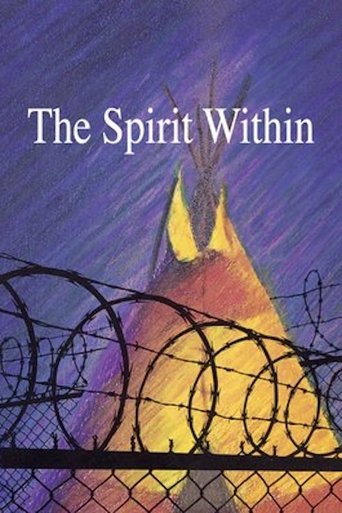
NRThis documentary looks at various Indigenous spirituality programs that run in western Canadian federal penitentiaries, as well as in some provincial institutions. These programs are led by elders, with assistance from liaison officers. They include workshops, ceremonies, and other traditional methods that help put the incarcerated back in touch with themselves, their culture, and their spirituality.
The Spirit Within
1990
 5.0
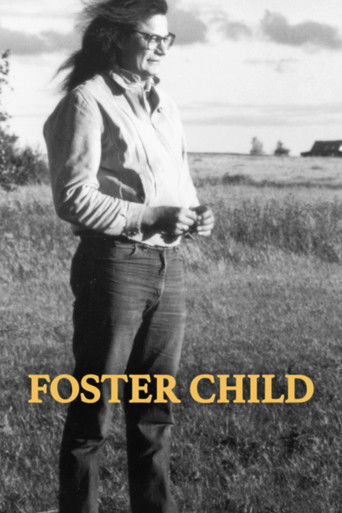
5.0Gil Cardinal searches for his natural family and an understanding of the circumstances that led to his becoming a foster child. An important figure in the history of Canadian Indigenous filmmaking, Gil Cardinal was born to a Métis mother but raised by a non-Indigenous foster family, and with this auto-biographical documentary he charts his efforts to find his biological mother and to understand why he was removed from her. Considered a milestone in documentary cinema, it addressed the country’s internal colonialism in a profoundly personal manner, winning a Special Jury Prize at Banff and multiple international awards.
Foster Child
1987