
Writing
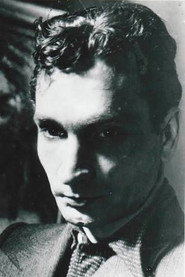
Albert Cossery
Born — Died
1913-11-03 — 2008-06-22
Place of birth
Cairo, Egypt
Known for
Writing
Credits
3 titles
Albert Cossery (Arabic: البرت قصيري) (3 November 1913 – 22 June 2008) was an Egyptian-born French writer.[1] Although Cossery lived most of his life in Paris and only wrote in the French language, all of his novels were either set in his country of birth, Egypt, or in an imaginary Middle Eastern country. He was nicknamed "The Voltaire of the Nile". His writings pay tribute to the humble and to the misfits of his childhood in Cairo, as well as praise a form of laziness and simplicity very distant from our contemporary society. Albert Cossery was well known in Saint-Germain-des-Prés, where he lived in the same hotel, Hotel La Louisiane, since 1945.
Known for
 6.8
Jacques spends his summer vacation with his grandfather, Jericho, in the company of his wife Marie. The malicious ancestor quickly realizes that his grandson's marriage is on the brink of breakdown. He does everything to save him.
The Marriage Came Tumbling Down
1968
 NR
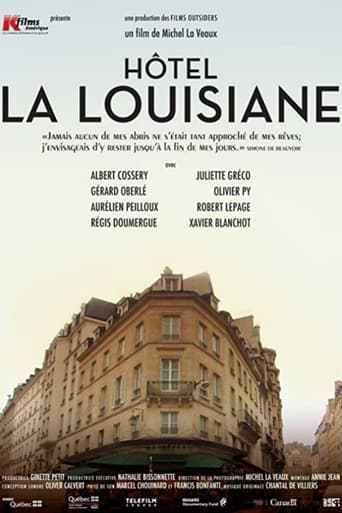
Hôtel La Louisiane is, at its core, a film about freedom and dignity. Freedom for those who wish to live in a place where they are able to feel inspired. Dignity for the hotel owner to stand by his promise to his father and keep their mission alive: to provide an affordable sanctuary for artists and students in search of fulfilling employment, which they certainly won’t find at other hotels. Freedom, too, to be in an environment of tolerance and rid of prejudice. This film is not just a story about a mythical setting in Paris; it portrays the microcosm of a lifestyle in which collective values reign supreme. A film where what’s real and true is placed above national borders or cultural barriers.
Hôtel La Louisiane
2015
 8.0
Hadjis, a philosophy professor in his thirties, put his spiritual concepts into practice when he left Europe to settle in a working-class district of Tunis, where he lived in destitution. Together with two followers of his philosophy, a medical student and a poet, they form a close-knit, wise cenacle. Unfortunately, Hadjis strangles a prostitute while on a hashish binge. The police put an officer in charge of the investigation, and he soon tracked down the murderer. But, converted by the three friends to their philosophy, he ends his investigation and leaves the police to join them.
Beggars and Proud Ones
1972
Film credits
Behind the camera
6.8Jacques spends his summer vacation with his grandfather, Jericho, in the company of his wife Marie. The malicious ancestor quickly realizes that his grandson's marriage is on the brink of breakdown. He does everything to save him.
The Marriage Came Tumbling Down
1968
8.0Hadjis, a philosophy professor in his thirties, put his spiritual concepts into practice when he left Europe to settle in a working-class district of Tunis, where he lived in destitution. Together with two followers of his philosophy, a medical student and a poet, they form a close-knit, wise cenacle. Unfortunately, Hadjis strangles a prostitute while on a hashish binge. The police put an officer in charge of the investigation, and he soon tracked down the murderer. But, converted by the three friends to their philosophy, he ends his investigation and leaves the police to join them.
Beggars and Proud Ones
1972