
Known for
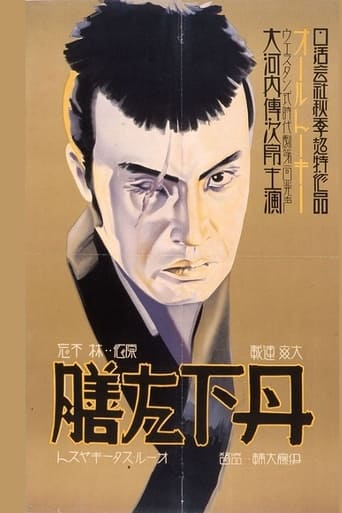 7.0
7.0No synopsis available yet.
Tange Sazen - Dai-ippen
1933
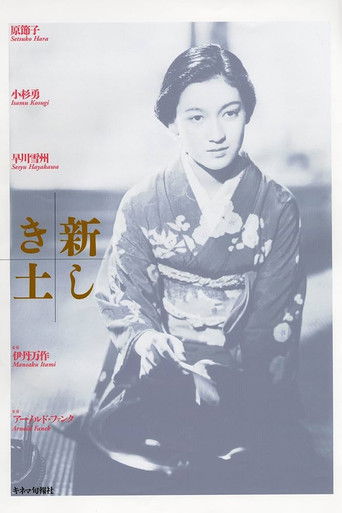 6.0
6.0Teruo gets caught up in a conflict between tradition and modernism after returning to Japan from Germany after having spent a number of years there studying. Now, he is supposed to marry Mitsuko, the daughter of his adoptive father, to whom Teruo has long been promised. But Teruo, who has gotten to know the freedoms of the western world, would rather marry the woman he loves and behaves brusquely to Mitsuko.
The Daughter of the Samurai
1937
Directed by Kensaku Suzuki.
Anguish of a Human Being
1923
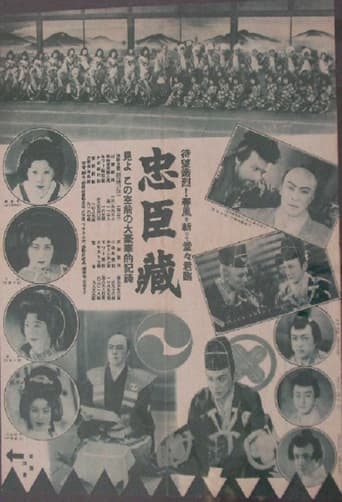 9.0
9.0Directed by Daisuke Itō.
Chūshingura - Ninjō-hen; Fukushū-hen
1934
 9.0
9.0A criminal syndicate wants detective Onihei dead, but the resolute hero proves to be hard to kill.
Onihei's Detective Records
1995
An old potter despairs of having only two daughters and no son, hoping his apprentice will one day bring him an heir. The apprentice meets the eldest daughter but is disgusted by her. He decides to marry the younger daughter, who is in love with another man. Considered a lost film.
The Day Love Came Back
1923
Film credits
1990s · 1 titles
1930s · 4 titles
7.0No synopsis available yet.
Tange Sazen - Dai-ippen
1933
6.0Teruo gets caught up in a conflict between tradition and modernism after returning to Japan from Germany after having spent a number of years there studying. Now, he is supposed to marry Mitsuko, the daughter of his adoptive father, to whom Teruo has long been promised. But Teruo, who has gotten to know the freedoms of the western world, would rather marry the woman he loves and behaves brusquely to Mitsuko.
The Daughter of the Samurai
1937
9.0Directed by Daisuke Itō.
Chūshingura - Ninjō-hen; Fukushū-hen
1934
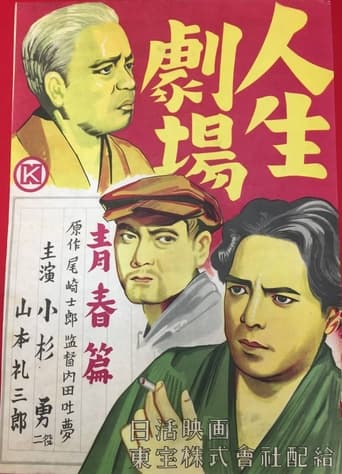 10.0
10.0During the 20s in Japan, a romantic student at Tokyo's Waseda University is filled with noble sentiments absorbed from literature but his naive illusions will be shattered by the ruthless realities of money and power.
Theater of Life: Youth Version
1936
1920s · 7 titles
Directed by Kensaku Suzuki.
Anguish of a Human Being
1923
An old potter despairs of having only two daughters and no son, hoping his apprentice will one day bring him an heir. The apprentice meets the eldest daughter but is disgusted by her. He decides to marry the younger daughter, who is in love with another man. Considered a lost film.
The Day Love Came Back
1923
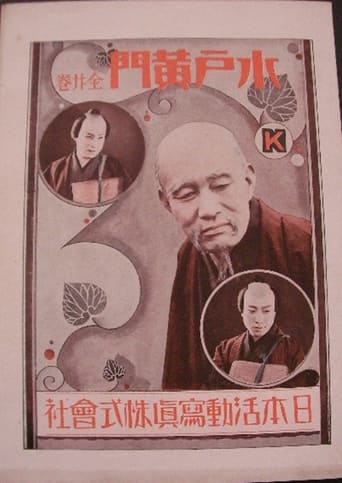 NR
NRNo synopsis available yet.
Mito Kōmon
1926
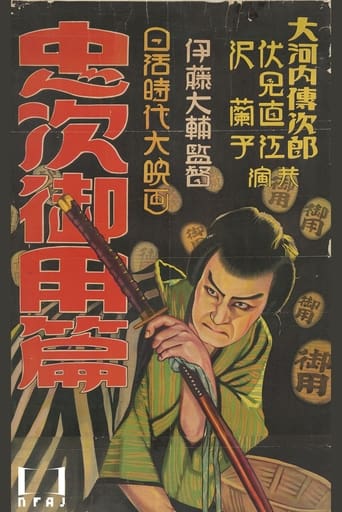 7.6
7.6The Japanese equivalent of penny dreadfuls glorifying Jesse James, A Diary of Chuji’s Travels gives a unique gloss to the tale of Chuji Kunisada, the legendary bakuto (or gambler, the precursors to modern-day yakuza). One of the two remaining segments of Ito’s original four-hour trilogy, it depicts Chuji’s attempt to save the geisha Oshina, a rebellion against the rigid social structure of Edo Japan. With socialist overtones, it’s a passionate artifact of early Japanese film.
Chuji's Travel Diary: The Chuji Patrol Episode
1927
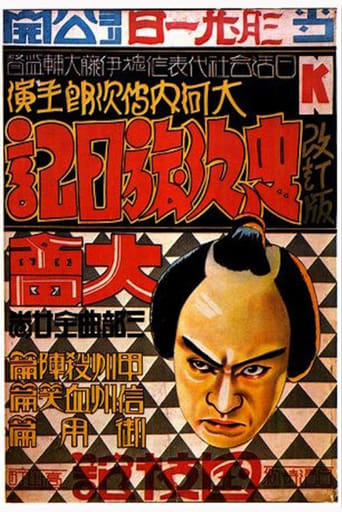 7.0
7.0A Diary of Chuji's Travels is a silent Japanese jidaigeki made in 1927 starring Denjirō Ōkōchi and directed by Daisuke Itō. It was originally released in three parts, all of which were long thought to be lost until portions of the second part and much of the third part were discovered and restored in 1991. Since the film had once been voted in a 1959 Kinema Junpō poll as the best Japanese film of all time, its discovery was significant. At the time of its release, Itō was the leader of a new style of samurai films that featured outlaw heroes and fast-cut sword fighting scenes.
Chuji's Travel Diary: Story of Bloody Shinshu
1927
A Japanese silent drama about two farmers
The Homeland
1923
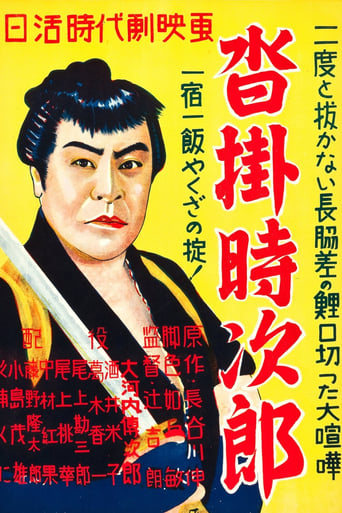 NR
NRA traveling gambler becomes duty-bound to the wife and child of the yakuza he had slain and desires to leave the criminal life for good. However, with no other skills but his sword, he is forced to hire himself out in the midst of a gang war.
Kutsukake Tokijiro
1929