

Directing
S. N. S. Sastry
Born — Died
1930-01-01 — 1978-11-15
Place of birth
Bombay - India
Known for
Directing
Credits
17 titles
Films Division India began in 1948 with the purpose of recording and documenting the history of the newly formed nation. The primary medium of this visual history would be through the creation of documentary-style films. S. N. S. Sastry joined Films Division India as a newsreel cameraman in the early 1950s. Over time, he eventually went on to become a director. Through his distinctly experimental films, he eventually became known as one of the key figures of documentary and short film practice in India. Under FIlms Division India, S. N. S. Sastry made state-sponsored films, however, he drifted away from other government filmmakers in that he developed this nervous, explosive, humorous style…
Known for
 NR
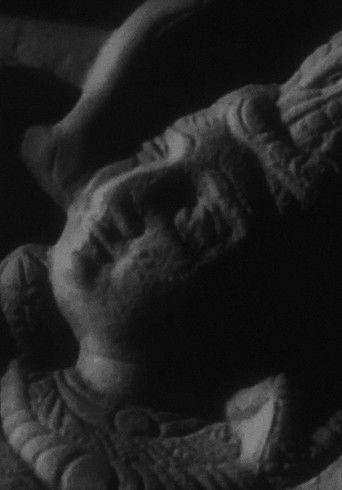
The film takes us to through the silent stone relics of Nagarjunakonda, ancient secluded centre of art, learning and research founded 2000 years ago on the banks of the river Krishna in Andhra Pradesh.
Nagarjunakonda
1958
 NR
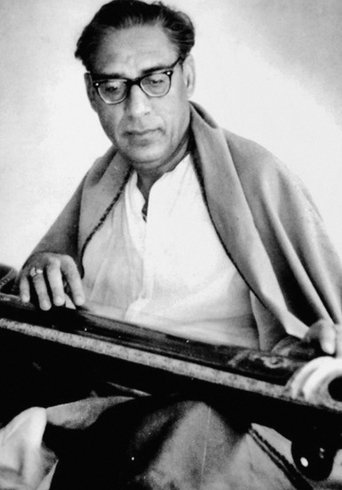
The film portrays the personality and family life of Ustad Amir Khan, the famous vocalist and his music.
Amir Khan
1970
 NR
The rich historical and cultural heritage of the Malwa plateau in Central India is the theme of this film. The ruins that survive bring back memories of kings and poets, craftsmen, and architects.
Malwa
1963
 7.0
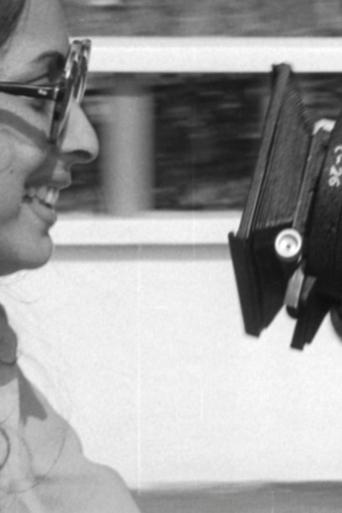
Made a year before the Emergency, Flashback was commissioned by Films Division to commemorate its 25th anniversary. Sastry, with his ever-surprising style, turns this ‘history of’ film into a joyous mix, bringing archival film footage, documentation of Films Division’s infrastructure, and the musings of John Grierson, Ezra Mir, S Sukhdev and himself together, to tussle with the role of documentary cinema. Today, the unprecedented access to archives like that of Films Division is an open invitation to ‘flashback’ and reassemble the past.
Flash Back
1974
 NR
A backgrounder showing the state of affairs which eventually led to the proclamation of Emergency by the Government of India in 1975.
Naya Daur
1975
 NR
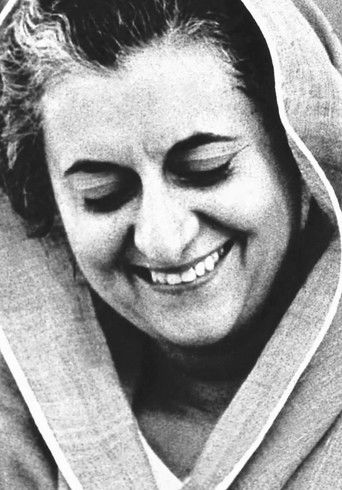
This film records the late third Prime Minister of India, Indira Gandhi, taking the oath for her office and addressing the first-ever UN Conference on Human Environment at Stockholm. Here, she said, "The rich countries may look upon development as a course of environmental destruction...But to us, development is one of the primary means of improving the environment of living, of providing food, water, sanitation and shelter, of making the desert green and the mountains habitable."
Our Indira
1973
Behind the camera
NRThe film takes us to through the silent stone relics of Nagarjunakonda, ancient secluded centre of art, learning and research founded 2000 years ago on the banks of the river Krishna in Andhra Pradesh.
Nagarjunakonda
1958
NRThe film portrays the personality and family life of Ustad Amir Khan, the famous vocalist and his music.
Amir Khan
1970
NRThe rich historical and cultural heritage of the Malwa plateau in Central India is the theme of this film. The ruins that survive bring back memories of kings and poets, craftsmen, and architects.
Malwa
1963
7.0Made a year before the Emergency, Flashback was commissioned by Films Division to commemorate its 25th anniversary. Sastry, with his ever-surprising style, turns this ‘history of’ film into a joyous mix, bringing archival film footage, documentation of Films Division’s infrastructure, and the musings of John Grierson, Ezra Mir, S Sukhdev and himself together, to tussle with the role of documentary cinema. Today, the unprecedented access to archives like that of Films Division is an open invitation to ‘flashback’ and reassemble the past.
Flash Back
1974
NRA backgrounder showing the state of affairs which eventually led to the proclamation of Emergency by the Government of India in 1975.
Naya Daur
1975
NRThis film records the late third Prime Minister of India, Indira Gandhi, taking the oath for her office and addressing the first-ever UN Conference on Human Environment at Stockholm. Here, she said, "The rich countries may look upon development as a course of environmental destruction...But to us, development is one of the primary means of improving the environment of living, of providing food, water, sanitation and shelter, of making the desert green and the mountains habitable."
Our Indira
1973
 6.8
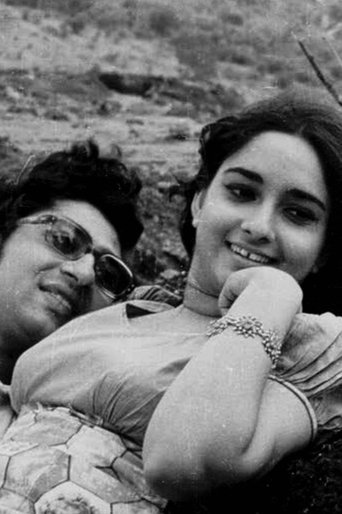
Those born on Independence Day in 1947 were selected from different parts of India and interviewed to know their hopes and desires, ambitions, hobbies, fears and frustrations and the result is this unique film.
I Am 20
1967
 NR
"This Bit of That India" is a layered reflection on youth culture, diversity, progress, education, technology and sexuality. The film juxtaposes documentary moments that celebrate individual freedom with a theatrical performance of Federico Garcia Lorca's "The House of Bernarda Alba", as a metaphor for repression and conformity.
This Bit of That India
1972
 NR
The film showcases India's progress through live footage and numerous photographs, capturing the maker's experiences and impressions.
Yes It's On
1972
 NR
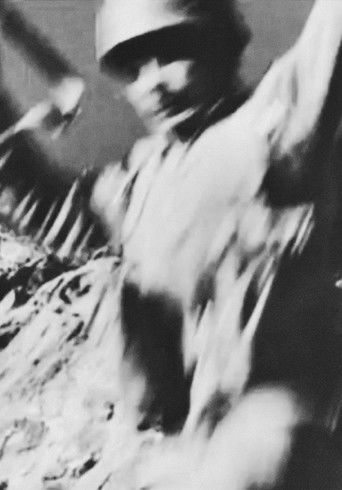
The valor of our jawans in capturing the Haji Pir Pass is depicted in this short film. Glimpses of living conditions of the liberated people of the area are also flashed in this film.
The Capture of Haji Pir Pass
1968
 NR
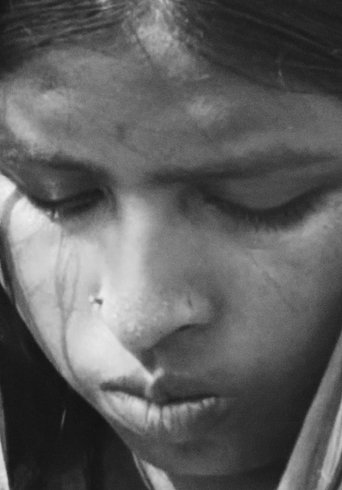
Experimental film. Theme - Man and His World.
Yet In Him We Trust
1966
 NR
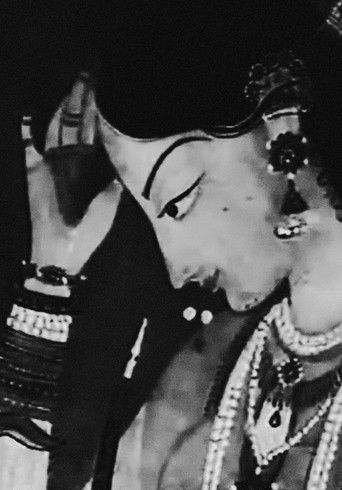
A film about the living conditions of slum dwellers in the city of Bombay. The candid interviews of slum dwellers reveal their scathing reactions to the slogan of Garibi Hatao, and the pretentions of politicians. These interviews also demonstrate in what inhuman conditions the slum dwellers lead their lives. The inter-cut interview with Mr. Kasbekar, Administrator, Housing Board, presents the official side of the problem.
The Burning Sun
1973
 NR
A short TV filler rendering the raga Megh Malhar as sung by Ustad Amir Khan. The Megh Malhar evoking the rain gods is generally sung between 11.30 PM and 1.00 AM.
Raga - II India
1974
 NR
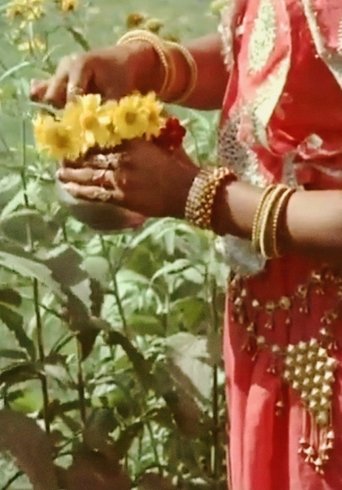
No synopsis available yet.
On the Move
1970
 NR
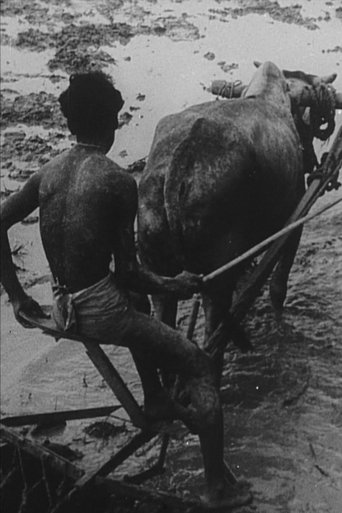
On 26th of June, 1975 the state of emergency was declared by the late Prime Minister Indira Gandhi. This film collects reactions of cross-section of people about changes brought about by the Emergency for their benefit. The film also includes an interview with the Prime Minister.
We Have Promises to Keep
1975
 6.0
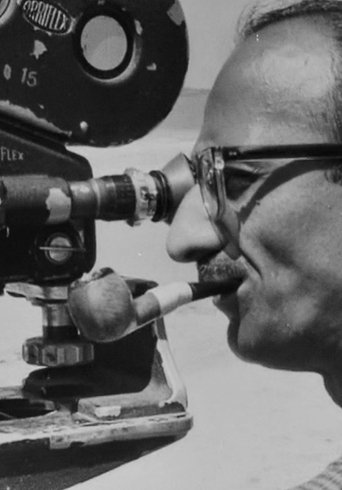
An impressionistic and dissonant portrayal of short film making by a short film maker. The views expressed in the film are sometimes bitter, often humorous, at times satirical, but seldom complimentary.
And I Make Short Films
1968
 NR
The film covers the welcome given to Sheikh Mujibur Rahman at Delhi after his release from Pakistan and his return to Dacca.
He is Back
1972