
Acting
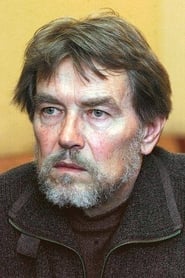
András Kozák
Born — Died
1943-02-23 — 2005-02-24
Place of birth
Vencsellő, Hungary [now Gávavencsellő, Hungary]
Known for
Acting
Credits
47 titles
András Kozák was born on February 23, 1943 in Vencsellö, Hungary. He was an actor, known for Kisváros (1993), Rejtekhely (1979) and My Way Home (1965). He was married to Andrea Drahota. He died on February 24, 2005 in Budapest, Hungary
Known for
 6.8
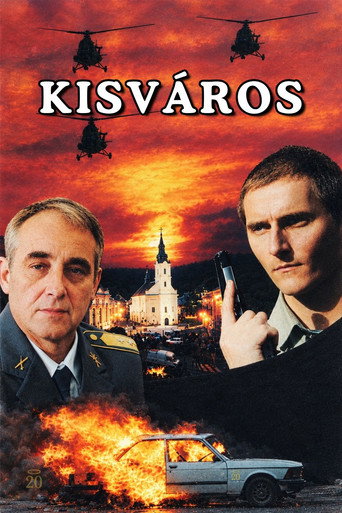
6.8A Kisváros egy színes, 195 részes magyar akciófilm-sorozat, ami 1993–2001 között futott a Magyar Televízióban. A történet középpontjában egy, a valóságban nem létező határmenti kisváros, Végvár áll. Ebbe a városba érkezik Hunyadi főtörzs, hogy a Határőrség akciószázadát kiképezze. A sorozat a rendőrség és a határőrség határmenti bűncselekmények ügyében való nyomozások terén történő együttműködését mutatja be, minden epizód egy-egy önálló történet, a kiemelt főszereplőkké később Járai rendőr őrnagy és beosztottja, Balogh Máté zászlós válnak. A sorozat jeleneteinek jelentős részét Szigetváron, valamint a bucsui és a bozsoki határátkelőnél forgatták. A sorozatot az MTV-n kívül 2002 táján a Hálózat TV is vetítette, a teljes sorozatot az m1 2007. június 8. és 2008. március 31. között ismételte, 2009. június 1. és szeptember 18. között ismét leadta, de akkor csak a 21. résztől a 157. részig a 156/I-II. rész kihagyásával, 2011. szeptember 5. és szeptember 30. között ismét leadta, de csak az 1. résztől a 25. részig, 2011. október 3-tól 2012. június 1-ig a Duna Televízió folytatta a sorozat ismétlését a 21. résztől a 195. részig, majd 2012. június 11. és 2013. február 11. között a Duna World is műsorra tűzte, szintén a 21. résztől a 195. részig. 2013. január 4. és március 8. között péntekenként a hajnali órákban az m2 is műsorra tűzte a sorozatot, de csak a 21. résztől a 30. részig adta le. 2013. június 17-től ismét műsorra tűzte a Duna Televízió a 21. résztől.
Kisváros
1993
 7.2
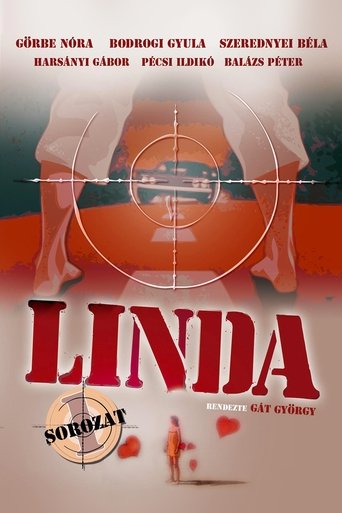
7.2Adventures of Linda, the young detective.
Linda
1984
 8.5
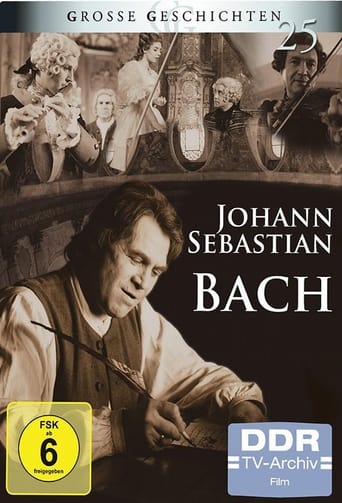
8.5The series begins with a story from 1717: At the court of Augustus the Strong in Dresden, the French organ virtuoso Louis Marchand was said to have passed away. Convinced of his “unique” abilities, he announced a music competition. Bach was the only competitor to enter.
Johann Sebastian Bach
1985
 NR
NRNo synopsis available yet.
És mégis mozog a föld
1973
The scene is Ukraine. In 1943, after the Hungarian' defeat at the river Don, soldier Balogh decides to visit his family.
Blindfold
1974
 7.0
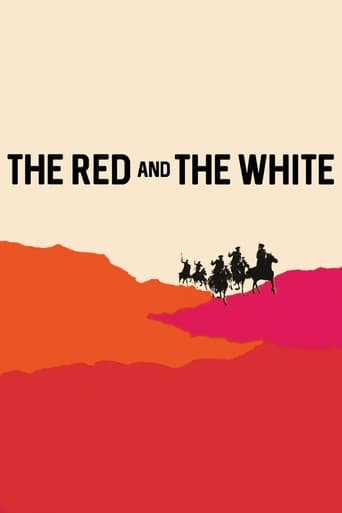
7.0In 1919, Hungarian Communists aid the Bolsheviks' defeat of Czarists, the Whites. Near the Volga, a monastery and a field hospital are held by one side and then the other.
The Red and the White
1967
Film credits
1990s · 5 titles
Leaving his family behind after a conflict with his colleagues, a leading editor at Hungary's state television network travels alone to his country house in the Badacsony region, and reflects on his past, his guilt and the old compromises.
After All
1991
 7.6
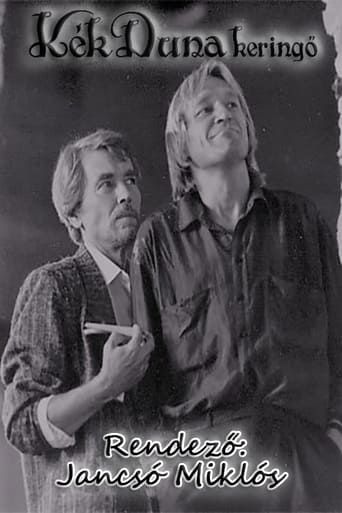
7.6When Hungary's newest prime minister is shot and killed at a reception, the resulting investigation is necessarily swift and comprehensive. This compelling political thriller uncovers two prime suspects: the woman who guns the leader down, and a man who was friends with both the prime minister and his murderer. Using video surveillance footage, as well as other more artful and symbolic imagery, the noted "visualist" director Miklos Jancso, who is known for his craft in getting his points across non-verbally, combines fantasy and reality in a highly ironic manner.
The Blue Danube Waltz
1992
 4.7
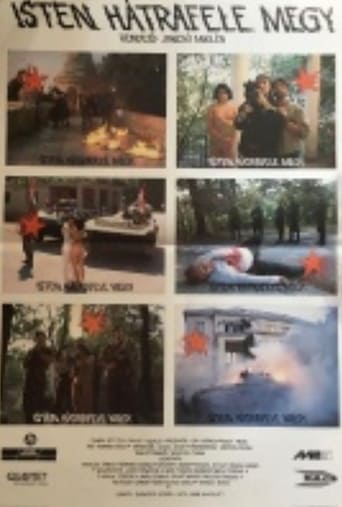
4.7From the film-shooting in the Buda Castle Marci and his friend go to a well-paying job. The scene is a big castle in the middle of a huge park. They enjoy the company of the Kid and the beautiful naked French girl, Nathalie. Their job is to watch the monitors on which they can see the Moscow coup détat. By the time Gorbachev is executed the Communist and the Nationalists have taken turns in occupying the castle and the park.
God Walks Backwards
1991
The TV drama follows the life of Bishop Gellért. The Venetian-born abbot came to Hungary and soon found himself in the inner circles of the royal court, becoming tutor to the young Prince Imre. Gellert was elevated to the episcopate by St Stephen in 1030. He had a cathedral and monastery built in Csanád. After the death of the king, he tried to preserve the spiritual values of the Hungarians. In 1046, he was captured by rebellious pagans and thrown into the Danube from the Kelen hill.
Szent Gellért legendája
1994
No synopsis available yet.
Elmondták-e...?
1996
1980s · 8 titles
 8.0
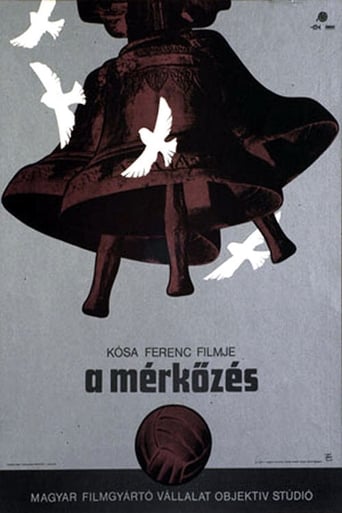
8.0Summer of 1956. In the small town in the Hungarian country-side, during the time the chief of police spends in a course in Budapest, Rigó Dezső is the boss with full powers. He is fighting tooth and nail to help the local football-team stay in the second national selection. During one of the matches, he beats the referee to death.
The Match
1981
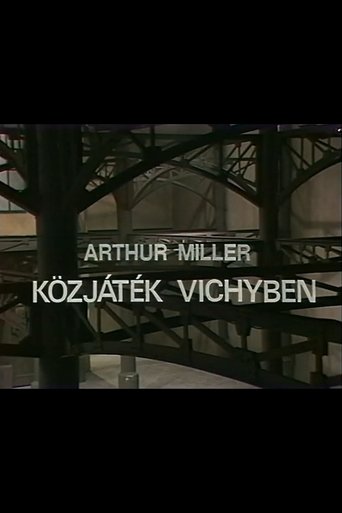 10.0
10.0In the streets of Vichy, France, during World War II, the Germans apprehend nine men and a boy. Among them are a painter, a businessman, an electrician, a waiter, an army doctor, an actor, a prince, a gypsy, and a Jew. Confined without explanation, they can only speculate about their fate.
Incident at Vichy
1981
Based on Jonathan Swift's 'Gulliver's Travels', this Hungarian tv-movie is the adaptation of Part Two (Gulliver in Brobdingnag).
Gulliver in the Country of Giants
1980
 10.0
10.0No synopsis available yet.
A fekete kolostor
1986
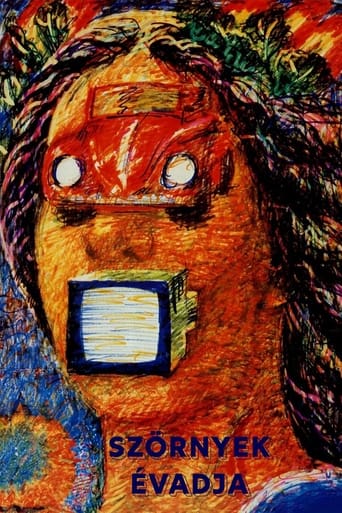 5.5
5.5Zoltai is a Hungarian professor who returns home after a visit to the United States. Following a television interview, he commits suicide and leaves a note for his longtime friend Dr. Bardocz. The doctor and Zoltai's colleague Komindi join the police in investigating what drove the man to suicide.
Season of Monsters
1987
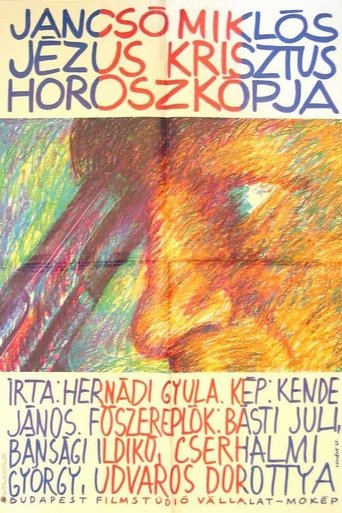 6.5
6.5A focus on the tormented lives of intellectuals who failed to protest recent troubles in their homeland. Jancsó emphasizes highly evocative and ambiguous imagery over dialog or exposition as he – through visually fascinating imagery – depicts the painful, stunted lives of Hungary's intellectuals who have remained silent and ineffectual during various political crises.
Jesus Christ's Horoscope
1989
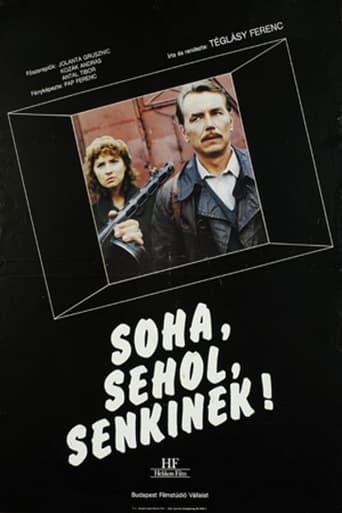 8.2
8.2Vendel Imre is a driver, his wife is expecting a baby, they have two sons. Before 1945 Vendel was a military officer. In 1951 they receive a letter from the Ministry of Interior: they will be transported to a forced domicile, allowed to take 50 kg personal belongings per person with them.
Never, Nowhere, To No-One
1988
No synopsis available yet.
Tizenötezer pengő jutalom
1986
1970s · 15 titles
The scene is Ukraine. In 1943, after the Hungarian' defeat at the river Don, soldier Balogh decides to visit his family.
Blindfold
1974
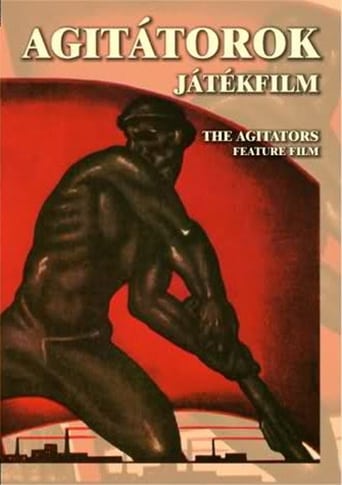 6.8
6.8After the World War I, enthusiastic young people found the intellectual group of Hungarian Communist Party. Their aim is to propagate the communist ideology to the people and get the workers on their side. They have fierce discussions on the new ideas, though their movement is not very successful. They clash with their opposition, attempt to lead people to the Red Army, but without success.
The Agitators
1971
 NR
NRNo synopsis available yet.
Diagnózis
1972
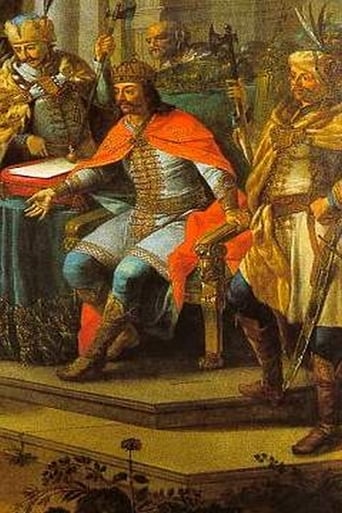 7.0
7.0Hungarian TV movie about King Béla III of Hungary
III. Béla
1974
 9.0
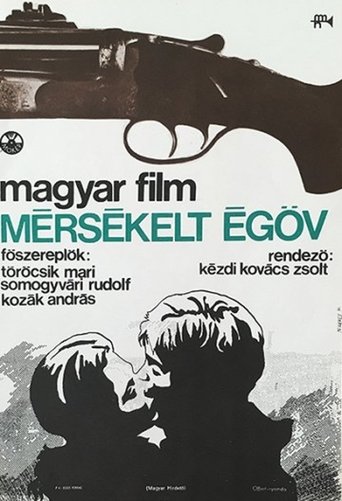
9.0Kalán Imre, the district doctor lives in a small village surrounded by mountains. One day he is visited by two young relatives of his and their friend, a doctor at the beginning of his career. The name of the doctor is Király András, and he happens to be the great love of Kalán's young wife from her unmarried years. The orthodox Stalinist Kalán's entire life is filled with his great passion, hunting. The suffocating, narrow lives of the prominent people in the area are slowly revealed to András.
Temperate Zone
1970
 5.0
5.0Allegory of the suppression of the 1919 revolution and the advent of fascism in Hungary; in the countryside, a unit of the revolutionary army spares the life of father Vargha, a fanatical priest. He comes back and leads massacres. A new force, represented by Feher, apparently avenges the people, but only to impose a different, more refined and effective kind of repression.
Agnus Dei
1971
 8.0
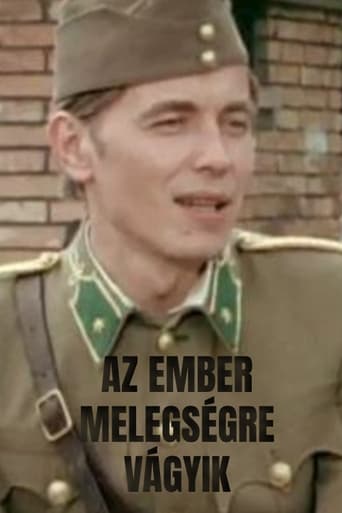
8.0No synopsis available yet.
Az ember melegségre vágyik
1973
The film evokes the era of the 1831 cholera epidemic and the peasant uprising which followed it. The way of Doctor Balás, cholera commissioner, and district administrator Hunyor leads through the mountains of Zemplén and is lined by unburied corpses, peasants dying of the illness and of overdoses of bismuth, by the miserably starving population, the healthy digging mass-graves and by uncultivated lands.
Epidemic
1975
 NR
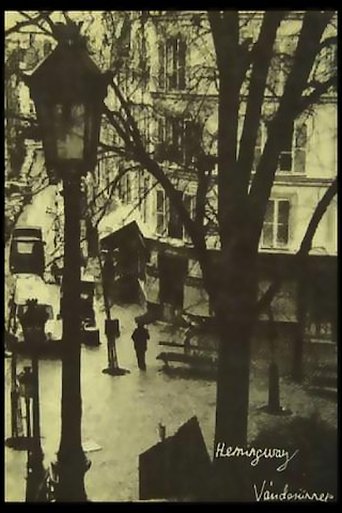
NRWith this 32-minute short film, based on Ernest Hemingway's posthumously published book A Moveable Feast, György Fehér commemorated the author, who died 75 years ago. In the film, Tamás Cseh - one of his earliest film appearances - sings live the lyrics of the song, which are only sung in this film. This was the first time György Fehér and he worked together.
Vándorünnep – Emlékezés Hemingway-re
1974
 6.7
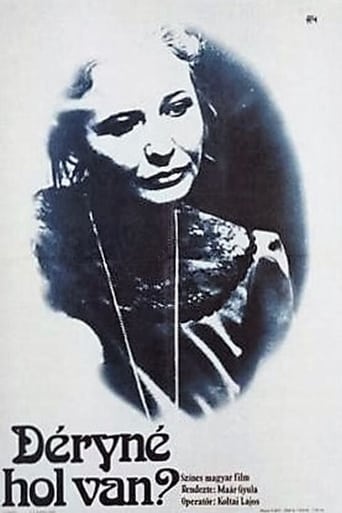
6.7Dery is a grande dame actress of the Sarah Bernhardt school of big-gesture theater. Her beauty and popularity is fading, and a new school of acting which involves the use of one's own emotions (a-la Eleanora Duse) is emerging in the person of her younger Viennese rival. She thinks of retiring from the stage, and reunites briefly with her estranged husband in a newly-built manor in the country. Finding that life there is boring, she returns to town, the theater, and her old friends.
Mrs. Dery Where Are You?
1975
 9.0
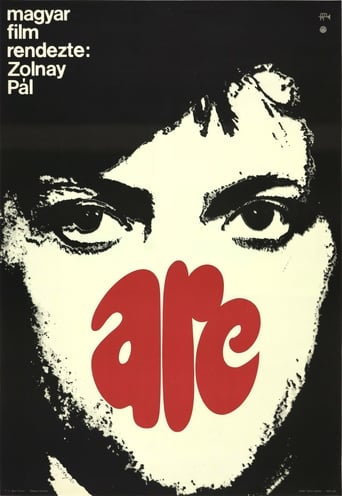
9.0The film take place in Budapest, in the end of The World War II, telling the story of a young Communist who escaped from prison. The boy tries to revitalise his contact with the movement, but he is told to be quiet and wait.
The Face
1970
 1.0
1.0Bela Frankl, a young Hungarian, is taken prisoner by Russia during the First World War, defects to the side of the revolution and some time later, under the pseudonym Mate Zalka, becomes a famous Soviet writer. In 1936, having arrived as a volunteer in Spain, he becomes General Lukacs, forms the 12th International Brigade of non-professional fighters and takes the first heavy battles with Franco's cadre formations...
Fedneve: Lukács
1977
 6.0
6.0No synopsis available yet.
A zebegényiek
1979
 NR
NRNo synopsis available yet.
Cseresznyéskert
1979
 3.7
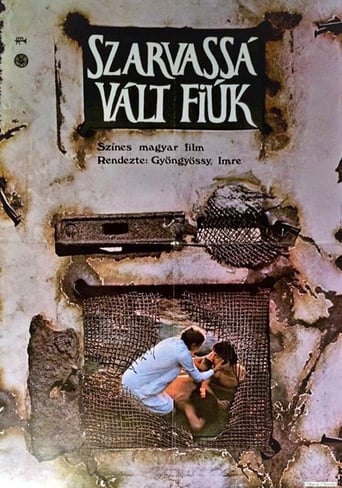
3.7This poetic film presents the ballad of the boys who turned into stags, by the associative means of music, painting and folk art. At the same time it is a memorial to the martyrs of the 1944 Sátoraljaújhely prison revolt and shows its butchery reflected through the fate of three brothers.
Sons of Fire
1973
1960s · 14 titles
7.0In 1919, Hungarian Communists aid the Bolsheviks' defeat of Czarists, the Whites. Near the Volga, a monastery and a field hospital are held by one side and then the other.
The Red and the White
1967
 6.9
6.9A group of students cope with the disappearance of their friend.
Current
1964
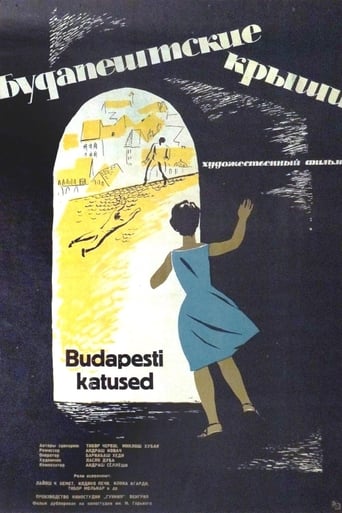 10.0
10.0Gráci has been recently released from a reformatory school. His old gang would like to involve him in a new action, but he hesitates. His past record is bad enough already, and he would not like to get into new trouble.
On the Roofs of Budapest
1961
 NR
NRNo synopsis available yet.
Sárga rózsa
1969
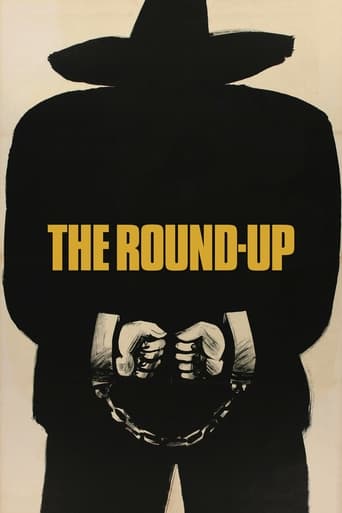 7.2
7.2After the failure of the Kossuth's revolution of 1848, people suspected of supporting the revolution are sent to prison camps. Years later, partisans led by outlaw Sándor Rózsa still run rampant. Although the authorities do not know the identities of the partisans, they round up suspects and try to root them out by any means necessary.
The Round-Up
1966
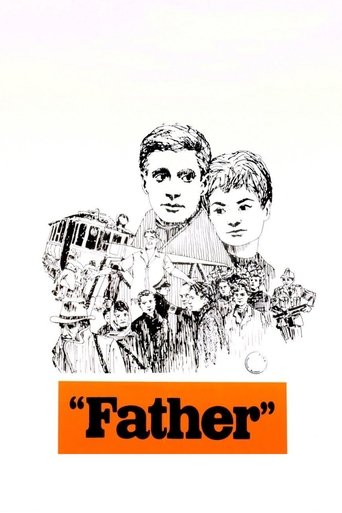 6.7
6.7When young Tako's father dies in Hungary in 1945, Tako is left with scant memories of him. Nurtured by his mother, the boy fantasizes about the man his father was, imagining him a hero. Grown into a man himself, Tako falls for a Jewish refugee, Anni. Burdened by her own heritage as a Jew, Anni sparks in Tako a desire to find out what his father was really like, and he delves into the role his father played in World War II.
Father
1966
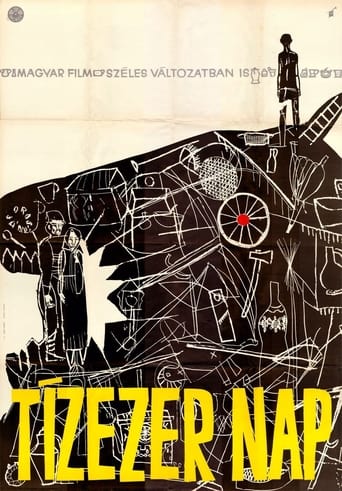 6.1
6.1The changing and turbulent history of Hungary is seen through the eyes of three men over a 30-year period in this somber drama. The three recall the highlights of their lives in flashbacks as they reminisce in the mid 1960s. The venerable trio begin their story in the 1930s, through World War II, and the decade beyond the communist invasion of 1956.
Ten Thousand Days
1967
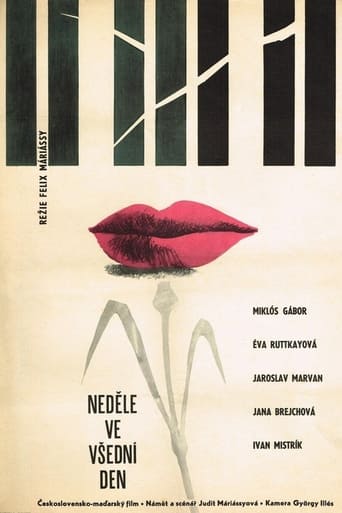 7.0
7.0Jirka is a composer, his wife, Jana, a pianist. Jana would like to have an own concert, but so far she has only been selected to accompany Valenta during his concerts in Budapest. After some resentments, she accepts the proposal.
Every Day - Sunday
1962
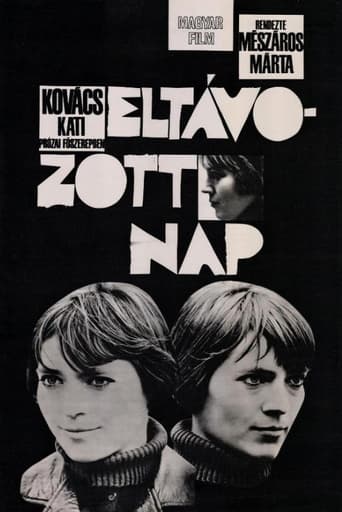 6.5
6.5On receiving a letter from her mother, a quiet working-class girl leaves the state orphanage in Budapest where she grew up and takes a trip to the rural countryside to visit her.
The Girl
1968
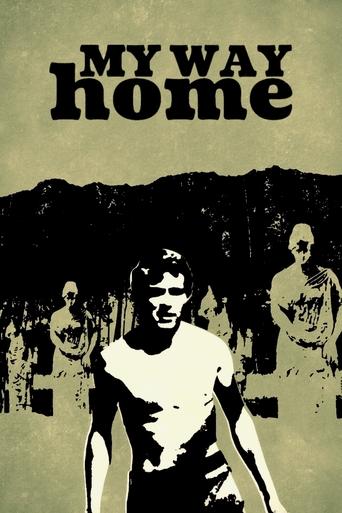 7.1
7.1In the aftermath of World War II, a Hungarian teenager, captured by Soviet troops, forms an unlikely bond with a Russian soldier in a remote prison camp.
My Way Home
1965
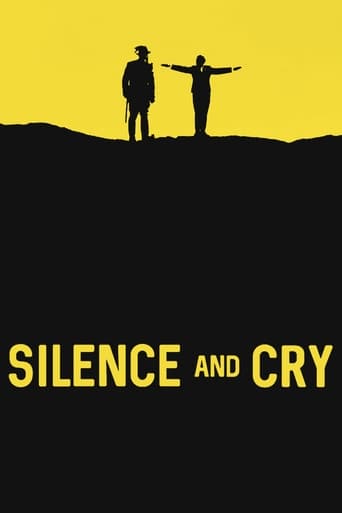 7.0
7.0Set during a turbulent era of disquiet, fear, persecution and terror, which permeates every corner of post-WWI Hungarian society. In 1919, after just a few months of communist rule the Hungarian Republic of Councils falls victim to a nationalist counter-revolution. Admiral Horthy, leader of the nationalist far right movement, becomes the self-proclaimed regent of Hungary, and assumes power as the legal Head of State. Soldiers of the short-lived Hungarian Red Army are now on the run from relentless secret policemen and patrol units of the nationalist Royal Gendarme. If caught, ex-Red Army soldiers are executed without mercy or proper trial. István Cserzi, a former soldier of the Red Army has fled to the Great Hungarian Plains and has taken refuge on a farm, which is run by two sympathetic women.
Silence and Cry
1968
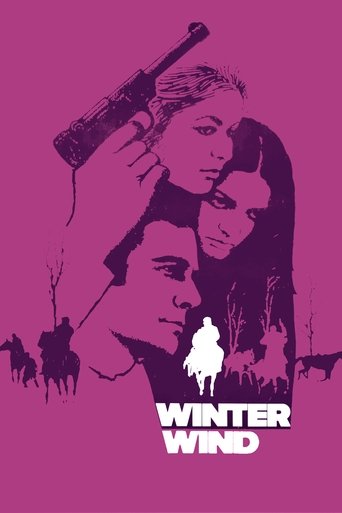 7.1
7.1Croatian anarchists collaborate with Hungarians to make a bid for the life of King Alexander of Yugoslavia.
Winter Wind
1969
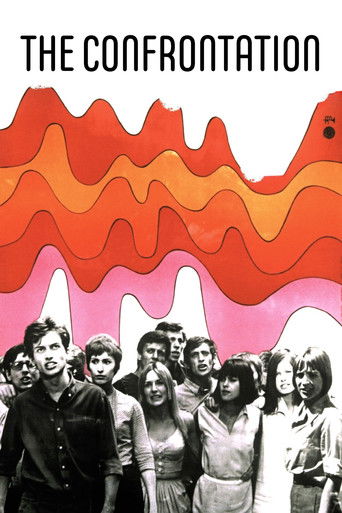 6.5
6.5In post-WWII Hungary, a group of Communist college students arrive at a Catholic seminary hoping to engage in peaceful debate with its students.
The Confrontation
1969
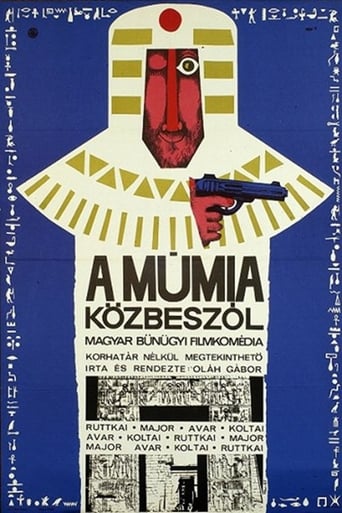 8.0
8.0No synopsis available yet.
A múmia közbeszól
1967
Series credits
6.8A Kisváros egy színes, 195 részes magyar akciófilm-sorozat, ami 1993–2001 között futott a Magyar Televízióban. A történet középpontjában egy, a valóságban nem létező határmenti kisváros, Végvár áll. Ebbe a városba érkezik Hunyadi főtörzs, hogy a Határőrség akciószázadát kiképezze. A sorozat a rendőrség és a határőrség határmenti bűncselekmények ügyében való nyomozások terén történő együttműködését mutatja be, minden epizód egy-egy önálló történet, a kiemelt főszereplőkké később Járai rendőr őrnagy és beosztottja, Balogh Máté zászlós válnak. A sorozat jeleneteinek jelentős részét Szigetváron, valamint a bucsui és a bozsoki határátkelőnél forgatták. A sorozatot az MTV-n kívül 2002 táján a Hálózat TV is vetítette, a teljes sorozatot az m1 2007. június 8. és 2008. március 31. között ismételte, 2009. június 1. és szeptember 18. között ismét leadta, de akkor csak a 21. résztől a 157. részig a 156/I-II. rész kihagyásával, 2011. szeptember 5. és szeptember 30. között ismét leadta, de csak az 1. résztől a 25. részig, 2011. október 3-tól 2012. június 1-ig a Duna Televízió folytatta a sorozat ismétlését a 21. résztől a 195. részig, majd 2012. június 11. és 2013. február 11. között a Duna World is műsorra tűzte, szintén a 21. résztől a 195. részig. 2013. január 4. és március 8. között péntekenként a hajnali órákban az m2 is műsorra tűzte a sorozatot, de csak a 21. résztől a 30. részig adta le. 2013. június 17-től ismét műsorra tűzte a Duna Televízió a 21. résztől.
Kisváros
1993
7.2Adventures of Linda, the young detective.
Linda
1984
8.5The series begins with a story from 1717: At the court of Augustus the Strong in Dresden, the French organ virtuoso Louis Marchand was said to have passed away. Convinced of his “unique” abilities, he announced a music competition. Bach was the only competitor to enter.
Johann Sebastian Bach
1985
NRNo synopsis available yet.
És mégis mozog a föld
1973
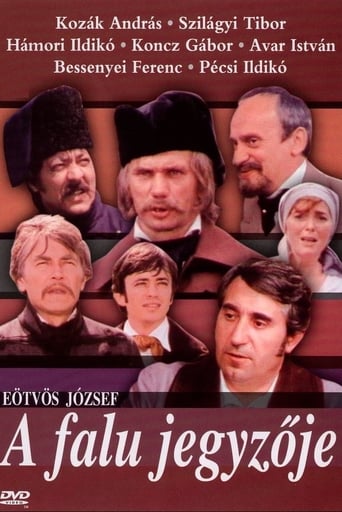 10.0
10.0No synopsis available yet.
A falu jegyzője
1986