
Acting
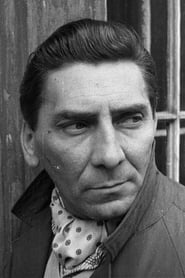
Tibor Molnár
Born — Died
1921-07-26 — 1982-11-24
Place of birth
Zagyvapálfalva, Hungary [now in Salgótarján, Hungary]
Known for
Acting
Credits
45 titles
Known for
 7.0
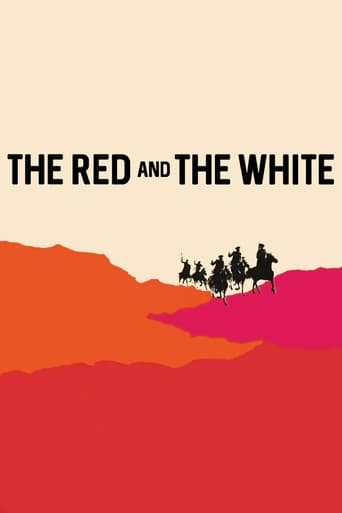
In 1919, Hungarian Communists aid the Bolsheviks' defeat of Czarists, the Whites. Near the Volga, a monastery and a field hospital are held by one side and then the other.
The Red and the White
1967
 7.2
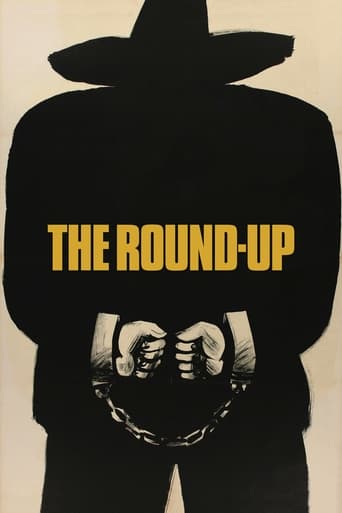
After the failure of the Kossuth's revolution of 1848, people suspected of supporting the revolution are sent to prison camps. Years later, partisans led by outlaw Sándor Rózsa still run rampant. Although the authorities do not know the identities of the partisans, they round up suspects and try to root them out by any means necessary.
The Round-Up
1966
 6.9
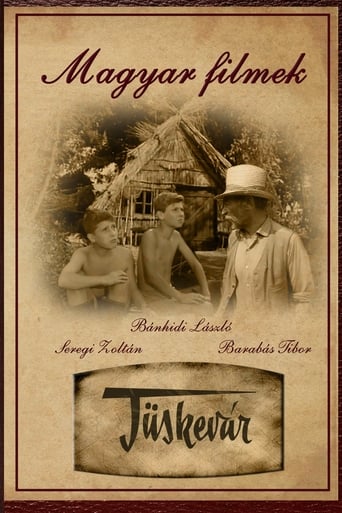
A story about two urban boys, who spend a summer at the romantic Kis-Balaton side with an old field keeper, and gradually change their point of view about their civilized life, and fall in love with the nature.
Thorn Castle
1967
 8.0
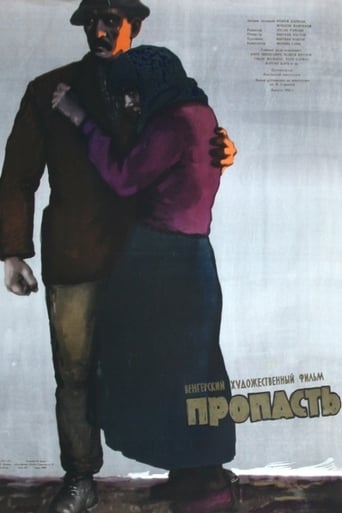
Nagy István, the formerly poor peasant boy returns to his native village as a teacher. His conviction is that the abyss between rich and poor can be diminished by good will. The rich Böröcz Horváth Klári returns his love, and also Böröcz Horváth is willing to help the poorest family, the Bakos. Bakos Jóska, who was sent to serve the tough Böröcz Horváth as a payment, dies of an infected wound and the people in the village hold the teacher liable as well. Nagy István realises, that the abyss cannot be ceased, what is more, it is impassable. He breaks up with his fiancée and stands by the side of the poor.
Abyss
1956
 10.0
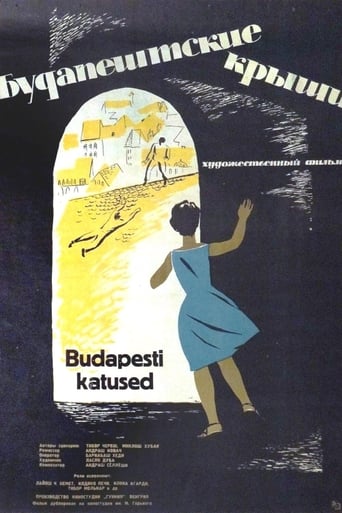
Gráci has been recently released from a reformatory school. His old gang would like to involve him in a new action, but he hesitates. His past record is bad enough already, and he would not like to get into new trouble.
On the Roofs of Budapest
1961
 6.3
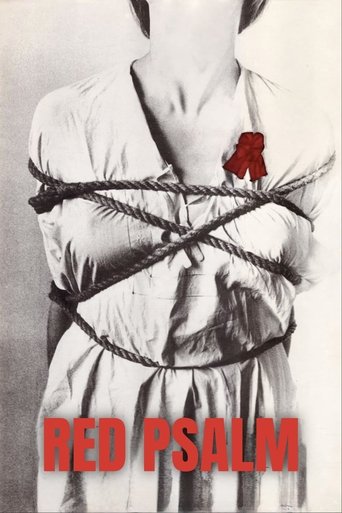
Set in the 1890s on the Hungarian plains, a group of farm workers go on strike in which they face harsh reprisals and the reality of revolt, oppression, morality and violence.
Red Psalm
1972
Film credits
1970s · 3 titles
6.3Set in the 1890s on the Hungarian plains, a group of farm workers go on strike in which they face harsh reprisals and the reality of revolt, oppression, morality and violence.
Red Psalm
1972
 6.6
A group of landless Hungarian peasants accept work as migrant-labourers on a northern German farm where the wages are good, and the wives and family are allowed to accompany them. Though in the midst of WWII, they are relatively well-off. However, as they witness the treatment accorded to POWs and others not so gently regarded, and at the conclusion of the year's harvest, they choose to return to Hungary and are quickly swept up in the tides of war.
Hungarians
1978
 NR
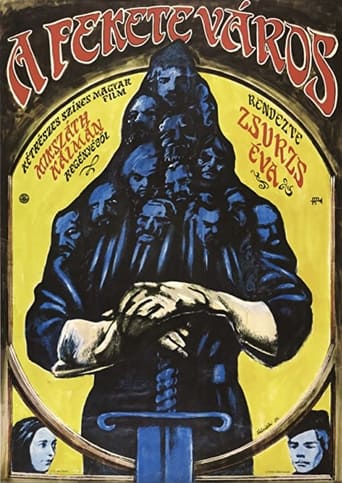
Feature film version of the 1971 series. On the eve of the 18th century, County Vicecomes Görgey Pál broods alone in his manor while the town of Leutschau celebrates New Year’s with lead‐casting omens and a disastrous hunt that sparks a bitter feud. As Görgey fights for his honor and life, and the townspeople defend their Saxon privileges, their mutual blind ambition prevents them from seeing the rising light of Rákóczi’s coming rebellion.
The Black City
1972
1960s · 21 titles
7.0In 1919, Hungarian Communists aid the Bolsheviks' defeat of Czarists, the Whites. Near the Volga, a monastery and a field hospital are held by one side and then the other.
The Red and the White
1967
7.2After the failure of the Kossuth's revolution of 1848, people suspected of supporting the revolution are sent to prison camps. Years later, partisans led by outlaw Sándor Rózsa still run rampant. Although the authorities do not know the identities of the partisans, they round up suspects and try to root them out by any means necessary.
The Round-Up
1966
10.0Gráci has been recently released from a reformatory school. His old gang would like to involve him in a new action, but he hesitates. His past record is bad enough already, and he would not like to get into new trouble.
On the Roofs of Budapest
1961
 NR
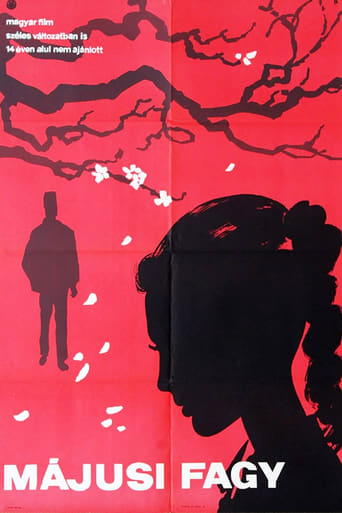
The movie tells about the relationship between young people who love each other. Young Mishka's family works on a construction site in Budapest, and on weekends they come home to their village on the Great Plain to relax and have fun. It is here that the young man meets Klari. He learns that Klari is his fellow villager, although she also works in Budapest. They arrange to meet the following weekend. Mishka is truly in love. Clarie is too, but she doesn't dare to admit to him that she has been unfaithful.
Májusi fagy
1962
 8.8
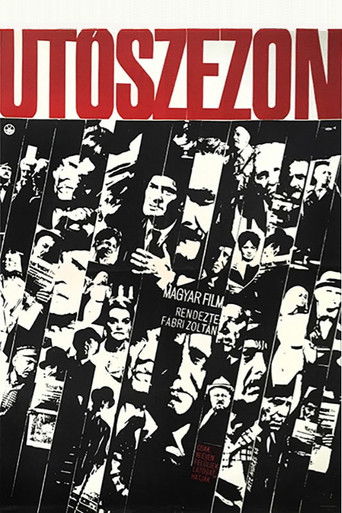
Against the backdrop of the Adolph Eichmann trials, an elderly paraplegic pharmacist is summoned to the police station, where he believes that his hidden wartime guilt has caught up with him, unaware that it is all in fact an elaborate practical joke.
Late Season
1967
 8.0
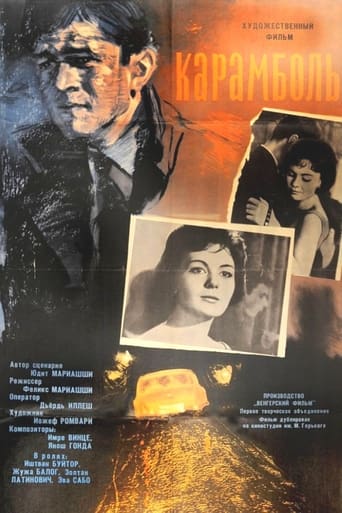
Terpinkó, the bragging man of muscle likes womanising linked with betting: conquering is a great fun for him. He bet one to a hundred on his new boss, Éva. But the wife of the engineer handles all his tricks with annoying benevolence. Terpinkó falls in love with her and therefore he cannot stand her not returning his feelings.
Collision
1964
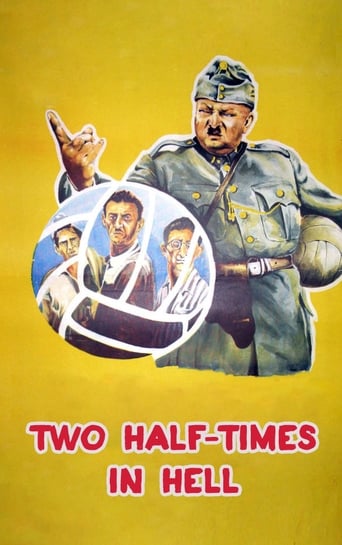 7.7
To celebrate Hitler's birthday, a soccer match is organised between the Germans and a group of Hungarian political prisoners, one of whom is a famous pre-war football star.
Two Half-Times in Hell
1961
 NR
The film version of the hit TV film series recreates the Kuruc-Labanc skirmishes. On the orders of the Kuruc brigadier Ádám Balogh of Béri, the cunning Eke Máté collects the poor. They set out from their farmhouse in Tenkeshegy Castle to raid against the Laban, crushing the Siklós Laban colonel's nose in the process, and then take the castle. Máté continues the fight against the Labanc as the Kuruc captain of the Siklós castle.
A Tenkes kapitánya
1965
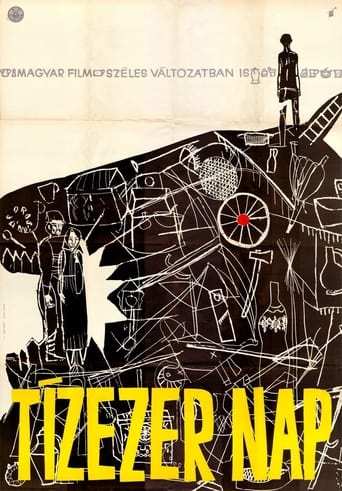 6.1
The changing and turbulent history of Hungary is seen through the eyes of three men over a 30-year period in this somber drama. The three recall the highlights of their lives in flashbacks as they reminisce in the mid 1960s. The venerable trio begin their story in the 1930s, through World War II, and the decade beyond the communist invasion of 1956.
Ten Thousand Days
1967
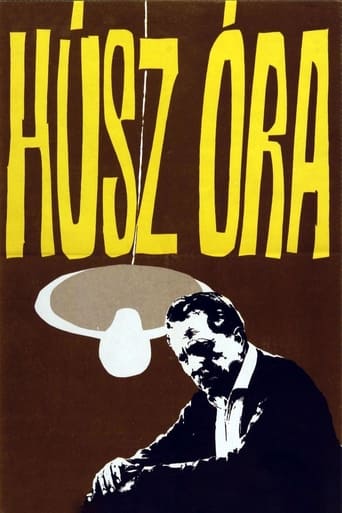 6.2
In 1956, a crusading newspaper reporter covers the Soviet invasion of Hungary. Initially critical of the communists, the feature later espouses the virtues of social changes implemented since the invasion.
Twenty Hours
1965
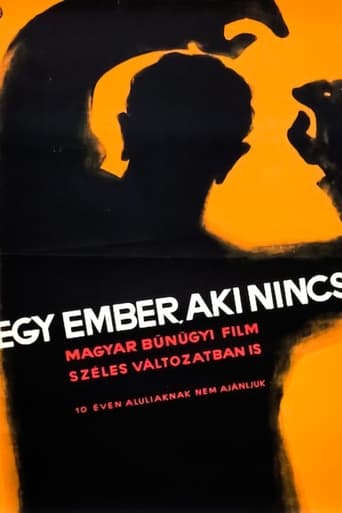 10.0
During a mining accident, the police arrest the sole survivor on suspicion of murder, whose pickaxe is stained with the blood of one of the victims. The investigation reveals that the identity card found on the victim belongs to another person, that the collapse was deliberate and that the miner believed to be the victim has escaped.
Egy ember, aki nincs
1964
 7.0
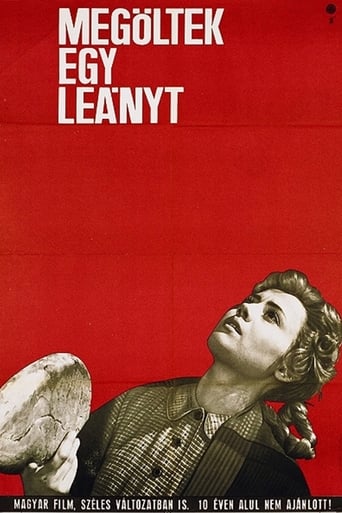
During World War I, an ancient feud divides the industrial area in the county of Nógrád. The workers of the steal factory start a strike, but the miners do not support their cause. Sanyi from the steal factory and Ilonka from the mining community fall in love with each other, but can only meet secretly. When the boy dances with the girl in the pub of the miners, he is recognised and knocked down.
A Girl Was Killed
1961
 6.7
An aspiring film student is denied a scholarship to the state-funded university when his father is thrown in jail. The man had stopped a train in order to facilitate the union between two old friends. The son then takes a job as a land surveyor and meets a Greek man who works towards the collective benefits of the peasants. The man is killed in a peasant uprising prompted by a bureaucratic boondoggle. The surveyor looks after the man's widow as his emerging political and social awareness leads him take a stand against government injustice. Another incident, in which gypsies are rounded up by state hygiene workers, further galvanizes the man's beliefs. He photographs the incident, and his work allows him to be accepted into the school from which he was previously denied admission.
The Upthrown Stone
1969
 7.0
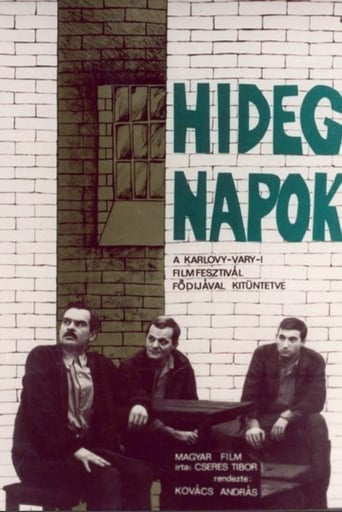
Andras Kovacs' film, considered one of the most important Hungarian films of the 1960s, centers around four men who await trial for their involvement in the massacre of several thousand Jewish and Serbian people of Novi Sad in 1942. Each denies any responsibility, claiming that they were only following orders. The film is significant for its willingness to address the subject of Hungary's role in WWII, which was taboo at the time of the its release.
Cold Days
1966
 8.0
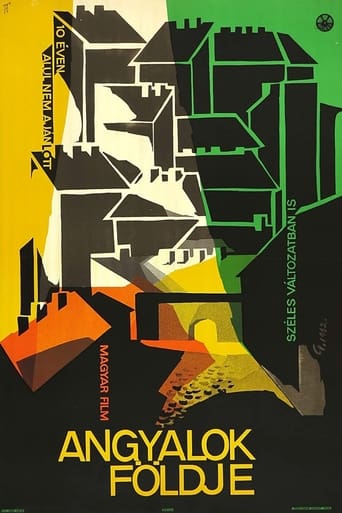
The film is a ballad about the dwellers of a block-of-flats in Angyalföld.
The Land of Angels
1962
 8.0
Sándor is loved by his wife, but they cannot have children. He is already tired of his marriage.
Stolen Happiness
1962
 7.1
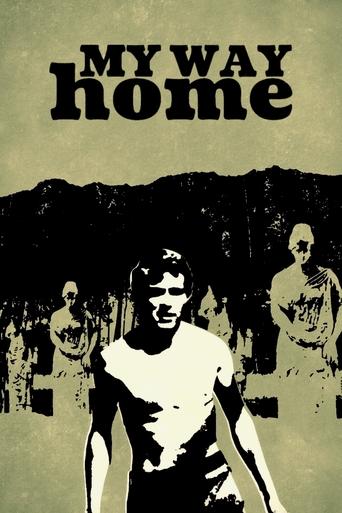
In the aftermath of World War II, a Hungarian teenager, captured by Soviet troops, forms an unlikely bond with a Russian soldier in a remote prison camp.
My Way Home
1965
 7.2
A priest who has been set free from prison recently joins a spy organization.
Haber's Photo Shop
1963
Five deserters hide in a village inhabited only by women.
The Valley
1968
 9.0
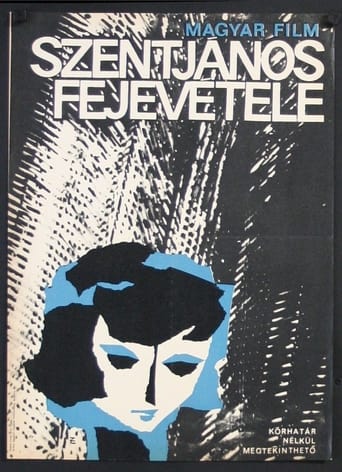
Story of a young teacher starting to work in rural Hungary
The Martyrdom of St. John
1966
 6.0
Bene, tired of the professional battles of engineers and trying to escape a ship-wrecked marriage, asks to be transferred to the country. The gravest problem of the sandy region in Nagyalföld (Great Hungarian Plain) is the shortage of water. The tireless director of the local state farm asks for Bene's support, but the disillusioned man refuses him.
The Fanatics
1962
1950s · 14 titles
8.0Nagy István, the formerly poor peasant boy returns to his native village as a teacher. His conviction is that the abyss between rich and poor can be diminished by good will. The rich Böröcz Horváth Klári returns his love, and also Böröcz Horváth is willing to help the poorest family, the Bakos. Bakos Jóska, who was sent to serve the tough Böröcz Horváth as a payment, dies of an infected wound and the people in the village hold the teacher liable as well. Nagy István realises, that the abyss cannot be ceased, what is more, it is impassable. He breaks up with his fiancée and stands by the side of the poor.
Abyss
1956
 6.6
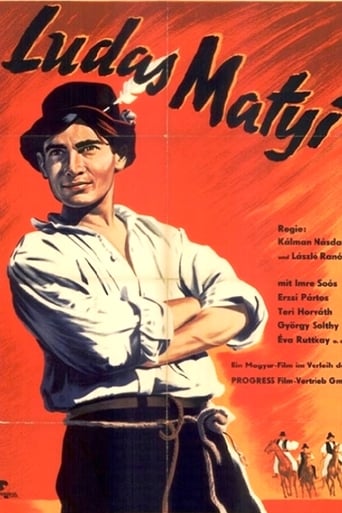
A young peasant boy stands up to tyranny, aided by his trusting friend- a goose.
Goose Boy
1950
 7.0
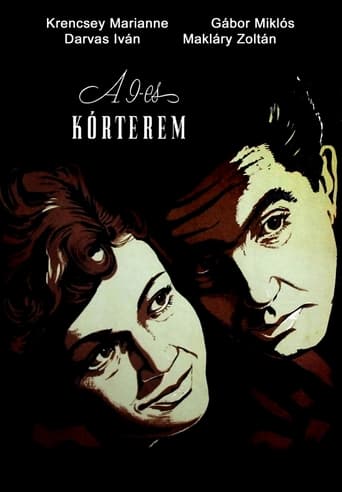
The young worker Tóth Gáspár gets into hospital with stomachache. During the night his state is worsening. The doctor on duty, Málnási does not attend the patient despite the call of the nurse, for he spends the night with nurse Margó.
Ward No. 9
1955
 7.5
Short drama-documentary showing the first day in England of a Hungarian refugee.
Refuge England
1959
 6.0
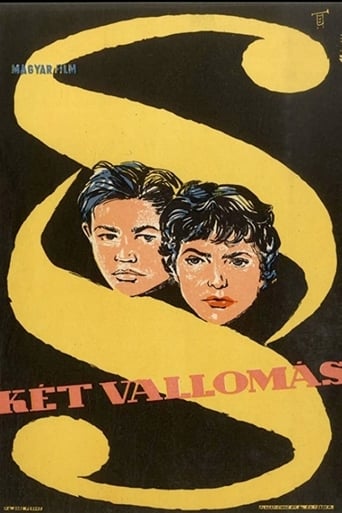
This easy-to-take Hungarian drama is also known as Two Wishes. The prinicipal characters are a pair of juvenile delinquents, who may still be redeemable. The sullen duo is befriended by a kindly police inspector, who takes it upon himself to straighten out the boys. What follows cannot be termed surprsingly or innovative, though it is immensely satisfying. Of interest is the fact that a Communist-bloc film would admit to a delinquency problem in the so-called Worker's Paradise. Ket Vallomas was the Hungarian entry in the 1957 Cannes Film Festival.
Two Confessions
1957
 7.5
Varsa engineer receives the Kossuth award for his excellent work. His career once began at the family enterprise of his wife, so the woman invites her relatives for a dinner party.
Gala Dinner
1956
 10.0
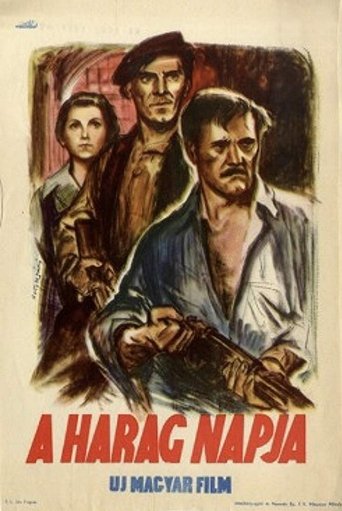
In May 1919 in a small rural town beside Salgótarján the local high society wants to get the power back with the leadership of dr. Máriáss, exploiting the outside attack launched against the Republic of Councils.
The Day of Wrath
1953
 9.0
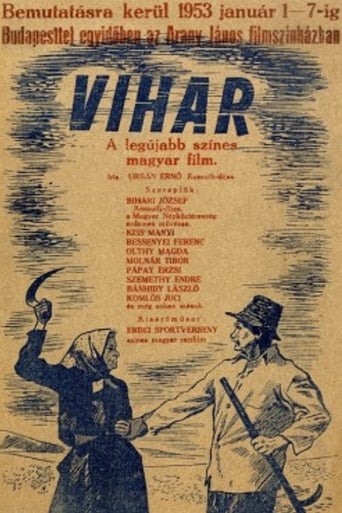
Vörös Hajnal (Red Dawn), a co-operative is the venue of skylarking, while the storm destroys the wheat which is to be harvested soon. Árendás, a middle-peasant, voices severe accusations against members of the co-operative: out of negligence, they failed to keep the ditches clean. It is always the soft option they seem to favour, while the necessity of properly taking care of the farmlands is long-forgotten. Members of the co-operative and the village people are deeply divided.
The Storm
1952
 8.0
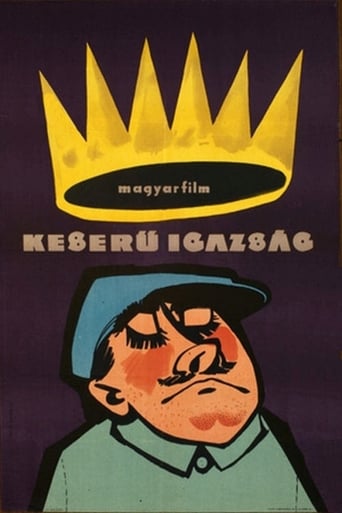
Sztankó János, the freshly appointed director of a company that builds agricultural factories meets his former classmate, Palócz. Palócz is just released from the prison where he got on made-up charges. Sztankó suddenly decides to employ the engineer since he wants to show up spectacular, quick results.
The Bitter Truth
1956
 10.0
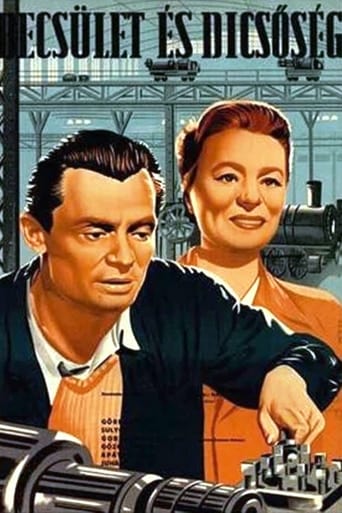
Lugosi works in the locomotive factory, earning little. He does not feel at ease in the world. One reason for his discontent is that his wife - a tractor factory worker - earns more than he does, and another is that she has even had her innovation accepted, while his has not. And because trouble doesn't come alone, poor Lugosi gets involved in a sabotage case.
Honour and Glory
1951
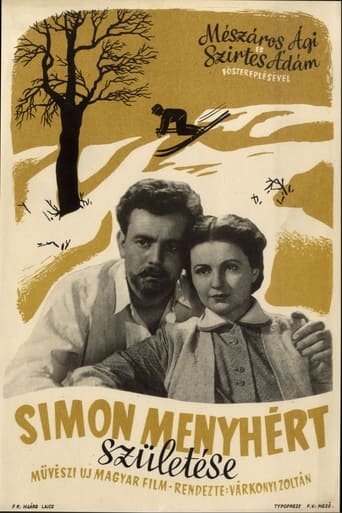 8.0
Every member of a small community in the snow-capped Bükk Mountains is trying to help the doctor get to István Simon forester's house where his wife is about to give birth to their first child.
The Birth of Menyhért Simon
1954
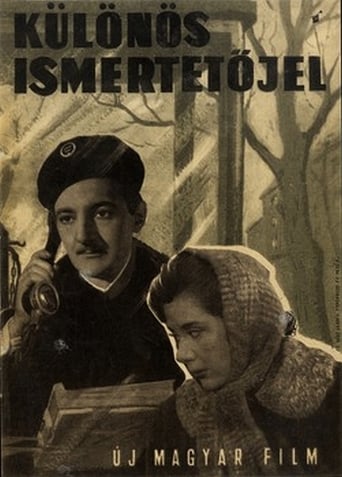 10.0
Imre, secretary of the illegal communist party arrives in Budapest secretly in 1942, in order to start the newspaper of the party in the fight against war. Not even his own mother can see him.
A Strange Mark of Identity
1955
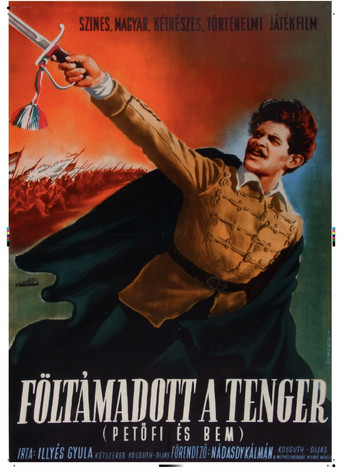 6.0
March 15, 1848; the revolution breaks out in the town of Pest. Yet at café Pilvax, in among he revolutionary youth, there is the informer of the imperial court as well. Hearing the news of the attack led by Jellasics, the inhabitants of the villages pour into the national army, and Hajdú Gyurka also escapes from his landlord. Petőfi is there at the camp of the revolutionaries, raising them to enthusiasm with his poetry.
The Sea has Risen
1953
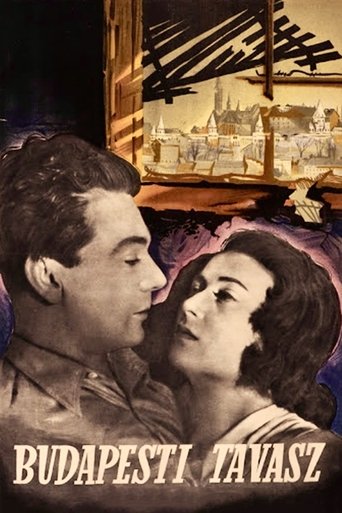 7.5
At Christmas Eve in 1944 the runaway Pintér and Gozsó get through the Soviet blockade around Budapest. Pintér intends to hide in a flat abandoned by his own relatives, but he finds his relatives called the Turnovszkys, who are hiding the Jewish Jutka as well. Love unfolds between Zoltán and Jutka.
Springtime in Budapest
1955
1940s · 3 titles
 10.0
The first Hungarian spy film ripped the mask off those ministerial officials who, having sold out to foreign agents, sabotaged the rebuilding of Hungarian factories and plants destroyed by the war. In the film, spies and saboteurs with wallets full of dollars and pistols in their hands set fire to Hungarian factories. The former ruling class was reluctant to give up its place in life and had to be fought to the death.
Tüz
1948
 6.3
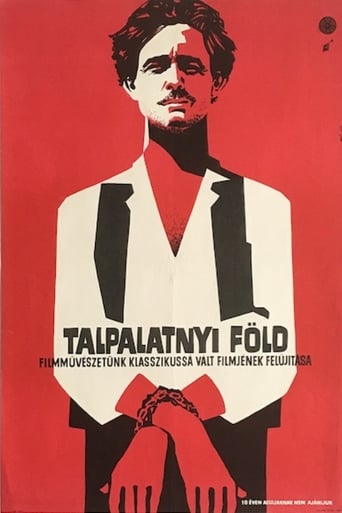
In 1905 Hungary, a young village woman has just undergone a marriage to the spoiled son of a man to whom her father is indebted, in order that the debt be cancelled, only to be spirited away by her true love, a young peasant, by whom she soon becomes pregnant. Together they attempt to find a way to buy up her father's debt and also pay for a divorce from her husband, against various odds.
The Soil Under Your Feet
1948
 8.0
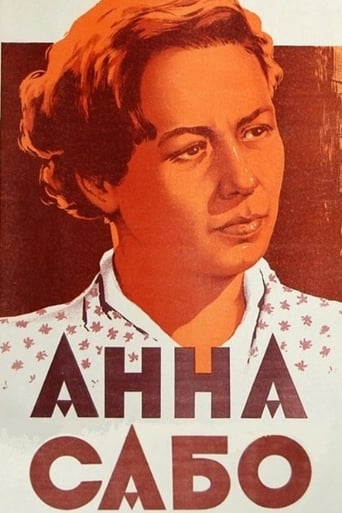
A female worker in Socialist Hungary gains the acceptance of her male colleagues.
Anna Szabó
1949
Undated · 1 titles

Series credits
6.9A story about two urban boys, who spend a summer at the romantic Kis-Balaton side with an old field keeper, and gradually change their point of view about their civilized life, and fall in love with the nature.
Thorn Castle
1967
6.9A story about two urban boys, who spend a summer at the romantic Kis-Balaton side with an old field keeper, and gradually change their point of view about their civilized life, and fall in love with the nature.
Thorn Castle
1967