
Directing
Viktor Gjika
Born — Died
1937-06-23 — 2009-03-03
Place of birth
Korçë, Albania
Known for
Directing
Credits
15 titles
Viktor Gjika was an Albanian director, filmmaker and screenwriter. For his distinguished and remarkable contribution to the cinema, he was awarded the highest title as People's Artist in 1985. He graduated from VKIG Cinematographic Institute of Moscow in Russia. Viktor Gjika (23 June 1937 – 3 March 2009) was an Albanian director, filmmaker and screenwriter. For his distinguished and remarkable contribution to the cinema, he was awarded the highest title as People's Artist in 1985. He graduated from VKIG Cinematographic Institute of Moscow in Russia. Together with a classmate, presenting their academic degree when graduated, they shot the short film Nobody Ever Dies, based on Ernest Hemingwa…
Known for
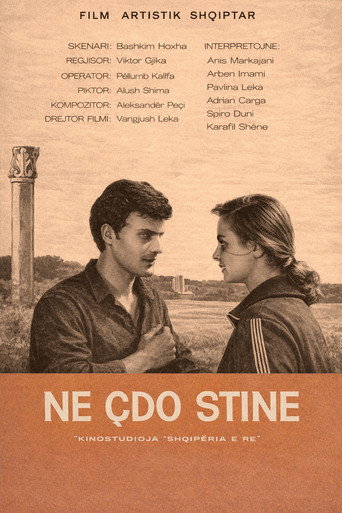 7.5
7.5Zana and Bardhyl are two students in love with each other. Through the spiritual ups and downs of this love the film reveals their dreams and desires, likes and dislikes. With these characters more or less of the same age, which have their differences, the film delineates the portrait of the student youth.
In Every Season
1980
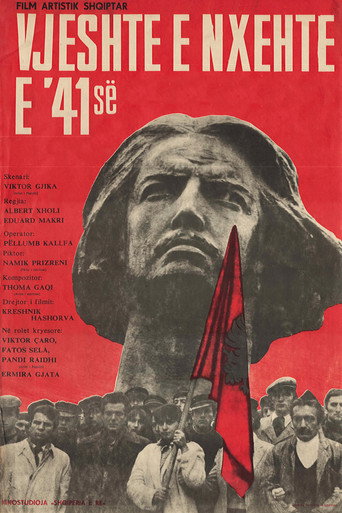 6.5
6.5Film set on the 8th of November 1941, the day the Albanian Communist Party was founded.
Hot Autumn of '41
1985
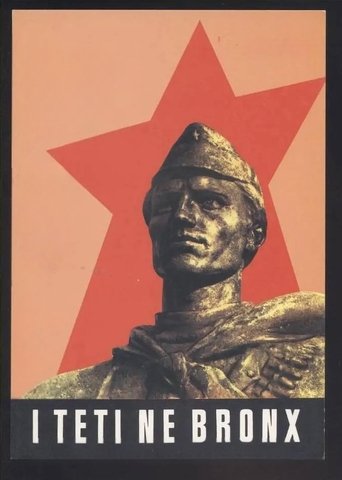 9.0
9.0On the anniversary of the death of Commissioner Ibrahim Kovaçi, six of his war friends are accompanying his statue to his native village, where a ceremony will be held. During the road, each of them remembers moments related to the life of Ibrahim.
The Bronze Bust
1970
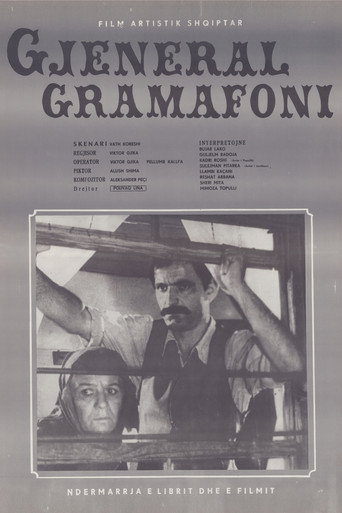 6.8
6.8Halit Berati, a virtuoso clarinet player, is invited by the Italians to record his music, which is to be sold along Italian records.
General Gramophone
1978
 9.0
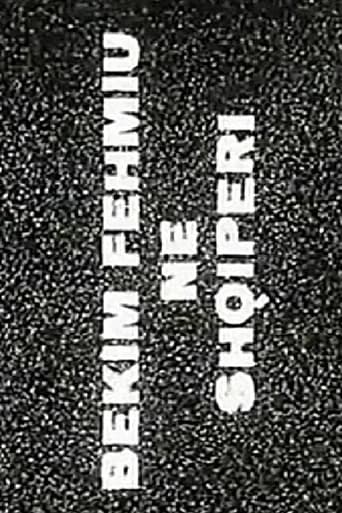
9.0Albania and neighboring Yugoslavia officially broke ties in 1948. But in 1971, the Hoxha regime was honored to welcome the ethnic Albanian actor Bekim Fehmiu (1936-2010), at the time an international star in Yugoslav theater and film. Before his trip to Albania, Fehmiu had appeared in the popular Italian television smash The Odyssey (1968) and the Cannes-winning I Even Met Happy Gypsies (1967). Dokufest will also feature a photo exhibit of recently-discovered still images taken during Bekim Fehmiu’s Albanian visit.
Bekim Fehmiu Visits Albania
1972
 9.0
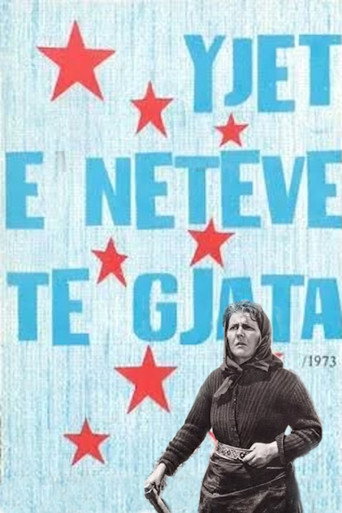
9.0World War II. The fascists kill a boy and invite his mother to identify the body, but she refuses.
Stars of Long Nights
1972
Film credits
Behind the camera
7.5Zana and Bardhyl are two students in love with each other. Through the spiritual ups and downs of this love the film reveals their dreams and desires, likes and dislikes. With these characters more or less of the same age, which have their differences, the film delineates the portrait of the student youth.
In Every Season
1980
7.5Zana and Bardhyl are two students in love with each other. Through the spiritual ups and downs of this love the film reveals their dreams and desires, likes and dislikes. With these characters more or less of the same age, which have their differences, the film delineates the portrait of the student youth.
In Every Season
1980
6.5Film set on the 8th of November 1941, the day the Albanian Communist Party was founded.
Hot Autumn of '41
1985
9.0On the anniversary of the death of Commissioner Ibrahim Kovaçi, six of his war friends are accompanying his statue to his native village, where a ceremony will be held. During the road, each of them remembers moments related to the life of Ibrahim.
The Bronze Bust
1970
9.0On the anniversary of the death of Commissioner Ibrahim Kovaçi, six of his war friends are accompanying his statue to his native village, where a ceremony will be held. During the road, each of them remembers moments related to the life of Ibrahim.
The Bronze Bust
1970
6.8Halit Berati, a virtuoso clarinet player, is invited by the Italians to record his music, which is to be sold along Italian records.
General Gramophone
1978
9.0World War II. The fascists kill a boy and invite his mother to identify the body, but she refuses.
Stars of Long Nights
1972
9.0World War II. The fascists kill a boy and invite his mother to identify the body, but she refuses.
Stars of Long Nights
1972
 9.0
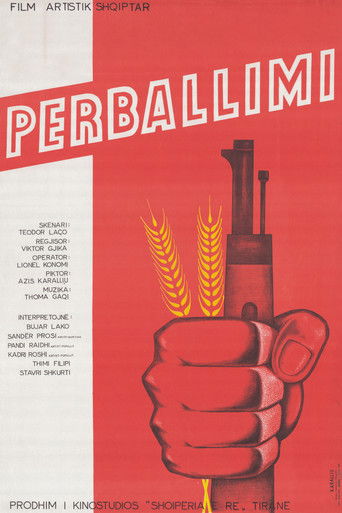
9.0After the war, the country is plagued by famine. The secretary party committee, Martin Kreka, leads a campaign to gather the grain that is sold in the black market.
Confrontation
1976
 8.5
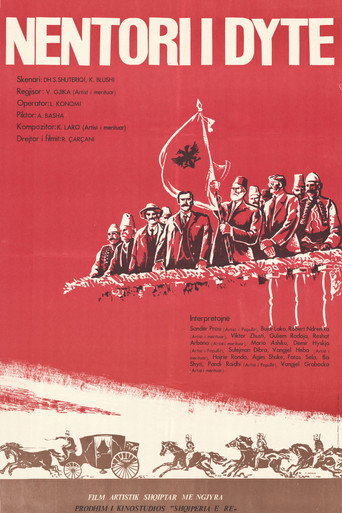
8.5A historical drama focusing on the days leading up to Albania's declaration of independence from the Ottoman Empire in November 1912.
The Second November
1982
 8.5
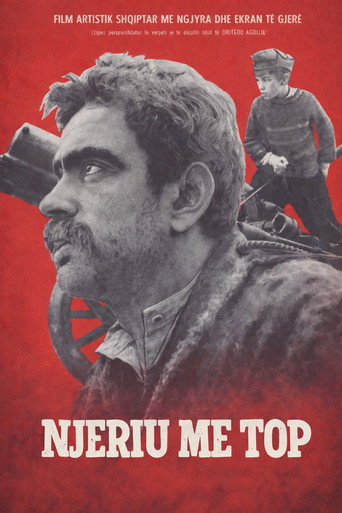
8.5After Mato Gruda, a man living in a remote village in the mountains of Albania, steals a cannon abandoned by the German invaders he has to decide whether to use the weapon to support the Partisan resistance or to avenge his family.
The Man with the Cannon
1977
8.5After Mato Gruda, a man living in a remote village in the mountains of Albania, steals a cannon abandoned by the German invaders he has to decide whether to use the weapon to support the Partisan resistance or to avenge his family.
The Man with the Cannon
1977
 6.0
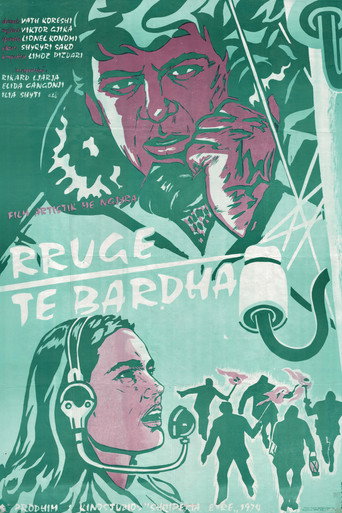
6.0Deda, an enthusiastic young worker, is trying to fix a cut telephone line during the harsh winter, so that people can wish each other a happy New Year.
White Roads
1974
 9.0
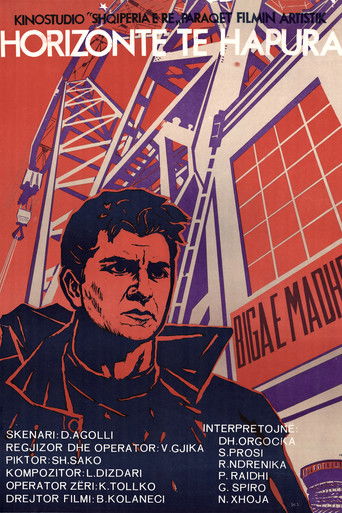
9.0In 1968, Horizonte Te Hapura, directed by Viktor Gjika, one of the pioneers of Albanian moviemaking, broke new ground. Its subject matter was contemporary, rather than being a historical piece or an action drama set among the partisans of World War II. In the story, a dockworker sees that a crane, a crucial piece of shipyard equipment, is being endangered by a violent storm, and despite considerable danger to himself works to save it. ~ Clarke Fountain, Rovi
Broad Horizons
1968