
Directing
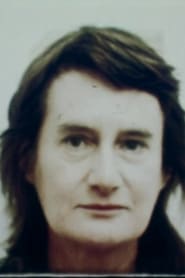
Anne Rees-Mogg
Anne Rees-Mogg was born in 1924 and died in 1984. She studied at Bristol Art School and Central School of Arts and Crafts before becoming an inspiring and dedicated teacher herself at the Regent Street Polytechnic from 1951 and Chelsea School of Art from 1964 to 1984. She was a committed advocate of artist's filmmaking and was Chair and Director of the London Film-makers' Co-operative between 1981 - 1984.
Acting credits
Behind the camera
 NR
NRA short film about the assumption of roles. A voice-over offers a long list of synonyms for transformation: change, modulation, shift, turn, mutation… Two girls are transformed into 18th century young ladies by putting on dresses. A performer, Alexei Sayle, gets ready for and then goes into his routine. Made, like many of Anne Rees-Mogg’s films, in the Rees-Mogg family home in Somerset, Transmogrification features her nieces and nephews Charlotte, Emma, Thomas and Jacob.
Transmogrification
1980
 NR
NRA portrait of Anthony Bruegger, a young stock car racer. He is the filmmaker’s nephew and also appears in some of her other films. The film’s title refers to time in film, which can be measured in lengths of film material (100ft, 300ft, etc), and which Anne Rees-Mogg compares and contrasts here to lived time.
A Length of Time
1970
 NR
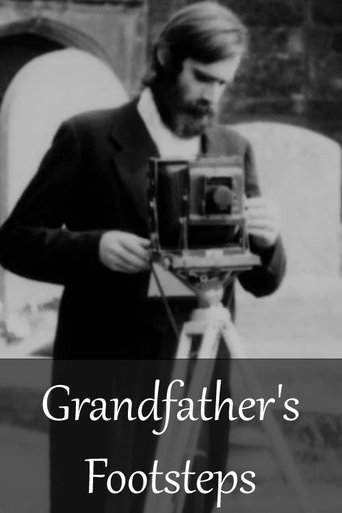
NRMy Mother found an old cigar box full of glass negatives, stereoscopic views, mostly of the Somerset countryside taken by my great grandfather Henry Stiles Savory, who was a country clergyman. Later some more boxes of his negatives turned up at a country house sale. I printed them and made enlargements from some of them, and a few years later the idea came to me to use them in a film. 'In Grandfather's Footsteps the film-maker re-evokes the presence of her great-grandfather, Henry Stiles Savory, a Victorian clergyman, photographer and scientist. It's not a costume drama, bringing in his writings, and his personal effects - books, machines, photographs - Anne Rees-Mogg emphasizes her own links with him and his preoccupations. She achieves a real sense of timelessness.' - Jo Comino
Grandfather's Footsteps
1983
 NR
NRClad in resplendent Scottish regalia, Macbeth sits next to a woman reading the Oxford Companion to English Literature's dry-as-dust synopsis before the "tomorrow and tomorrow" soliloquy finally introduces Shakespeare's original poetry. To emphasize this already Brechtian approach, the single-take treatment frequently (and deliberately) reveals both lights and a crouching sound recordist.
Macbeth a Tragedy
1983
 10.0
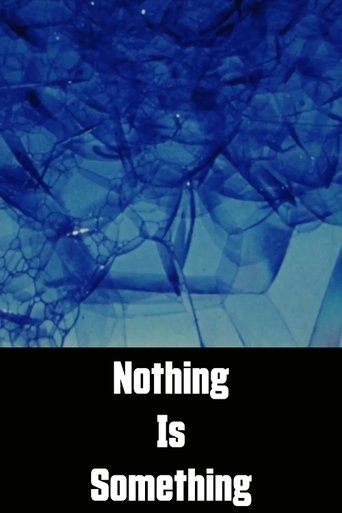
10.0The title is a quotation from Duchamp. The film is about the colours and structures of soap bubbles, oil on water, etc.
Nothing Is Something
1966
 NR
NRMy intention was to explore the landscape where I spent my early life, and to some extent the people who helped me to inhabit it. So I started by flying over this landscape and was filmed while doing so. My new view of a place with which I am very familiar is an important aspect of the film.
Living Memory
1980
 NR
NRThe first part of the film is in colour and consists of arguments about how to make films and what film to make. The film then changes to black and white and the argument continues about houses and planning, with shots of the destruction of a house, and shots from other films of the houses it used to be. The arguments are not conclusive and the film is about doubts rather than certainties. - A.R.
Sentimental Journey
1977
 NR
NRTime and motion study. Renny Croft turning a cartwheel, from fast to slow motion, also stopped and shuffled.
Muybridge Film
1975
 NR
NRReal Time is a reflexive documentary essay on time and a personal evocation of the filmmaker’s childhood and her feelings towards ageing and death. Conceived as patchwork of photographs, re-enacted memories and recorded conversations, the film is structured around a car journey from London to the Rees-Mogg family home in Temple Cloud, Somerset.
Real Time
1971
 NR
NRA patriotic rendering of all the verses of God Save the Queen with some Victorian lantern slides.
Welcome/Adieu
1983