
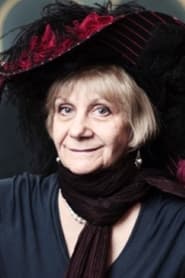
Writing
Lyudmila Petrushevskaya
Born
1938-05-26 (88)
Place of birth
Moscow, USSR (Russia)
Known for
Writing
Credits
12 titles
Lyudmila Stefanovna Petrushevskaya (born 26 May 1938) is a Russian writer, novelist, painter, singer, screenwriter and playwright. She began her career writing and putting on plays, which were often censored by the Soviet government, and following perestroika, published a number of well-respected works of prose. She is best known for her plays, novels, including 'The Time: Night' (1992), and collections of short stories, notably 'There Once Lived a Woman Who Tried to Kill Her Neighbor’s Baby'. In 2017, she published a memoir, 'The Girl from the Metropol Hotel'. She is considered one of Russia's premier living literary figures, having been compared in style to Anton Chekhov and in influence …
Known for
 NR
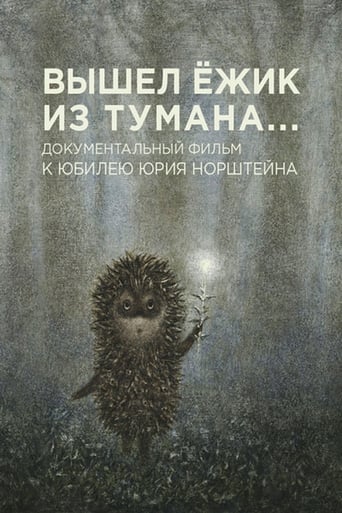
NRNorstein conquered the world 36 years ago with the creation of the legendary Hedgehog in the Fog. It was recognized as the best cartoon of all times and peoples according to a survey of film critics and animators from different countries.
A Hedgehog Came Out of the Fog
2011
 7.3
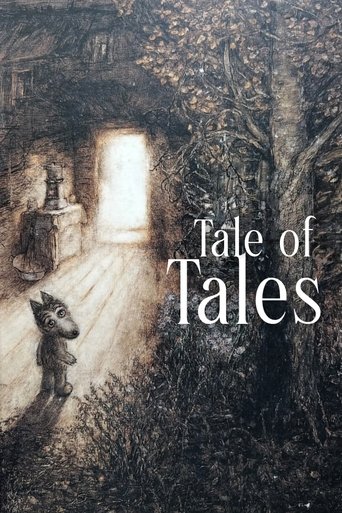
7.3Distant, well-worn memories of childhood are inhabited by a little gray wolf. Through astonishing imagery, the memory of all of Russia is depicted.
Tale of Tales
1979
 5.0
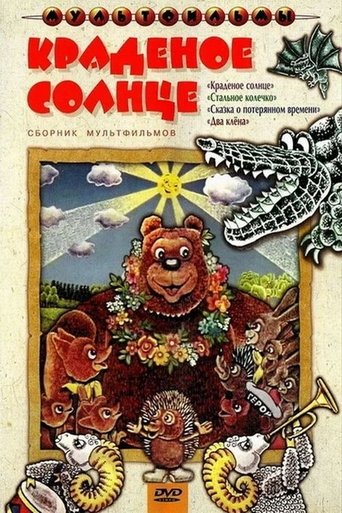
5.0An animated film based on the fairy tale of the same name by Korney Chukovskiy about how a crocodile swallowed the sun, and it became dark and sad on Earth. But the bear overcame the crocodile and returned the sun to the sky.
Stolen Sun
1978
The film tells about the former journalist of the Kommersant and Vedomosti newspapers, adviser to the Roscosmos state corporation Ivan Safronov. On July 7, 2020, Safronov was arrested, charged with high treason and placed in the Lefortovo pre-trial detention center. So far, several months after Ivan's arrest, neither he, nor the defense, nor the public have been presented with a single piece of evidence of the journalist's guilt.
ШпионоВания
2020
 NR
NRNo synopsis available yet.
Мирные огоньки - 2025
2024
 NR
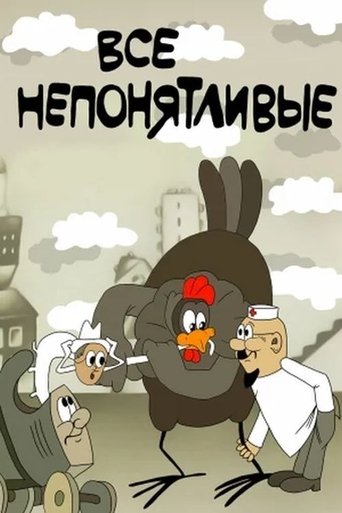
NRAbout a rude chicken and a well-mannered worm.
Nobody Understands
1976
Film credits
2020s · 2 titles
The film tells about the former journalist of the Kommersant and Vedomosti newspapers, adviser to the Roscosmos state corporation Ivan Safronov. On July 7, 2020, Safronov was arrested, charged with high treason and placed in the Lefortovo pre-trial detention center. So far, several months after Ivan's arrest, neither he, nor the defense, nor the public have been presented with a single piece of evidence of the journalist's guilt.
ШпионоВания
2020
NRNo synopsis available yet.
Мирные огоньки - 2025
2024
Behind the camera
7.3Distant, well-worn memories of childhood are inhabited by a little gray wolf. Through astonishing imagery, the memory of all of Russia is depicted.
Tale of Tales
1979
5.0An animated film based on the fairy tale of the same name by Korney Chukovskiy about how a crocodile swallowed the sun, and it became dark and sad on Earth. But the bear overcame the crocodile and returned the sun to the sky.
Stolen Sun
1978
NRAbout a rude chicken and a well-mannered worm.
Nobody Understands
1976
 NR
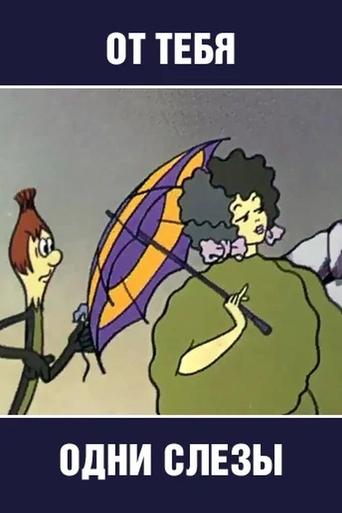
NRHow a small onion helped a cabbage out of trouble.
You're Nothing But Tears
1976
 NR
NRFollows the extraordinary adventures of Kolya Rogov.
Lyamzi-Tyri-Bondi the Evil Wizard
1976
 NR
NRThe hare has lost its magnificent tail - everyone is suspected.
The Hare's Tail
1984
 NR
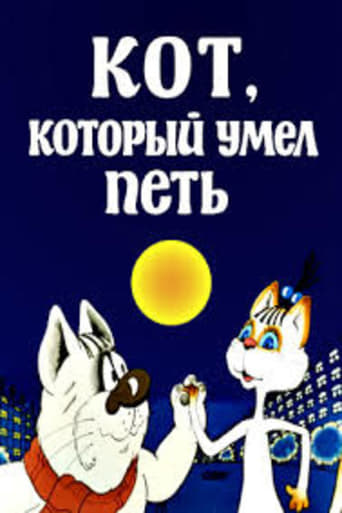
NRThe Cat tries in vain to get the attention of the beloved Lady-Cat by singing, but she does not pay attention, as she is too busy watching various TV shows. The Cat decides to get on TV and perform with his song there, but he constantly gets claims - "we do not take tails", "why on earth do you have a striped face", and the last remark about "fur mittens" the Cat is angry and shows claws . After that, he is categorically forbidden for the show, to which the Cat responds with the threat of "spoiling all your television."
Cat Which Could Sing
1988
No synopsis available yet.
Love
1997
 NR
NRThe life and death of titular councillor Akaky Akakievich Bashmachkin, an impoverished government clerk and copyist in the Russian capital of St. Petersburg.
The Overcoat
—