Acting
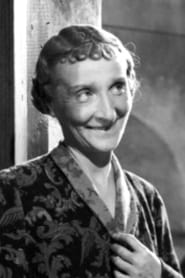
Wanda Jakubińska
Born — Died
1903-07-06 — 1987-05-31
Place of birth
Radom, Poland, Russian Empire [now Radom, Mazowieckie, Poland]
Known for
Acting
Credits
30 titles
Known for
 9.0
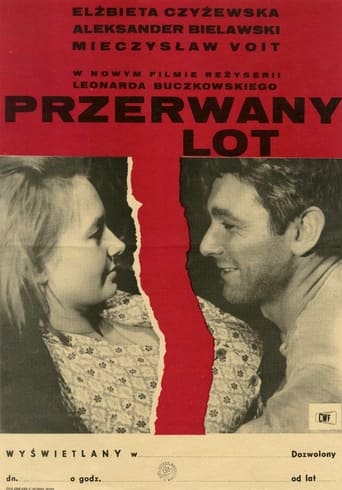
9.0The reminiscences of a Russian pilot, shot down over Poland during the war, of his first great love there.
Interrupted Flight
1964
 8.0
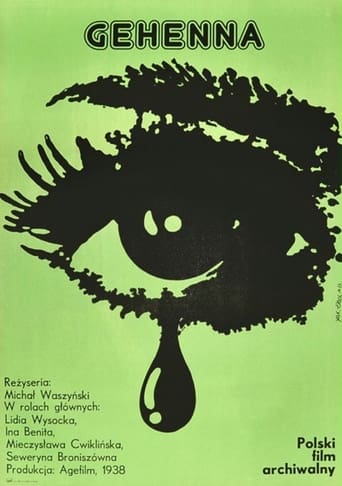
8.0A young girl falls in love with an aristocrat against her uncle's wishes.
Gehenna
1938
 5.5
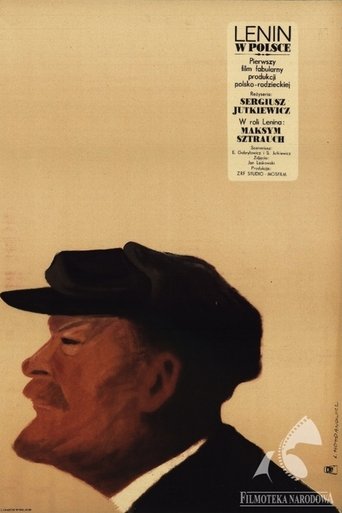
5.5The life of the great Bolshevik leader before the Russian revolution is chronicled in this bio-pic. Much of the tale centers on his exile in Poland where Lenin becomes friends with two peasants. The little girl has a strong belief in the nationalist cause. Later Lenin hears she was killed for withholding information about him.
Lenin in Poland
1966
 6.8
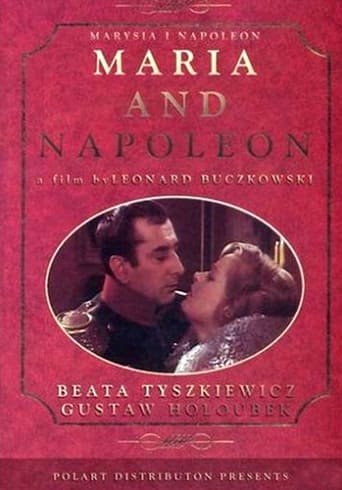
6.8In 1807, Napoleon meets and falls in love with 22-year-old Polish countess Marie Walewska, who is unhappily married to a much older man. Enchanted by the blonde, blue-eyed countess, the emperor enters into an affair with Marie, who uses the relationship to induce Napoleon to treat Poland fairly.
Maria and Napoleon
1966
 6.5
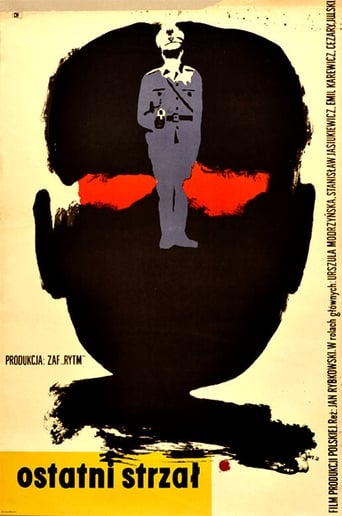
6.5A former resistance fighter returns to his hometown after being imprisoned, bent on enacting revenge on the man that sent him behind bars.
Ostatni strzał
1959
 9.0
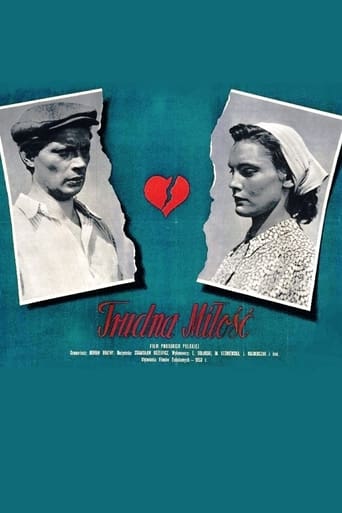
9.0A story of the love affair between Janek Małodworny and Hanka, daughter of the kulak Nalepa. The two love each other, but their happiness is hampered by differences in possessions. To make matters worse, Małodworny is in favor of establishing a cooperative along Soviet lines, while old Nalepa is staunchly opposed.
Difficult Love
1954
Film credits
1970s · 2 titles
The action takes place in the Polish countryside in the second half of the 19th century. The main character is a few months old Staś, son of the blacksmith Józef and Małgorzata, from whose perspective we see the conflict of his parents with the local organist.
Przygoda Stasia
1970
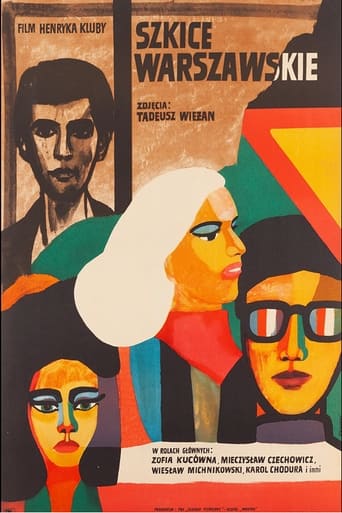 7.0
7.0Three stories describing the life of the inhabitants of Warsaw, each set in a different time period.
Warsaw Sketches
1970
1960s · 11 titles
9.0The reminiscences of a Russian pilot, shot down over Poland during the war, of his first great love there.
Interrupted Flight
1964
5.5The life of the great Bolshevik leader before the Russian revolution is chronicled in this bio-pic. Much of the tale centers on his exile in Poland where Lenin becomes friends with two peasants. The little girl has a strong belief in the nationalist cause. Later Lenin hears she was killed for withholding information about him.
Lenin in Poland
1966
6.8In 1807, Napoleon meets and falls in love with 22-year-old Polish countess Marie Walewska, who is unhappily married to a much older man. Enchanted by the blonde, blue-eyed countess, the emperor enters into an affair with Marie, who uses the relationship to induce Napoleon to treat Poland fairly.
Maria and Napoleon
1966
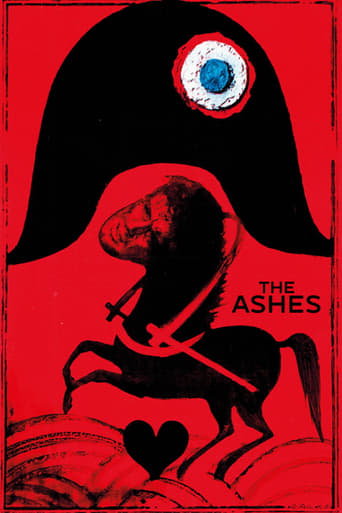 6.7
6.7Set in the time of Napoleon wars, shows how the wars swept over the unfortunate Polish country at the beginning of the XIX-th century. Story revolves around the Polish legion under command of General Dabrowski, who then fought on Napoleon's side with the hopes of Poland's revival.
The Ashes
1965
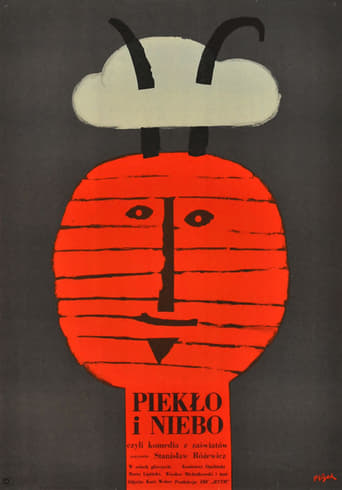 6.5
6.5A bus crashes and its passengers find themeselves in the afterlife, which they find has the not only the same set of rules as Earth, but also the same bureaucratic chaos.
Hell and Heaven
1966
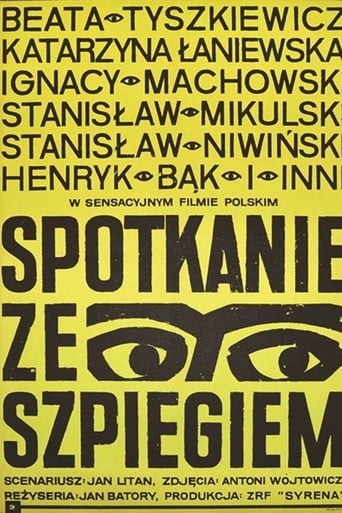 6.7
6.7A thriller about Polish Intelligence Service working on detecting a net of foreign spies.
Rendes-Vous with a Spy
1964
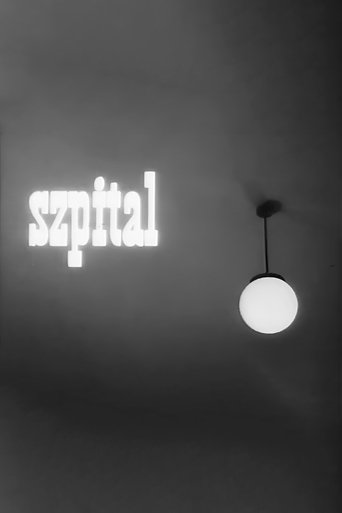 8.0
8.0Confined to a hospital room, a seemingly healthy man endures a surreal night as his space is invaded by a procession of bizarre, dreamlike visitors—many linked to the imagery of railroads. Blurring reality with hallucination, the film transforms the ward into a stage for nightmarish encounters.
Hospital
1962
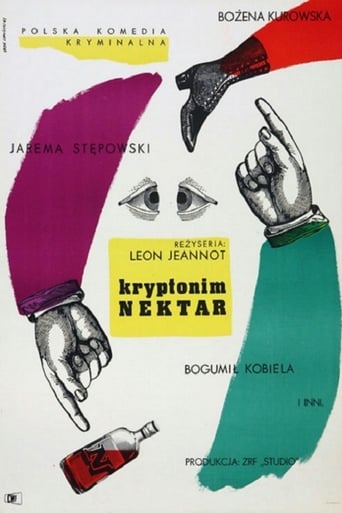 6.2
6.2A journalist investigates a hot new drink that just hit the market.
Kryptonim Nektar
1963
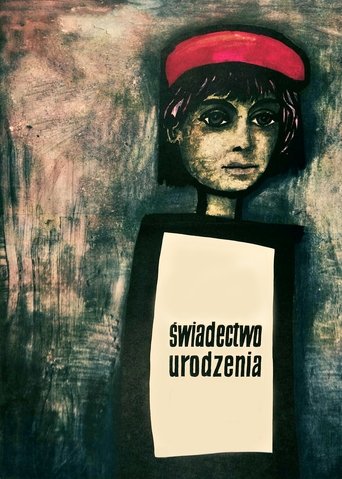 7.2
7.2Three separate stories depicting the tense everyday life during occupation, as seen through the eyes of children. In “On the Road,” the two main protagonists are lost in the September’s strife: a young boy, and a soldier transporting the valueless documents of his broken unit. In “Letter from the Concentration Camp” the story’s protagonists are young boys who help their mother during the hardships of the occupation. Their treasure is an officer uniform belonging their father who is being held in a prisoner of war camp. In “Blood Drop,” the Germans find a set of typical Aryan characteristics in this story’s protagonist – a Jewish girl, hiding in an orphanage.
Birth Certificate
1961
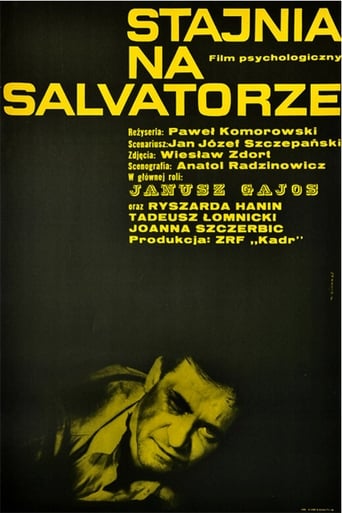 9.0
9.0WWII. Zyga, one of the Resistance soldiers in Kraków is arrested by Gestapo. Soon later the Germans make a number of other arrests and Zyga is accused of being an informer.
Stajnia na Salvatorze
1967
A year after his death, a young artist returns to the world of the living.
Zmartwychwstanie Offlanda
1968
1950s · 11 titles
6.5A former resistance fighter returns to his hometown after being imprisoned, bent on enacting revenge on the man that sent him behind bars.
Ostatni strzał
1959
9.0A story of the love affair between Janek Małodworny and Hanka, daughter of the kulak Nalepa. The two love each other, but their happiness is hampered by differences in possessions. To make matters worse, Małodworny is in favor of establishing a cooperative along Soviet lines, while old Nalepa is staunchly opposed.
Difficult Love
1954
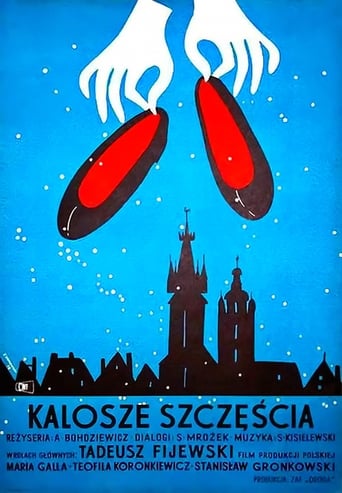 4.8
4.8Two fairies, Terencja and Felicja are in posession of the Lucky Rain Boots, which they intend to give to the most deserving person in the city of Kraków. However, they consistently fall into the wrong hands, creating a multitude of absurd and comedic situations.
Kalosze szczęścia
1958
 6.0
6.0Young Frederic Chopin comes of age during a tumultous time in Polish history.
Young Chopin
1952
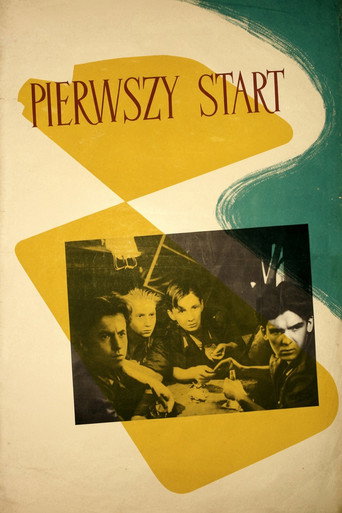 9.0
9.0A juvenile delinquent becomes a model citizen thanks to the teaching of a gliding school.
First Start
1951
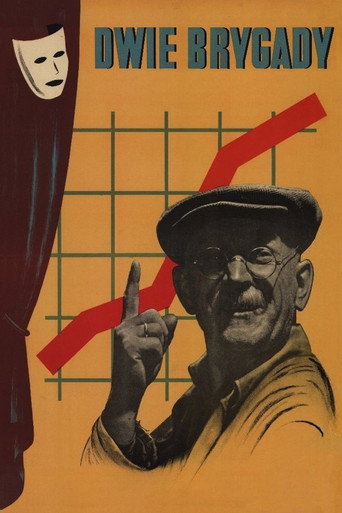 10.0
10.0A social drama that depicts a conflict between a young factory collective and a sympathetic but backward old specialist.
Two Brigades
1950
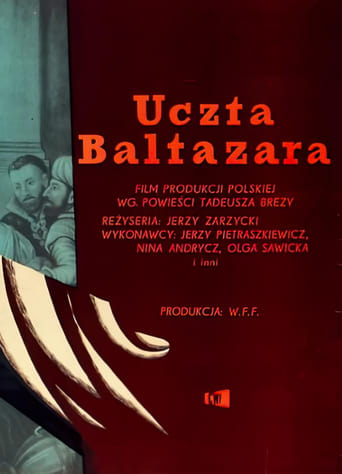 6.5
6.5Engineer Andrzej Uriaszewicz returns to Poland in order to smuggle a valuable painting out of the country.
Uczta Baltazara
1954
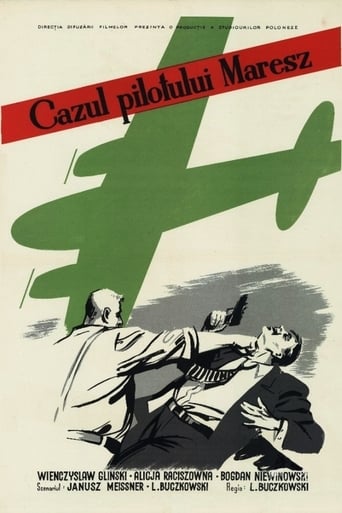 8.0
8.0A Polish RAF Officer returns to his homeland and finds himself torn between love for his friend's wife and illegal activities he gets himself involved in.
Sprawa pilota Maresza
1956
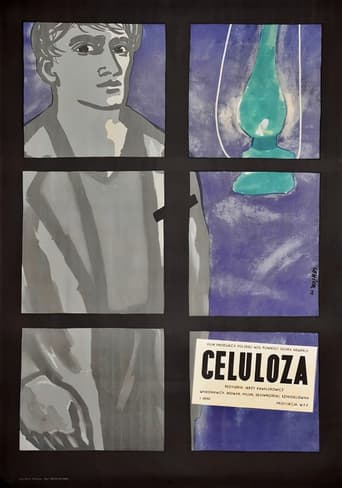 6.5
6.5Through the fate of the boy - whose hunger drives from his home village , and who receives a severe school of life , going through different social environments in order to become conscious , revolutionary activist - creators show a realistic panorama of conflicts in pre-WWII Poland.
Cellulose
1954
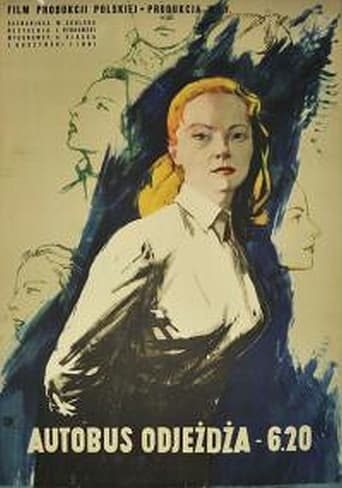 7.0
7.0A young hairstylist leaves her husband and joins a group of working women.
The Bus Leaves at 6.20
1954
Three women, ex-prisoners of a Nazi death camp, decide to live together after the war.
Trzy kobiety
1957
1940s · 3 titles
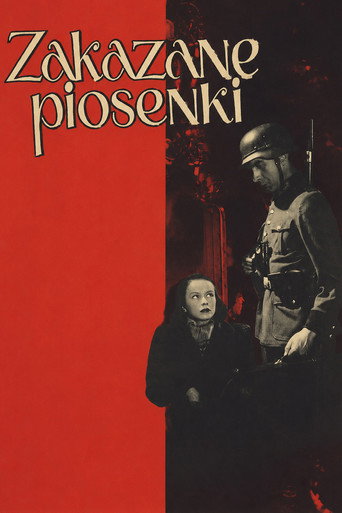 7.3
7.3Set during the German occupation of Warsaw during WWII, this musical tells the story of several inhabitants of the same tenement house.
Forbidden Songs
1947
 9.0
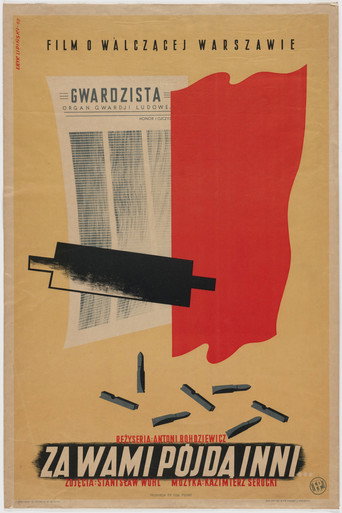
9.0A war drama that tells the story of the discovery of the illegal AL printing works by the Nazis, showing the activities of the left-wing underground in the occupied capital.
The Others Will Follow
1949
 6.9
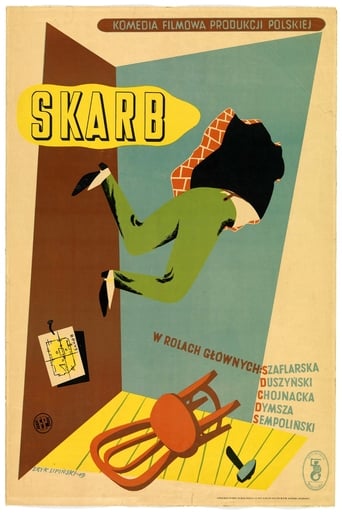
6.9Witek and Krysia, a married couple, move to Warsaw and have nowhere to stay. They rent a room in a house with many other lodgers. Witek dreams of their own house and draws a sketch of their future home, marking the place where his wife will sleep with the word "treasure". The other lodgers find the draft and a frantic search for the treasure begins.
Treasure
1949