
Known for
 NR
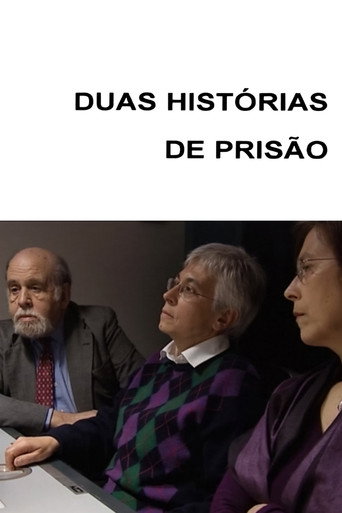
On the night of April 26, 1974, the prison doors of Caxias opened and the political prisoners were released. Two women: Diana Andringa and Maria José Campos relive their detention in Caxias in this film. Even though they did not suffer the torture and other forms of violence that most of their companions were subjected to, both speak with great emotion of isolation and the so-called “normal regime” period in which they shared the space of a cell with other prisoners and learned to live in prison.
Two Stories from Prison
2004
A documentary film by Ginette Lavigne.
La Belle journée
2010
 8.0
The operational commander of the "Captains Movement", describes and recreates a quarter of century later the crucial 24 hours of April 25, 1974, that would topple the Portuguese government and start a democratic regime in Portugal - since another military coup, May 28, 1926, installed a one-party dictatorship there. The scenes in the claustrophobic operation room are recreated, with him alone and a few voices.
A Noite do Golpe de Estado
2001
Jean-Louis Comolli and Jean Narboni, former editors at Cahiers du Cinema, interview their former colleagues and fellow travellers during the "Red Years" of the journal between 1968 and1973.
À voir absolument: 1963-1973 Dix années aux Cahiers du Cinéma
2011
 NR
Edited from newsreel footage and footage shot at the time by Michel Andrieu and Jacques Kebadian, this film is a dreamy stroll through the places and times of May '68. We meet ghosts: we need them, we miss them. May 68 is still to come. Ghosts don't come back from the past, they are our future.
The Ghosts of May 68
2018
 8.1
Filmed between February and March 1999 in La Cupula (Girona), the rehearsal place of the Spanish independent theater company Els Joglars, this documentary reveals the creative process of this company in its project to represent the life of the mythical anarchist leader Buenaventura Durruti, as well as the circumstances of his death.
Buenaventura Durruti, anarquista
2000
Behind the camera
NROn the night of April 26, 1974, the prison doors of Caxias opened and the political prisoners were released. Two women: Diana Andringa and Maria José Campos relive their detention in Caxias in this film. Even though they did not suffer the torture and other forms of violence that most of their companions were subjected to, both speak with great emotion of isolation and the so-called “normal regime” period in which they shared the space of a cell with other prisoners and learned to live in prison.
Two Stories from Prison
2004
A documentary film by Ginette Lavigne.
La Belle journée
2010
8.0The operational commander of the "Captains Movement", describes and recreates a quarter of century later the crucial 24 hours of April 25, 1974, that would topple the Portuguese government and start a democratic regime in Portugal - since another military coup, May 28, 1926, installed a one-party dictatorship there. The scenes in the claustrophobic operation room are recreated, with him alone and a few voices.
A Noite do Golpe de Estado
2001
Jean-Louis Comolli and Jean Narboni, former editors at Cahiers du Cinema, interview their former colleagues and fellow travellers during the "Red Years" of the journal between 1968 and1973.
À voir absolument: 1963-1973 Dix années aux Cahiers du Cinéma
2011
NREdited from newsreel footage and footage shot at the time by Michel Andrieu and Jacques Kebadian, this film is a dreamy stroll through the places and times of May '68. We meet ghosts: we need them, we miss them. May 68 is still to come. Ghosts don't come back from the past, they are our future.
The Ghosts of May 68
2018
8.1Filmed between February and March 1999 in La Cupula (Girona), the rehearsal place of the Spanish independent theater company Els Joglars, this documentary reveals the creative process of this company in its project to represent the life of the mythical anarchist leader Buenaventura Durruti, as well as the circumstances of his death.
Buenaventura Durruti, anarquista
2000
Towards the end of 2021, Jean-Louis Comolli was invited by Citéphilo-Encuentros Filosóficos anuales de la región Hauts-de-France to present his latest book, Una cierta tendencia del cine documental (A Certain Trend in Documentary Cinema). Unable to travel to Lille due to his health, Jacques Lemiére (member of the Institute of Sociology and Anthropology at the University of Lille, and head of film art at Citéphilo) decided to visit him and interview him at his home in Paris, so that he could then present this dialogue at the conference. Recorded and edited by Ginette Lavigne (a friend of Jean-Louis but also an editor and co-director of several of his works), we are treated to this exceptional conversation, in which Comolli, despite his fragile health, shines with all his sagacity and reflective originality, giving us almost an hour of his brilliant thinking.
Une certaine tendance du cinéma documentaire
2021