

Acting
Koichi Ose
Born
1937-10-27 (88)
Place of birth
Yokohama, Japan
Known for
Acting
Credits
20 titles
Ose Koichi was born 27th October 1937 in Yokohama. His real name is Ose Kazunari. He graduated from Keio University School of Foreign Languages. In 1952 he entered the Daiei film company (they made Rashomon among other films) and appeared in a number of films. In 1958 he starred in the TV series Gekko kamen where he gained tremendous popularity with children as the mysterious masked hero. This series was made by Senkosha Productions and directed by Funatoko Sadao. Its two theme songs became big hits. Next he was directed by Funatoko in Jaga no me which proved to be another hit. Then came The Samurai which further increased his popularity with the younger set. Throughout the 60s he appeared i…
Known for
 7.0
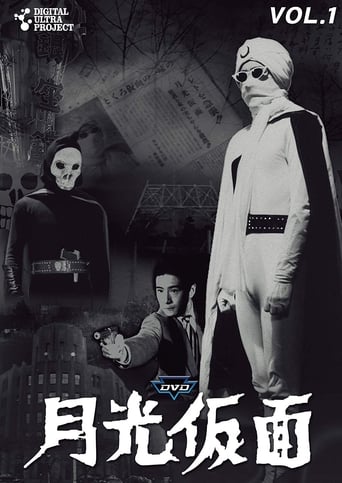
Moonlight Mask (aka Gekko Kamen), is a black and white tokusatsu TV drama series, produced by the advertising agency Senkosha and was aired on KRTV (now TBS) from February 24, 1958 to July 5, 1959, with a total of 130 (or 131) episodes, divided into 5 segments. Since the original show, Gekko Kamen has gained the popularity of being the first Japanese live action television superhero, appearing in films and TV shows well past the length of the original series.
Moonlight Mask
1958
 NR
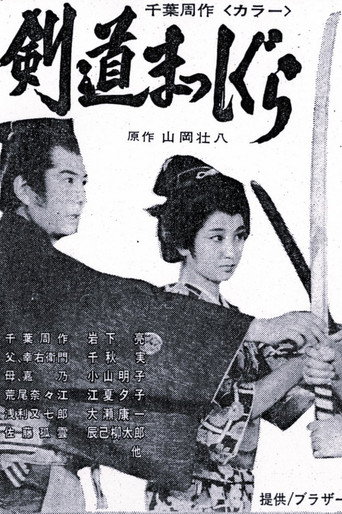
Chiba Shusaku: Kendo Masshigura is a Japanese period drama that aired on the TBS network from November 2, 1970 to August 30, 1971 in the "Brother Gekijo" slot. It ran for 44 colour episodes of 30 minutes each. Based on Sohachi Yamaoka's novel "Chiba Shusaku", it depicts the youth of Chiba Shusaku, founder of the Hokushin Itto-ryu school of swordsmanship. A hot-blooded young man who calls himself Shusaku enters the dojo of Asari Matashichiro and, through encounters with all kinds of people, grows rapidly both in swordsmanship and in character. Produced by TBS and Shochiku. Rerun on the Japanese CS channel Jidaigeki Senmon Channel from March 17, 2025.
Chiba Shusaku: Kendo Masshigura
1970
 10.0
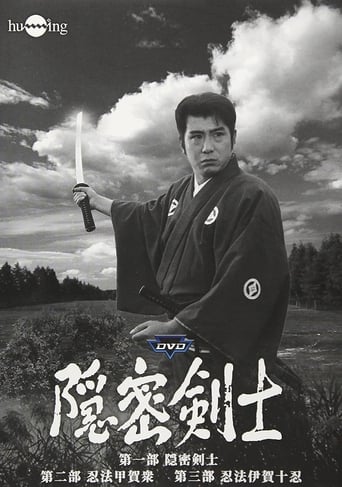
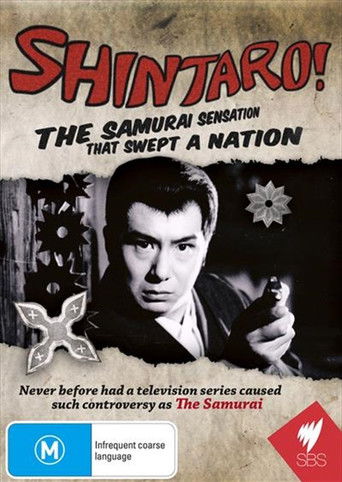
The Samurai is a Japanese historical fiction television series made by Senkosha Productions during the early 1960s. Its original Japanese title was Onmitsu Kenshi. The series premiered in 1962 on TBS and ran continuously until 1965 for ten self-contained story arcs, usually of 13 episodes each. Also created were two black-and-white feature films by Toei Company, made in 1964 by the same crew which has created the TV series, and a stage show. The Samurai proved to be highly successful despite its initially very limited budget. It was the first Japanese TV program ever screened in Australia, where it premiered in 1964 and built up a remarkably large fan-base among the local young audience at the time, rapidly becoming a cult favourite. Despite its massive popularity in Australia as well as success in Japan, New Zealand and the Philippines, the series was not widely screened elsewhere and its fame remains largely restricted to those countries.
The Samurai
1962
 7.0
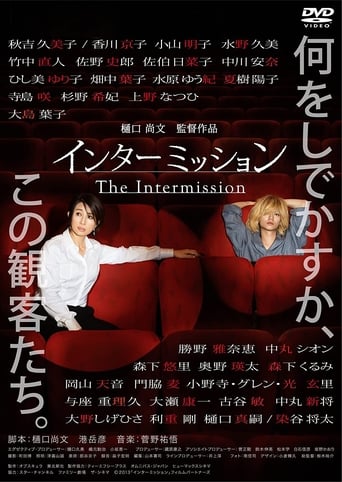
A unique black comedy set in Ginza Cinepathos, a long-established movie theater that closes at the end of March 2013 while being familiar to movie fans with its retro appearance and unique lineup. Unique guests visiting the theater draw a human pattern during breaks.
The Intermission
2013
 8.5
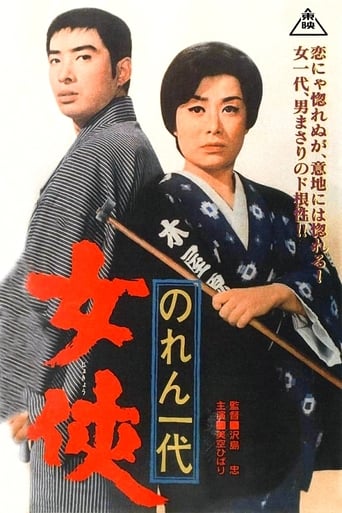
Mine, the only daughter of Kiyagen, is faced with running the family's timber business when her father falls ill. Under a great deal of pressure to continue the five generation long run of the business, Mine is put to the ultimate test when a former gangster sets his sights on closing her down.
The Protector
1966
 NR
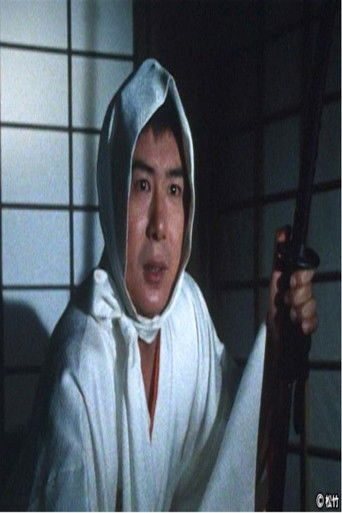
An exciting historical drama depicting the activities of Dohaku Yatsushiro, who dares to confront the evil that makes the common people cry while helping the people of Ichii as a doctor, and as a mysterious swordsman "white hood".
Shirozukin Sanjo
1969
Film credits
1960s · 13 titles
8.5Mine, the only daughter of Kiyagen, is faced with running the family's timber business when her father falls ill. Under a great deal of pressure to continue the five generation long run of the business, Mine is put to the ultimate test when a former gangster sets his sights on closing her down.
The Protector
1966
 7.0
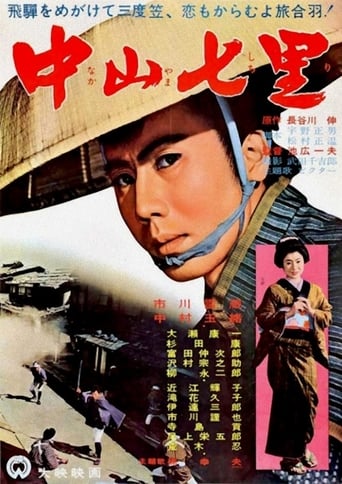
When a corrupt magistrate rapes Oshima, Masa (Raizō Ichikawa) avenges her by killing the officer, becoming thereby a fugitive, haunted and grief-stricken by the fact that Oshima committed suicide. Going underground in the gambling world, perpetually hiding from the law, Masa eventually meets a young woman named Onaka, who looks exactly like Oshima. Tales having two look-alike heroines are a commonplace in Japanese period films, a plot affectation inherited from the kabuki theater. Based on a novel by Shin Hasegawa, Nakayama shichiri was already twice filmed in 1930, one version directed by Namio Ochiai, and from which less than 40 minutes survive, the other directed by Kyotaro Namiki. Both are silent films, preserved by the Makino film institute.
Seven Miles to Nakayama
1962
 NR
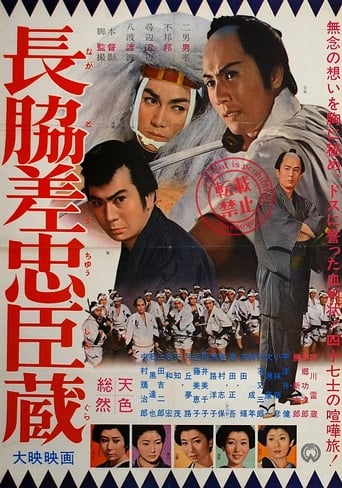
No synopsis available yet.
Long Swords of the Loyal Forty-Seven
1962
 NR
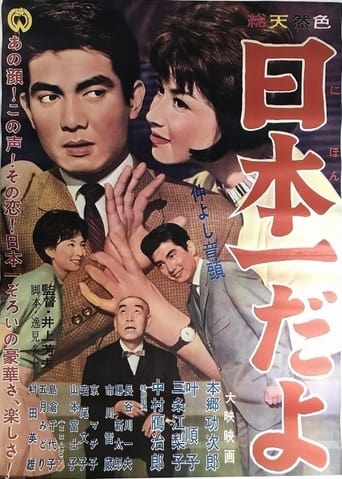
No synopsis available yet.
Nakayoshi ondo: Nippon ichi dayo
1962
 NR
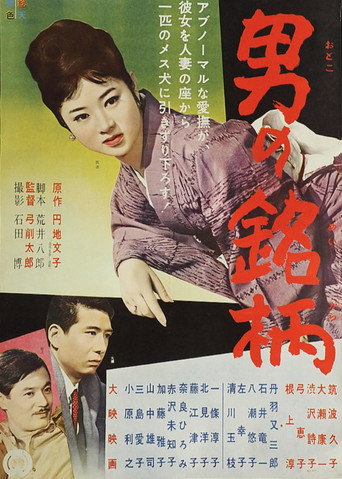
A unique literary work depicting the crisis in the love and physical relationship of the ordinary Shimura couple.
Otoko no meigara
1961
 NR
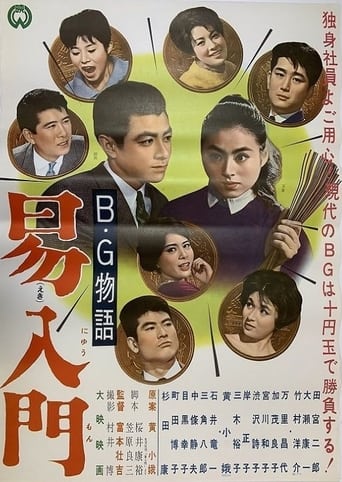
1962 Japanese movie
B.G. monogatari: Ekinyūmon
1962
 NR
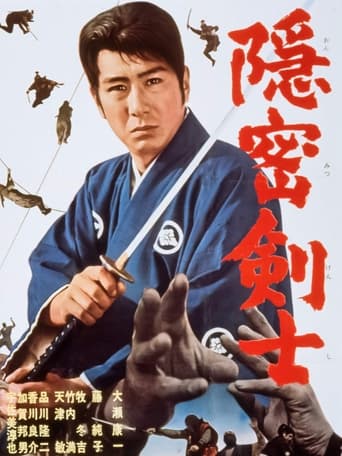
Young swordsman Shintaro must fight against evil officials who plot to overthrow the youthful Shogun.
The Detective Fencer
1964
 NR
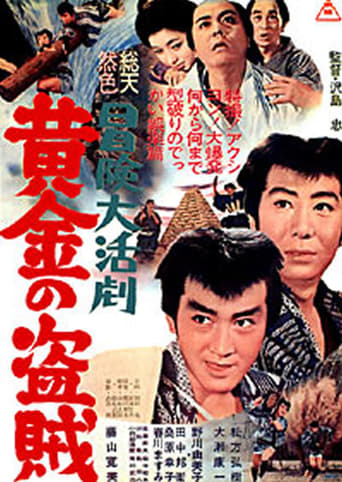
Just after the Battle of Sekigahara, a pair of children Denji and Kichizo witnessed a team of the defeated forces hide the Toyotomi treasure. When the leader cuts down the rest of the team, a bloodstained footman seems to be the only survivor, and his image haunts the pair for the next twenty years. As they are serving a prison sentence a plan is hatched to get them released so they can lead their captors to the hidden gold on Hikone Beach. Danger and excitement await the two as they run into unexpected and dangerous obstacles!
Golden Ninja
1966
 NR
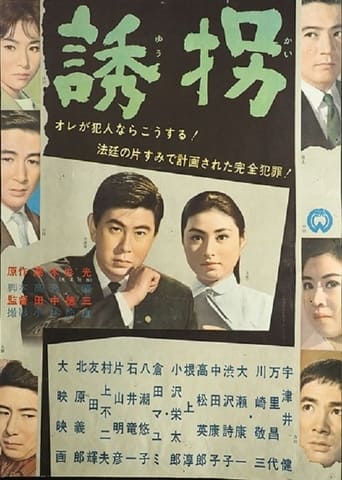
1962 Japanese movie
誘拐
1962
 NR
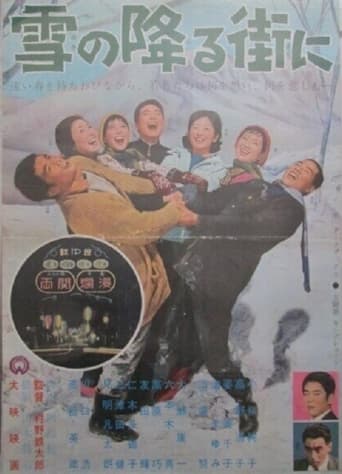
1962 Japanese movie
雪の降る街に
1962
 NR
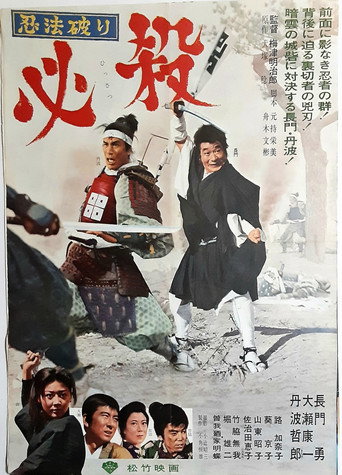
Drunken samurai Saito Magobei lives a reckless and irresponsible life. He’s not the man to volunteer for thrilling adventures. But when Magobei and Kurita Heishichiro meet two frightened women escorting Kotaro, child heir to the perishing Azama Clan, they feel honor bound to protect them from clan traitors and their ninja henchmen. With ruthless ninja dogging every step, Magobei will have to find his courage, restore his pride, and wager his life on his lightning sword and his karate skills in a bloody battle to save the young lord. Immerse yourself in this exhilarating adventure of samurai versus ninja, brought to life by an extraordinary cast. Seize the moment and don't miss it!
Ninja Killers
1964
 NR
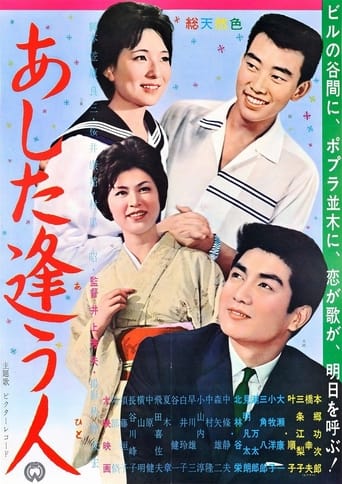
1962 Japanese movie
Ashita au hito
1962
 NR
1961 Japanese movie
Wakai nakama
1961
Series credits
7.0Moonlight Mask (aka Gekko Kamen), is a black and white tokusatsu TV drama series, produced by the advertising agency Senkosha and was aired on KRTV (now TBS) from February 24, 1958 to July 5, 1959, with a total of 130 (or 131) episodes, divided into 5 segments. Since the original show, Gekko Kamen has gained the popularity of being the first Japanese live action television superhero, appearing in films and TV shows well past the length of the original series.
Moonlight Mask
1958
NRChiba Shusaku: Kendo Masshigura is a Japanese period drama that aired on the TBS network from November 2, 1970 to August 30, 1971 in the "Brother Gekijo" slot. It ran for 44 colour episodes of 30 minutes each. Based on Sohachi Yamaoka's novel "Chiba Shusaku", it depicts the youth of Chiba Shusaku, founder of the Hokushin Itto-ryu school of swordsmanship. A hot-blooded young man who calls himself Shusaku enters the dojo of Asari Matashichiro and, through encounters with all kinds of people, grows rapidly both in swordsmanship and in character. Produced by TBS and Shochiku. Rerun on the Japanese CS channel Jidaigeki Senmon Channel from March 17, 2025.
Chiba Shusaku: Kendo Masshigura
1970
10.0The Samurai is a Japanese historical fiction television series made by Senkosha Productions during the early 1960s. Its original Japanese title was Onmitsu Kenshi. The series premiered in 1962 on TBS and ran continuously until 1965 for ten self-contained story arcs, usually of 13 episodes each. Also created were two black-and-white feature films by Toei Company, made in 1964 by the same crew which has created the TV series, and a stage show. The Samurai proved to be highly successful despite its initially very limited budget. It was the first Japanese TV program ever screened in Australia, where it premiered in 1964 and built up a remarkably large fan-base among the local young audience at the time, rapidly becoming a cult favourite. Despite its massive popularity in Australia as well as success in Japan, New Zealand and the Philippines, the series was not widely screened elsewhere and its fame remains largely restricted to those countries.
The Samurai
1962
NRAn exciting historical drama depicting the activities of Dohaku Yatsushiro, who dares to confront the evil that makes the common people cry while helping the people of Ichii as a doctor, and as a mysterious swordsman "white hood".
Shirozukin Sanjo
1969