
Acting
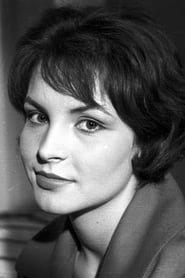
Teresa Tuszyńska
Born — Died
1942-09-05 — 1997-03-19
Place of birth
Warszawa, Generalna Gubernia (obecnie Polska)
Known for
Acting
Credits
13 titles
Teresa Janina Tuszyńska (September 8, 1939 – March 19, 1997) was a Polish actress and model who became a notable figure in postwar Polish cinema during the late 1950s and 1960s. She began her career as a teenage model and made her film debut in Polar Bear (1959), later gaining prominence with her lead role in Janusz Morgenstern’s Good Bye, Till Tomorrow (1960). Known for her distinctive screen presence—marked by quiet intensity and a modern, enigmatic quality—Tuszyńska became associated with the Polish Film School movement, appearing in films that reflected the shifting cultural atmosphere of the era. Though her acting career was relatively brief, she worked with several acclaimed directors …
Known for
 3.0
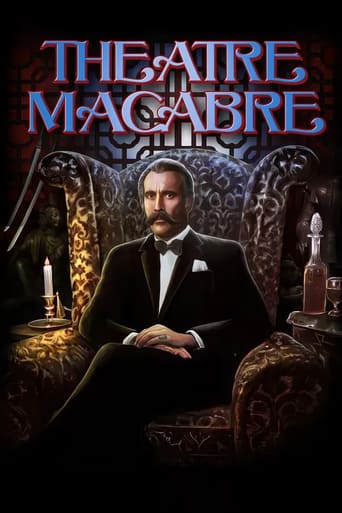
3.0Horror legend Christopher Lee hosts this anthology in the tradition of Alfred Hitchcock Presents, each half-hour episode adapting a story from a classic author, with tales by Edgar Allen Poe, Fyodor Dostoevsky, Ambrose Bierce, Robert Louis Stevenson, and Oscar Wilde.
Theatre Macabre
1971
 6.8
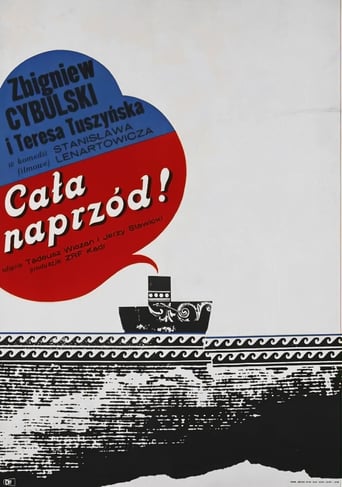
6.8Two friends from army meet in a harbour and start to reminisce about their adventures.
Full Ahead
1967
 6.7
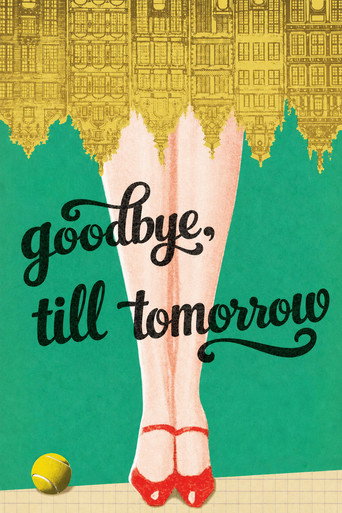
6.7Jacek is a handsome, charming young Pole who belongs to a drama company. One day, in the streets of Gdansk, he meets Marguerite, a beautiful, charming French girl. He falls for her but the young lady is whimsical...
Goodbye, Till Tomorrow
1960
 6.5
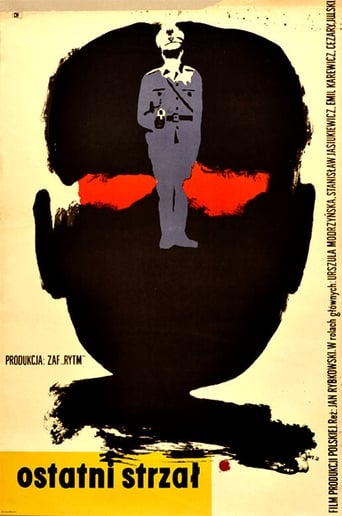
6.5A former resistance fighter returns to his hometown after being imprisoned, bent on enacting revenge on the man that sent him behind bars.
Ostatni strzał
1959
 7.3
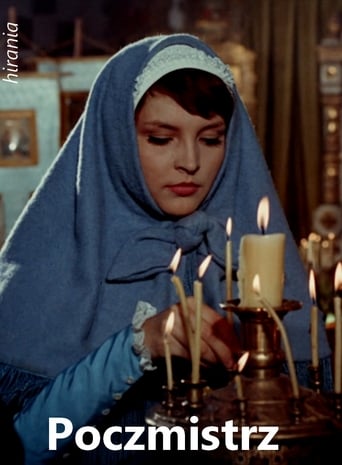
7.3Post clerk's young daughter runs away from home with a tsarist officer.
Poczmistrz
1968
 4.4
4.4A teenager starts to rebel against his parents in increasingly radical ways after being forbidden from going out with his girlfriend.
Who Believes in Storks?
1971
Film credits
1970s · 2 titles
4.4A teenager starts to rebel against his parents in increasingly radical ways after being forbidden from going out with his girlfriend.
Who Believes in Storks?
1971
 4.3
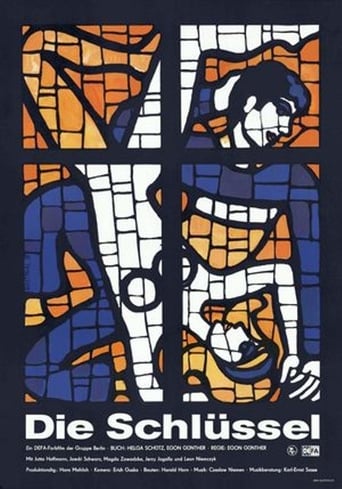
4.3During their holiday in Kraków, a young worker and a student are asked if their love, despite different views on life, will endure.
The Keys
1974
1960s · 8 titles
6.8Two friends from army meet in a harbour and start to reminisce about their adventures.
Full Ahead
1967
6.7Jacek is a handsome, charming young Pole who belongs to a drama company. One day, in the streets of Gdansk, he meets Marguerite, a beautiful, charming French girl. He falls for her but the young lady is whimsical...
Goodbye, Till Tomorrow
1960
7.3Post clerk's young daughter runs away from home with a tsarist officer.
Poczmistrz
1968
 6.8
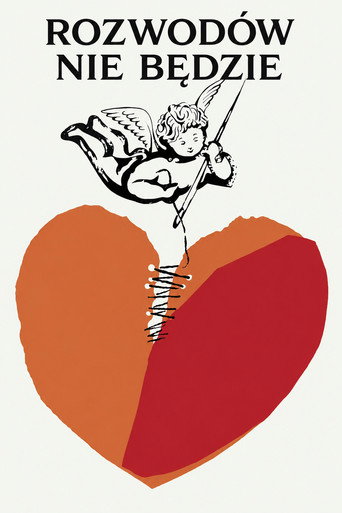
6.8Three short segments about love, all set in Warsaw’s Civil Registry Office at the corner of Nowy Świat and Aleje Jerozolimskie, against a vivid backdrop of early 1960s city life.
No More Divorces
1964
 7.5
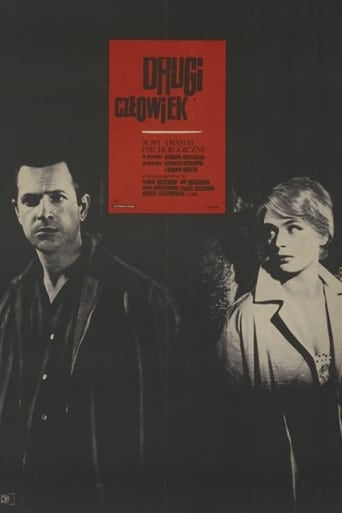
7.5A man just released from prison protects a woman from a group of thugs while on his way home.
Drugi człowiek
1961
 5.8
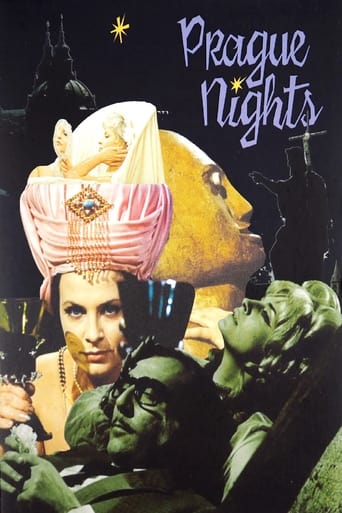
5.8A stuffy middle-aged foreigner, a businessman named Fabricius, lonely and looking for a night's diversion, finds it in the form of a mysterious blonde. In an abandoned cemetery, she tells him three tales involving black magic and erotic obsession. In "The Last Golem," a young rabbi struggles to fashion a massive, silent giant out of living clay — until he's distracted by a mute servant girl. In the second episode, "Bread Slippers," an 18th-century countess indulges her passion for sweet cakes, adulterous affairs, and secret kisses with pretty maids until a mysterious visitor whisks her away to an abandoned mansion, where Fate has a different kind of dance in store for her. And in the final story, "Poisoned Poisoner," a ravishing murderess in the Middle Ages dispatches lecherous merchants to the tune of upbeat '60s Czech pop songs.
Prague Nights
1969
 6.0
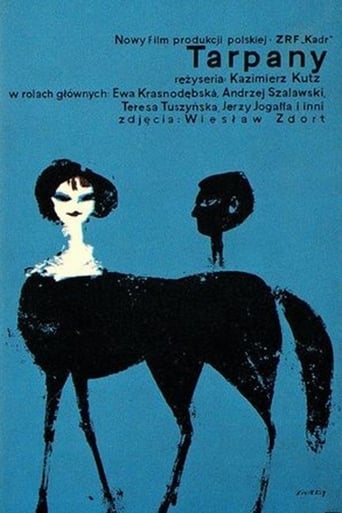
6.0In a secluded dog-breeding facility four people try to find a place for themeselves.
Wild Horses
1962
 8.0
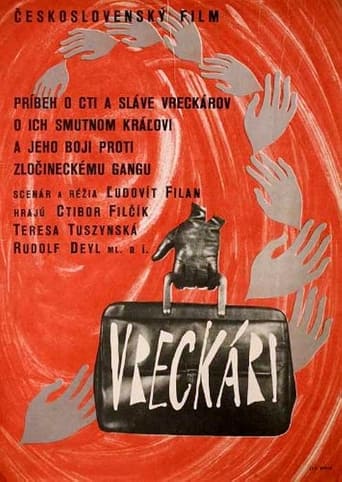
8.0As unbelievable as it sounds, a stint in prison can really fix things. The old seasoned pickpocket will serve many years before he is released, but he comes out a changed man. He even dares to refuse the lures and threats of an all-powerful criminal gang to cooperate with him.
The Pickpockets
1967
1950s · 2 titles
6.5A former resistance fighter returns to his hometown after being imprisoned, bent on enacting revenge on the man that sent him behind bars.
Ostatni strzał
1959
 7.3
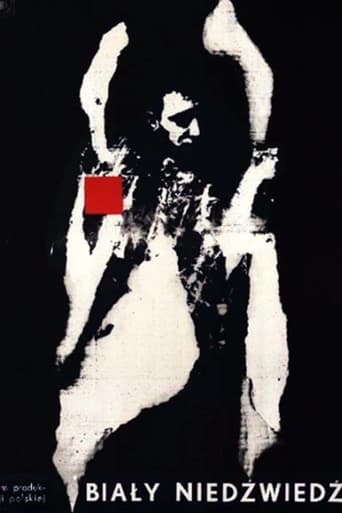
7.3A Jewish man who escapes a Nazi transport hides in a Polish ski resort town by posing for photos with tourists dressed as a polar bear.
Polar Bear
1959