

Writing
Robert Graves
Born — Died
1895-07-24 — 1985-12-07
Place of birth
Wimbledon, London, England, UK
Known for
Writing
Credits
7 titles
Captain Robert von Ranke Graves (24 July 1895 – 7 December 1985) was an English poet, historical novelist and critic. His father was Alfred Perceval Graves, a celebrated Irish poet and figure in the Gaelic revival; they were both Celticists and students of Irish mythology. Graves produced more than 140 works in his lifetime. His poems, his translations and innovative analysis of the Greek myths, his memoir of his early life—including his role in World War I—Good-Bye to All That, and his speculative study of poetic inspiration The White Goddess have never been out of print. He is also a renowned short story writer, with stories such as "The Tenement" still being popular today. From Wikipedia…
Known for
 7.3
7.3Monitor was a BBC arts programme that was launched on 2 February 1958 and ran until 1965. Huw Wheldon was the first editor from 1958 to 1965. He was also the principal interviewer and anchor. Wheldon set about moulding a team of talents, including John Schlesinger, Ken Russell, Patrick Garland, David Jones, Humphrey Burton, John Berger, Peter Newington, Melvyn Bragg, Nancy Thomas and Alan Tyrer. Monitor ranged in subject over all the arts. Wheldon's Monitor lasted until he had "interviewed everyone I am interested in interviewing", and he was succeeded by Jonathan Miller for the series' last season.
Monitor
1958
Presents a filmed, intercontinental conversation that links moderator Edward R. Murrow in New York with three internationally known figures located in different parts of the world. What set this apart from other televised interview/discussion programs was the fact that its participants could not see each other but could hear one another via telephone lines and radio.
Small World
1958
 4.6
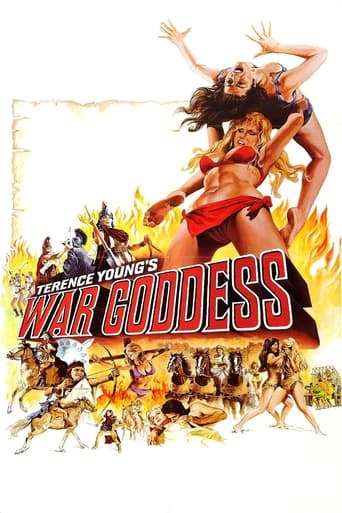
4.6Alena Johnston is Antione, the War Goddess of the Amazons, who must mate with the Greek king Theseus to propogate her race. Traditionally this is done only out of duty, but this time she falls in love with her "boy toy"... a definite no-no for an Amazon queen. Helmed by James Bond director Terence Young and based on a story co-authored by Robert Graves, this sexy and spectacular entry in the sword-and-sandal genre features an incredible bevy of Euro-cult starlets including Rosanna Yanni, Helga Line and Luciana Paluzzi, plus a lyrical score by Academy Award-winner Riz Ortolani.
War Goddess
1973
The story of William Palmer, one of the most notorious poisoners in Victorian England - or was he?
The Mystery of Thirteen
1957
 6.9
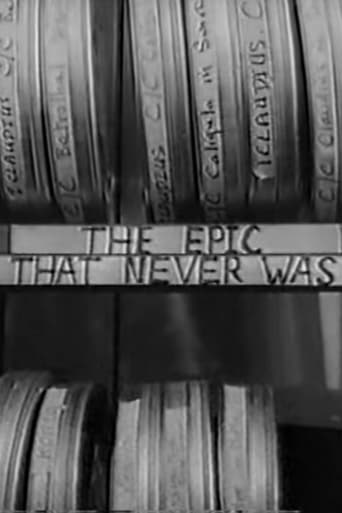
6.9The story of the aborted 1937 filming of "I, Claudius", starring Charles Laughton, with all of its surviving footage.
The Epic That Never Was
1969
 6.3
6.3Dame Maggie Smith stars in the 1967 screen version of Franco Zeffirelli's exuberant National Theatre production of Shakespeare's romantic comedy, in which young lovers Hero and Claudio conspire to make sharp-tongued rivals Beatrice and Benedick fall in love with each other.
Much Ado About Nothing
1967
Film credits
1960s · 2 titles
6.9The story of the aborted 1937 filming of "I, Claudius", starring Charles Laughton, with all of its surviving footage.
The Epic That Never Was
1969
 6.8
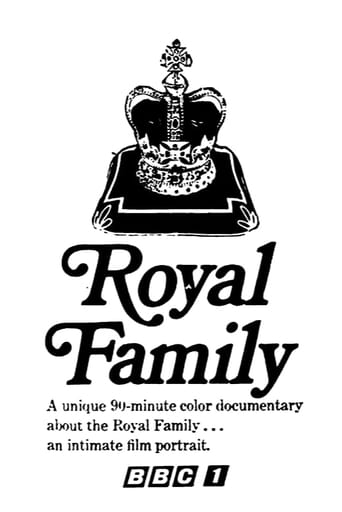
6.8Intimate portrait of the daily life of the British Royal Family drawn from 18 months of filming within Buckingham Palace, Windsor Castle and Balmoral.
Royal Family
1969
Series credits
7.3Monitor was a BBC arts programme that was launched on 2 February 1958 and ran until 1965. Huw Wheldon was the first editor from 1958 to 1965. He was also the principal interviewer and anchor. Wheldon set about moulding a team of talents, including John Schlesinger, Ken Russell, Patrick Garland, David Jones, Humphrey Burton, John Berger, Peter Newington, Melvyn Bragg, Nancy Thomas and Alan Tyrer. Monitor ranged in subject over all the arts. Wheldon's Monitor lasted until he had "interviewed everyone I am interested in interviewing", and he was succeeded by Jonathan Miller for the series' last season.
Monitor
1958
Presents a filmed, intercontinental conversation that links moderator Edward R. Murrow in New York with three internationally known figures located in different parts of the world. What set this apart from other televised interview/discussion programs was the fact that its participants could not see each other but could hear one another via telephone lines and radio.
Small World
1958
Behind the camera
4.6Alena Johnston is Antione, the War Goddess of the Amazons, who must mate with the Greek king Theseus to propogate her race. Traditionally this is done only out of duty, but this time she falls in love with her "boy toy"... a definite no-no for an Amazon queen. Helmed by James Bond director Terence Young and based on a story co-authored by Robert Graves, this sexy and spectacular entry in the sword-and-sandal genre features an incredible bevy of Euro-cult starlets including Rosanna Yanni, Helga Line and Luciana Paluzzi, plus a lyrical score by Academy Award-winner Riz Ortolani.
War Goddess
1973
The story of William Palmer, one of the most notorious poisoners in Victorian England - or was he?
The Mystery of Thirteen
1957
6.3Dame Maggie Smith stars in the 1967 screen version of Franco Zeffirelli's exuberant National Theatre production of Shakespeare's romantic comedy, in which young lovers Hero and Claudio conspire to make sharp-tongued rivals Beatrice and Benedick fall in love with each other.
Much Ado About Nothing
1967