
Directing
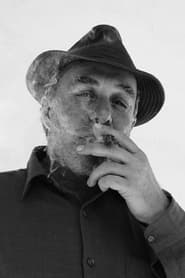
Júlio Bressane
Born
1946-02-13 (80)
Place of birth
Rio de Janeiro, Rio de Janeiro, Brazil
Known for
Directing
Credits
77 titles
Júlio Eduardo Bressane de Azevedo (Rio de Janeiro, February 13, 1946 ) is a Brazilian filmmaker and writer. A representative of the Brazilian Cinema Marginal, he began making films as an assistant director of Walter Lima Jr., in 1965. In 1967, Bressane debuted as director with Face to Face, being selected for the Festival of Brasilia. In 1970, he founded Belair Movies in company with fellow filmmaker Rogério Sganzerla. They chose a model of making films and low-cost production and thereby managed to run six feature films in just six months. He came into exile in London in the early 1970s, but returned to Brazil several years later and made one film after another, using slapstick and debauc…
Known for
 NR
NRNo synopsis available yet.
O País do Cinema
2016
 5.0
5.0Made for the Venice Film Festival's 70th anniversary, seventy filmmakers made a short film between 60 and 90 seconds long on their interpretation of the future of cinema.
Venice 70: Future Reloaded
2013
 8.2
8.2An abandoned tumbledown theater in the outback of Paraíba state is the initial setting of a film about cinema, which explores the testimonials of the novelist and playwright Ariano Suassuna and other filmmakers such as Ruy Guerra, Julio Bressane, Ken Loach, Andrzej Wajda, Karim Ainouz, José Padilha, Hector Babenco, Vilmos Zsigmond, Béla Tarr, Gus Van Sant and Jia Zhangke. They all respond to two basic questions: why do they make movies and why do they serve the seventh art. The filmmakers share their thoughts about time, narrative, rhythm, light, movement, the meaning of tragedy, the audience‘s desires and the boundaries with other forms of art.
About Cinema
2015
 8.5
8.5“If you had to choose between me and your mother, who would it be?” Capitu asks provocatively of her problematic lover. Elsewhere, they dance to inaudible music with their friends, each couple keeping to a rhythm of their own. At times, this depiction of the memories we see one Dom Casmurro commit to paper with a flamboyant pen seems to be an interplay of conflicting emotions – particularly when jealousy raises its head. Adapted from the Brazilian classic novel 'Dom Casmurro' (1899) by Machado de Assis as an ironic/philosophical essay on poetry and jealousy, and featuring fragments of Bressane’s previous works.
Capitu and the Chapter
2023
 NR
NRNo synopsis available yet.
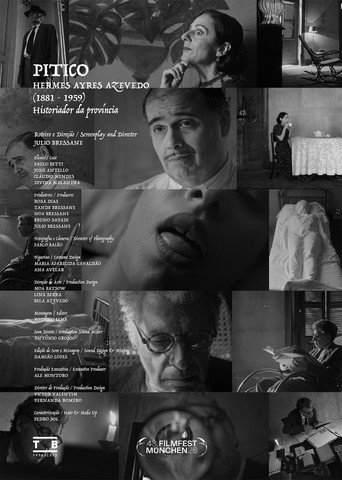
Pitico: Hermes Ayres Azevedo (1881-1959) - Local Historian
2026
 5.0
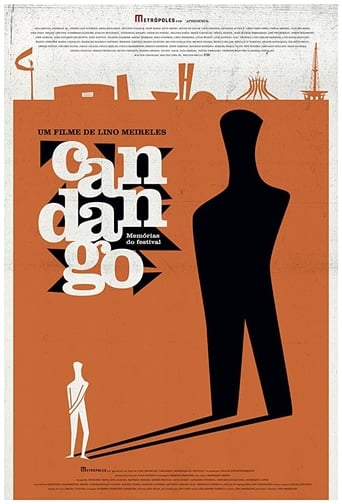
5.0In 1965, a year after the military coup in Brazil, an oasis of freedom opened in the country's capital. The Brasília Film Festival: a landmark of cultural and political resistance. Its story is that of Brazilian cinema itself.
Candango: Memoirs from a Festival
2020
Film credits
2020s · 8 titles
5.0In 1965, a year after the military coup in Brazil, an oasis of freedom opened in the country's capital. The Brasília Film Festival: a landmark of cultural and political resistance. Its story is that of Brazilian cinema itself.
Candango: Memoirs from a Festival
2020
 NR
NRNo synopsis available yet.
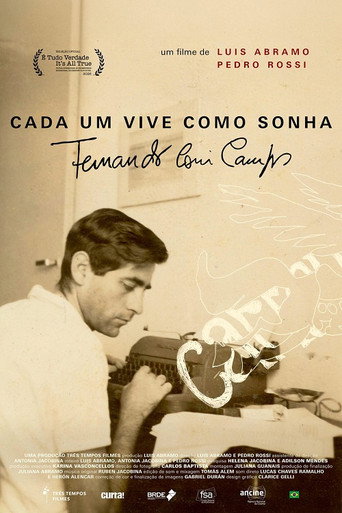
Fernando Coni Campos: Cada um Vive como Sonha
2026
 NR
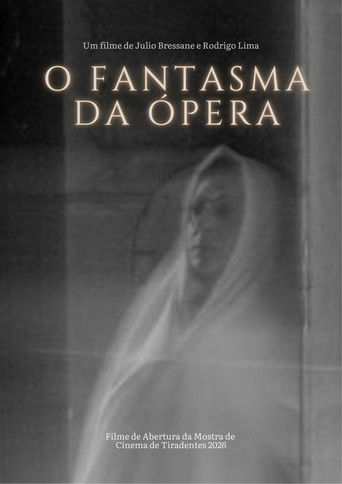
NRWe see the film, not the cinema; cinema remains hidden within the film. Cinema is the Phantom of the Opera. A movement and a moment of transition, the Phantom fades away with each opera. It disappears and then reemerges in another, and another, and another, and yet another opera.
Phantom of the Opera
2026
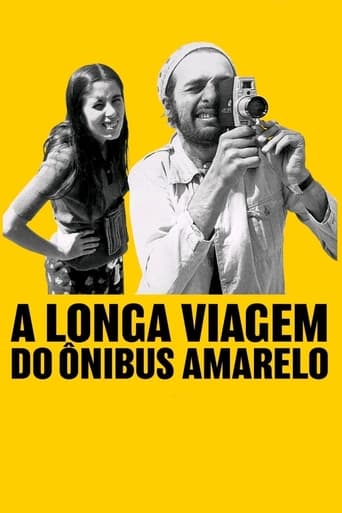 9.0
9.0For this behemoth, Bressane took his opera omnia and edited it in an order that first adheres to historical chronology but soon starts to move backwards and forward. The various pasts – the 60s, the 80s, the 2000s – comment on each other in a way that sheds light on Bressane’s themes and obsessions, which become increasingly apparent and finally, a whole idea of cinema reveals itself to the curious and patient viewer. Will Bressane, from now on, rework The Long Voyage of the Yellow Bus when he makes another film? Is this his latest beginning? Why not, for the eternally young master maverick seems to embark on a maiden voyage with each and every new film!
The Long Voyage of the Yellow Bus
2023
 6.0
6.0A statue steps down from the pedestal and sets out in search of her Creator, the cold Queen of the Night. In the urban night, she encounters mysterious figures that disappear like shadows. Freely inspired by characters from Mozart's opera, The Magic Flute.
The Queen of the Night
2023
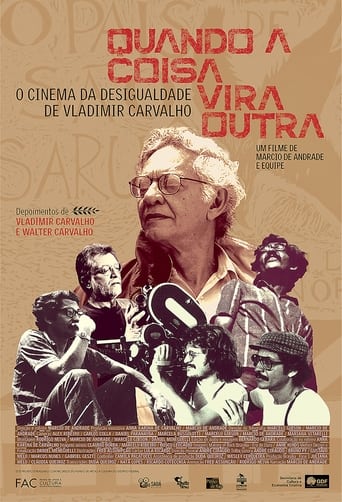 NR
NRVladimir Carvalho's Cinema of Inequality marked the documentary filmmaker's trajectory over decades of activity. Considered one of the most important Brazilian documentary filmmakers in activity, his images influenced the emergence of Cinema Novo and the new Brazilian documentary years later. Quando a Coisa Vira Outra covers the most important films made by Vladimir, revealing where ideas come from to show the true reality of a country.
Quando a Coisa Vira Outra
2022
 NR
NRFor Filmmaker Film Festival (2023), Fulvio Baglivi and Cristina Piccino asked some filmmakers (R. Beckermann, J. Bressane, D’Anolfi/Parenti, T. De Bernardi, L. Di Costanzo, A. Fasulo, F. Ferraro, M. Frammartino, S. George, ghezzi/Gagliardo, C. Hintermann, G. Maderna, A. Momo, A. Rossetto, M. Santini, C. Simon, S. Savona) to give us their own "lost road," that is, a sequence, scene or piece of editing that did not later find its way into the final version of one of their works. Each fragment has its own accomplished presence, often has a different title from the film it was made for, which is not necessary to have seen in order to find meaning; on the contrary, those who set out thinking they know the world they are walking through will find themselves displaced.
Strade perdute - Filmmaker 23
2023
 NR
NRNo synopsis available yet.
Nietzsche em Português
2023
2010s · 9 titles
8.2An abandoned tumbledown theater in the outback of Paraíba state is the initial setting of a film about cinema, which explores the testimonials of the novelist and playwright Ariano Suassuna and other filmmakers such as Ruy Guerra, Julio Bressane, Ken Loach, Andrzej Wajda, Karim Ainouz, José Padilha, Hector Babenco, Vilmos Zsigmond, Béla Tarr, Gus Van Sant and Jia Zhangke. They all respond to two basic questions: why do they make movies and why do they serve the seventh art. The filmmakers share their thoughts about time, narrative, rhythm, light, movement, the meaning of tragedy, the audience‘s desires and the boundaries with other forms of art.
About Cinema
2015
 5.3
5.3Sentimental Education centers on the unique relationship between Áurea, a lonely 40 year old teacher, and a young man she has just met by chance – one of these encounters which mythology and literature are full of. A delicate soul who finds itself attracted to a beauty that seems to demand, disturb and move her. That shakes her up entirely. During the days following their first conversation, she will expose all her feelings through classes in which he will let himself be carried away. Until an unusual episode from the past is revealed and changes everything.
Sentimental Education
2013
 5.5
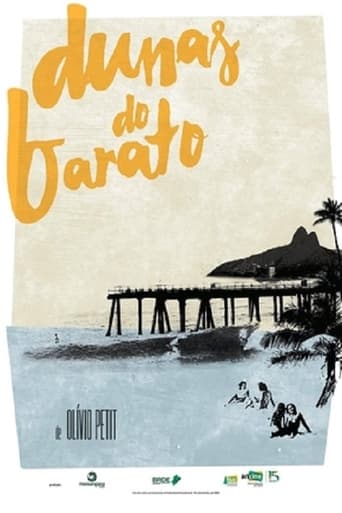
5.5A rescue of the history of Ipanema beach in the 1970s, when the construction of a pier changed the landscape and created fertile soil for a generation of artists and sportsmen.
Dunas do Barato
2017
 NR
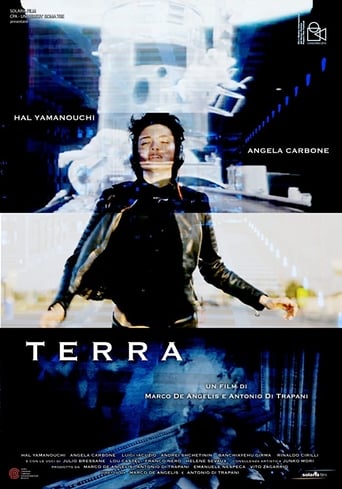
NRWhen I wake will I be someone else?
Earth
2015
 NR
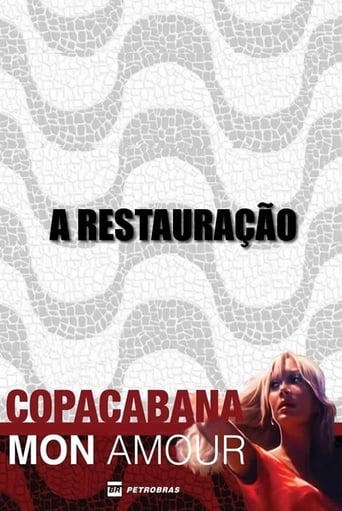
NRA documentary on the restoration of Rogério Sganzerla's 1970 film "Copacabana, Mon Amour".
Copacabana, Mon Amour: A Restauração
2014
 5.0
5.0An essay around the streets, as an homage to Fernando Pessoa
Drumming Beat of the Stars
2012
 NR
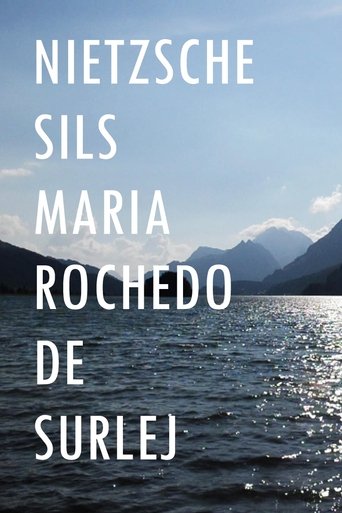
NRBressane (together with his partner Rosa Dias and young filmmaker Rodrigo Lima) guide us through the beautiful Swiss Sils Maria, where Nietzsche spent no less than eight summers. In his letters, Nietzsche indicates which spots brought him to a different understanding of philosophy. He discovered, beyond the philosophical text, a source for ideas in the pure air, in the mountain landscapes, in the water of the lakes, and in the age-old forests.
Nietzsche Sils Maria Rochedo de Surlej
2019
 8.0
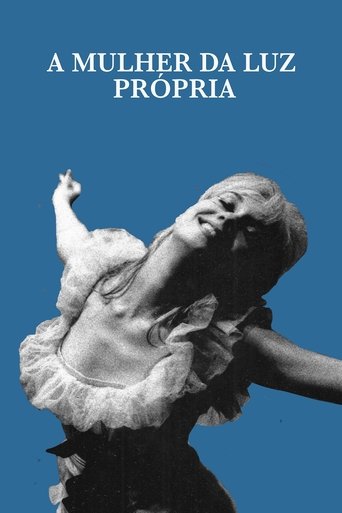
8.0Helena Ignez is one of the main female figures of Brazilian cinema. She developed a new style of acting. Nowadays, she directs independent films. The documentary tells some of the History of Brazilian cinema, its political context and Helena's trajectory.
A Mulher da Luz Própria
2019
 NR
NRNo synopsis available yet.
Avacalha e se Esculhamba
2010
2000s · 6 titles
 6.0
6.0A 10-part documentary about 10 Brazilian filmmakers: Linduarte Noronha, Jorge Furtado, Ruy Guerra, Murilo Salles, Paulo Caldas, Walter Salles & Daniela Thomas, David Neves, Julio Bressane, Ana Carolina and Carlos Reichenbach.
A Linguagem do Cinema
2001
 NR
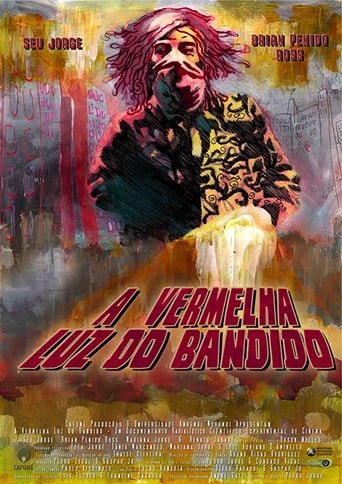
NRExperimental documentary short that debates over Rogério Sganzerla's Brazilian cult classic "The Red Light Bandit".
A Vermelha Luz do Bandido
2009
 5.0
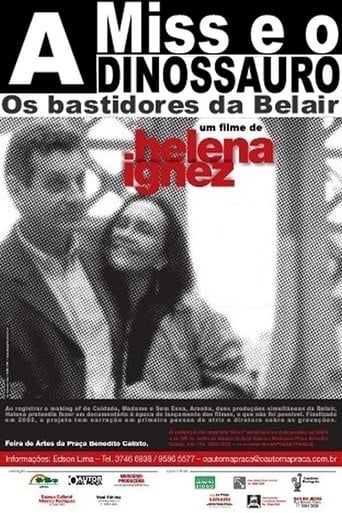
5.0A short documentary on Belair, an independent Brazilian film company that lasted for only five months in 1970.
A Miss e o Dinossauro
2005
 NR
NRBetween February an May of 1970, Julio Bresane and Rogerio Sganzerla made 7 films for their company Belair that were forbidden by the Brazilian censorship that reveal today images of an unique freedom.
Belair
2009
 5.5
5.5In September 2007 Júlio Bressane goes to Ferrara. In the cemetery of the Italian city he ends up making two movies.
Ver Viver Reviver
2007
 5.0
5.0No synopsis available yet.
50 minutos e 23 segundos com Júlio Bressane
2000
1990s · 3 titles
 NR
NRA documentary chronicling the life and works of Brazilian poet, songwriter, journalist and avant-garde filmmaker Torquato Neto, from his beginnings to his suicide at the age of 28.
Torquato Neto, O Anjo Torto da Tropicália
1992
 NR
NRA liberal interpretation of the book Galáxias, one of the most important works by the great contemporary Brazilian poet Haroldo de Campos, written between 1963 and 1976 and published in 1986. Bressane considers this work of poetry the Portuguese Finnegan's Wake. The video is a disorganized system of images: an exploration of colors, quotes and sudden inspirations created by the words. A sequence of epiphanies, rigorous in their images. The films cited act as cinematographic scenery, conferring a sense of drama to the movements of the actresses and the readings of the poems.
Galáxia Albina
1992
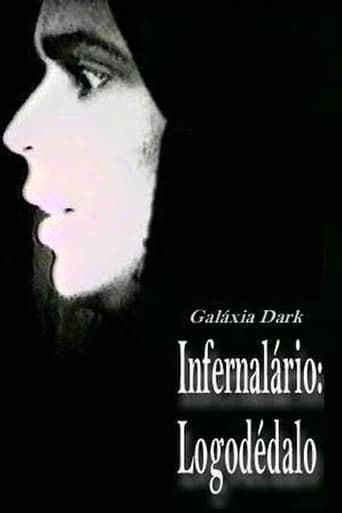 NR
NR"They are combinations of fragments. There are no stories, it is possible to mount these fragments in many ways. »Cine-eye or cine-voice-eye. The text of the Galaxies goes straight to the image. »A text rewritten for the eye» (H. de Campos). A short film that is more than experimental and that is based on a dark aesthetic that takes from the work of poet Haroldo de Campos its "dark matter" to combine it with the filmmaker's rarefied images and the puppet-like markings of actresses Bete Coelho and Mariana de Moraes.
Dark Galaxy
1993
1980s · 3 titles
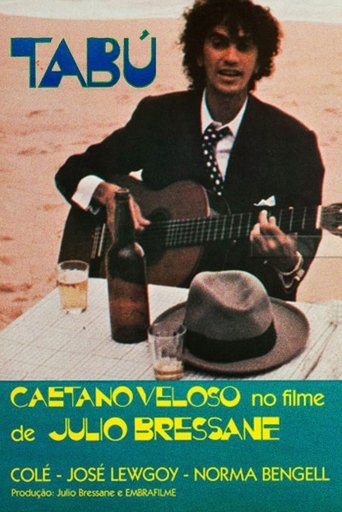 6.5
6.5The fictional encounter in Rio de Janeiro, Brazil (in the 30s) between popular songwriter Lamartine Babo and inconoclast poet and playwright Oswald de Andrade.
Tabu
1983
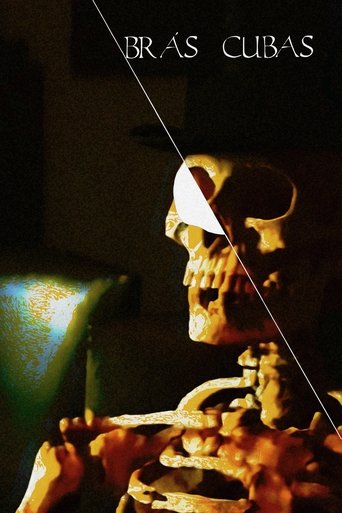 6.5
6.5Irreverent adaptation of great writer Machado de Assis's masterpiece "Memórias Póstumas de Brás Cubas" ("Brás Cubas's Posthumous Memories"). A dead man tells about his love life and adventures, specially his affair with Virgília, a dubious married woman.
Brás Cubas
1985
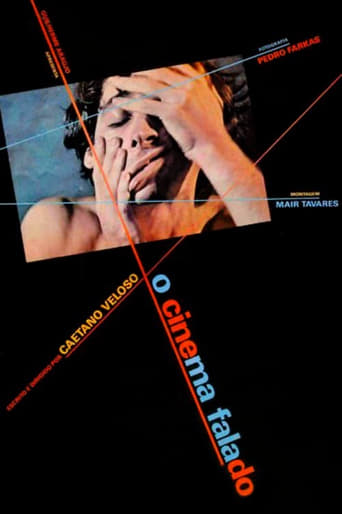 5.0
5.0A fragmented style, patchwork of interviews with Caetano Veloso's friends, mixed with conversations, thoughts, scenes of dance and literature excerpts.
Talking Cinema
1986
1970s · 6 titles
 7.8
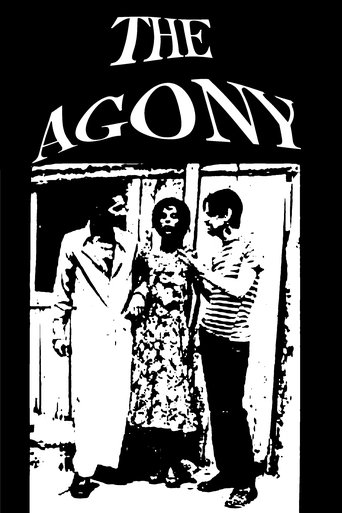
7.8Cropped hair, a rosemary branch behind the ear, yellow shirt of shiny satin, he's behind the wheel of his car when passing by a woman who walks by the roadside. Strongly painted lips, printed dress with round skirt and red shoes matching the color of the lipstick, she catches his attention. He gives her a ride, the two of them stare in silence for a few moments. They introduce themselves to one another and between the two establishes an absurd dialogue and full of metaphors. And they are driving around in corners of Rio de Janeiro, to the sound of Noel Rosa and Lamartine Babo. Eva and Antena, she a seer, he, an assassin on the run, initiate an unusual case of love, a marginal love, where boredom often gives way to tragedy, creating the agony of a holiday spent in an abyss.
The Agony
1976
 5.7
5.7A dysfunctional family, composed of a prostitute and two gay men, one strong and the other fragile and stupid, lives a routine life in Rio de Janeiro. When the slut threatens the other two to stop supporting them, they decide to find an odalisque as an alternative to keep their easy life.
The Rowdy Family
1970
 5.5
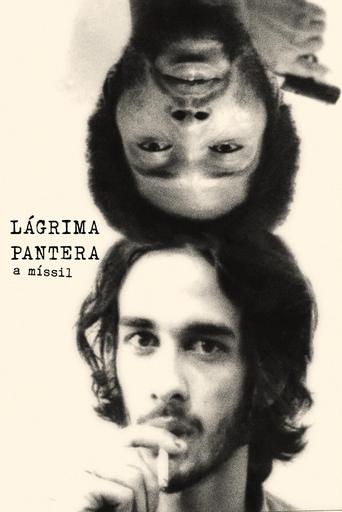
5.5A silent film shot in New York in 1972, including scenes in Hélio Oiticica’s apartment. Last film made in exile by Bressane, it mimics the experimental concept of "quasi-cinema" by Hélio Oiticica. It consists of a fragmentary experience of freedom, in super-8 and 16mm, in a code out of time, out of the square, while recreating (with different cameras) the wild and sensitive look that Oiticica dedicated to cinema. Its definitive 71-minute restored version was completed in the early 2000s.
Lágrima Pantera: A Míssil
1972
 6.0
6.0The rare short film presents a curious dialogue between filmmaker Julio Bressane and actor Grande Otelo, where, in a mixture of decorated and improvised text, we discover a little manifesto to the Brazilian experimental cinema. Also called "Belair's last film," Chinese Viola reveals the first partnership between photographer Walter Carvalho and Bressane.
Chinese Viola
1975
 6.6
6.6An essay film on the editing of erotic movies.
Naive Cinema
1979
 6.0
6.0An unusual look at 1978 Brasilia Film Festival and the politics that make certain films fashionable or not.
Horror Palace Hotel
1978
Undated · 1 titles
Series credits
Behind the camera
5.0Made for the Venice Film Festival's 70th anniversary, seventy filmmakers made a short film between 60 and 90 seconds long on their interpretation of the future of cinema.
Venice 70: Future Reloaded
2013
8.5“If you had to choose between me and your mother, who would it be?” Capitu asks provocatively of her problematic lover. Elsewhere, they dance to inaudible music with their friends, each couple keeping to a rhythm of their own. At times, this depiction of the memories we see one Dom Casmurro commit to paper with a flamboyant pen seems to be an interplay of conflicting emotions – particularly when jealousy raises its head. Adapted from the Brazilian classic novel 'Dom Casmurro' (1899) by Machado de Assis as an ironic/philosophical essay on poetry and jealousy, and featuring fragments of Bressane’s previous works.
Capitu and the Chapter
2023
8.5“If you had to choose between me and your mother, who would it be?” Capitu asks provocatively of her problematic lover. Elsewhere, they dance to inaudible music with their friends, each couple keeping to a rhythm of their own. At times, this depiction of the memories we see one Dom Casmurro commit to paper with a flamboyant pen seems to be an interplay of conflicting emotions – particularly when jealousy raises its head. Adapted from the Brazilian classic novel 'Dom Casmurro' (1899) by Machado de Assis as an ironic/philosophical essay on poetry and jealousy, and featuring fragments of Bressane’s previous works.
Capitu and the Chapter
2023
NRNo synopsis available yet.
Pitico: Hermes Ayres Azevedo (1881-1959) - Local Historian
2026
NRNo synopsis available yet.
Pitico: Hermes Ayres Azevedo (1881-1959) - Local Historian
2026
NRNo synopsis available yet.
Pitico: Hermes Ayres Azevedo (1881-1959) - Local Historian
2026
 NR
NR"Life and work of the Maranhense poet Sousândrade (1833-1902), illustrated with engravings on Brazilian history, from the discovery to the proclamation of the Republic."
O Guesa
1969
 4.5
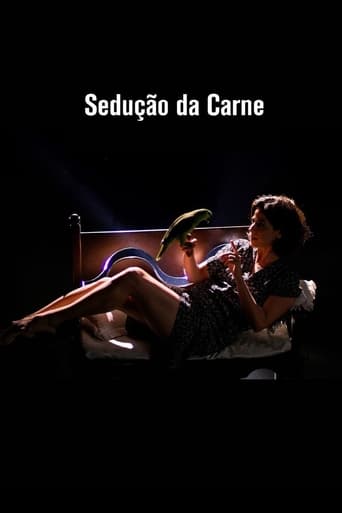
4.5A delicate and tenacious writer, widowed three years ago, engages in frequent conversations with a parrot. However, she’s always observed by a large portion of raw meat.
Seduction of the Flesh
2018
4.5A delicate and tenacious writer, widowed three years ago, engages in frequent conversations with a parrot. However, she’s always observed by a large portion of raw meat.
Seduction of the Flesh
2018
 6.2
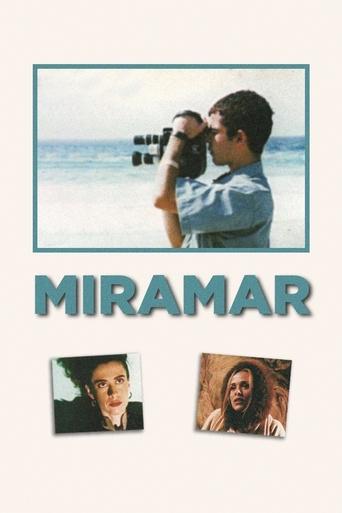
6.2Story with some autobiographical touches taken from director's life.
Miramar
1997
6.2Story with some autobiographical touches taken from director's life.
Miramar
1997
6.2Story with some autobiographical touches taken from director's life.
Miramar
1997
5.3Sentimental Education centers on the unique relationship between Áurea, a lonely 40 year old teacher, and a young man she has just met by chance – one of these encounters which mythology and literature are full of. A delicate soul who finds itself attracted to a beauty that seems to demand, disturb and move her. That shakes her up entirely. During the days following their first conversation, she will expose all her feelings through classes in which he will let himself be carried away. Until an unusual episode from the past is revealed and changes everything.
Sentimental Education
2013
5.3Sentimental Education centers on the unique relationship between Áurea, a lonely 40 year old teacher, and a young man she has just met by chance – one of these encounters which mythology and literature are full of. A delicate soul who finds itself attracted to a beauty that seems to demand, disturb and move her. That shakes her up entirely. During the days following their first conversation, she will expose all her feelings through classes in which he will let himself be carried away. Until an unusual episode from the past is revealed and changes everything.
Sentimental Education
2013
 5.4
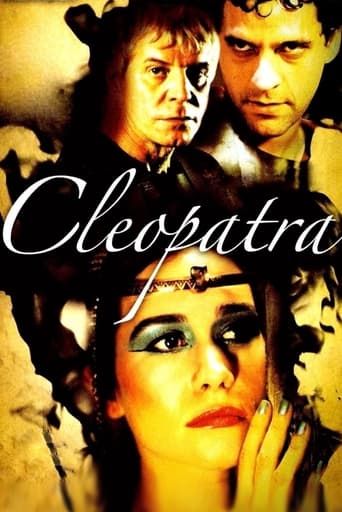
5.4The great battles are the backdrop for the unfolding of the Egyptian Queen's personal life. The strategy of Cleopatra is to seduce the Roman General Julius Caesar and Mark Antony to protect their civilization.
Cleopatra
2007
5.4The great battles are the backdrop for the unfolding of the Egyptian Queen's personal life. The strategy of Cleopatra is to seduce the Roman General Julius Caesar and Mark Antony to protect their civilization.
Cleopatra
2007
 5.5
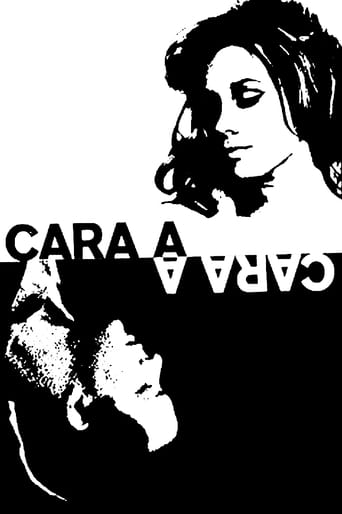
5.5The story of a civil servant who lives with his elderly mother. Falling in love with a corrupt politician's young and rich daughter, he abandons himself to crazy and violent situations.
Face to Face
1967
5.5The story of a civil servant who lives with his elderly mother. Falling in love with a corrupt politician's young and rich daughter, he abandons himself to crazy and violent situations.
Face to Face
1967
5.5The story of a civil servant who lives with his elderly mother. Falling in love with a corrupt politician's young and rich daughter, he abandons himself to crazy and violent situations.
Face to Face
1967
 6.6
6.6A man living with his parents in a low middle-class apartment in Rio de Janeiro coldly stabs them with a razor and then goes to the movies. Marcia, a rich and dissatisfied young woman, takes advantage of a trip from her husband to go to her home in Petrópolis, where she receives a visit from an old friend, Regina.
Killed the Family and Went to the Movies
1969
6.6A man living with his parents in a low middle-class apartment in Rio de Janeiro coldly stabs them with a razor and then goes to the movies. Marcia, a rich and dissatisfied young woman, takes advantage of a trip from her husband to go to her home in Petrópolis, where she receives a visit from an old friend, Regina.
Killed the Family and Went to the Movies
1969
6.6A man living with his parents in a low middle-class apartment in Rio de Janeiro coldly stabs them with a razor and then goes to the movies. Marcia, a rich and dissatisfied young woman, takes advantage of a trip from her husband to go to her home in Petrópolis, where she receives a visit from an old friend, Regina.
Killed the Family and Went to the Movies
1969
 5.6
5.6A caboclo's soul wanders through purgatory (or hell), visiting many places until he boards a ship whose destination is unknown.
The Giant of America
1980
5.6A caboclo's soul wanders through purgatory (or hell), visiting many places until he boards a ship whose destination is unknown.
The Giant of America
1980
 5.5
5.5A cinematographic essay, without dialogues, about the months Nietszche spent in Turin, Italy, with narration quoted by his original writings.
Days of Nietzsche in Turin
2002
5.5A cinematographic essay, without dialogues, about the months Nietszche spent in Turin, Italy, with narration quoted by his original writings.
Days of Nietzsche in Turin
2002
5.5A cinematographic essay, without dialogues, about the months Nietszche spent in Turin, Italy, with narration quoted by his original writings.
Days of Nietzsche in Turin
2002
7.8Cropped hair, a rosemary branch behind the ear, yellow shirt of shiny satin, he's behind the wheel of his car when passing by a woman who walks by the roadside. Strongly painted lips, printed dress with round skirt and red shoes matching the color of the lipstick, she catches his attention. He gives her a ride, the two of them stare in silence for a few moments. They introduce themselves to one another and between the two establishes an absurd dialogue and full of metaphors. And they are driving around in corners of Rio de Janeiro, to the sound of Noel Rosa and Lamartine Babo. Eva and Antena, she a seer, he, an assassin on the run, initiate an unusual case of love, a marginal love, where boredom often gives way to tragedy, creating the agony of a holiday spent in an abyss.
The Agony
1976
7.8Cropped hair, a rosemary branch behind the ear, yellow shirt of shiny satin, he's behind the wheel of his car when passing by a woman who walks by the roadside. Strongly painted lips, printed dress with round skirt and red shoes matching the color of the lipstick, she catches his attention. He gives her a ride, the two of them stare in silence for a few moments. They introduce themselves to one another and between the two establishes an absurd dialogue and full of metaphors. And they are driving around in corners of Rio de Janeiro, to the sound of Noel Rosa and Lamartine Babo. Eva and Antena, she a seer, he, an assassin on the run, initiate an unusual case of love, a marginal love, where boredom often gives way to tragedy, creating the agony of a holiday spent in an abyss.
The Agony
1976
7.8Cropped hair, a rosemary branch behind the ear, yellow shirt of shiny satin, he's behind the wheel of his car when passing by a woman who walks by the roadside. Strongly painted lips, printed dress with round skirt and red shoes matching the color of the lipstick, she catches his attention. He gives her a ride, the two of them stare in silence for a few moments. They introduce themselves to one another and between the two establishes an absurd dialogue and full of metaphors. And they are driving around in corners of Rio de Janeiro, to the sound of Noel Rosa and Lamartine Babo. Eva and Antena, she a seer, he, an assassin on the run, initiate an unusual case of love, a marginal love, where boredom often gives way to tragedy, creating the agony of a holiday spent in an abyss.
The Agony
1976
NRWe see the film, not the cinema; cinema remains hidden within the film. Cinema is the Phantom of the Opera. A movement and a moment of transition, the Phantom fades away with each opera. It disappears and then reemerges in another, and another, and another, and yet another opera.
Phantom of the Opera
2026
NRWe see the film, not the cinema; cinema remains hidden within the film. Cinema is the Phantom of the Opera. A movement and a moment of transition, the Phantom fades away with each opera. It disappears and then reemerges in another, and another, and another, and yet another opera.
Phantom of the Opera
2026
 6.3
6.3Based upon the life story of Father Antonio Vieira, born in Lisbon in 1608 and deceased in Salvador, Bahia, in 1697. He's considered the first Brazilian writer and one of the most important aesthete of linguistic and of the Portuguese language of all times, a master in the art of metaphor, of verbal relations and analogy. He was persecuted and condemned by the Portuguese Court of Inquisition due to his position against native slavery, against the intolerance to the Jewish people and to the colonial politics of exploration.
Sermões
1989
6.3Based upon the life story of Father Antonio Vieira, born in Lisbon in 1608 and deceased in Salvador, Bahia, in 1697. He's considered the first Brazilian writer and one of the most important aesthete of linguistic and of the Portuguese language of all times, a master in the art of metaphor, of verbal relations and analogy. He was persecuted and condemned by the Portuguese Court of Inquisition due to his position against native slavery, against the intolerance to the Jewish people and to the colonial politics of exploration.
Sermões
1989
 5.3
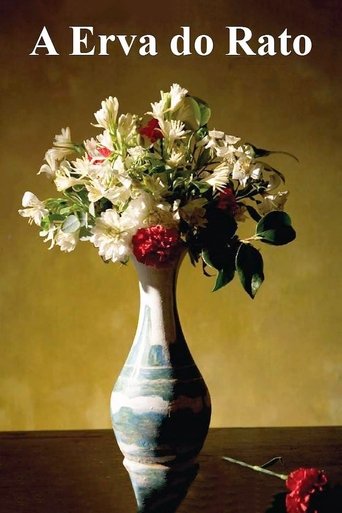
5.3The names of the characters are pronouns. She is a teacher, with his father dead just three days ago. Faced with this situation, He intends to take care of her while He is alive. This is the beginning of an odd relationship.
The Herb of the Rat
2009
5.3The names of the characters are pronouns. She is a teacher, with his father dead just three days ago. Faced with this situation, He intends to take care of her while He is alive. This is the beginning of an odd relationship.
The Herb of the Rat
2009
5.7A dysfunctional family, composed of a prostitute and two gay men, one strong and the other fragile and stupid, lives a routine life in Rio de Janeiro. When the slut threatens the other two to stop supporting them, they decide to find an odalisque as an alternative to keep their easy life.
The Rowdy Family
1970
5.7A dysfunctional family, composed of a prostitute and two gay men, one strong and the other fragile and stupid, lives a routine life in Rio de Janeiro. When the slut threatens the other two to stop supporting them, they decide to find an odalisque as an alternative to keep their easy life.
The Rowdy Family
1970
5.7A dysfunctional family, composed of a prostitute and two gay men, one strong and the other fragile and stupid, lives a routine life in Rio de Janeiro. When the slut threatens the other two to stop supporting them, they decide to find an odalisque as an alternative to keep their easy life.
The Rowdy Family
1970
 7.4
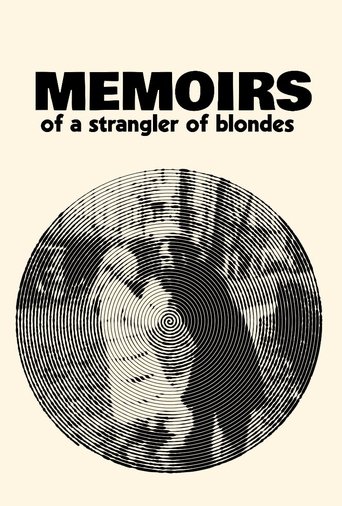
7.4First film by Julio Bressane shot in exile, "Memoirs" is a film about a man who repeatedly kills the same type of woman in same places, the same way. Filmed on the streets of London.
Memoirs of a Strangler of Blondes
1971