

Directing
Divino Tserewahú
Born
1974-04-18 (52)
Place of birth
General Carneiro, Mato Grosso, Brasil
Known for
Directing
Credits
10 titles
Divino Tserewahú Tsereptse is a cameraman who lives in Brazil[1]. He started his career recording the events of the Xavantes who live in Mato Grosso, Brazil. Their works include many documentaries and films that record the cultural aspects of these people: Pi’õnhitsi: Xavánte Nameless Women/Pi'õnhitsi, Unnamed Xavánte Women and Wai’a Rini: the power of dreams for example.
Known for
 NR
No synopsis available yet.
Pi'õnhitsi - Mulheres Xavante sem Nome
2009
No synopsis available yet.
O Mestre e o Divino
2016
 NR
In 1957, after centuries of resistance and escape, a Xavante group takes refuge in the Salesian mission of Sangradouro, Mato Grosso. Today surrounded by soy cultures, with their land and resources impoverished, they show in this film their actual preoccupations in midst of all the changes they have experienced.
Tsõ'rehipãri - Sangradouro
2009
No synopsis available yet.
Wamari Sonha
—
 NR
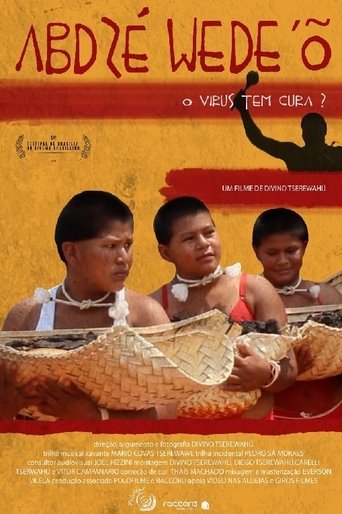
The documentary reveals the impact of the Coronavirus on one of the indigenous but affected by the disease in the country. Narrated in first person by Divino, which highlights the desperate struggle of his village, Sangradouro, east of Mato Grosso, to survive the most tragic epidemic known by the Xavante nation. Crossed with archival material and images captured during a pandemic, the film seeks to relate a traumatic past with the reality of Covid-19.
Abdzé Wede´Õ – Vírus não tem cura?
2021
 10.0
No synopsis available yet.
Divino: Sua Alma, Sua Lente
2026
Film credits
2020s · 1 titles
Undated · 1 titles
Behind the camera
NRNo synopsis available yet.
Pi'õnhitsi - Mulheres Xavante sem Nome
2009
NRIn 1957, after centuries of resistance and escape, a Xavante group takes refuge in the Salesian mission of Sangradouro, Mato Grosso. Today surrounded by soy cultures, with their land and resources impoverished, they show in this film their actual preoccupations in midst of all the changes they have experienced.
Tsõ'rehipãri - Sangradouro
2009
NRThe documentary reveals the impact of the Coronavirus on one of the indigenous but affected by the disease in the country. Narrated in first person by Divino, which highlights the desperate struggle of his village, Sangradouro, east of Mato Grosso, to survive the most tragic epidemic known by the Xavante nation. Crossed with archival material and images captured during a pandemic, the film seeks to relate a traumatic past with the reality of Covid-19.
Abdzé Wede´Õ – Vírus não tem cura?
2021
The Wai'á festival, within the long cycle of initiation ceremonies of the Xavante people, is one that introduces young people into spiritual life, in contact with supernatural forces. Director Divino Tserewahú dialogues with his father, one of the leaders of this ritual, to reveal what can be revealed from this secret party of men, where initiates go through many trials and dangers.
Wai’á Rini, o Poder do Sonho
2001
 NR
A team of Xavante filmmakers has collaborated to realize this visual archive of the complex Wapté Mnhõnõ ceremony. Taking place over several months with much elaborate rehearsal and preparation, the ceremony involves the participation of several different groups of boys and men in the roles of initiates, godparents and rivals.
Wapté Mnhõnõ, The Xavante's Initiation
1999
No synopsis available yet.
Vamos À Luta
2002