

Camera
Héctor Ríos
Born — Died
1927-11-23 — 2017-03-15
Place of birth
San Antonio, Valparaiso, Chile
Known for
Camera
Credits
6 titles
Héctor Ríos was one of the most important names in Chilean cinema in its history. Héctor Ríos is remembered for his transcendental work as director of photography in major films such as El Chacal de Nahueltoro, Los Testigos and La Frontera. Films where his work behind the lens was fundamental to his praised results. In addition, in partnership with Pedro Chaskel, he directed three important documentaries: Aquí vivieron (1964) Venceremos (1970) and Entre ponerle y no ponerle (1971); plus a short film with illustrations called Érase una vez (1965). All of them were works with a deep interest in making cinema an art that reflected social injustices with a conscious and transforming zeal. Bor…
Known for
A poetic film that records the excavations carried out by Swiss ethnologist Jean Christian Spahni at the mouth of the Loa River. Through the bone remains and objects found, the testimony of the Chango indigenous people is revealed.
Aquí vivieron
1964
 10.0
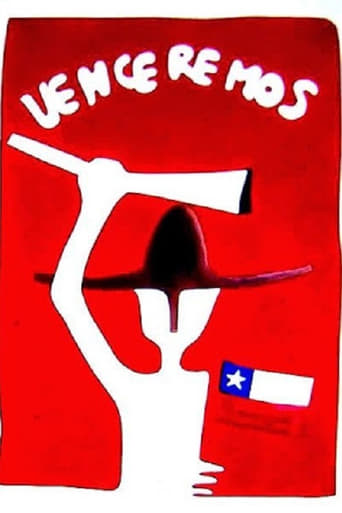
A collage of images showing the two faces of a society. That of poverty and that of wealth. Throughout the documentary, this antagonism is shown: populations in unhealthy conditions, and on the other hand, large showcases with mannequins.
Venceremos
1970
A docudrama based on the family planning policies for the population with limited resources. A low-income lady resorts to clandestine ways to get an abortion...
Abortion
1965
A documentary about the consequences of consuming alcohol and how it works as a weapon of the bourgeoisie to appease the thirst of the people.
Entre ponerle y no ponerle...
1971
A poet recites his verses. The people who listen to him, inspired by him, form the Spring Party, which later becomes the Spring Army. It is decided to eliminate possible opponents. The poet is considered an enemy and is shot.
Érase una vez
1965
Behind the camera
A poetic film that records the excavations carried out by Swiss ethnologist Jean Christian Spahni at the mouth of the Loa River. Through the bone remains and objects found, the testimony of the Chango indigenous people is revealed.
Aquí vivieron
1964
A poetic film that records the excavations carried out by Swiss ethnologist Jean Christian Spahni at the mouth of the Loa River. Through the bone remains and objects found, the testimony of the Chango indigenous people is revealed.
Aquí vivieron
1964
10.0A collage of images showing the two faces of a society. That of poverty and that of wealth. Throughout the documentary, this antagonism is shown: populations in unhealthy conditions, and on the other hand, large showcases with mannequins.
Venceremos
1970
A docudrama based on the family planning policies for the population with limited resources. A low-income lady resorts to clandestine ways to get an abortion...
Abortion
1965
A documentary about the consequences of consuming alcohol and how it works as a weapon of the bourgeoisie to appease the thirst of the people.
Entre ponerle y no ponerle...
1971
A poet recites his verses. The people who listen to him, inspired by him, form the Spring Party, which later becomes the Spring Army. It is decided to eliminate possible opponents. The poet is considered an enemy and is shot.
Érase una vez
1965