
Acting
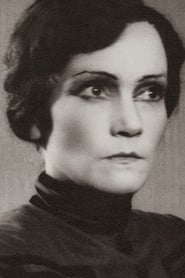
Lidija Freimane
Born — Died
1920-04-06 — 1992-01-18
Place of birth
Dunelusheny, Soroca uyezd, Governorate of Bessarabia, Kingdom of Romania
Known for
Acting
Credits
17 titles
Known for
 7.5
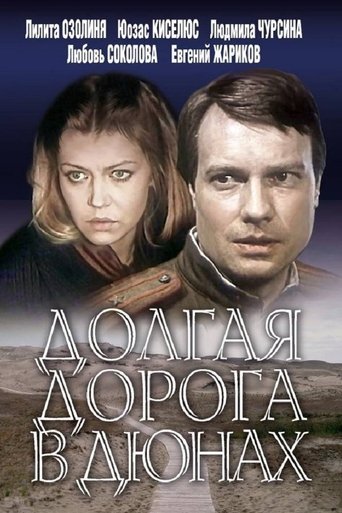
7.5The action of the film takes place in Latvia and spans the period from 1939 to the early 1970s. The events that occurred in the country had various effects on the fates of the characters. But throughout it all, love guided them — it scattered and gathered, made them suffer terribly, and made them the happiest people in the world...
Long Road in the Dunes
1982
 NR
NRA political film based in Latvian countryside in 1947.
Ilze
1959
 4.0
4.0Based on a stage play of the same name by the one of the biggest names in the history of Latvian literature Rainis, "Put, vejini" tells a story of an unconventional love that blossoms between the handsome, wealthy and impetuous merchant Uldis and the timid, humble and clear-hearted orphan Baiba.
Blow, Wind!
1973
 5.6
5.6The end of nineteenth century. Maidservant Madara is in love with farmhand Andrs, yet she marries a rich and old household owner. As time passes, her heart hardens and things get complicated when Andrs returns to the neighborhood and Madara's husband dies leaving her widowed with a son.
Springtime Frost
1955
 4.2
4.2Latvia in the 1920s. The enterprising Edgars Ceplis establishes a company to produce bricks from Latvian clay for export. Many are involved in his project, hoping for the huge profits the venture promises. Ceplis soon becomes infatuated with his office typist Austra Zīle and starts neglecting the business...
Ceplis
1972
 5.5
5.5Doctor Rūdolfs spends time at his country cottage, and there he meets teacher Laura - a mother of two children whose husband is in prison. Rūdolfs rescues Laura's daughter, Zaiga, who is sick, befriends her son, Maris, and falls in love with Laura, but she desperately struggles with her feelings of responsibility towards her family.
Lake Sonata
1976
Film credits
1980s · 3 titles
 5.9
5.9The action of the film takes place in Latvia and spans the period from 1939 to the early 1970s. The events that occurred in the country had various effects on the fates of the characters. But throughout it all, love guided them — it scattered and gathered, made them suffer terribly, and made them the happiest people in the world...
Long Road in the Dunes
1982
In the 1980s, when Latvians living abroad had the opportunity to visit their homeland, she came to Riga to meet her childhood sweetheart, Alfred. They arrange to meet at their usual spot over the phone. Alfrēds waits with white roses, but when she sees a pre-war car whose driver has gone to return some bottles, she gets in to reminisce and drive around Riga.
Es gribu tavu foto!
1986
 7.0
7.0A film based on novels by Latvian writer Andrejs Upīts tells a story about Latvian peasants around the 16th/17th century when they were under the role of several other countries.
Laikmetu griežos
1981
1970s · 7 titles
4.0Based on a stage play of the same name by the one of the biggest names in the history of Latvian literature Rainis, "Put, vejini" tells a story of an unconventional love that blossoms between the handsome, wealthy and impetuous merchant Uldis and the timid, humble and clear-hearted orphan Baiba.
Blow, Wind!
1973
4.2Latvia in the 1920s. The enterprising Edgars Ceplis establishes a company to produce bricks from Latvian clay for export. Many are involved in his project, hoping for the huge profits the venture promises. Ceplis soon becomes infatuated with his office typist Austra Zīle and starts neglecting the business...
Ceplis
1972
5.5Doctor Rūdolfs spends time at his country cottage, and there he meets teacher Laura - a mother of two children whose husband is in prison. Rūdolfs rescues Laura's daughter, Zaiga, who is sick, befriends her son, Maris, and falls in love with Laura, but she desperately struggles with her feelings of responsibility towards her family.
Lake Sonata
1976
 NR
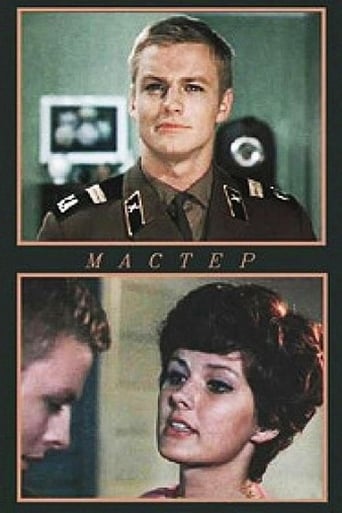
NRArtūrs comes back to Riga after serving in army and faces changes because of his years of absence- his girlfriend has met another man, his work in a factory in a superior position brings changes to relationships with acquaintances.
Master
1977
 6.5
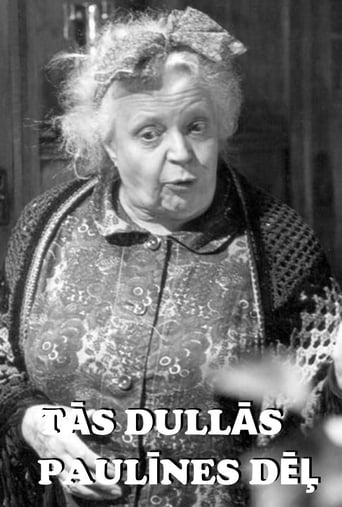
6.5No synopsis available yet.
Tās dullās Paulīnes dēļ
1979
 5.4
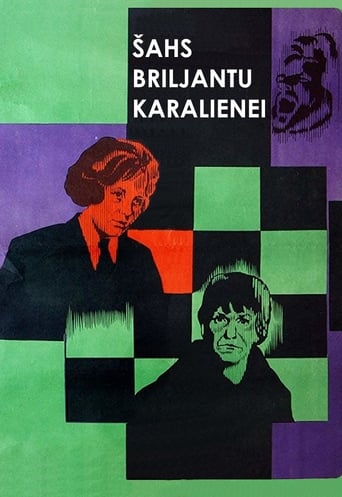
5.4A detective and a militia captain are working together investigating a murder. When their job is done, the feelings do not let them say goodbye.
Checkmate to the Queen of Diamonds
1973
 NR
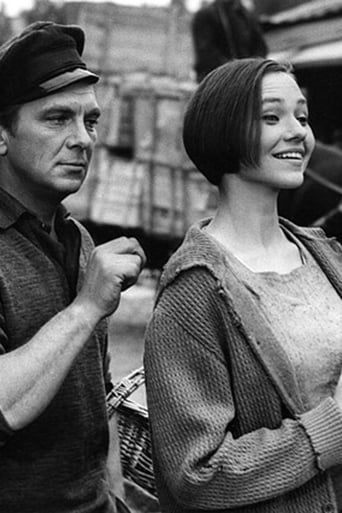
NRThe son of Martins Viksna, the collective farm chairman, Klavs comes home from the military service and starts working in his native kolkhoz but does not understand his colleagues, so he goes to town.
Klavs - The Son of Martin
1970
1960s · 2 titles
1950s · 4 titles
NRA political film based in Latvian countryside in 1947.
Ilze
1959
5.6The end of nineteenth century. Maidservant Madara is in love with farmhand Andrs, yet she marries a rich and old household owner. As time passes, her heart hardens and things get complicated when Andrs returns to the neighborhood and Madara's husband dies leaving her widowed with a son.
Springtime Frost
1955
 9.5
9.5The first film in a duology based on the biography of Latvian revolutionary Jānis Fabricius. Mārtiņš Venta, the son of a forest ranger, enrolls in a Riga gymnasium and becomes an underground activist, while his classmate, Dace, a teacher's daughter, is expelled from the Riga school for singing the revolutionary song Kā gulbji balti padebeši iet. Dace becomes an actress, but Mārtiņš is drafted into the tsar's army. He refuses to participate in the shooting of a workers' demonstration and is sentenced to exile, but before his deportation, Mārtiņš is allowed to marry Dace in prison.
Following the Swan Flock of Clouds
1957
 8.5
8.5The dramatic fates of the Līdumu, Tauriņu, and Pacepļu families from the 1920s to the 1950s. The conflict between the Līdumu and Tauriņu dynasties as a class struggle, ending with the victory of the Līdumu family.
To a New Shore
1955